

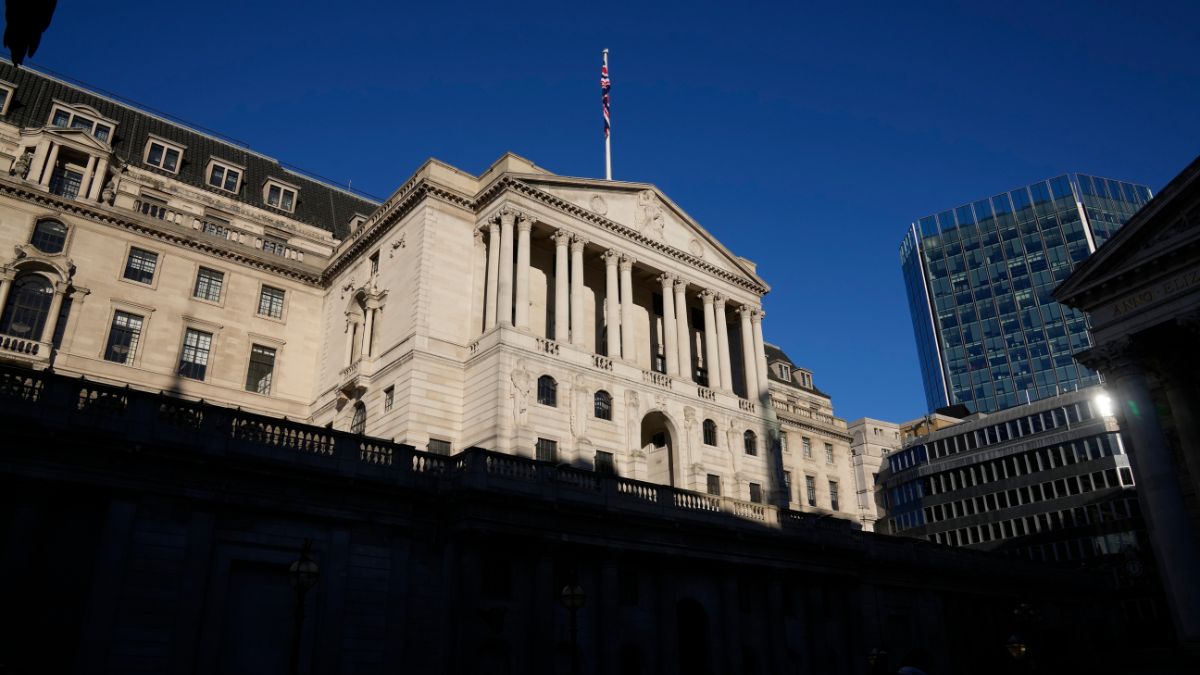
 "UK Inflation slows to Bank of England's 2% target for 1st time in 3 yrs")
UK inflation fell back to the Bank of England’s 2% target for the first time in almost three years, according to the Office for National Statistics. The development is considered a milestone that is likely to improve the political equations of Prime Minister Rishi Sunak for the upcoming election.
The Office for National Statistics said inflation, as measured by the consumer prices index, fell to 2% in the year to May from 2.3% the month before with food prices providing the biggest downward contribution.
Conservative Prime Minister Rishi Sunak has attributed the recent decline in inflation to his government’s economic policies, claiming it as a sign that the UK economy is improving. The slowdown in inflation means that prices are increasing more slowly than in previous years, offering some relief during the ongoing cost of living crisis.
Sunak argued that this decrease in inflation indicates that the economy has “turned a corner.” In 2022, inflation had soared to double digits following the Ukraine war and the lifting of pandemic restrictions, leading to a severe cost-of-living squeeze. Although the recent inflation figures allowed Sunak to claim a partial victory over these economic challenges, it remains uncertain if this will bolster the Conservative Party’s standing in the upcoming July 4 election, where current polls suggest a potential defeat for the ruling party.
However, Rachel Reeves, who will become Treasury chief if the main opposition Labour Party wins the election, said working people are “worse off," with mortgage rates higher than they have been for years and taxes at a 70-year high.
Impact Shorts
More ShortsThe fall in inflation follows nearly three years of above-target inflation. The last time inflation was at 2% was in July 2021 before prices started to shoot up, first as a result of supply chain issues during the coronavirus pandemic and then by Russia’s invasion of Ukraine, which pushed up energy costs.
Despite the decline, few economists think the Bank of England will reduce its main interest rate from 5.25% on Thursday. Some policymakers are still concerned over the scale of price rises in the crucial services sector and the pace of wage increases, which raise the risks of an inflation rebound if interest rates are cut too soon. The consensus in financial markets is that rates will be cut in August.
The Bank of England, like the U.S. Fed and other central banks, raised interest rates aggressively in late 2021 from near zero to counter the rapid increase in inflation, which hit a high above 11%.
Higher interest rates — which cool the economy by making it more expensive to borrow — have helped ease inflation, but they’ve also weighed on the British economy, which has barely grown since the pandemic rebound.
With inputs from agencies.


 "Russian drones over Poland: Trump’s tepid reaction a wake-up call for Nato?")
 "As Russia pushes east, Ukraine faces mounting pressure to defend its heartland")
 "Why Mossad was not on board with Israel’s strike on Hamas in Qatar")
 "Turkey: Erdogan's police arrest opposition mayor Hasan Mutlu, dozens officials in corruption probe")
 "Russian drones over Poland: Trump’s tepid reaction a wake-up call for Nato?")
 "As Russia pushes east, Ukraine faces mounting pressure to defend its heartland")
 "Why Mossad was not on board with Israel’s strike on Hamas in Qatar")
 "Turkey: Erdogan's police arrest opposition mayor Hasan Mutlu, dozens officials in corruption probe")



