

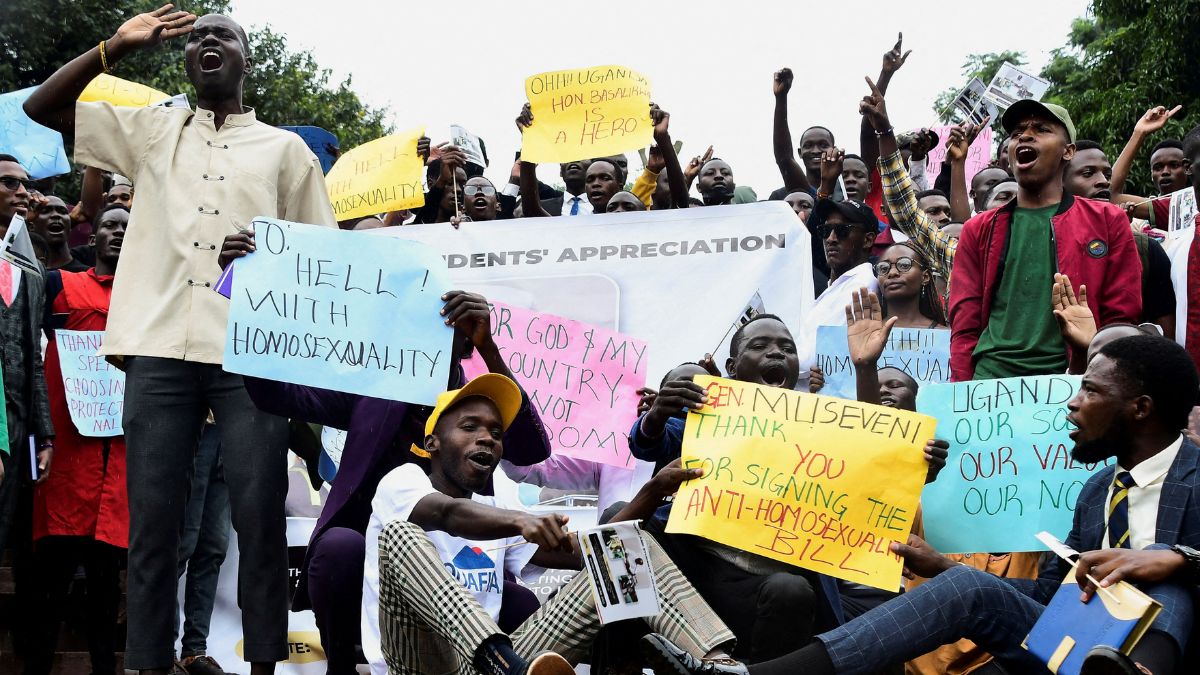
 "Uganda's anti-gay law stands as constitutional court rejects challenge")
In a significant ruling, Uganda’s Constitutional Court has upheld the controversial Anti-Homosexuality Act 2023, dismissing a bid to overturn what is considered one of the strictest anti-gay laws globally.
Justice Richard Buteera, Uganda’s deputy chief justice and head of the court, announced the decision, stating that the court declined to nullify the law entirely or grant a permanent injunction against its enforcement.
While the court acknowledged that certain sections of the law infringed upon the right to health and were inconsistent with privacy and freedom of religion, it ultimately upheld the legislation.
The Anti-Homosexuality Act 2023, enacted in May of the previous year, sparked widespread condemnation from LGBTQ communities, human rights activists, the United Nations, and Western nations.
The law imposes severe penalties, including life imprisonment for consensual same-sex relations, and establishes provisions for the death penalty for “aggravated homosexuality.”
President Yoweri Museveni’s government has maintained a defiant stance, accusing Western nations of attempting to impose their values on Africa by advocating for LGBTQ rights.
The legal challenge was brought forth by two law professors from Makerere University, Kampala, as well as legislators from the ruling party and human rights activists. Despite their efforts, the court’s ruling solidifies the status of the Anti-Homosexuality Act 2023 in Uganda’s legal framework.
They had charged that it violates fundamental rights guaranteed by Uganda’s constitution, including freedom from discrimination and the right to privacy.
The petitioners also said it contravened Uganda’s commitments under international human rights law, including the United Nations convention against torture.
Impact Shorts
More ShortsThe court had begun hearing the case in December.
A 20-year-old man became the first Ugandan to be charged with “aggravated homosexuality” under the contested law in August last year.
He was accused of “unlawful sexual intercourse with … [a] male adult aged 41”, an offence punishable by death.
Uganda, a conservative predominantly Christian country in East Africa, is notorious for its intolerance of homosexuality.
It has resisted pressure from rights organisations, the United Nations and foreign governments to repeal the law.
The United States, which threatened to cut aid and investment to Kampala, imposed visa bans on unnamed officials in December for abusing human rights, including those of the LGBTQ community.
The World Bank announced in August it was suspending new loans to Uganda over the law, which “fundamentally contradicts” the values espoused by the US-based lender.
In December, Ugandan state minister for foreign affairs Henry Okello Oryem accused the West of seeking “to coerce us into accepting same-sex relationships using aid and loans”.
In 2014, international donors had slashed aid to Uganda after Museveni approved a bill that sought to impose life imprisonment for homosexual relations, which was later overturned.
But the latest anti-gay law has enjoyed broad support in the country, where lawmakers have defended the measures as a necessary bulwark against Western immorality.
Last month, a Ugandan court dismissed an appeal by a gay rights group seeking government registration, ruling that it aimed to promote “unlawful” activities.
The Court of Appeal said any registration of the group Sexual Minorities Uganda (SMUG) was against the public interest and national policy.
With inputs from Reuters


 "Russian drones over Poland: Trump’s tepid reaction a wake-up call for Nato?")
 "As Russia pushes east, Ukraine faces mounting pressure to defend its heartland")
 "Why Mossad was not on board with Israel’s strike on Hamas in Qatar")
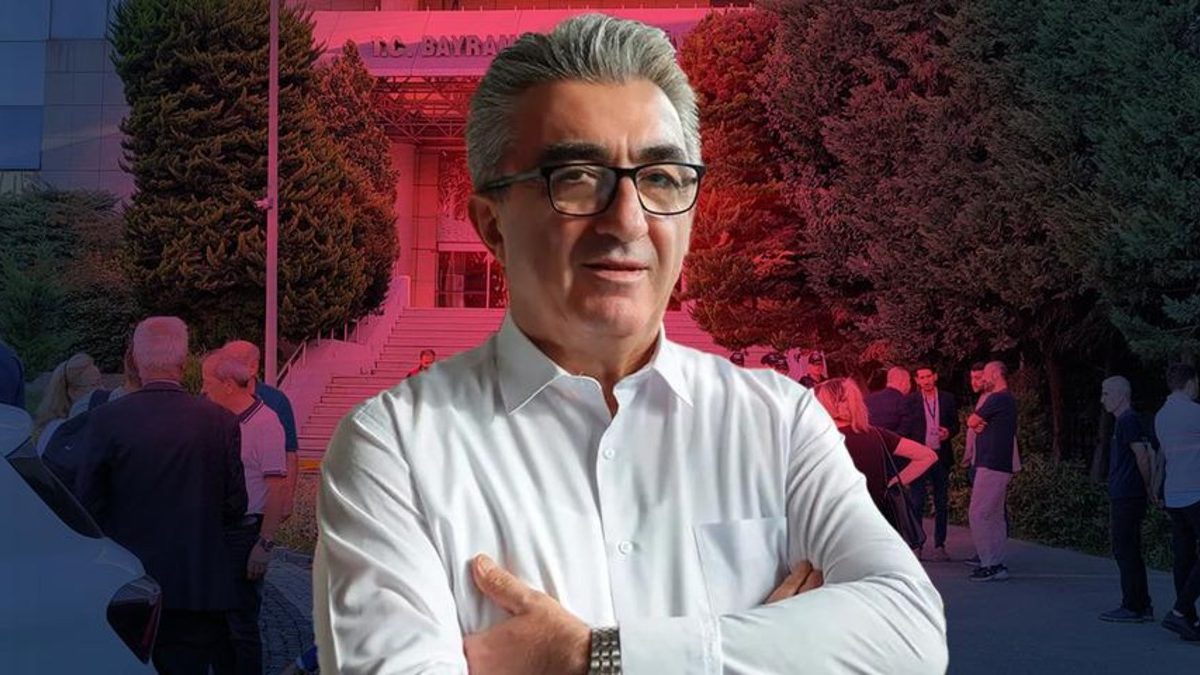 "Turkey: Erdogan's police arrest opposition mayor Hasan Mutlu, dozens officials in corruption probe")
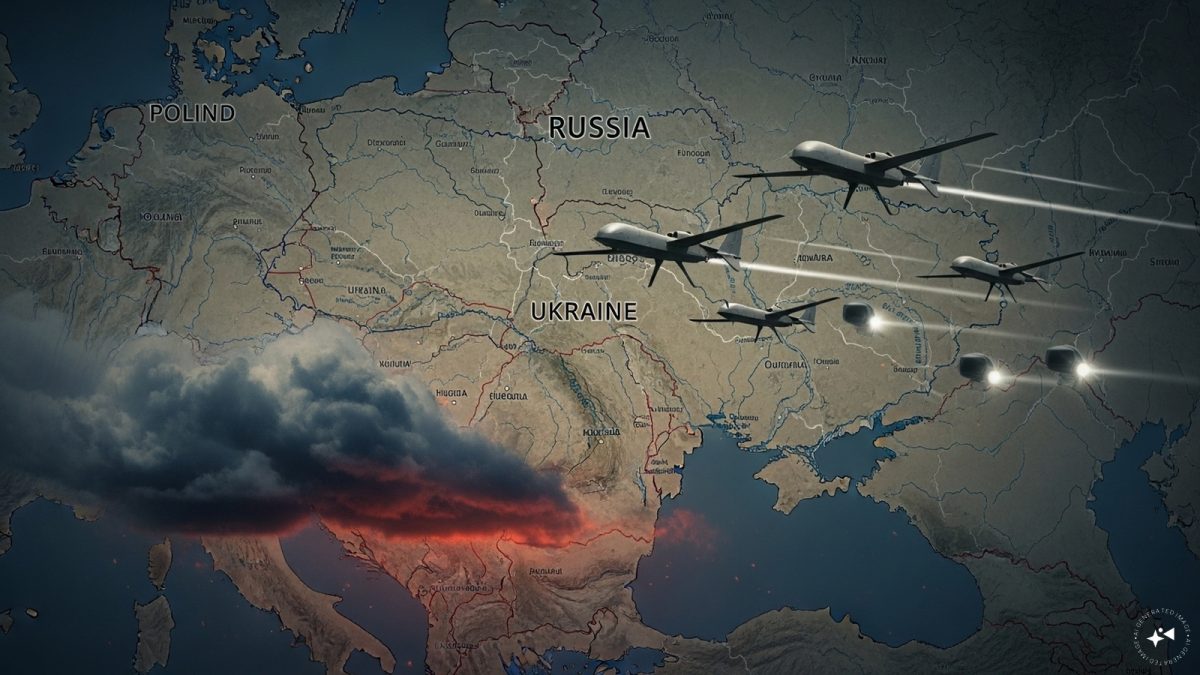 "Russian drones over Poland: Trump’s tepid reaction a wake-up call for Nato?")
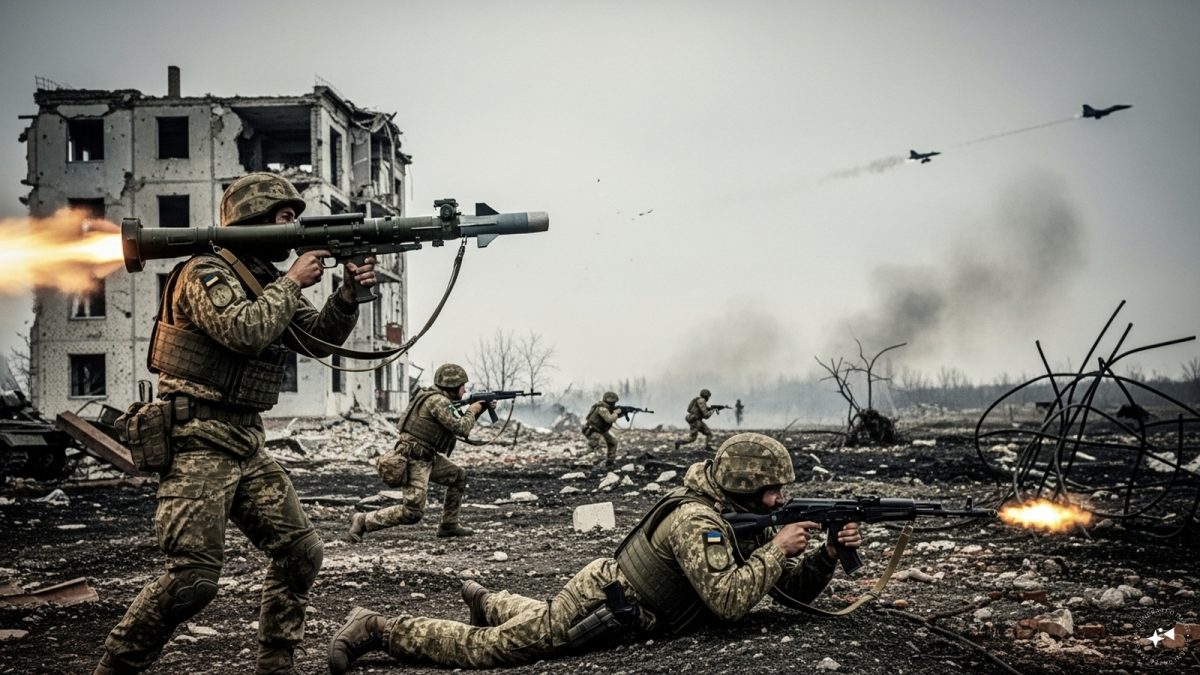 "As Russia pushes east, Ukraine faces mounting pressure to defend its heartland")
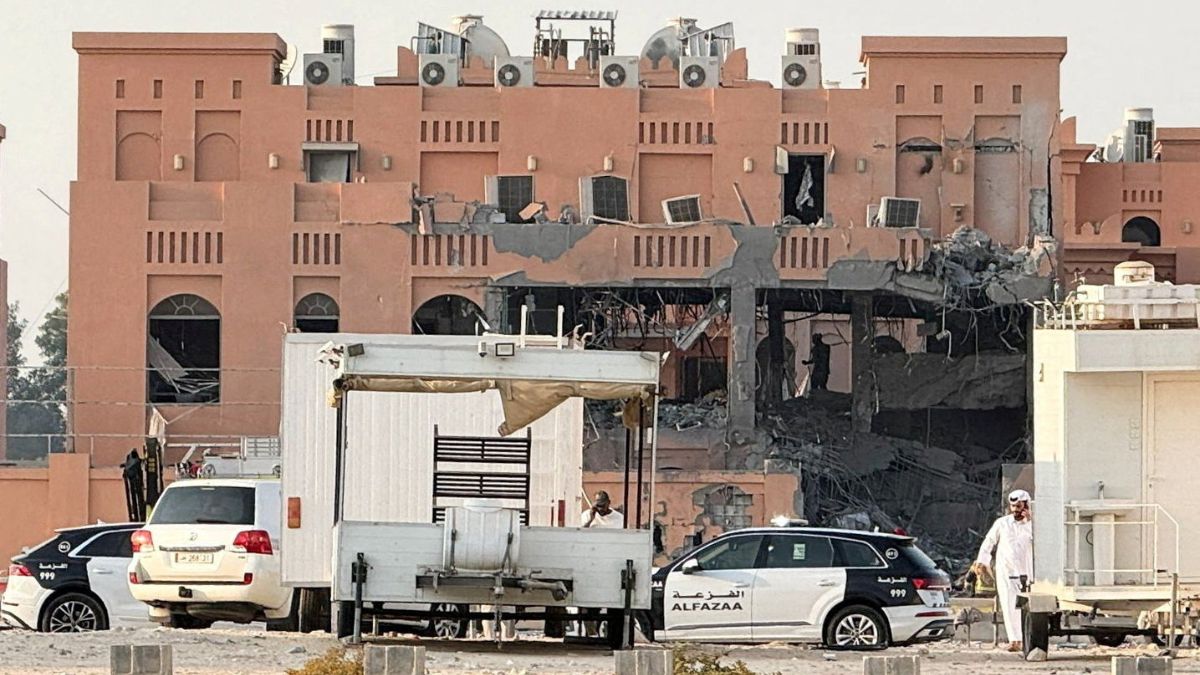 "Why Mossad was not on board with Israel’s strike on Hamas in Qatar")
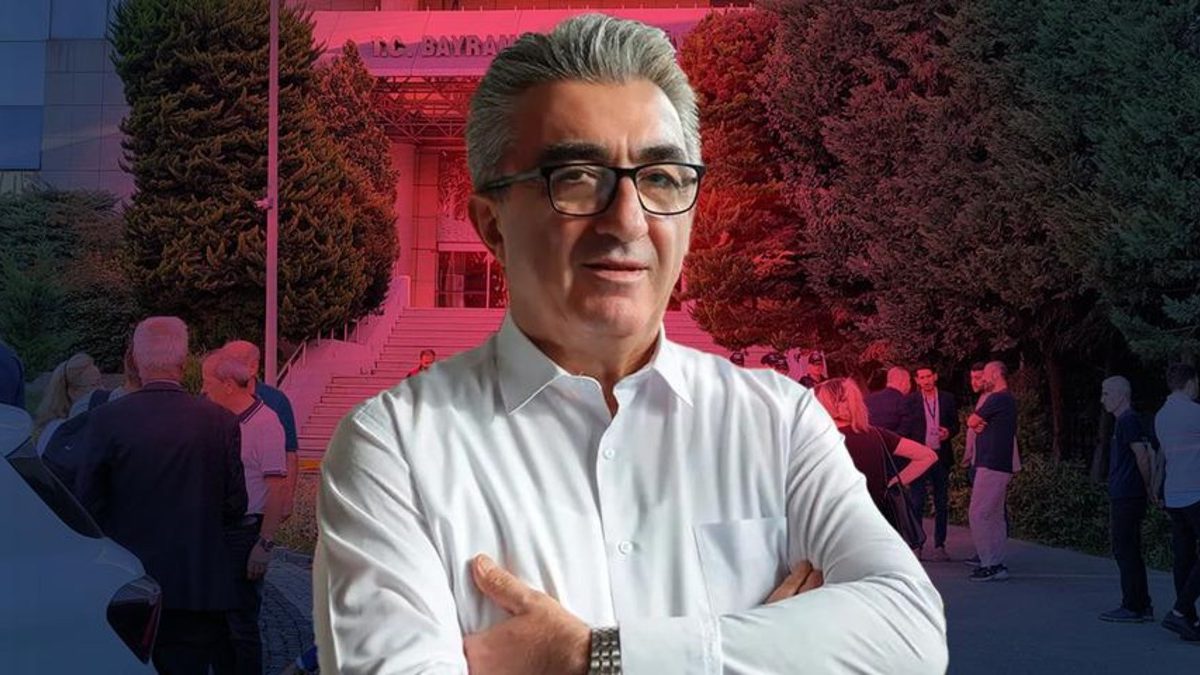 "Turkey: Erdogan's police arrest opposition mayor Hasan Mutlu, dozens officials in corruption probe")



