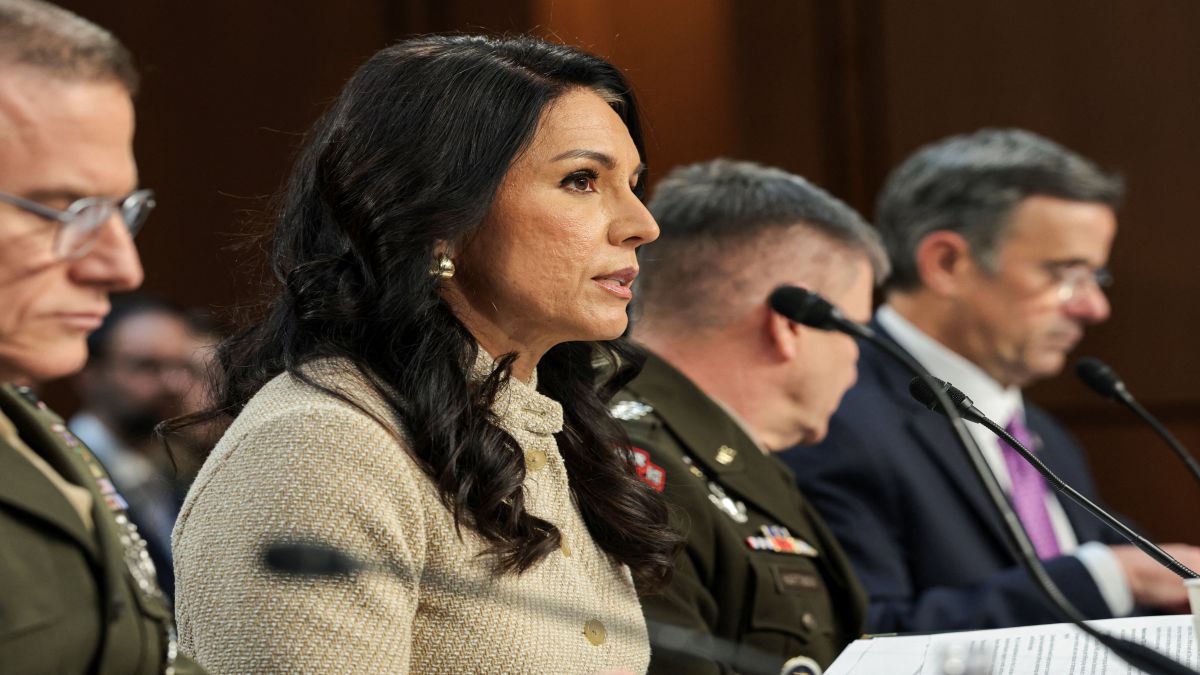
 "Trump says intel chief Tulsi Gabbard 'softer' than him on Iran nuclear issue")
US President Donald Trump has acknowledged differences within his own administration over how to handle Iran’s nuclear programme, saying his intelligence chief, Tulsi Gabbard, takes a comparatively softer approach even as he maintains confidence in her leadership.
Speaking to reporters aboard Air Force One, Trump said Gabbard was “softer” than him on the issue of Iran’s nuclear ambitions. Despite the difference, Trump made it clear he still backs his Director of National Intelligence. When asked if he retained confidence in her, he responded affirmatively, signalling that the disagreement does not reflect a broader breakdown within the administration.
The remarks come at a time when Washington is balancing military pressure with diplomatic outreach, and messaging around Iran’s nuclear capabilities has remained somewhat mixed.
Follow our live coverage on the Iran war here.
Tough stance on Iran’s nuclear ambitions
Trump reiterated his hardline position that Iran must not be allowed to develop nuclear weapons, stressing his strong opposition to Tehran acquiring such capabilities.
At the same time, he hinted that a potential agreement with Iran could be within reach, even as the US continues its joint campaign with Israel targeting Iranian assets.
“I think we’ll make a deal with them, I’m pretty sure, but it’s possible we won’t,” Trump said, reflecting both optimism and uncertainty surrounding ongoing diplomatic efforts.
Quick Reads
View AllGabbard, for her part, has taken a more measured line in recent public remarks. She told lawmakers the US has “high confidence” in its understanding of Iran’s uranium stockpile locations, but stopped short of discussing whether the threat was immediate or how it might be neutralised.
Her stance aligns with a broader caution within parts of the administration and intelligence community about escalating the conflict or overstating the immediacy of the threat.
The divide is also reflected in wider political circles. Some senior Republicans, including Vice President JD Vance, have expressed concerns about the potential domestic and economic costs of a prolonged conflict.
War backdrop shapes policy tone
The comments come against the backdrop of an intensifying US-Israel campaign against Iran, now stretching into its second month.
As military operations continue and diplomatic channels remain open, Trump’s remarks highlight the balancing act within his administration, between pursuing a hardline deterrence strategy and leaving room for negotiation.

 "Iran War Live Updates: Israel strikes Tehran as Trump says Iran deal could be reached 'soon'")
 "Why have Yemen’s Houthis entered the West Asia war now?")
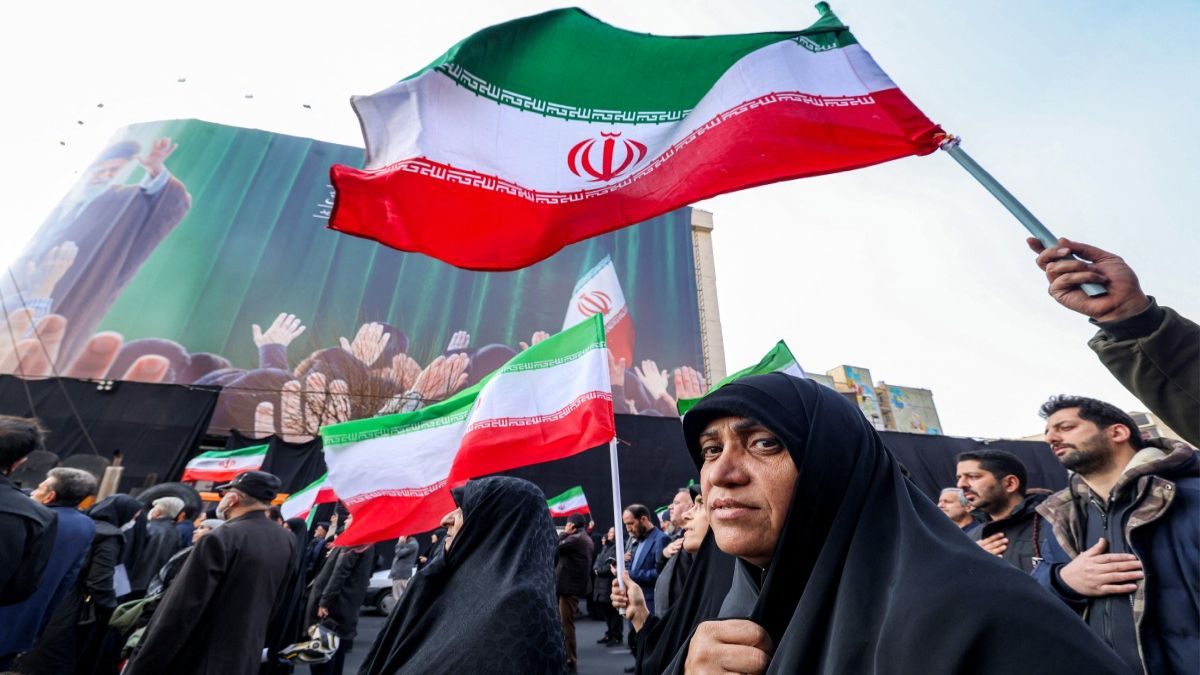 "Marines arrive, Houthis join, aluminum plants hit: Iran war is widening faster than diplomacy can contain it")
 "India-Canada ties 're-normalising': India's former envoy says was 'treated like a criminal' during Nijjar crisis")
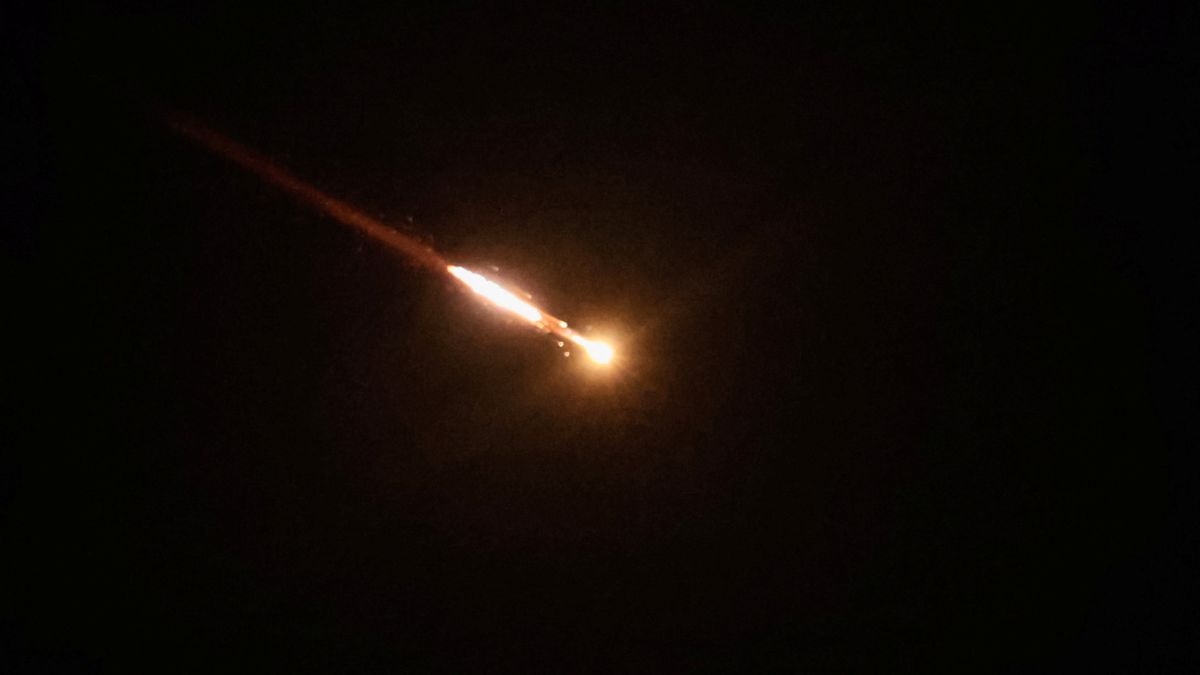 "Iran War Live Updates: Israel strikes Tehran as Trump says Iran deal could be reached 'soon'")
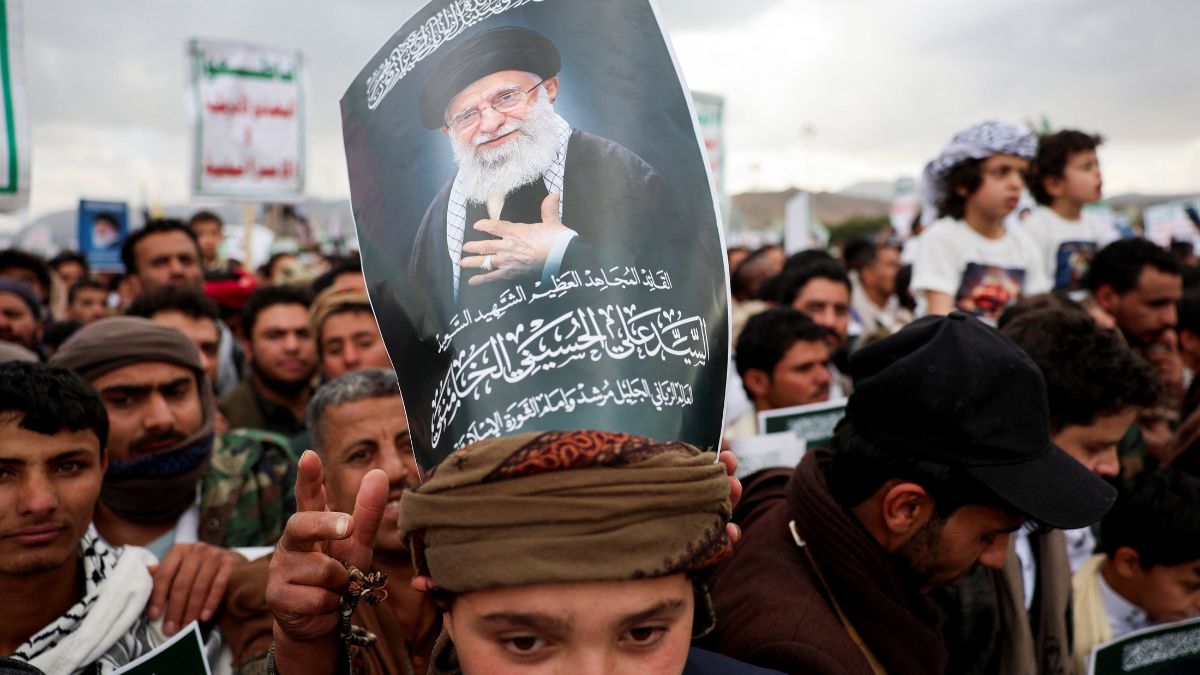 "Why have Yemen’s Houthis entered the West Asia war now?")
 "Marines arrive, Houthis join, aluminum plants hit: Iran war is widening faster than diplomacy can contain it")
 "India-Canada ties 're-normalising': India's former envoy says was 'treated like a criminal' during Nijjar crisis")