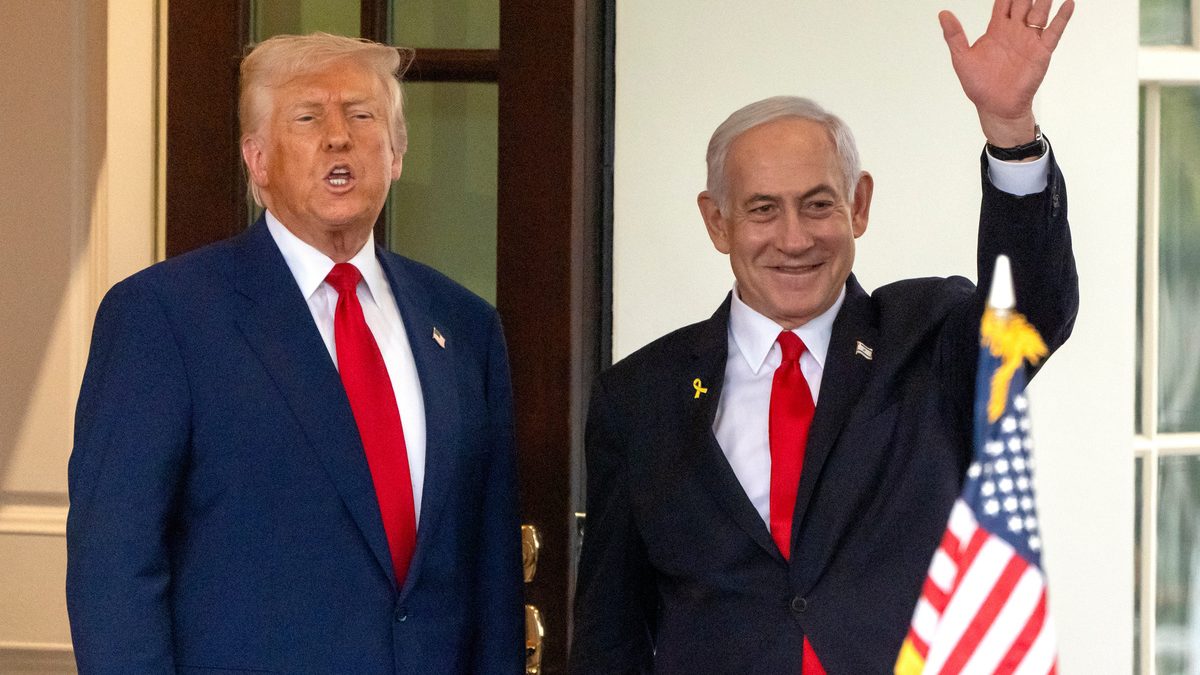
 "Trump greenlit Iran strikes after Netanyahu urged joint move to kill Ali Khamenei: Report")
US President Donald Trump held a phone call with Israeli PM Benjamin Netanyahu less than 48 hours before the February 28 US-Israeli strikes on Iran, during which Netanyahu pushed for a joint operation to kill Ayatollah Ali Khamenei, according to an exclusive Reuters report.
Intelligence had indicated that the late Supreme Leader Ayatollah Ali Khamenei and his close aides would be gathered at a single location, giving a rare opportunity for what officials described as a “decapitation strike.”
By the time of the call, Trump had already signed off on the idea of military action, though the timing and extent of US involvement were still being worked out, sources familiar with the discussions told Reuters.
Follow Firstpost’s live coverage on the Iran war here.
From hesitation to escalation
The developments are particularly important given that Trump had earlier campaigned against getting the US entangled in prolonged West Asia wars. However, rising tensions with Iran, stalled nuclear talks, and Israeli pressure appear to have shifted that stance.
Reports suggest Netanyahu argued that eliminating Khamenei could significantly weaken Iran’s leadership and potentially alter the course of the conflict.
While Israeli leadership reportedly viewed the operation as a strategic opportunity, the aftermath has been far more complex. Instead of immediate regime change, Iran’s power structure remained intact, with leadership transitioning quickly.
Quick Reads
View AllThe conflict has since spiralled, impacting global oil markets and raising fears of a broader regional war, especially around critical routes like the Strait of Hormuz.
War, diplomacy and mixed signals
Even as military action intensified, there have been conflicting signals about diplomacy. The US has indicated openness to negotiations, while Iranian officials have publicly denied direct talks.
Backchannel efforts involving regional players have attempted to ease tensions, but uncertainty continues to define the situation.

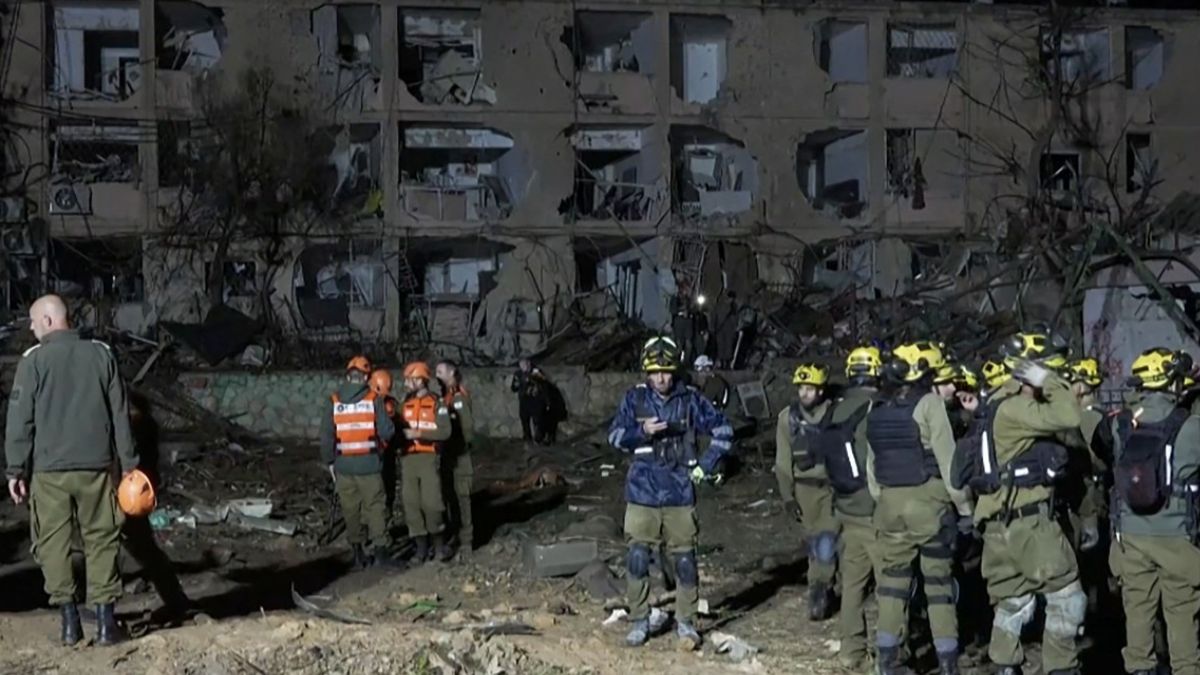 "Iran Israel War Live Updates: Iranian professor, 2 children killed in strike on Tehran home")
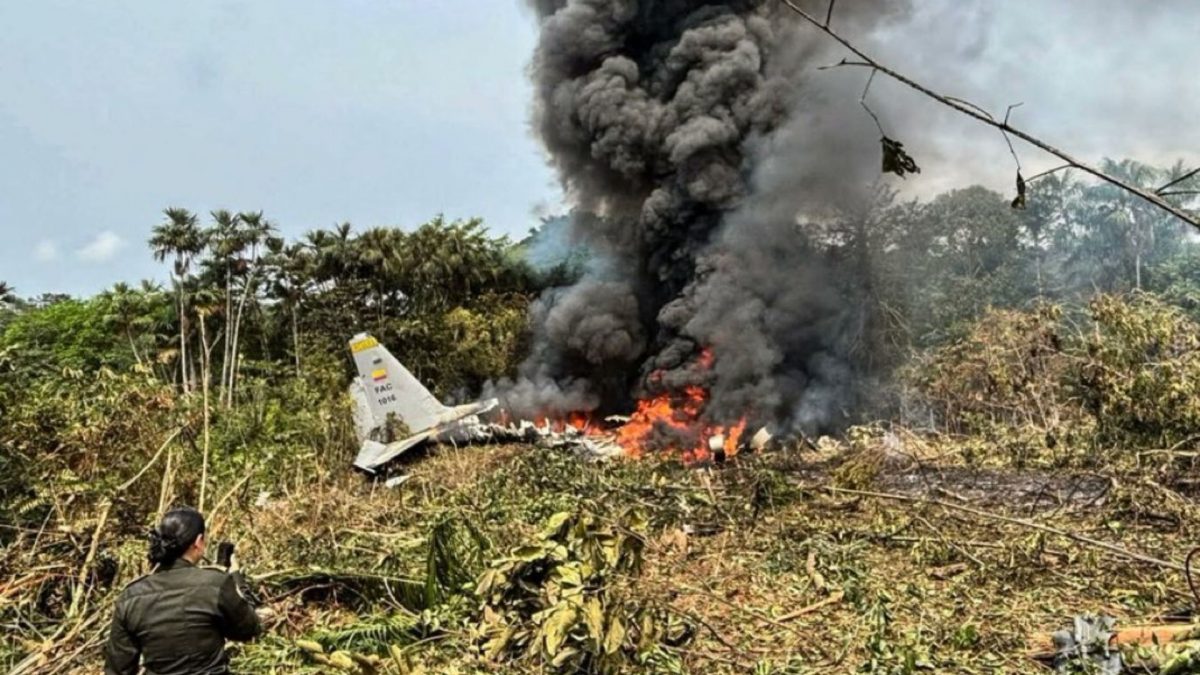 "Colombia military plane crashes after takeoff, 66 dead, dozens injured")
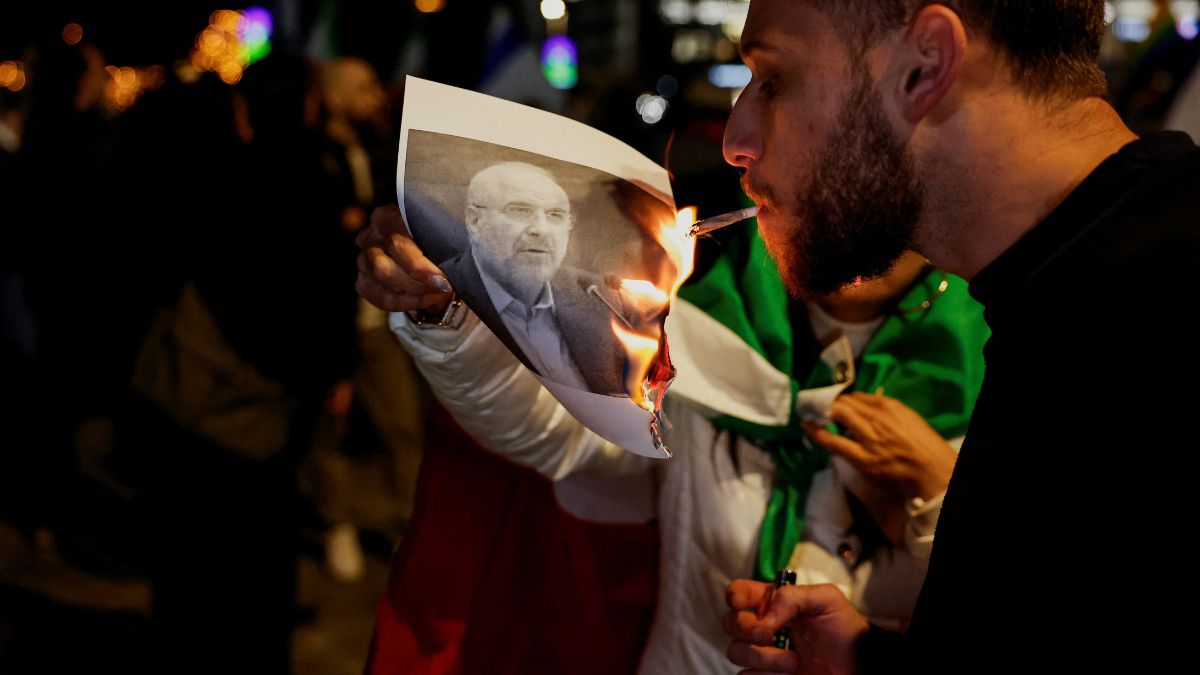 "Who is Mohammad Bagher Ghalibaf, Iran's strongman in the spotlight after Trump's pause on strikes?")
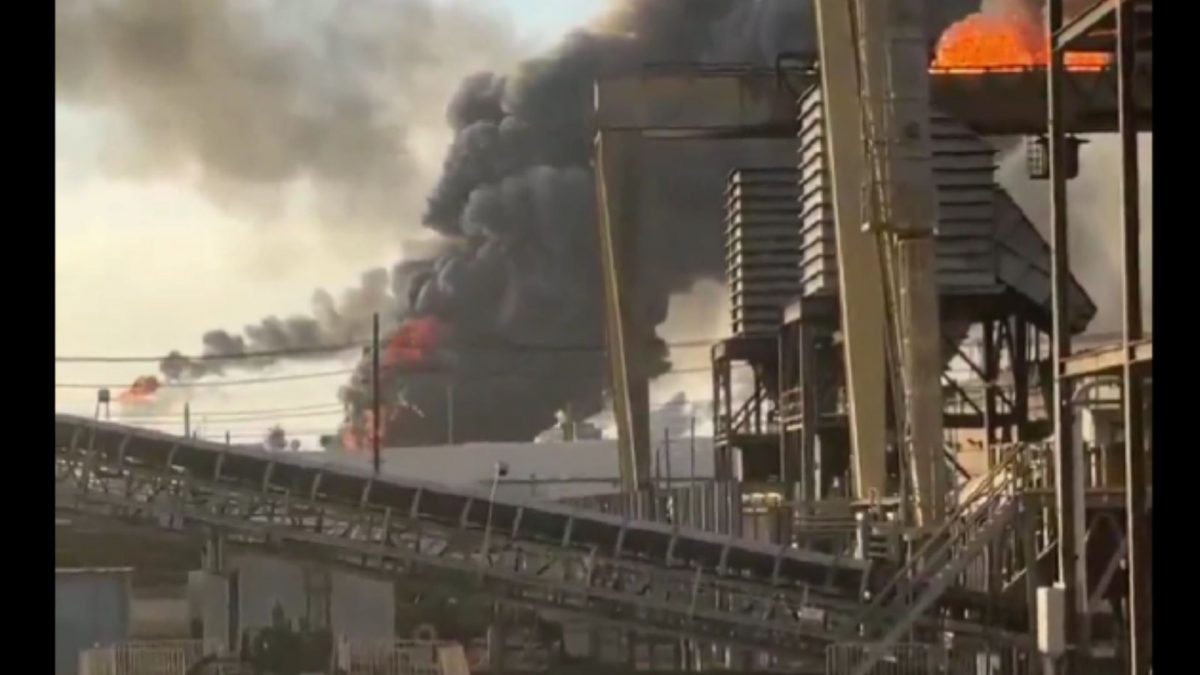 "Powerful blast hits Valero oil refinery in Texas, intense flames and dense smoke rise from complex | Watch")
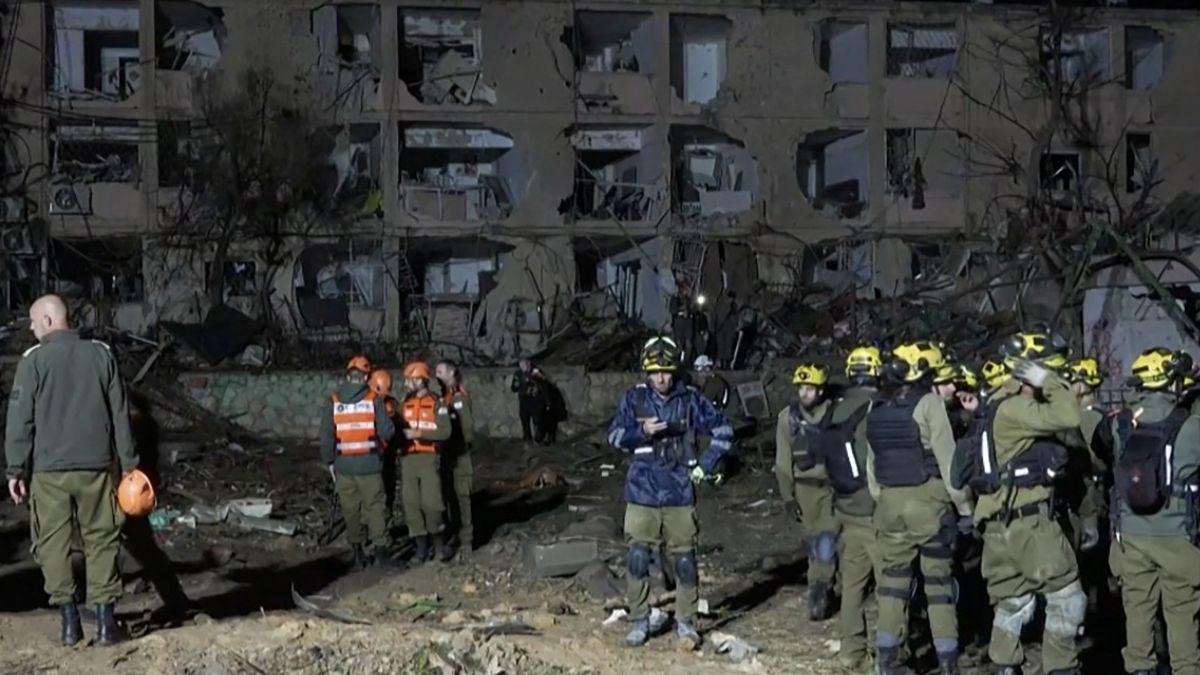 "Iran Israel War Live Updates: Iranian professor, 2 children killed in strike on Tehran home")
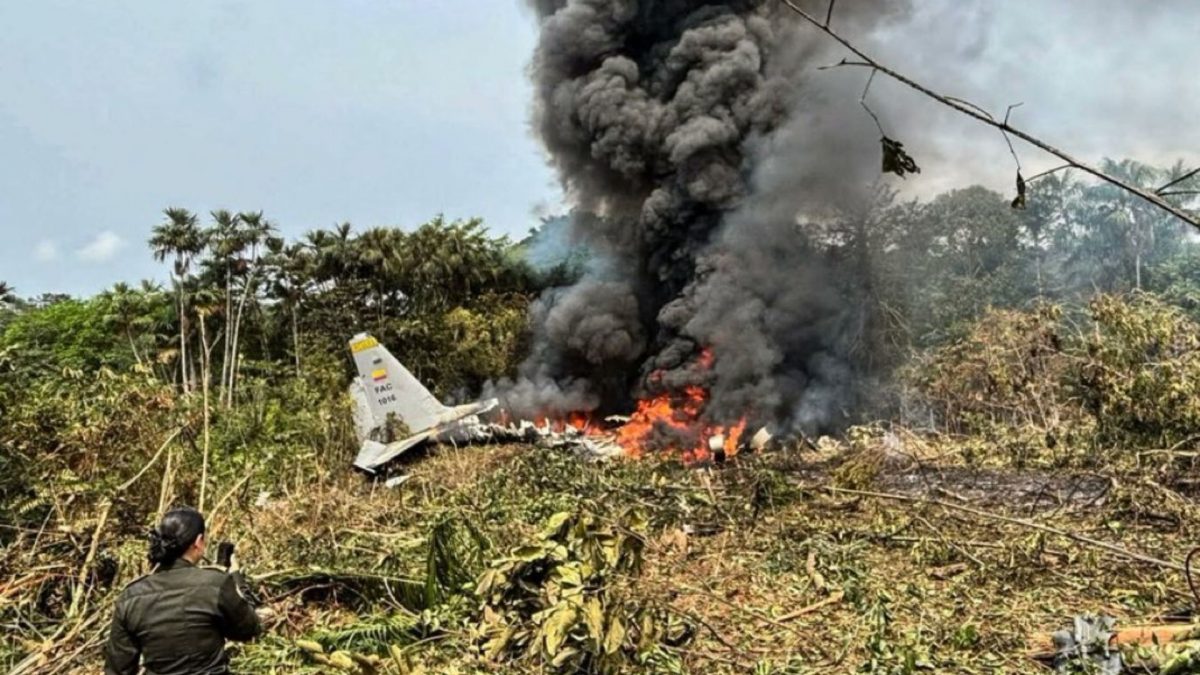 "Colombia military plane crashes after takeoff, 66 dead, dozens injured")
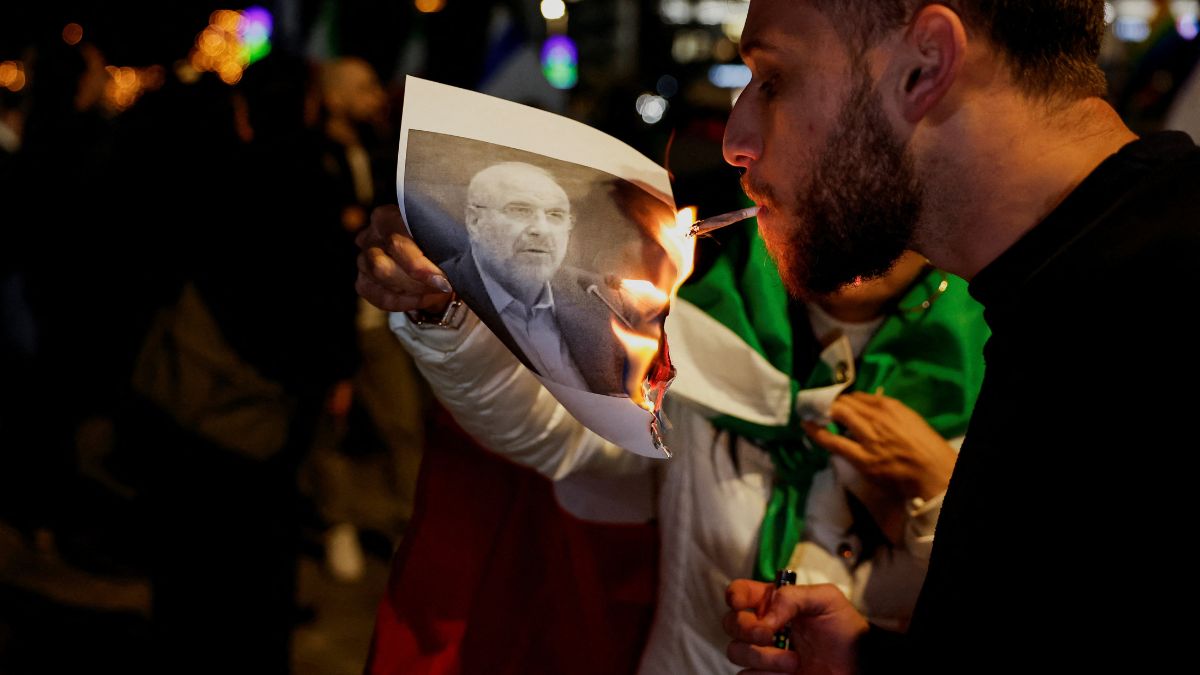 "Who is Mohammad Bagher Ghalibaf, Iran's strongman in the spotlight after Trump's pause on strikes?")
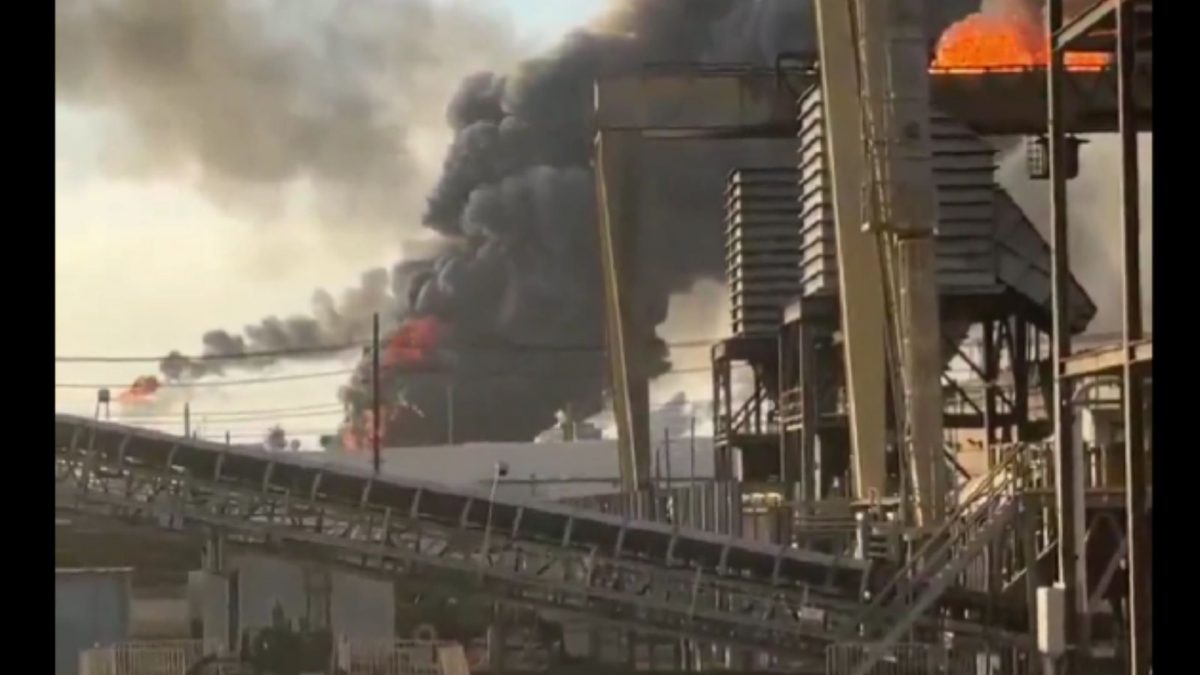 "Powerful blast hits Valero oil refinery in Texas, intense flames and dense smoke rise from complex | Watch")