

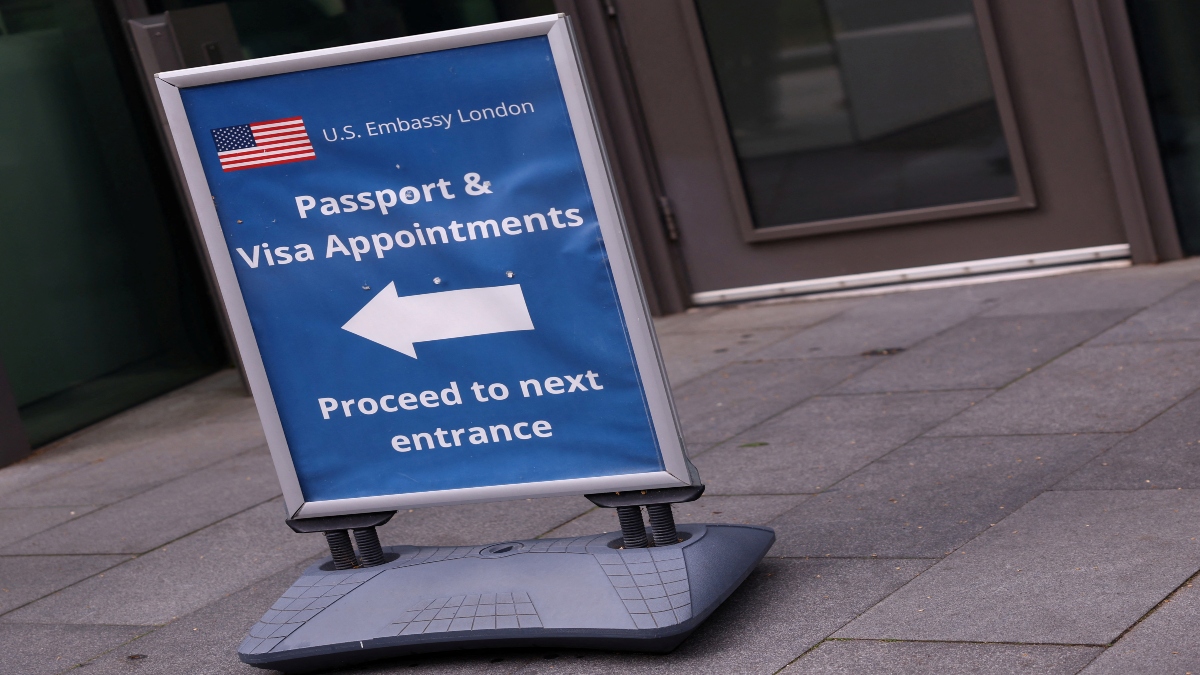
 "Trump admin tightens H-1B visa screening, targets applicants involved in 'censorship' of free speech")
The Trump administration on Wednesday announced stricter vetting for H-1B visa applicants, targeting foreign workers involved in “censorship” of free speech, according to a Reuters report, citing an internal State Department memo.
H-1B visas, which allow US employers to hire highly skilled foreign workers, are vital for technology companies that recruit heavily from countries including India and China. Many leaders of these firms had supported Trump in the previous presidential election.
The memo, sent to all US missions on December 2, instructs consular officers to scrutinise resumes and LinkedIn profiles of H-1B applicants — and accompanying family members — to determine whether they have worked in areas such as misinformation, disinformation, content moderation, fact-checking, compliance, and online safety.
“If you uncover evidence an applicant was responsible for, or complicit in, censorship or attempted censorship of protected expression in the United States, you should pursue a finding that the applicant is ineligible,” under a specific article of the Immigration and Nationality Act, Reuters quoted the cable as saying.
Details on the enhanced vetting for H-1B visas, including the focus on censorship and free speech, have not been previously reported.
According to the memo, while all visa applicants are technically subject to the policy, H-1B candidates face closer scrutiny due to their frequent employment in the technology sector, “including in social media or financial services companies involved in the suppression of protected expression.”
“You must thoroughly explore their employment histories to ensure no participation in such activities,” the cable read.
The new vetting requirements apply to both new and repeat applicants.
“We do not support aliens coming to the United States to work as censors muzzling Americans,” Reuters quoted State Department spokesperson as saying, but added that it does not comment on “allegedly leaked documents.”
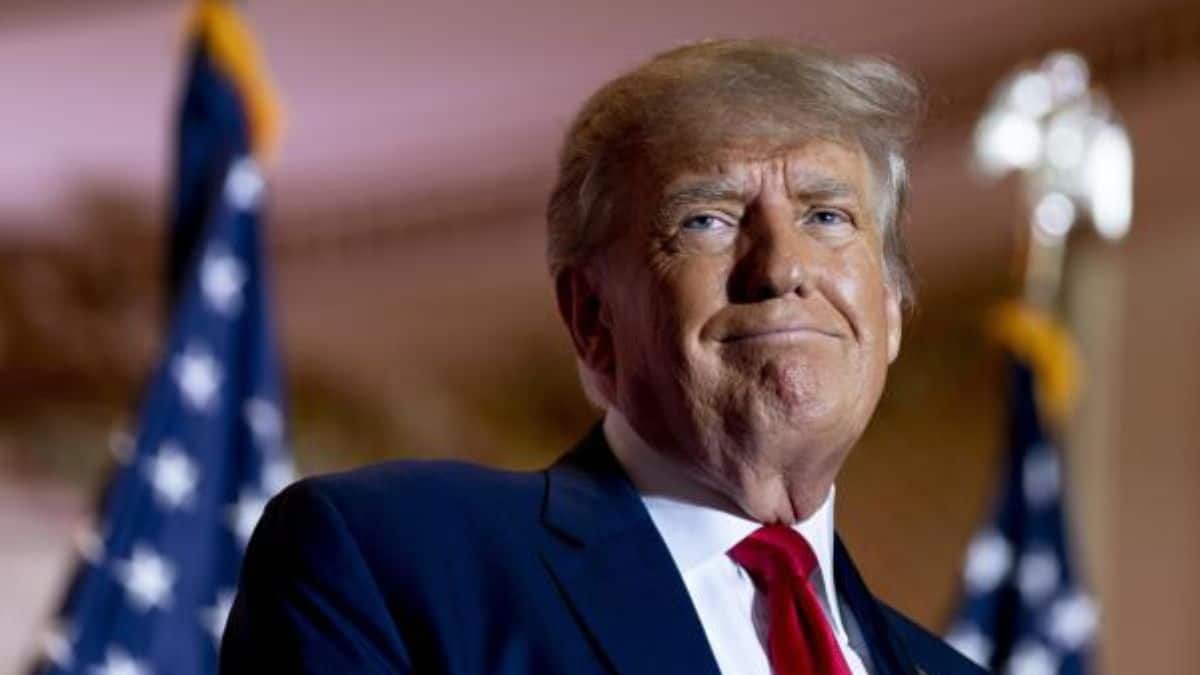
“In the past, the President himself was the victim of this kind of abuse when social media companies locked his accounts. He does not want other Americans to suffer this way. Allowing foreigners to lead this type of censorship would both insult and injure the American people,” the spokesperson said.
Defending free speech
The Trump administration has made defending free speech — particularly what it perceives as the suppression of conservative voices online — a key aspect of its foreign policy.
Quick Reads
View AllOfficials have repeatedly criticised European countries, including Romania, Germany, and France, for allegedly censoring right-wing politicians, claiming that authorities have restricted criticism of immigration under the guise of combating disinformation.
In May, Senator Marco Rubio warned of potential visa bans for individuals who censor Americans on social media and indicated that foreign officials regulating US tech companies could also be affected.
The administration has already tightened vetting for student visas, instructing US consular officers to review applicants’ social media activity for content hostile to the United States.
As part of its broader immigration crackdown, Trump also imposed new fees on H-1B visas in September.
Trump and his Republican allies have repeatedly accused the Biden administration of encouraging online censorship, particularly efforts to curb false claims about vaccines and elections.
With inputs from agencies

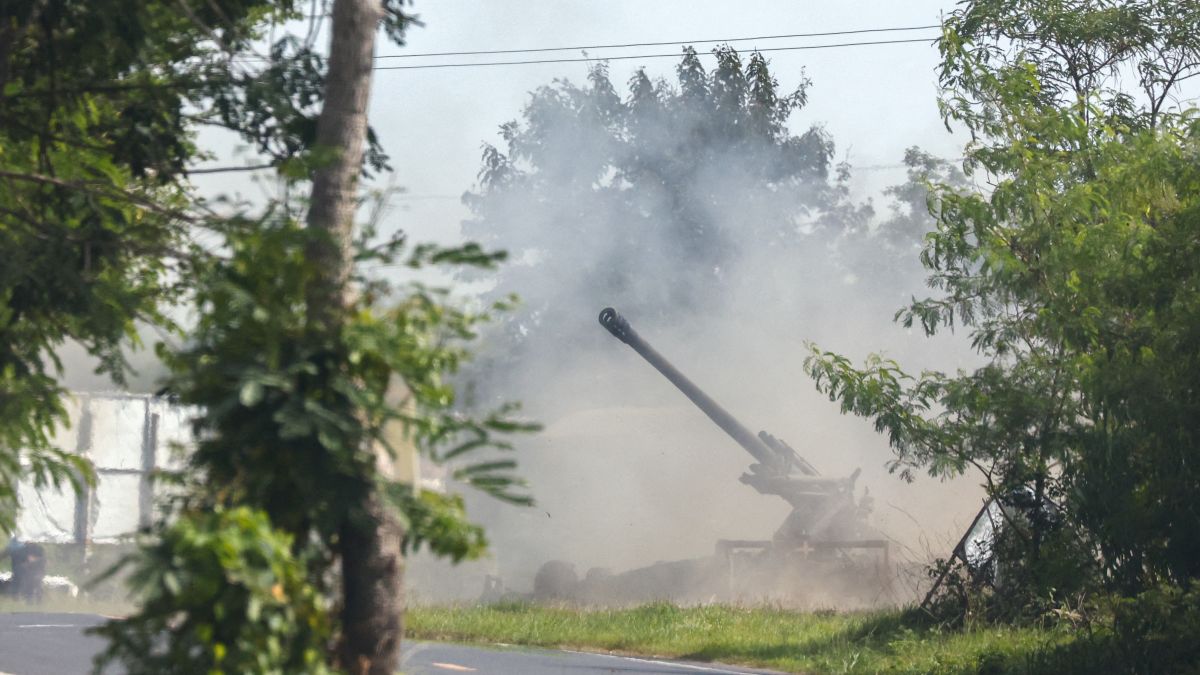 "Thailand launches airstrikes on Cambodia in a setback to Trump's ceasefire deal")
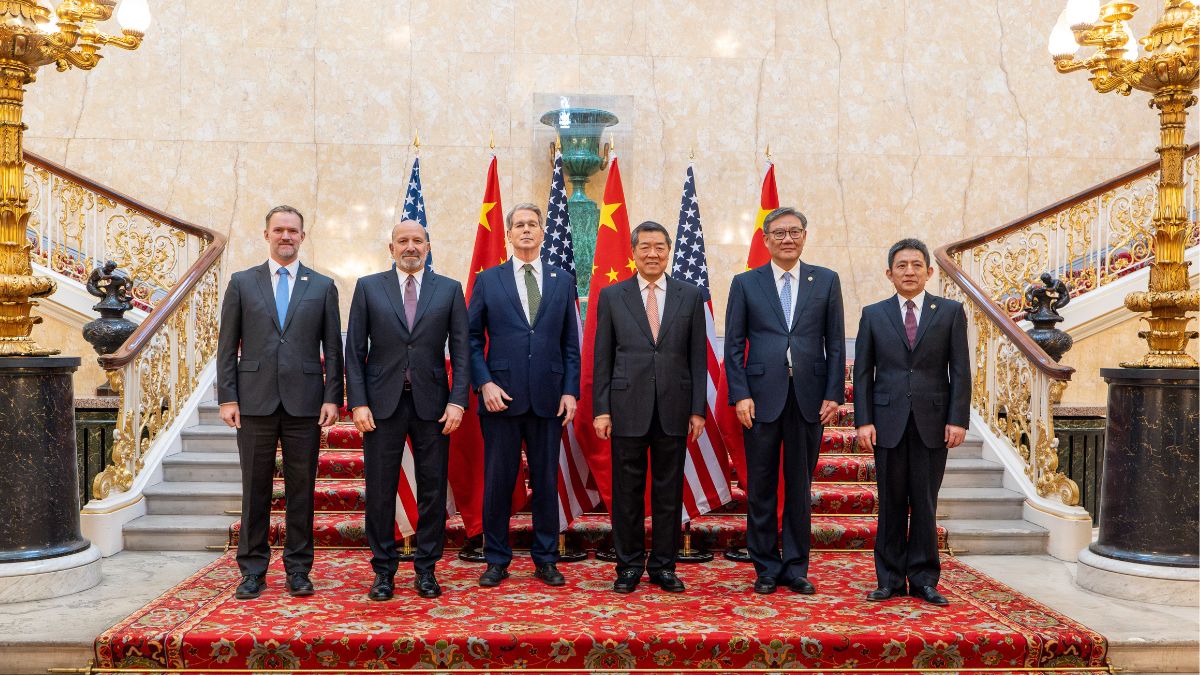 "'With China, it's always we verify': Trump's top aide on trade deal with Beijing")
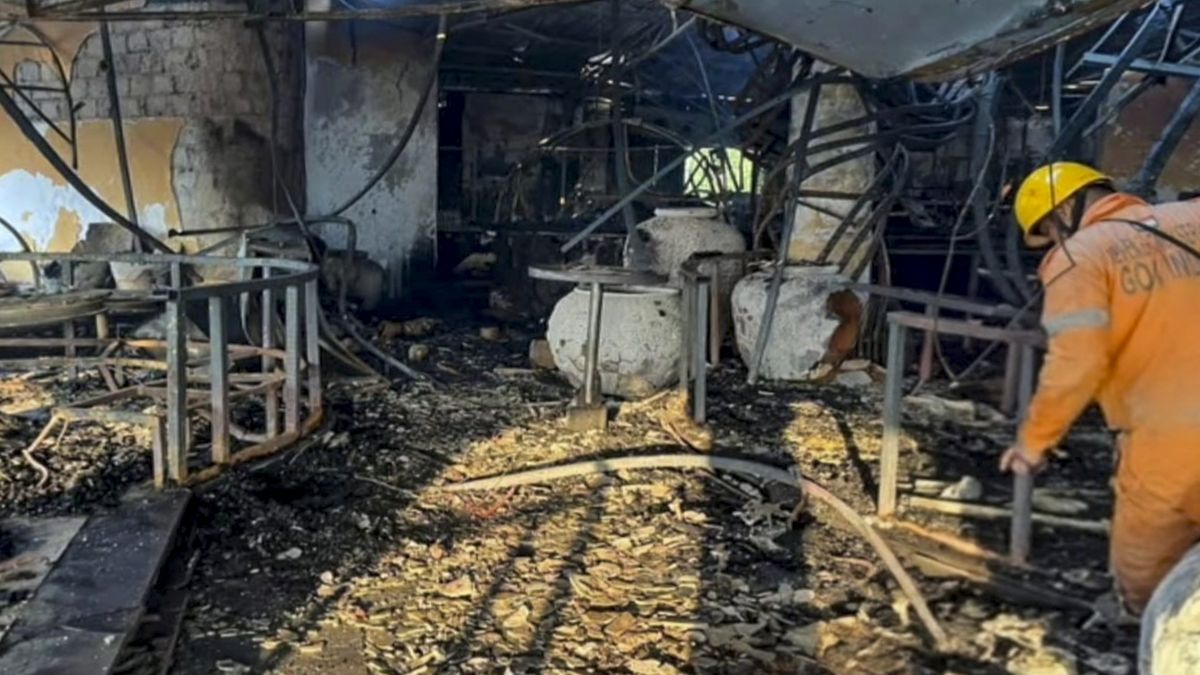 "Why the Goa nightclub fire, which killed 25, was so difficult to contain")
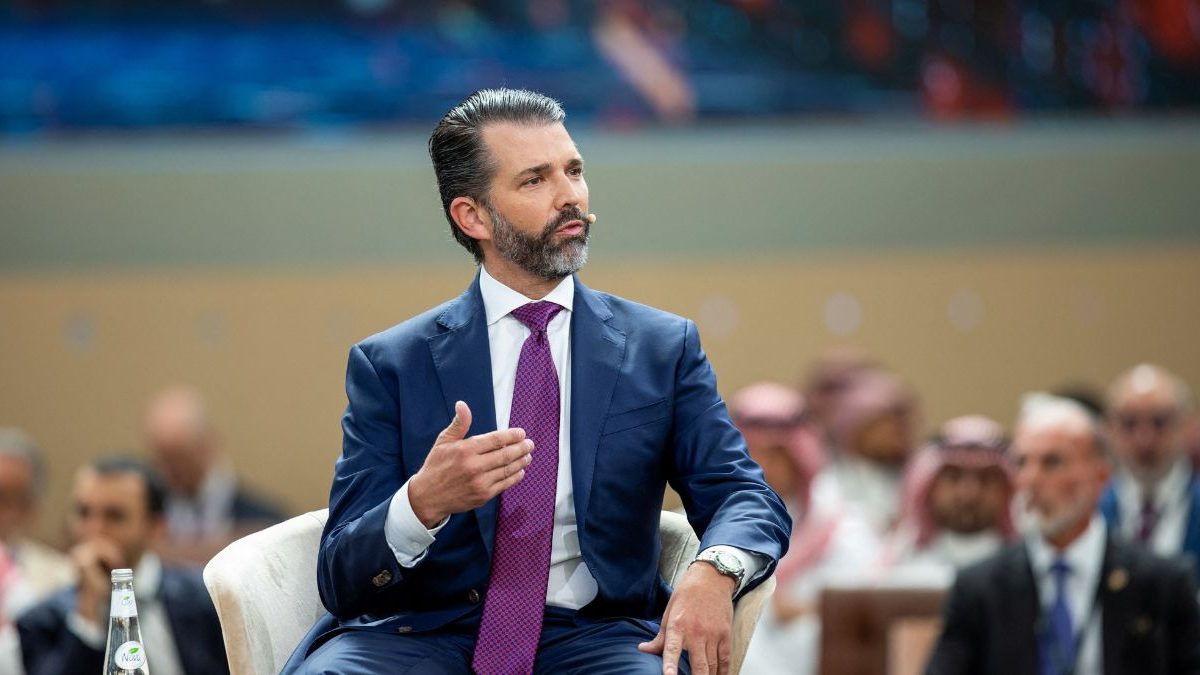 "Donald Trump Jr accuses Zelenskyy of 'prolonging' Ukraine war, hints at US walking away from Kyiv's efforts")
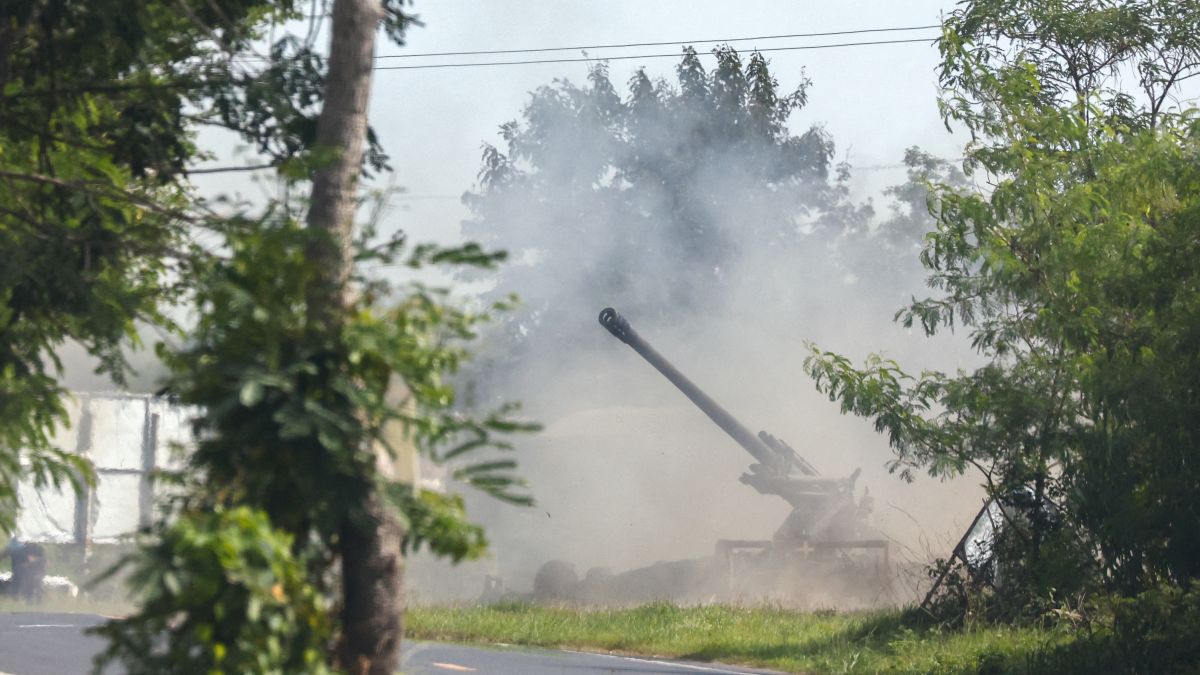 "Thailand launches airstrikes on Cambodia in a setback to Trump's ceasefire deal")
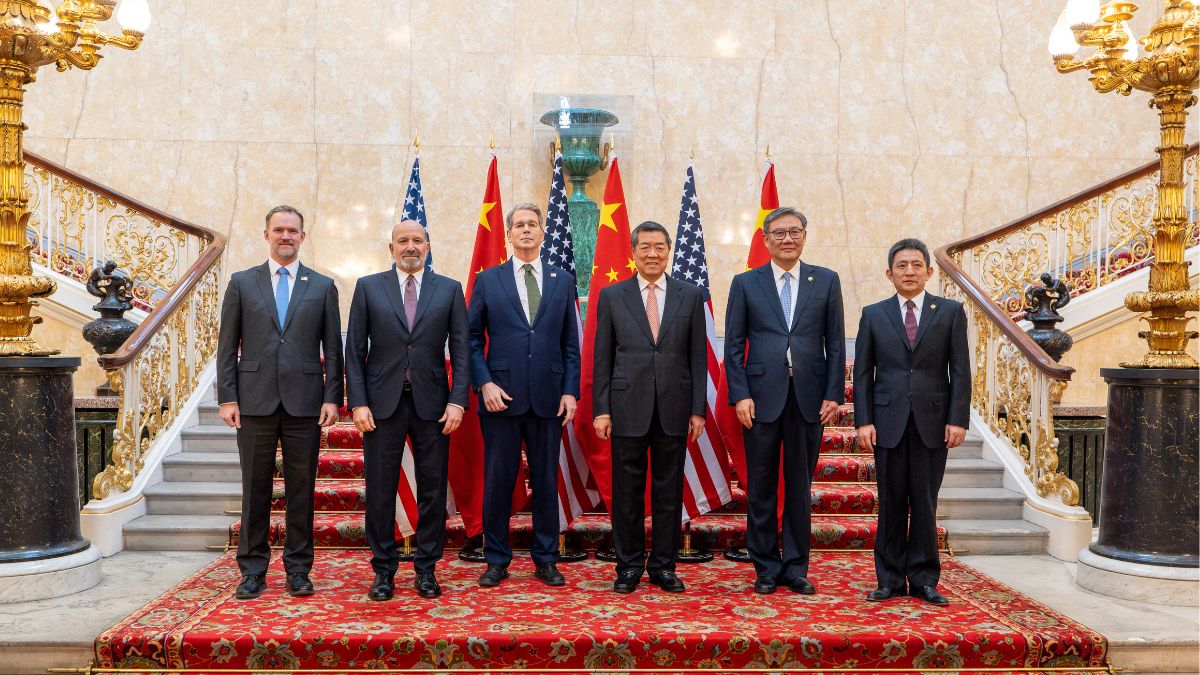 "'With China, it's always we verify': Trump's top aide on trade deal with Beijing")
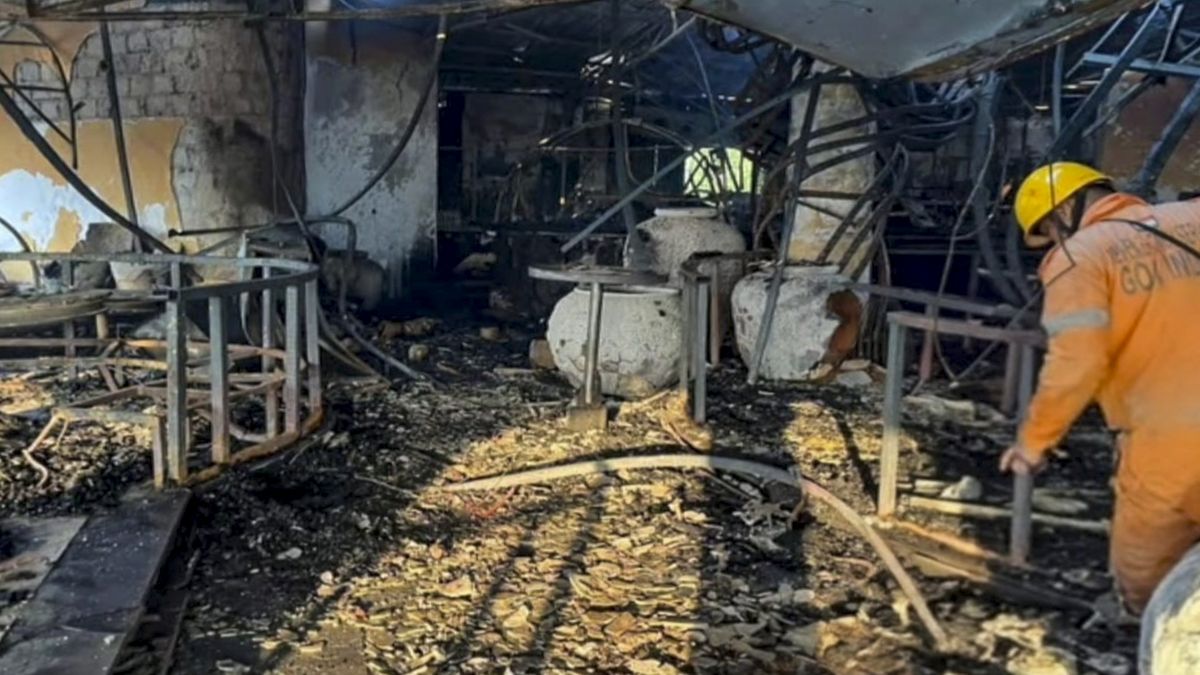 "Why the Goa nightclub fire, which killed 25, was so difficult to contain")
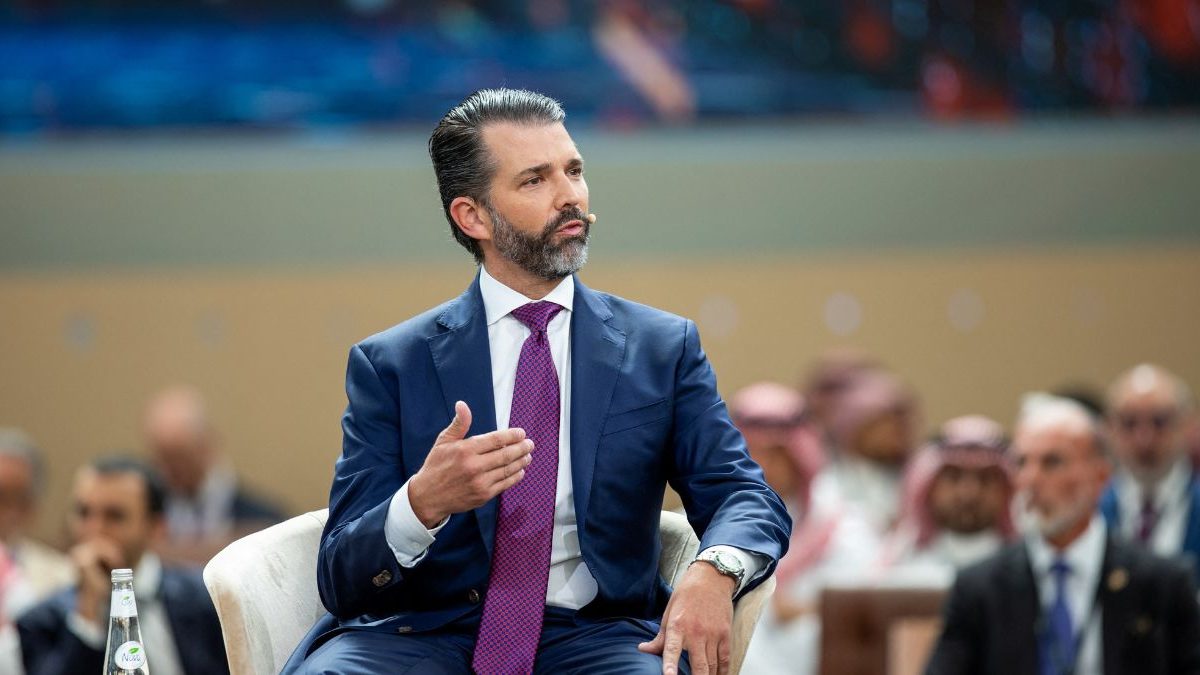 "Donald Trump Jr accuses Zelenskyy of 'prolonging' Ukraine war, hints at US walking away from Kyiv's efforts")



