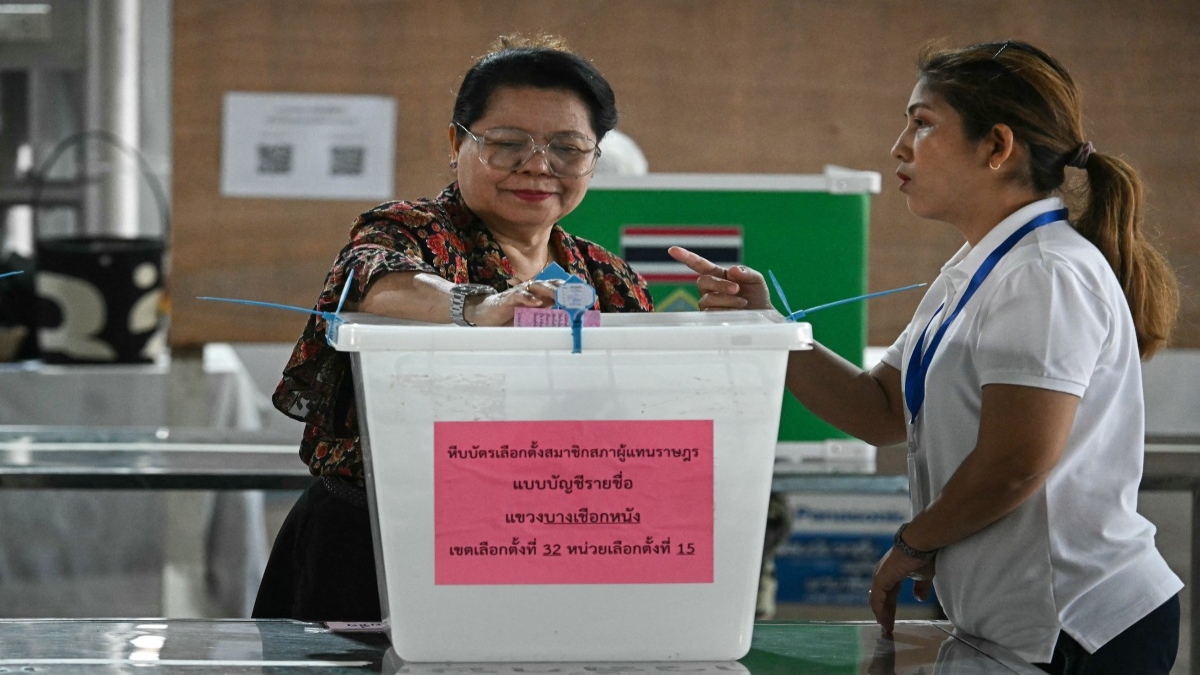
 "Thailand election: Vote counting begins after polls close in tight three-way race")
Vote counting was under way after polls closed in Thailand’s general election on Sunday, with the contest shaping up as a close three-way race and no outright winner expected, raising the likelihood of protracted coalition negotiations.
The progressive People’s Party is widely seen as leading the race and on track to emerge as the single largest party. However, its reformist agenda is not shared by its main rivals, fuelling the prospect that it could once again be sidelined through a post-election alliance aimed at keeping it out of power.
People’s Party seeks mandate
Led by 38-year-old Natthaphong Ruengpanyawut, the People’s Party is the successor to the Move Forward Party, which won the most seats in the 2023 election but was blocked from forming a government by conservative lawmakers before being dissolved by the constitutional court.
“I think we will get the mandate from the people, and we promised the people that we will form the people’s government to bring policies that benefit all, not a few in the country,” Natthaphong told reporters after casting his vote in Bangkok.
The party continues to push for sweeping reforms of the military, police and judiciary, a platform that has resonated with younger and urban voters. At the same time, it has moderated its stance by setting aside calls to amend the strict lèse-majesté law and placing greater emphasis on economic issues, partly due to legal constraints.
Analysts warn that this softer pitch risks eroding its core support, while the party’s criticism of the military has become more politically sensitive amid a surge in nationalist sentiment following border clashes with Cambodia last year.
Quick Reads
View AllBhumjaithai banks on security and patronage
The Bhumjaithai Party, led by Prime Minister Anutin Charnvirakul, is widely viewed as the preferred option of the royalist-military establishment and a leading contender to form the next government.
Anutin, who has been prime minister only since September, dissolved parliament in December and called early elections after facing the threat of a no-confidence vote. Subsequent border tensions with Cambodia allowed him to recast himself as a strong national security leader after his popularity dipped due to floods and financial controversies.
“We have done everything that we had to, but we cannot force the mind of the people. We can only present ourselves, and hope that the people will have faith in us,” Anutin said after voting in Buriram province.
Bhumjaithai’s electoral strength lies in its disciplined grassroots organisation and reliance on traditional patronage politics, particularly in Thailand’s vote-rich northeast.
Thaksin-backed Pheu Thai in the mix
The Pheu Thai Party remains a major force and represents the latest political vehicle associated with billionaire former prime minister Thaksin Shinawatra. Parties linked to Thaksin have staged repeated electoral comebacks over the years, only to be removed from office by courts and state watchdogs.
After softening its political stance ahead of the 2023 election, Pheu Thai was judged an acceptable governing alternative by the conservative establishment and returned to power. It is once again competing for influence, positioning itself between the progressive and conservative camps.
No clear winner expected
More than 50 parties contested the election, but only the People’s Party, Bhumjaithai and Pheu Thai are expected to win enough seats to play a decisive role in government formation. A simple majority in the 500-member House of Representatives is required to select the next prime minister.
With opinion polls indicating that no single party is likely to secure a majority, coalition bargaining now appears inevitable. The final outcome is expected to shape Thailand’s political trajectory at a time of slow economic growth and heightened nationalist sentiment.

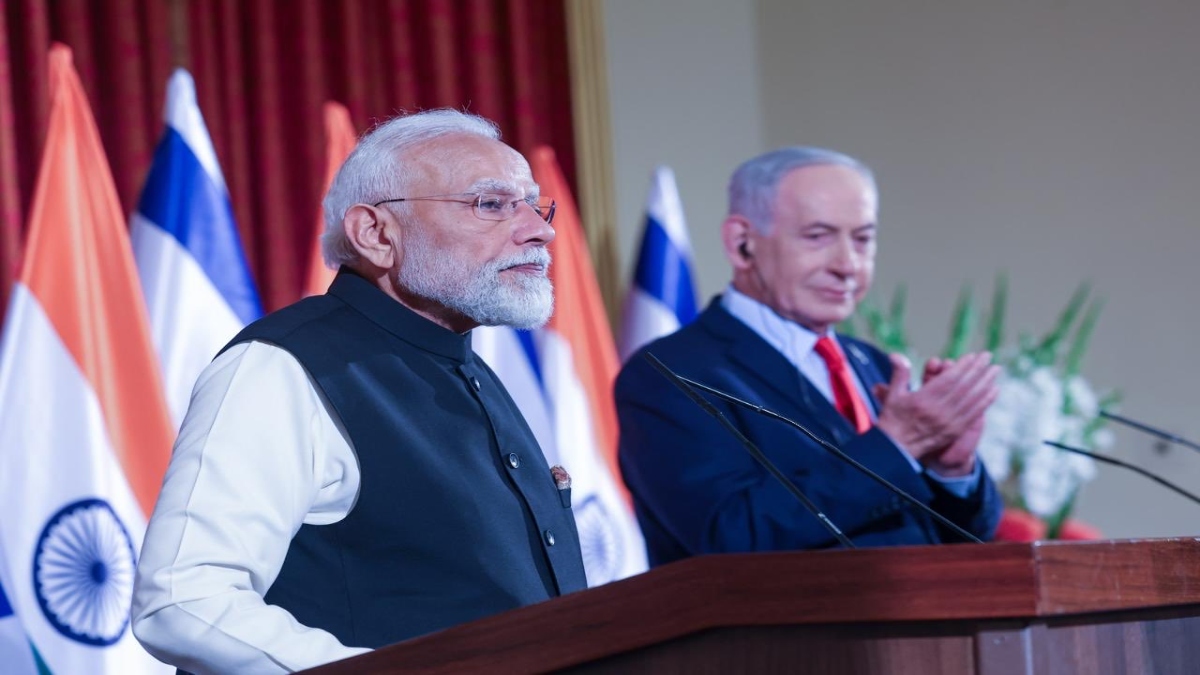 "India, Israel elevate ties to special strategic partnership; PM Modi calls it ‘reflection of aspirations of both nations’")
 "India vs Zimbabwe LIVE Score, T20 World Cup 2026: Kishan falls for 38 after Abhishek completes fifty")
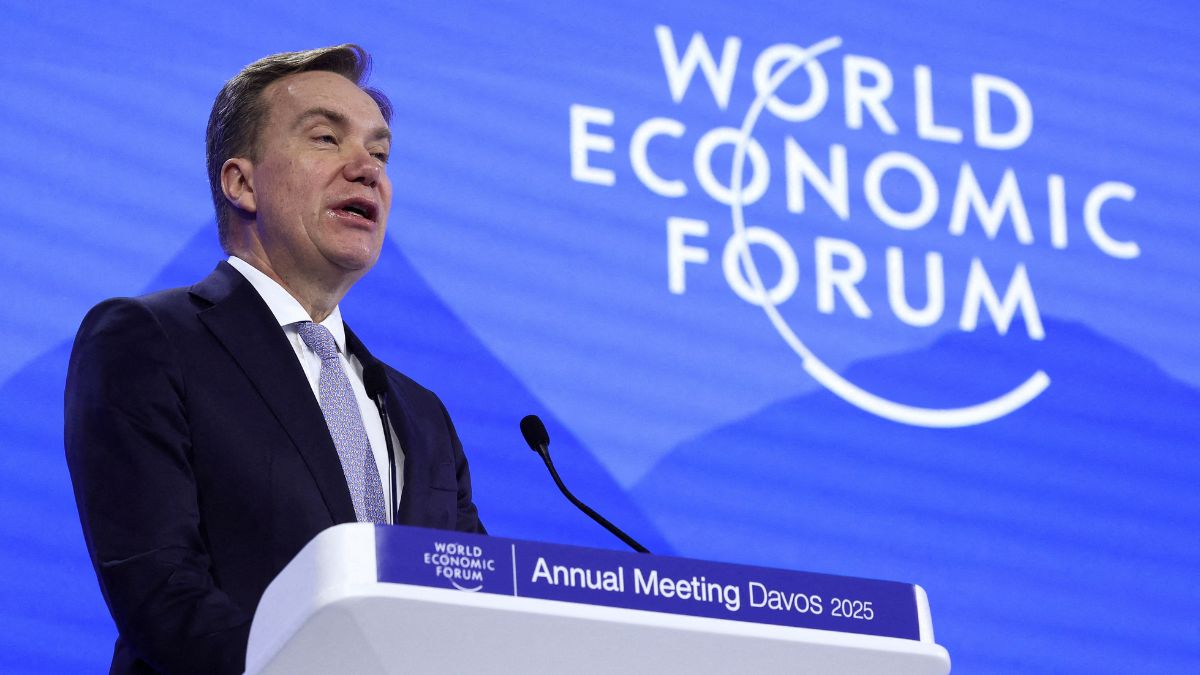 "Who is Borge Brende, World Economic Forum chief who quit over Epstein files?")
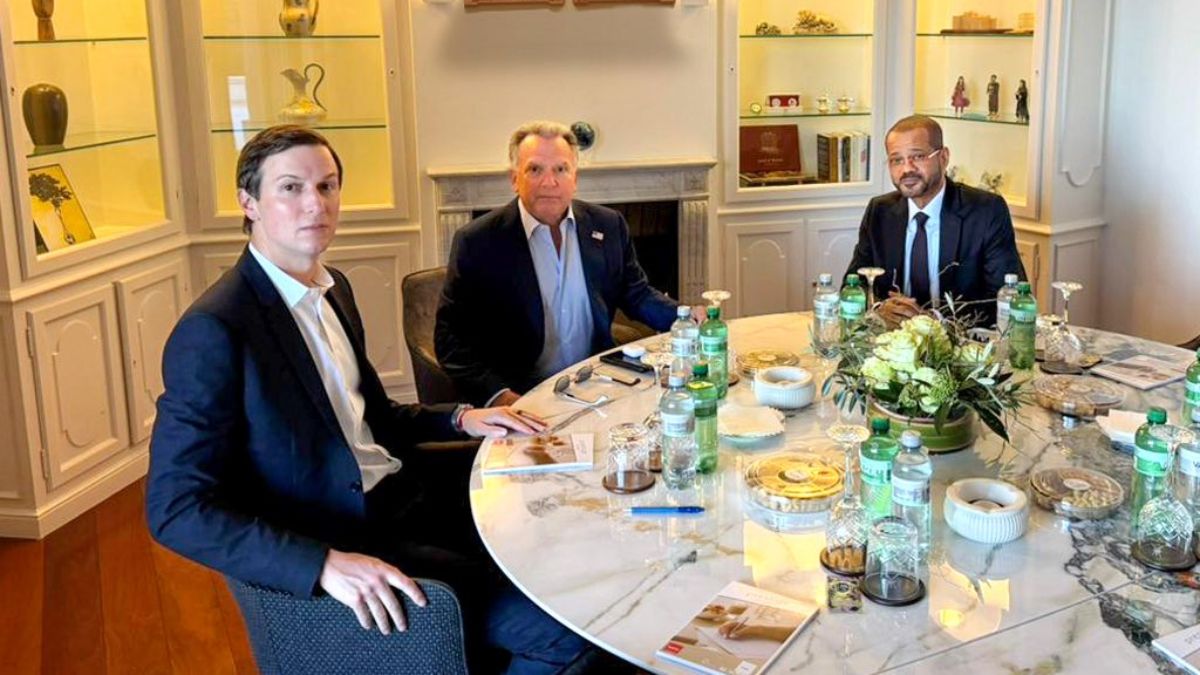 "US-Iran tension: Third round of nuclear talks begin in Geneva — can it avoid war?")
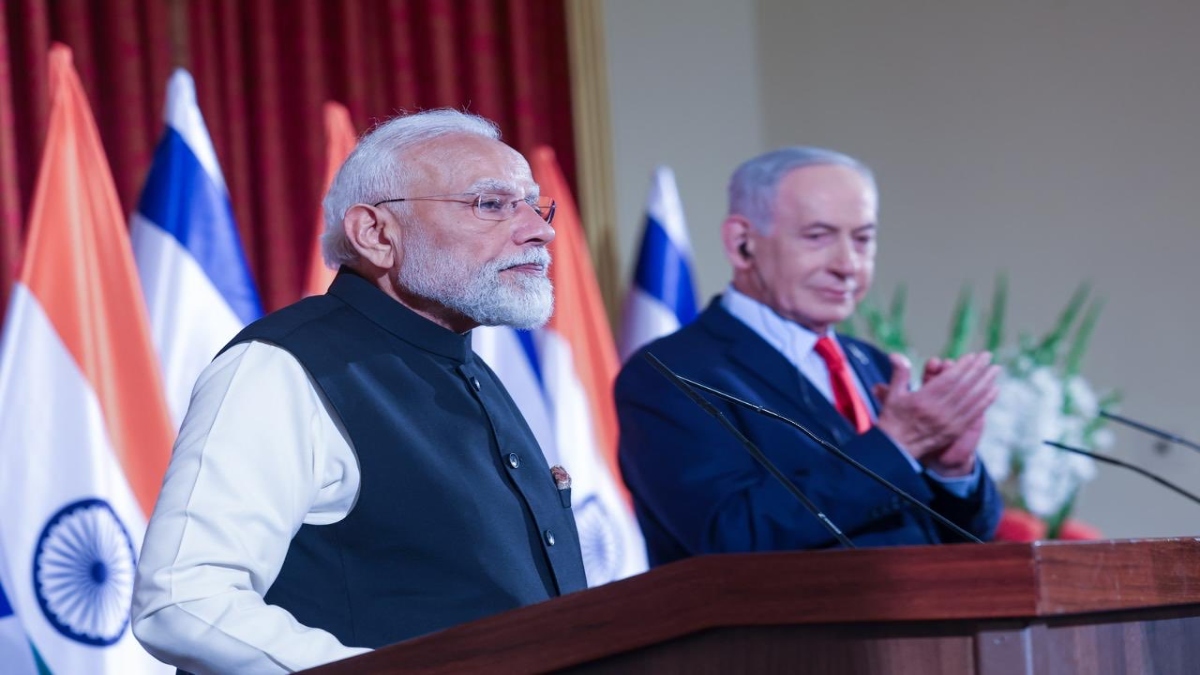 "India, Israel elevate ties to special strategic partnership; PM Modi calls it ‘reflection of aspirations of both nations’")
 "India vs Zimbabwe LIVE Score, T20 World Cup 2026: Kishan falls for 38 after Abhishek completes fifty")
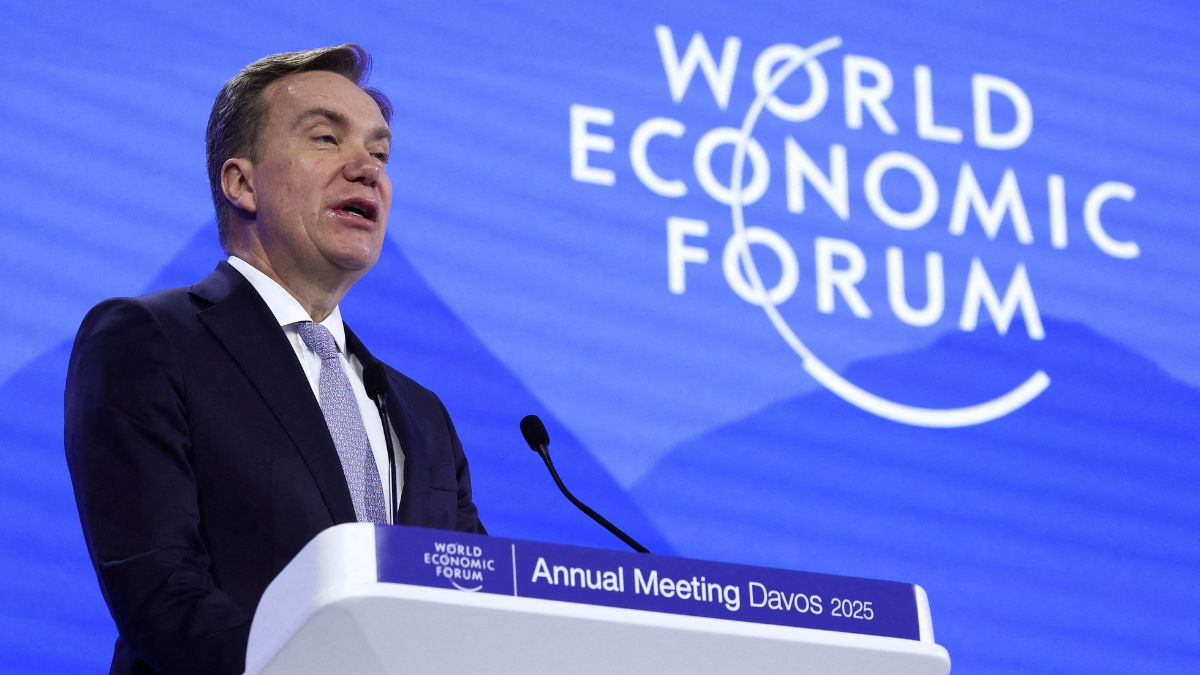 "Who is Borge Brende, World Economic Forum chief who quit over Epstein files?")
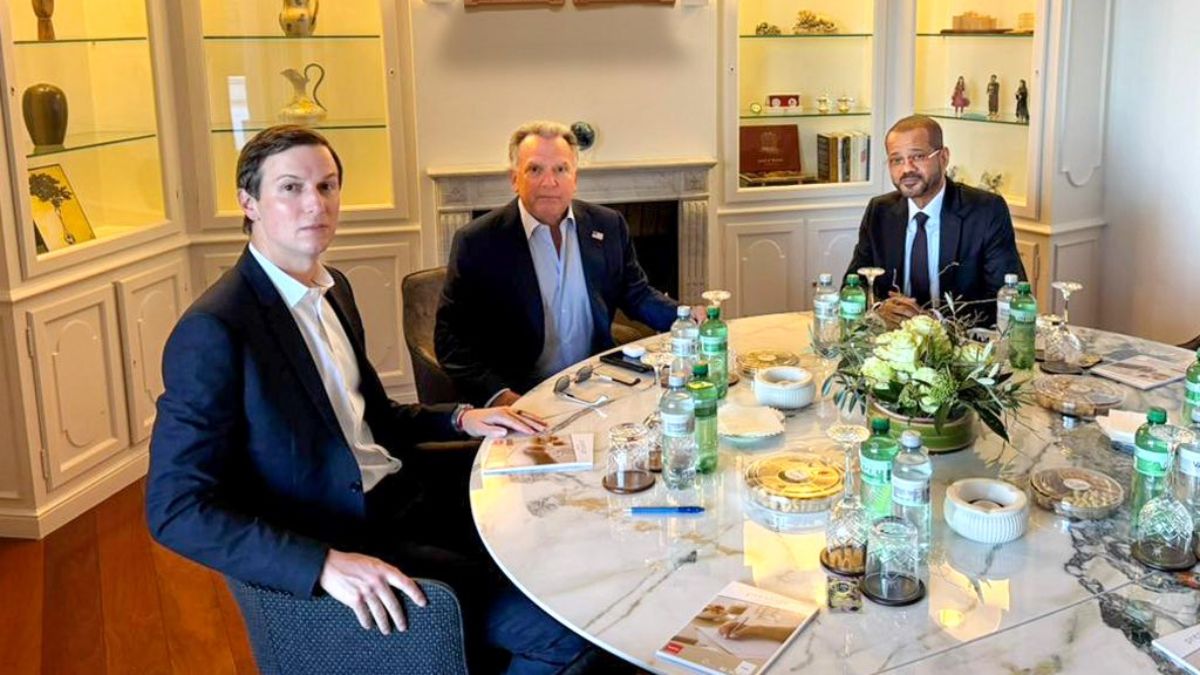 "US-Iran tension: Third round of nuclear talks begin in Geneva — can it avoid war?")