

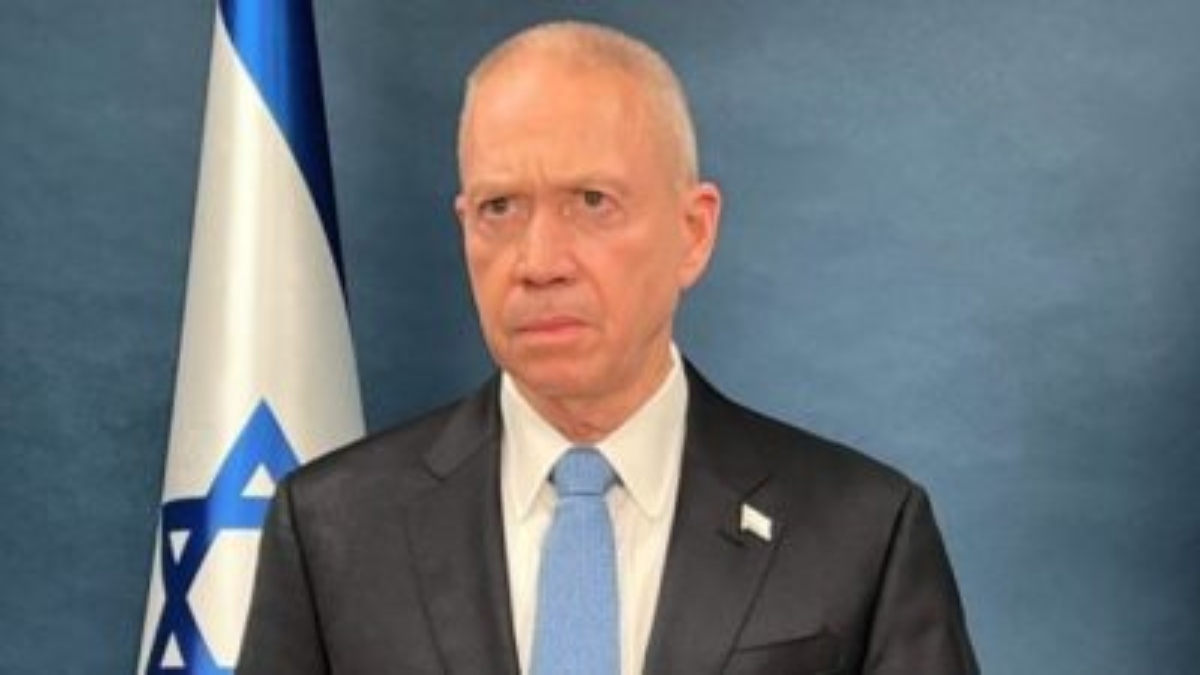
 "Strikes on Iran will reflect Israel's military might, says Defence Minister Gallant amid tensions")
As tensions in West Asia escalate, Israeli Defence Minister Yoav Gallant said that planned airstrikes in Iran would make the world understand Israel’s military might. The world has been keeping a close eye on Israel as the Jewish nation plans to conduct retaliatory attacks against Iran after the latter’s missile strikes on October 1. Tehran conducted the strike in response to Israel’s killing of Hezbollah chief Hassan Nasrallah.
Gallant issued a stern warning to Iran during his visit to Hatzerim airbase on Wednesday. He made it clear that strikes from Tehran cannot be forgotten and Israel intends to hit back. “After we attack in Iran, they will understand in Israel and elsewhere what your preparations have included,” Gallant told the airbase crew in a video shared by his office.
בבסיס חצרים, יחד עם צוותי האויר והקרקע הממשיכים לפעול בעוצמה ובמקצועיות ״במלחמת שבע החזיתות״.
— יואב גלנט - Yoav Gallant (@yoavgallant) October 23, 2024
בשיחתי איתם הדגשתי - אחרי שנתקוף באיראן, כולם יבינו את העוצמה שלכם, את תהליך ההכנה והאימון - כל אויב שינסה לפגוע במדינת ישראל ישלם מחיר כבד. pic.twitter.com/XeLsotYvUl
The Israeli defence minister shared more about his visit on X, formerly known as Twitter. “In my conversation with them I emphasised – after we attack Iran, everyone will understand your might, the process of preparation and training – any enemy that tries to harm the state of Israel will pay a heavy price,” Gallant wrote in the post.
When and how Israel will respond to Iran remain big questions
It is pertinent to note that the extent of Israel’s target list has been the subject of protracted conversations between Israeli leaders and US President Joe Biden’s government. In the past, Washington has urged Tel Aviv not to target Iran’s oil industry infrastructure or its nuclear programme.
Impact Shorts
More ShortsThe United States also fears a cycle of escalation, particularly in the last two weeks before the upcoming US presidential elections. Meanwhile, Israel is already fighting on multiple fronts. On Wednesday, Hezbollah confirmed the death of another senior leader Hashem Safieddine.
Safieddine was initially seen as Nasrallah’s successor. Israel maintained that the senior Hezbollah leader was killed in an airstrike earlier this month, alongside Ali Hussein Hazima, the head of Hezbollah’s intelligence unit.
In a statement over the matter, the Iran-backed Lebanese group said that Safieddine spent most of his life serving the movement and that he “competently managed” the executive council – the highest political decision-making body in Hezbollah. The group pledged to carry on in “that path of resistance and jihad”.
With the killings of several top Hezbollah leaders, the current de facto public face of the group is Naim Qassem, the deputy secretary general. Hours after Hezbollah’s confirmation, Israel carried out airstrikes in Tyre, one of the largest cities in South Lebanon.
With inputs from agencies.


 "Russian drones over Poland: Trump’s tepid reaction a wake-up call for Nato?")
 "As Russia pushes east, Ukraine faces mounting pressure to defend its heartland")
 "Why Mossad was not on board with Israel’s strike on Hamas in Qatar")
 "Turkey: Erdogan's police arrest opposition mayor Hasan Mutlu, dozens officials in corruption probe")
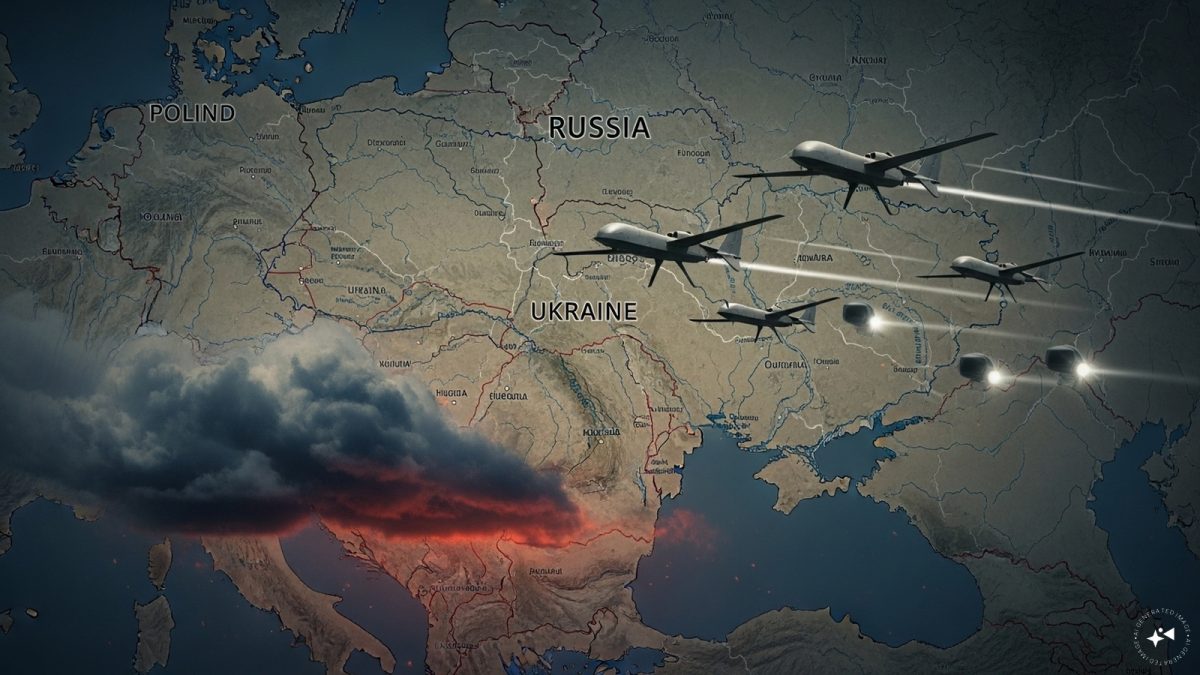 "Russian drones over Poland: Trump’s tepid reaction a wake-up call for Nato?")
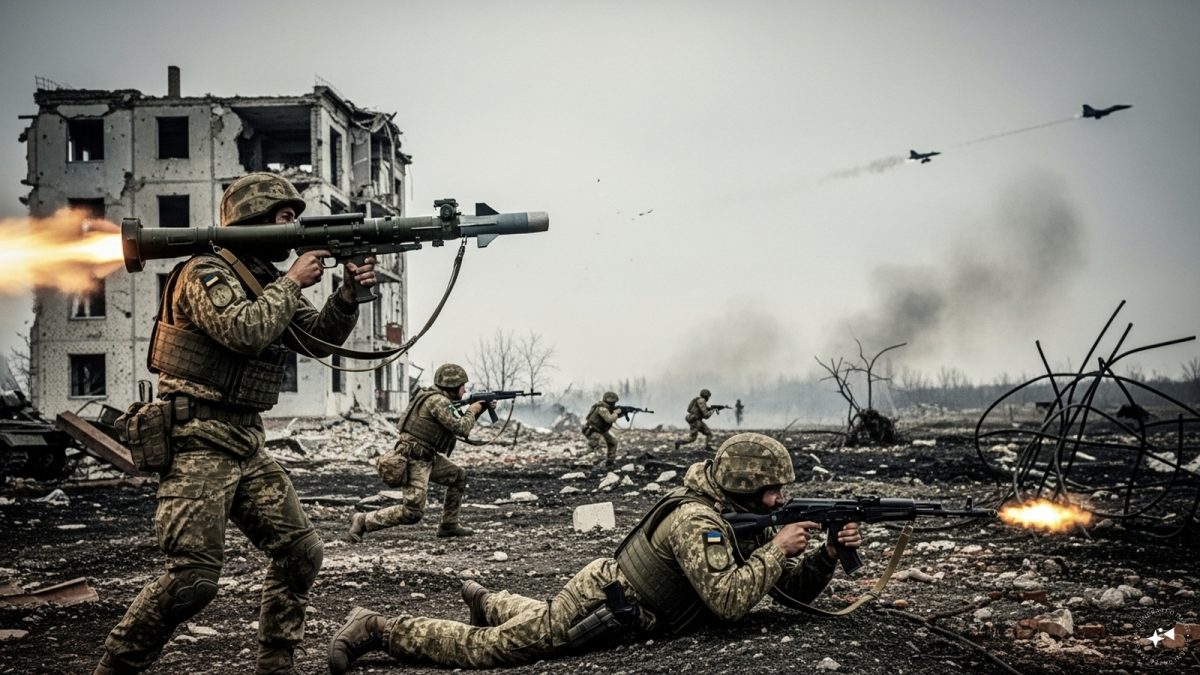 "As Russia pushes east, Ukraine faces mounting pressure to defend its heartland")
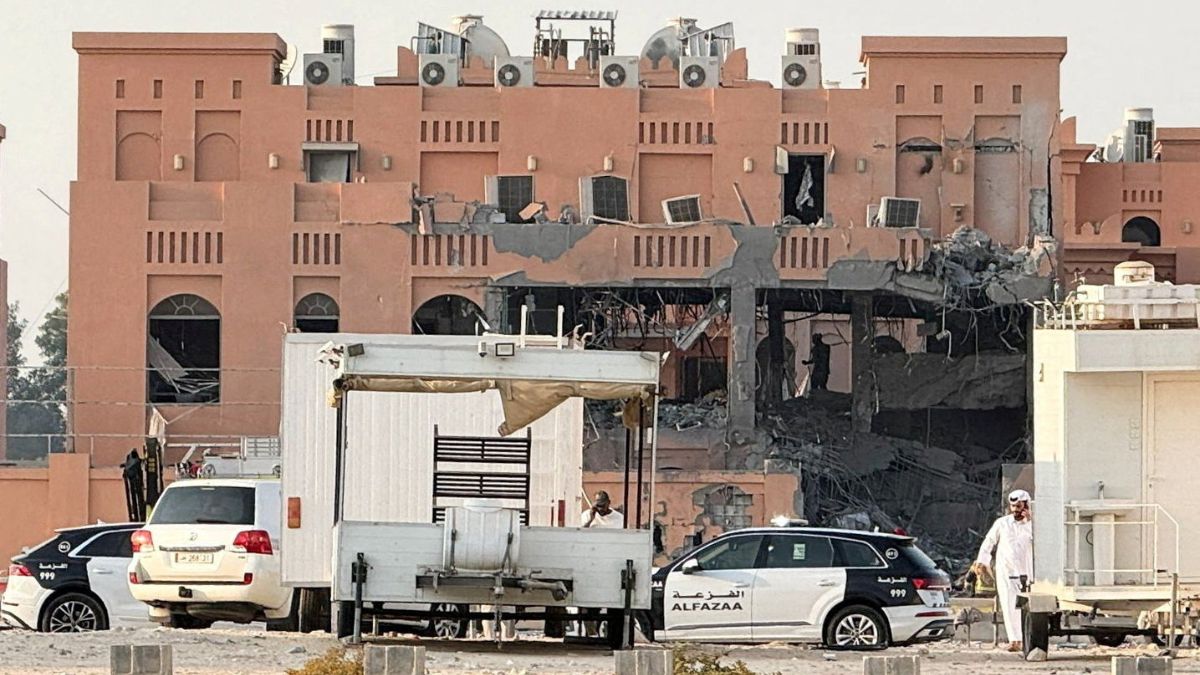 "Why Mossad was not on board with Israel’s strike on Hamas in Qatar")
 "Turkey: Erdogan's police arrest opposition mayor Hasan Mutlu, dozens officials in corruption probe")



