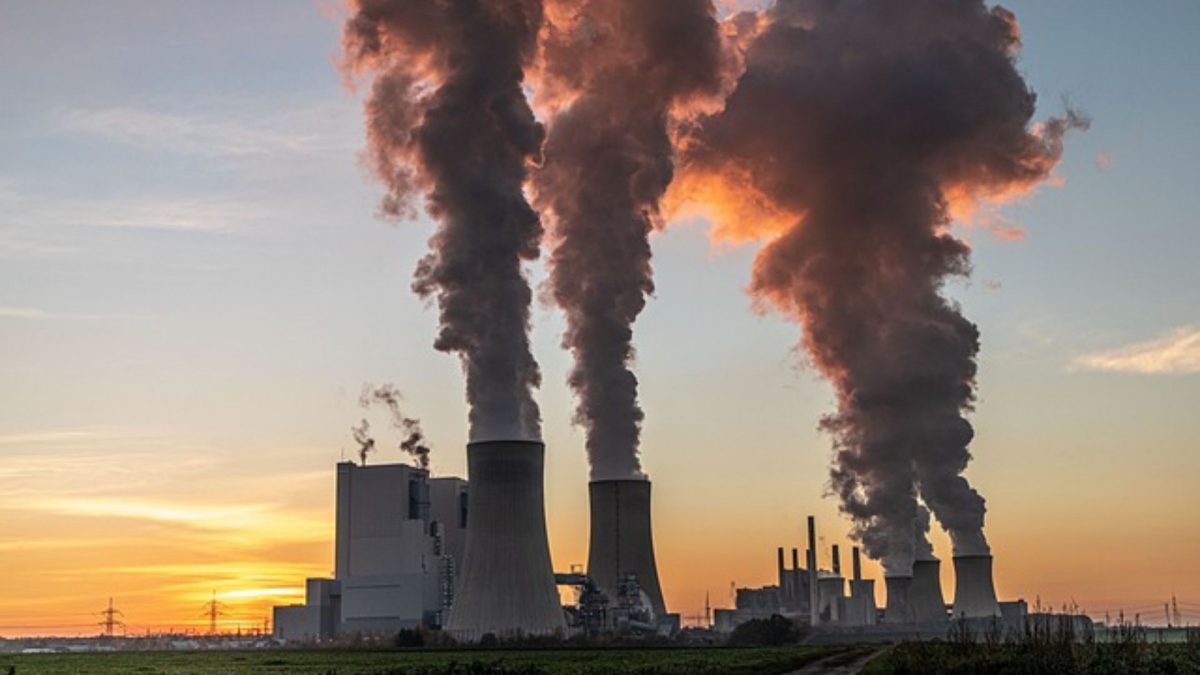
 "(Representational image)")
Southeast Asia is facing a growing health challenge that threatens to slow economic growth, as lung diseases linked to air pollution and environmental change rise across the region.
In a stark warning, a World Health Organization (WHO) envoy has said that the rising burden of respiratory illnesses across the region threatens its ability to grow economically, a concern not just for public health experts but policy makers and business leaders alike, as reported by Nikkei Asia.
From bustling urban centres to rapidly industrialising suburbs, people across Southeast Asian nations are increasingly battling respiratory trouble. WHO officials say that a combination of rising pollution, urbanisation and climate-related factors has pushed lung disease rates to levels that could “threaten Southeast Asia’s economic growth.”
Air pollution: A complex and costly problem
At the heart of the problem is fine particulate matter—tiny particles known as PM2.5—that penetrate deep into the lungs and enter the bloodstream.
These particles originate from vehicle emissions, industrial activity, biomass burning and other sources. Experts have long linked PM2.5 exposure to chronic respiratory conditions, heart disease, cancer, and premature death.
A recent Environment International study sheds light on not just the health impacts but the economic costs associated with these pollutants.
The research projects that, even under future climate scenarios where overall PM2.5 levels might dip slightly due to certain meteorological changes, the total premature mortality attributable to PM2.5 is still expected to increase by around 7–10% by 2050. That rise in health burden could translate into economic losses of up to $591 billion US dollars for Southeast Asian economies by mid-century.
Quick Reads
View AllThis economic estimate reflects not only healthcare costs but lost productivity and broader social impacts as workers struggle with chronic illness.
Also read | Delhi today, Beijing yesterday: Can India too turn the skies of its capital blue?
WHO’s envoy and public health researchers alike argue that controlling air pollution needs to be high on the region’s policy agenda. That means not only reducing emissions from classical sources like vehicles and factories, but also tightening controls on volatile organic compounds and sulfur dioxide—precursors to PM2.5 formation that are especially tricky to manage in “NH3-rich conditions” common in Southeast Asia.
Additionally, investments in cleaner energy, stricter emissions standards, and urban planning that reduces exposure can simultaneously protect health and safeguard economic progress.