

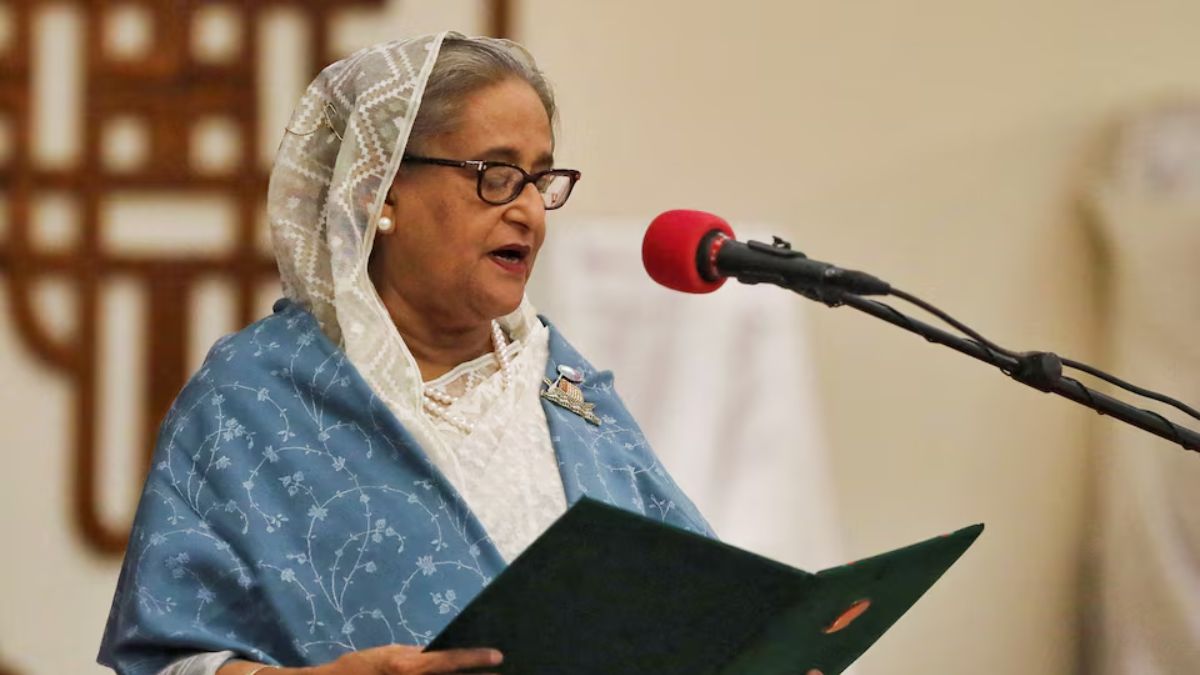
 "'Yunus has created a constitutional crisis': Sheikh Hasina after Bangladesh court gave her death sentence")
In a rare and detailed interaction from exile, former Bangladesh Prime Minister Sheikh Hasina sharply criticised the interim government led by Nobel laureate Muhammad Yunus, describing the present situation as a deep political crisis marked by constitutional violations and a breakdown of law and order.
Speaking to CNN-News18, she rejected all corruption charges against herself and her family, calling the International Crimes Tribunal proceedings politically motivated “victor’s justice”. She also condemned the exclusion of the Awami League from the political process and warned that constitutional changes made without parliamentary approval are illegal and will have lasting consequences. According to Hasina, national healing is only possible through the restoration of democracy, inclusive politics and a genuinely independent rule of law.
In the exclusive interview with News1818’s Shalinder Wangoo, Hasina spoke publicly for the first time since being sentenced to death in absentia, addressing the political turmoil in Bangladesh, the 2024 student-led protests, the allegations against her, and broader concerns over democracy, justice and minority rights in the country.
Far from home and far from your country, how do you see Bangladesh? Is everything there going well?
I follow developments closely, and my greatest wish is for peace, stability and the safety of all Bangladeshis. I am deeply concerned by reports of political exclusion, attacks on minorities and the economic disruption that followed last year’s turmoil. Our country is under severe strain: democracy is under threat, law and order has nearly collapsed, and ordinary people live in fear. We urgently need calm, accountable and democratic leadership to be restored.
The student-led protests that began over job quotas evolved into a nationwide movement that led to your resignation and flight to India. The ICT has described the events of July–August 2024 as genocide under your watch, holding you responsible for ordering lethal force against protesters. Looking back, what do you see as the turning points, and how will history judge that period?
Quick Reads
View AllThe summer of 2024 was a tragic sequence of events. The protests began with understandable grievances but were inflamed by irresponsible political actors and a heavy-handed interim response. Initially peaceful demonstrations were turned into uncontrollable street clashes, leading to the loss of innocent lives. History will judge this period harshly if there is no honest and impartial accounting.
You were sentenced to death in absentia for crimes against humanity. You have called the tribunal rigged and politically motivated. Why do you believe the trial was unfair?
I have repeatedly highlighted the political motivations behind this tribunal, a view shared by independent human rights organisations and several eminent international lawyers. The ICT was never about justice; it was about political retribution. It was controlled by my opponents, who sought to discredit or destroy the Awami League.
The unprecedented speed of the trial and the interim government’s control over the judiciary made a proper defence impossible. I was denied the right to choose my lawyer, and the prosecution relied on weak, fabricated evidence that I could not challenge. There was no credible examination of the events of July and August 2024, no serious analysis of the chain of command, no independent forensic review and no consideration of alternative accounts. I will pursue all lawful appeals and seek an independent review.
I must also highlight the constitutional crisis created by Yunus through the manipulation of the ICT. The tribunal was established to prosecute the war crimes of 1971, not to resolve contemporary political disputes. Any change to its mandate must go through Parliament. Instead, the current regime rewrote its jurisdiction through executive orders without democratic oversight. These actions are constitutionally invalid, meaning every verdict delivered under this framework rests on an unlawful foundation.
The nation must ask what happens if a future Parliament refuses to endorse these changes. What becomes of verdicts, especially death sentences, delivered in the meantime? How can the state justify executions carried out under a legal framework that may later be declared unconstitutional?
This is the danger of unelected governments tampering with constitutional institutions. It causes lasting damage to public trust and political culture.
The interim government has repeatedly sought your extradition from India. How do you respond?
Any extradition request must follow the law, not politics. I respect legal processes, but such requests must be transparent and protect the rights of the accused. My message to Dhaka is clear: pursue justice in a way that heals the nation, not deepens divisions. Reconciliation requires impartial investigations, not victor’s justice.
You and members of your family were convicted in corruption cases in December 2025. How do you address these charges?
These convictions are further examples of politically driven prosecution. My family and I categorically deny the allegations. No credible evidence was presented because none exists. The trials proceeded in absentia, without transparency or a fair opportunity to defend ourselves. This was not justice; it was political score-settling. Bangladesh deserves better, and I will challenge these verdicts through every legal avenue, while urging international scrutiny.
During your 15-year tenure, Bangladesh saw strong economic growth. What legacy do you believe will endure?
I am proud of the economic progress achieved under my leadership: sustained growth, dramatic poverty reduction and transformative infrastructure. Our GDP grew by 450 percent during that period, a figure cited by the IMF. Millions were lifted out of poverty, and the garment sector expanded significantly. These gains reflect the resilience of our people, supported by strategic policymaking by the Awami League. I firmly believe these achievements will endure.
Your party has been banned from the February 2026 elections. Should the ban be lifted?
Excluding the Awami League disenfranchises tens of millions of voters and undermines the credibility of any election. For polls to be considered fair, all major parties must be allowed to participate. We have been elected nine times since 1971. A democracy cannot function by excluding its largest political force.
There are reports of rising attacks on minorities. What are you hearing?
I am deeply saddened by reports of attacks on Hindu and other minority communities. These acts are unacceptable. The state has a duty to protect all citizens, yet the interim government has consistently downplayed this violence. Ensuring minority rights and justice is a basic obligation of governance.
How do you assess Yunus’s reform agenda and the idea of a “New Bangladesh”?
An interim government, being unelected, should have limited ambitions and a short mandate. It can contribute positively by restoring inclusive politics and preparing for credible elections. Unfortunately, Yunus has failed to do so. Elections have been delayed, the largest party banned, judicial institutions weaponised and the media silenced. Chaos and fear are becoming normalised.
What advice would you give voters ahead of the 2026 elections?
Voters must continue to peacefully assert their right to choose freely. No election that excludes the country’s most popular party can be free or fair. The international community must hold the interim government accountable. The outcome should reflect the people’s will, not imposed restrictions.
From exile, what is your vision for national healing, and would you return to Bangladesh?
My vision is a reconciled Bangladesh where democracy, constitutional governance, minority rights and the rule of law are restored. I would consider returning only when there are clear guarantees of safety, due process and genuine constitutional order.
Are you concerned about Bangladesh’s growing engagement with Pakistan after your ouster?
Any diplomatic shift must not compromise Bangladesh’s security or national interest. I am concerned that reduced scrutiny could embolden extremist elements. The state must ensure that no external alignment allows radicalism or violence to take root.


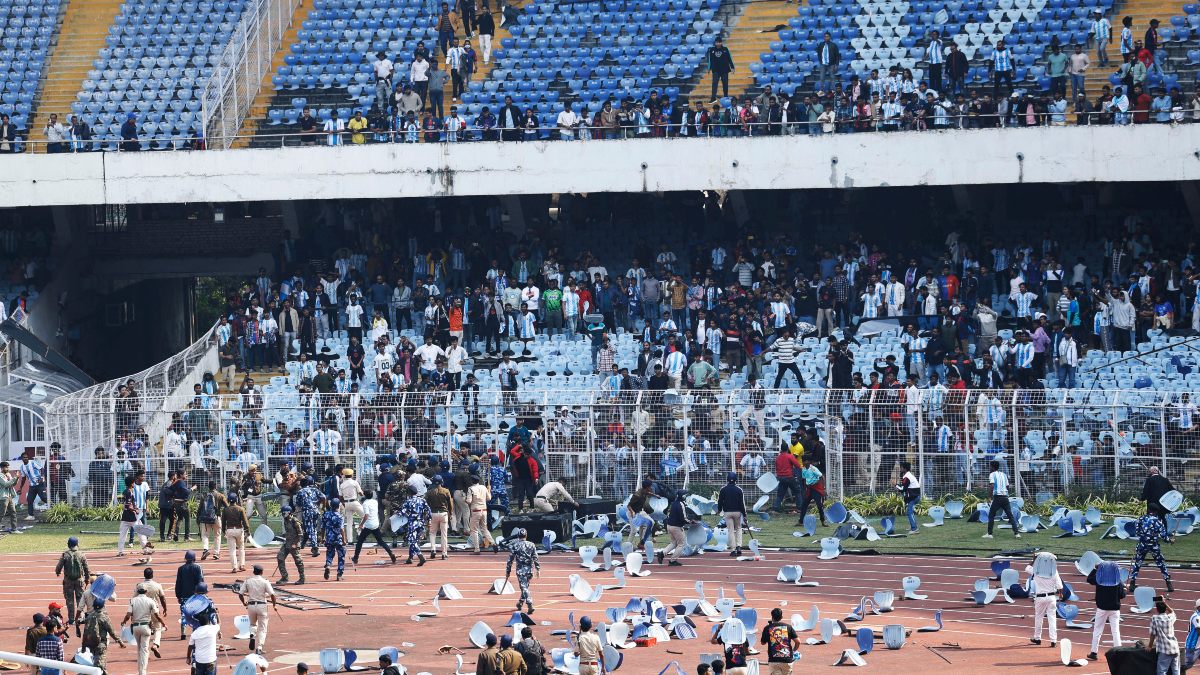 "Lionel Messi GOAT Tour India LIVE Updates: CM Mamata Banerjee sets up enquiry committee after chaos erupts in Kolkata")
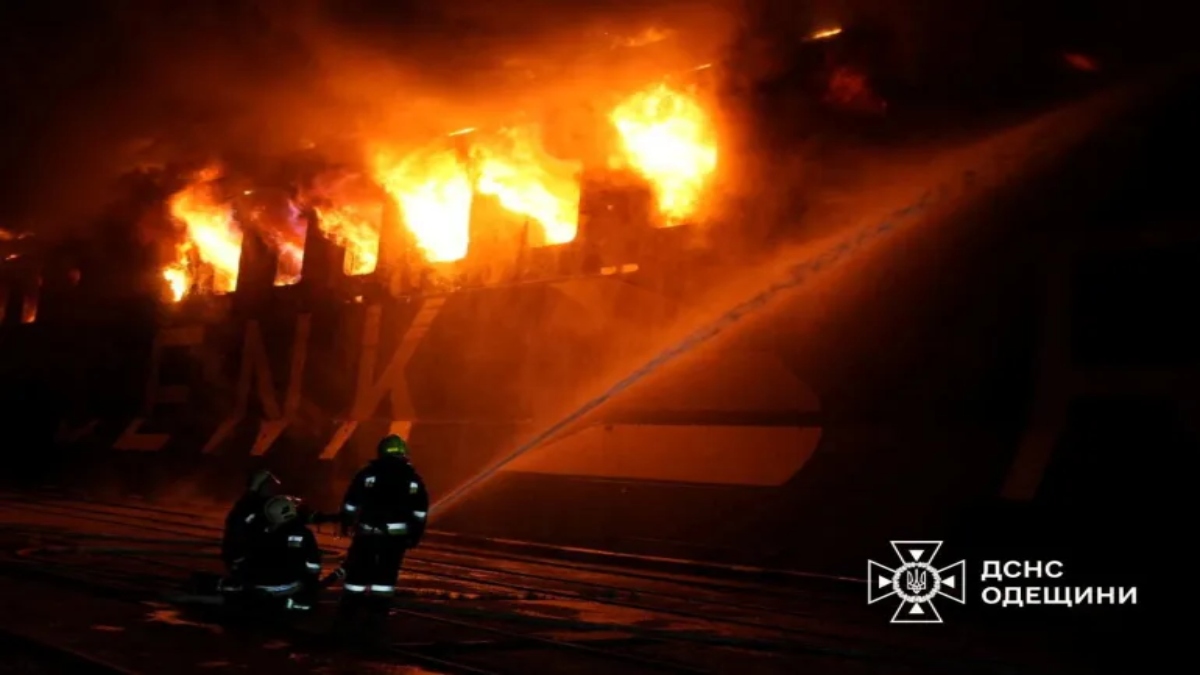 "Russia strikes 2 Ukrainian ports in Odesa, hits 3 Turkish-owned vessels")
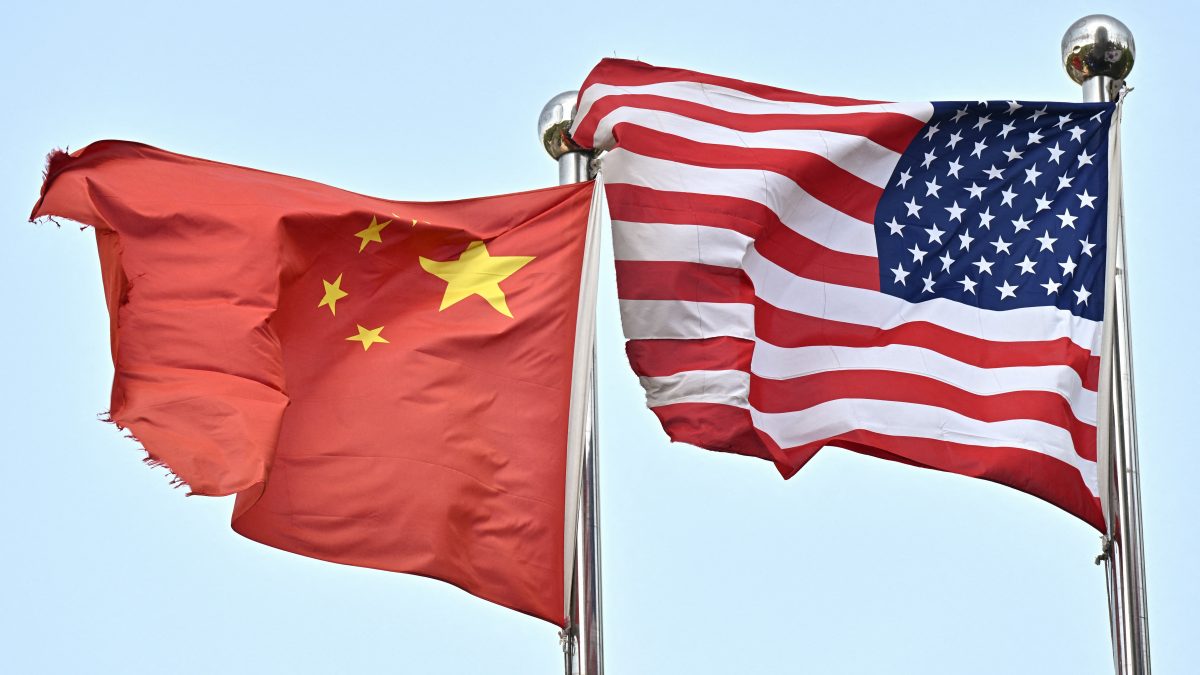 "US forces raised a Chinese cargo ship heading to Iran in November: Report")
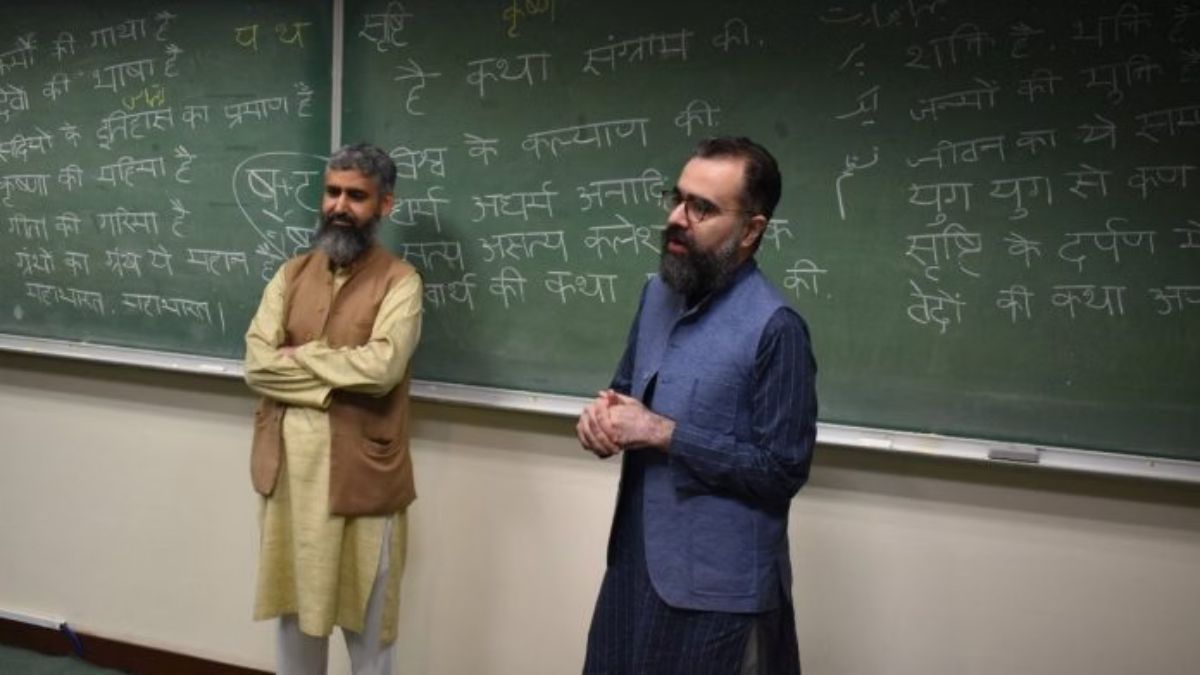 "‘It is ours too’: Why a Pakistan university is offering course on Sanskrit")
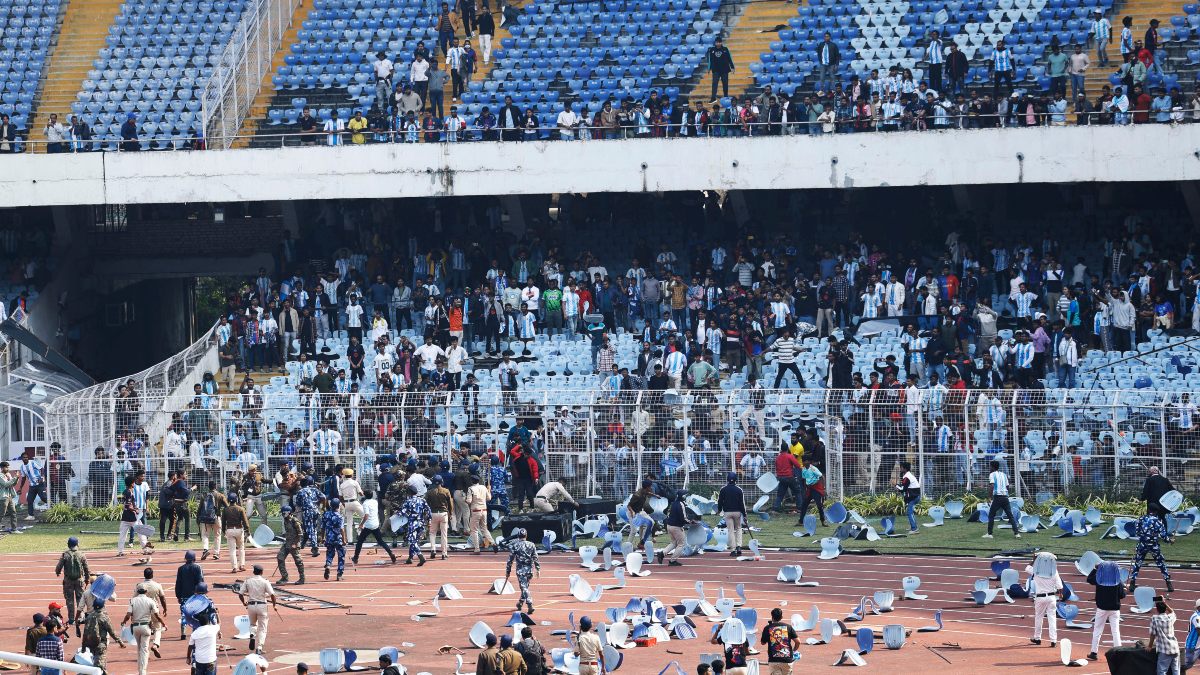 "Lionel Messi GOAT Tour India LIVE Updates: CM Mamata Banerjee sets up enquiry committee after chaos erupts in Kolkata")
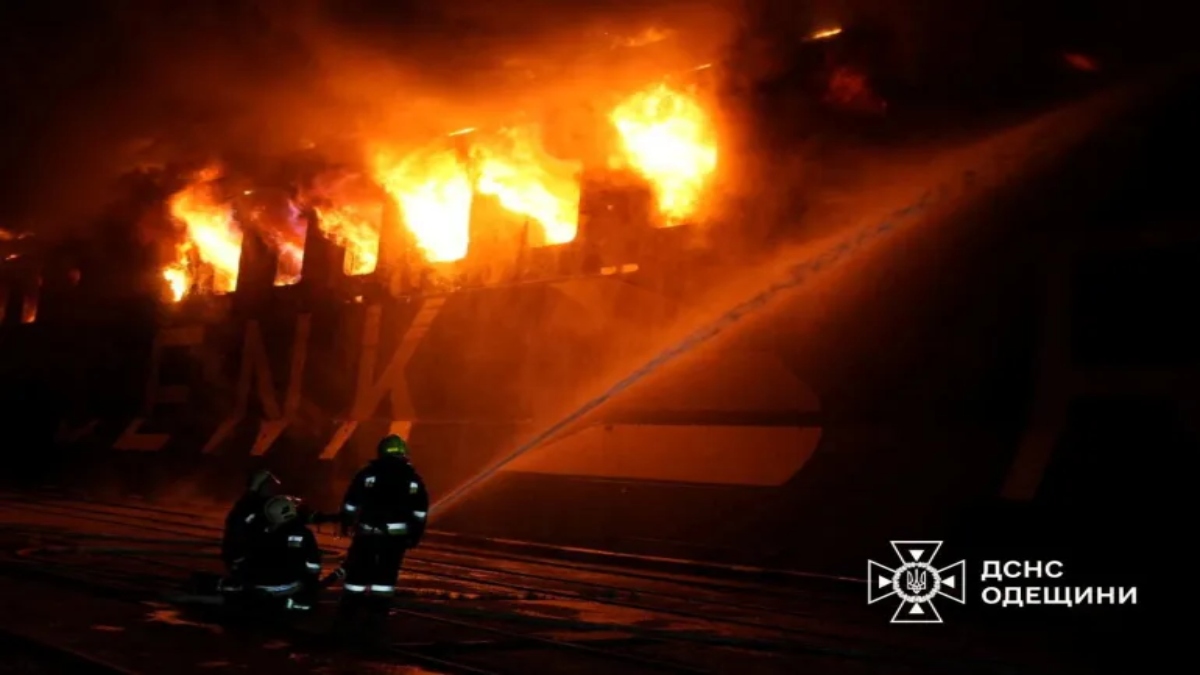 "Russia strikes 2 Ukrainian ports in Odesa, hits 3 Turkish-owned vessels")
 "US forces raised a Chinese cargo ship heading to Iran in November: Report")
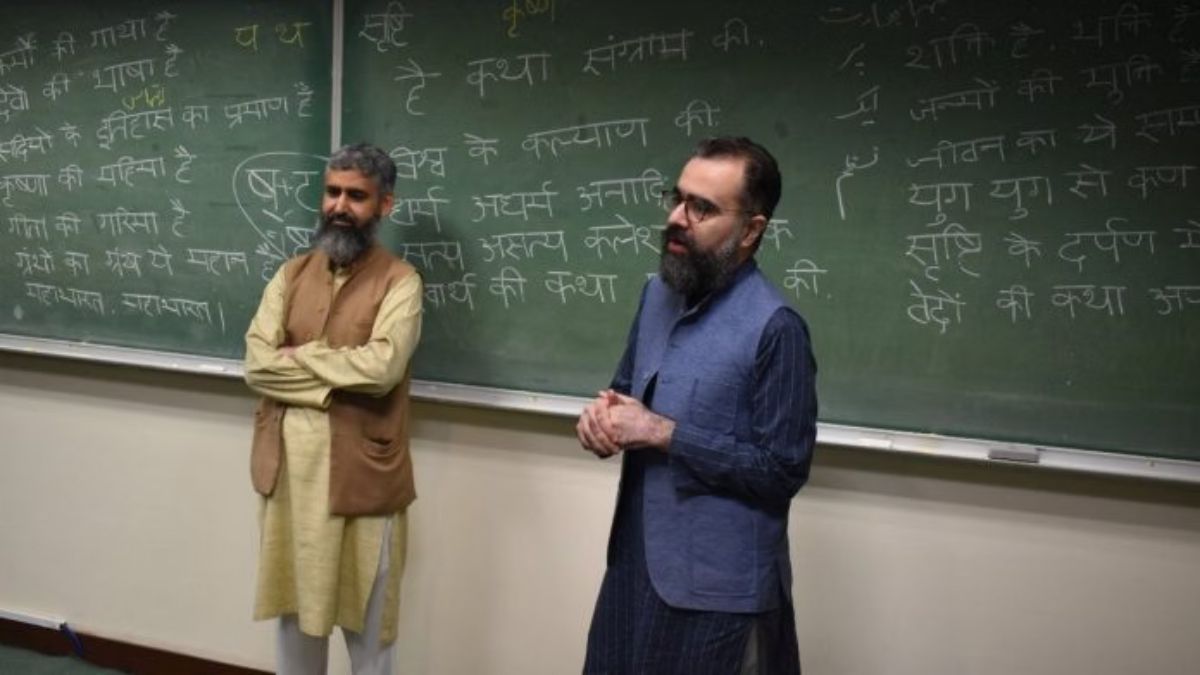 "‘It is ours too’: Why a Pakistan university is offering course on Sanskrit")



