

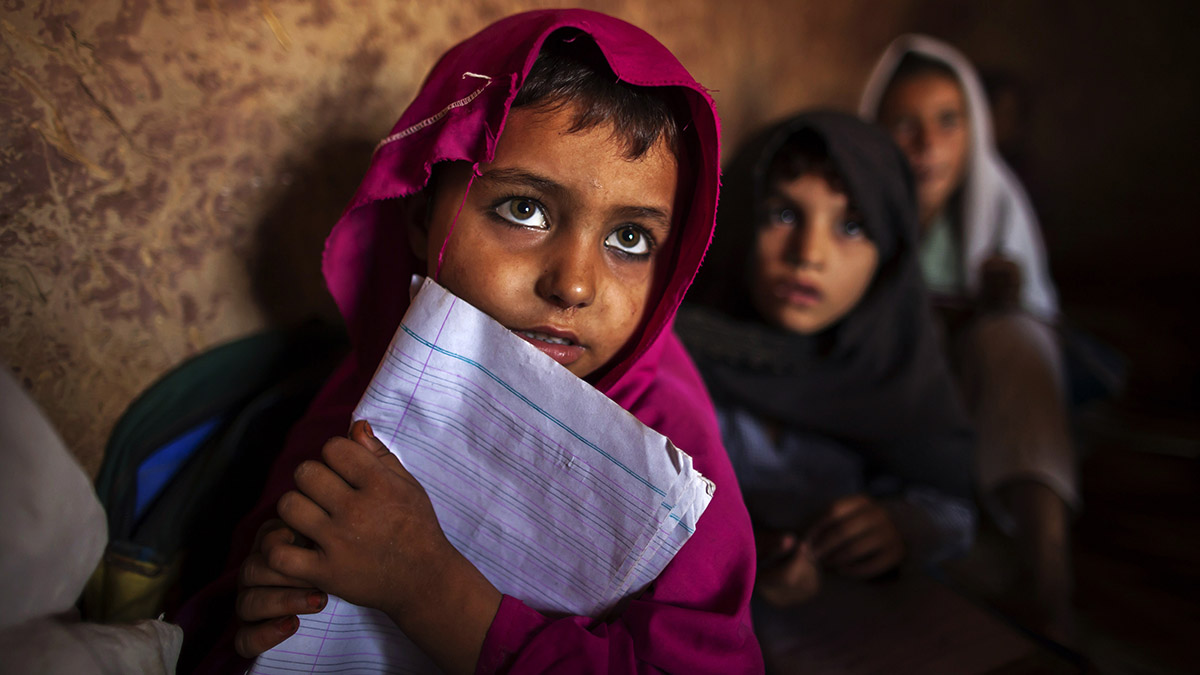
 "Shehbaz Sharif orders reconstruction of terror-hit girls’ school, but what about dismal female education in Pakistan")
On Friday, Pakistan prime minister Shehbaz Sharif ordered immediate reconstruction of a girls’ school which was recently blown up by unidentified militants in Tehsil Shewa of North Waziristan district.
According to Dawn, Prime Minister Shehbaz expressed the government’s strong determination to hold terrorists accountable for their attempts to obstruct girls’ access to education. He emphasized that such malicious intentions will not succeed, reiterating the government’s steadfast commitment to providing equal educational opportunities for all, especially girls.
While this is reassuring, what is the current state of girls’ education in Pakistan?
Girls left behind?
In their joint research paper Women Education in Pakistan: Challenges and Opportunities, researchers Anna Askari from Psychophysiology Research Lab, University of Karachi; Ammad Jawed from Azra Naheed Dental College, Superior University, Lahore and Salvat Askari from Foundation of Education, SZAK Memorial Welfare Organisation, Karachi wrote: “Women’s education in Pakistan faces numerous challenges, including cultural norms, poverty, and lack of educational facilities. However, opportunities such as government initiatives, women’s empowerment, and the role of technology also exist to improve women’s education. It is essential to highlight the challenges to overcome them and progress.”
Broadly speaking, the following concerns the researchers found due to which women’s education is suffering in Pakistan:
Traditional expectations often prioritise girls’ involvement in domestic responsibilities like household chores and child-rearing, potentially at the expense of their education.
Economic hardships, particularly extreme poverty, compel many families to forgo sending their daughters to school, opting instead for their employment to supplement the family income.
Deep-seated gender biases lead to a preference for investing in sons’ education, as they are perceived as future breadwinners, thereby marginalising opportunities for daughters.
Concerns regarding women’s safety and security pose significant barriers to their educational pursuits in Pakistan.
Insufficient educational infrastructure limits access to quality education for women across the country.
Additionally, the scarcity of female teachers presents a notable challenge, as it creates discomfort and hampers the educational experience for girls.
In their March 2023 article for the World Bank titled Facing the Challenges of Girls’ Education in Pakistan, Juan D Baron and May Bend highlighted that despite advancements girls in Pakistan encounter significant obstacles in accessing quality education resulting in educational outcomes that consistently fall behind those of boys.
In their study, the authors discovered that in Pakistan, approximately 2 million more girls than boys are currently out of school. According to data from 2018, 26 per cent of girls and 19 per cent of boys had never attended school. Moreover, girls encounter various forms of harassment both within schools and on their way to school leading to significant concerns about their safety in public spaces, during transportation and in the vicinity of educational institutions.
What has come as a big shocker is that 75 per cent of 10-year-olds in Pakistan cannot read a simple text which might have gone up to 79 per cent due to COVID-19 and the 2022 floods.
Impact Shorts
More ShortsA November 2018 report by Human Rights Watch delivered a scathing assessment of the condition of female education in Pakistan.
How much does Pakistan spend on education?
According to World Bank data, Pakistan spent a meagre 2 per cent of its GDP on education in 2022.
Although on a declining trend, the World Bank data reveals that Pakistan invested 2.6 per cent of its GDP in military spending in 2022.
Why Pakistan must increase focus on girls’ education
In her opinion piece titled Navigating the Challenges of Girls’ Education in Pakistan, published in February this year for the Tribune, Saira Batada emphasized the interconnectedness between various aspects of human development and schooling, particularly for women. She asserted that prioritizing women’s education not only elevates their status but also positively impacts several areas such as nutrition, community empowerment, health and the eradication of child labour and exploitation.
In June 2022, the United Kingdom pledged up to £130 million for girls’ education in Pakistan targeting nearly 17 million children.
In the global landscape of education, a staggering 132 million girls find themselves outside schooling, representing approximately 9.2 per cent of the total. Pakistan, unfortunately, bears a significant burden of this educational crisis, with 12.2 million girls deprived of access to education. Shockingly, 54 per cent of the poorest 25 per cent of girls find themselves excluded from classrooms, experiencing only a fraction of the learning opportunities available to their more privileged counterparts.
In the Punjab province, women lag at 54 per cent in literacy rates, further plummeting to 44 per cent in rural areas while men enjoy a significantly higher literacy rate of 72 per cent. Alarmingly, a study referred to by the British High Commission in Pakistan said that 2.2 million adolescent girls aged 15–19 in Punjab find themselves neither in schools nor engaged in employment or marriage.
The province of Khyber Pakhtunkhwa paints a similarly grim picture, with a staggering 66 per cent of girls deprived of education compared to 34 per cent of boys. In the Newly Merged Districts, a mere 40 per cent of girls find themselves enrolled in primary schools, with a dismal 3 per cent transitioning to middle school. At the higher secondary level, the presence of girls dwindles to a mere 250 across the entire province reflecting upon the magnitude of the educational crisis gripping the region.
Former UK High Commissioner to Pakistan, Christian Turner, rightly said that no nation could achieve its full potential without the inclusion and empowerment of 50 per cent of its population.
For Pakistan, there is a lot of catching up to do indeed!


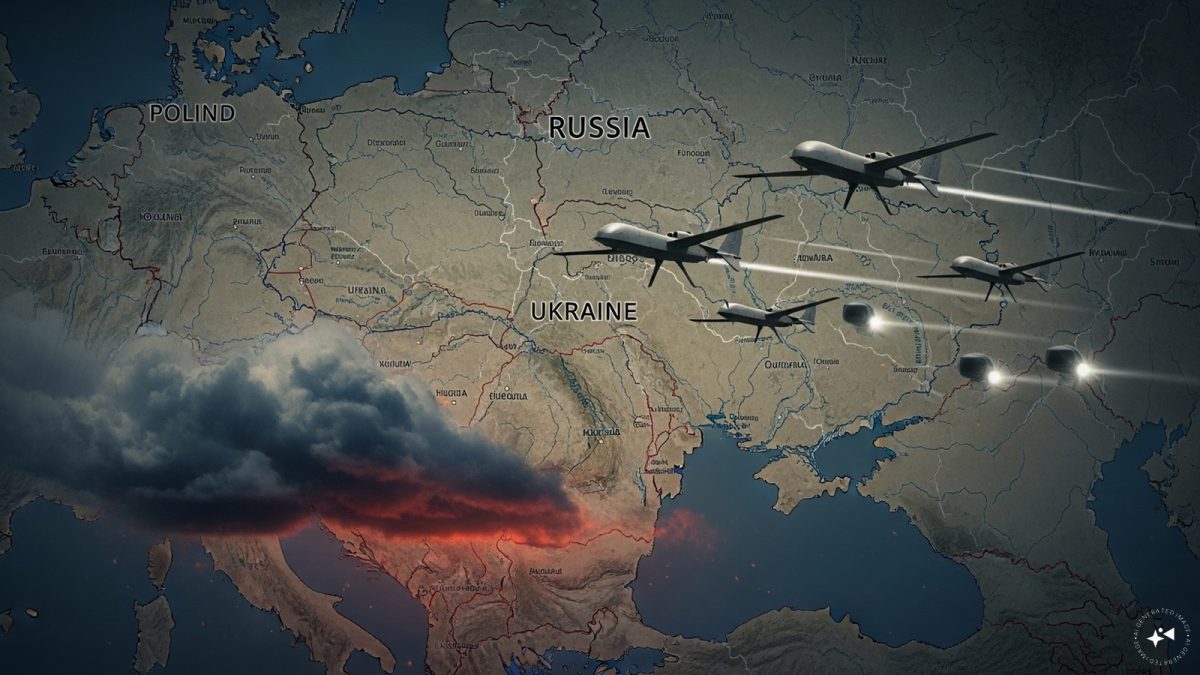 "Russian drones over Poland: Trump’s tepid reaction a wake-up call for Nato?")
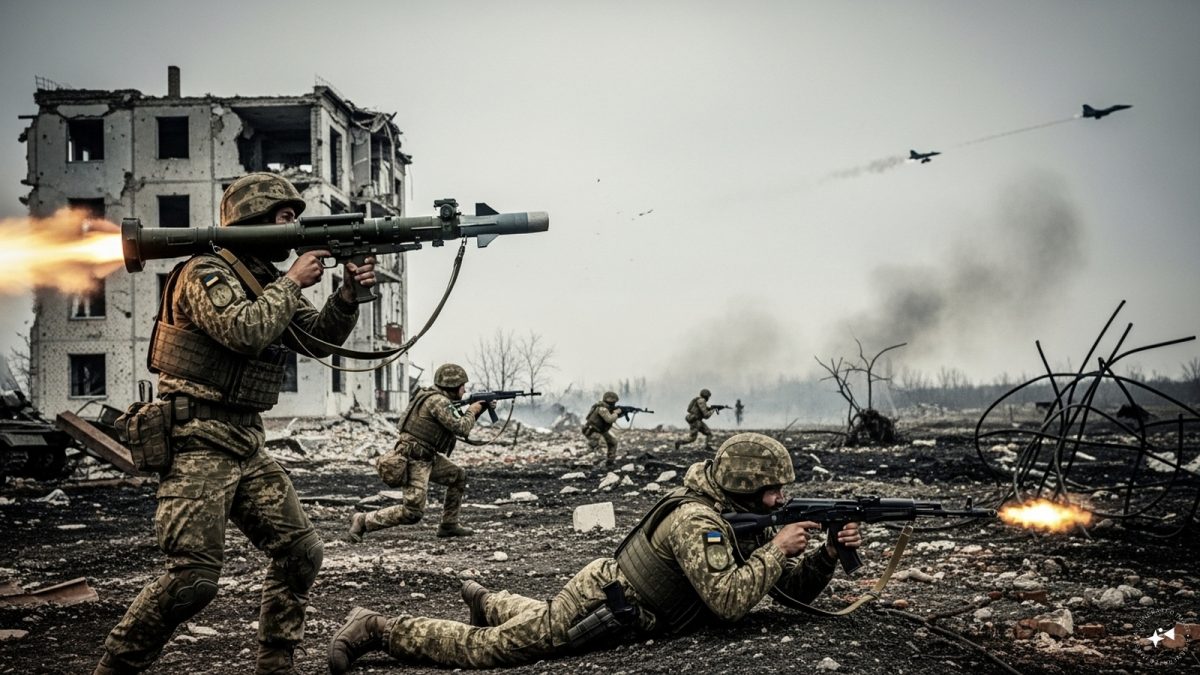 "As Russia pushes east, Ukraine faces mounting pressure to defend its heartland")
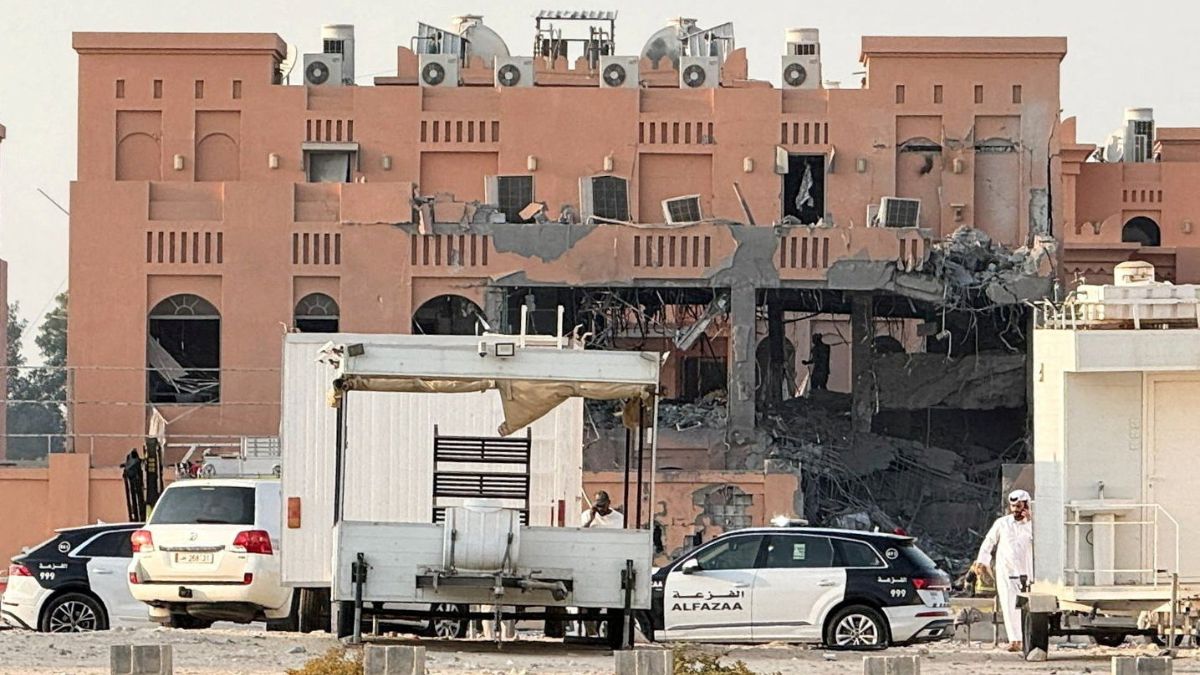 "Why Mossad was not on board with Israel’s strike on Hamas in Qatar")
 "Turkey: Erdogan's police arrest opposition mayor Hasan Mutlu, dozens officials in corruption probe")
 "Russian drones over Poland: Trump’s tepid reaction a wake-up call for Nato?")
 "As Russia pushes east, Ukraine faces mounting pressure to defend its heartland")
 "Why Mossad was not on board with Israel’s strike on Hamas in Qatar")
 "Turkey: Erdogan's police arrest opposition mayor Hasan Mutlu, dozens officials in corruption probe")



