

 "Sex industry earns $236bn in profits from forced labour, more than any other sector as modern slavery sees massive uptick: ILO")
Sex traffickers are earning an average of £21,000 annually from each victim, as profits from coerced labor escalate worldwide, according to recent assessments by the International Labour Organization (ILO).
The ILO, a branch of the United Nations, revealed that yearly global gains from forced labor have surged to $236 billion (£185bn), with unprecedented numbers of individuals falling prey to Modern slavery.
Predominantly, sexual exploitation emerges as the most lucrative variant of forced labor. Despite only 27% of individuals enduring forced labor being subjected to sexual exploitation, the profits derived from this atrocity constitute 73% of the overall illicit gains from all forms of forced labor.
Highlighting a 37% rise from the previous data unveiled in 2014, the ILO underscored that these illicit gains usurp what rightfully belongs to workers, entangled in coercive webs spun by their exploiters.
The agency attributed the rise to both an expansion in the population ensnared in forced labor—tantamount to modern slavery—and heightened profits amassed from victim exploitation. Currently, over 27 million individuals worldwide find themselves ensnared in various forms of modern slavery.
Traffickers, criminals, and unethical employers rake in an average of nearly $10,000 per victim, according to the report.
The report delineated that victims coerced into industrial labor yield $35 billion annually for exploiters, while those ensnared in the service sector contribute approximately $21 billion.
Impact Shorts
More ShortsGeographically, Europe and Central Asia register the highest profits from forced labor, trailed by Asia and the Pacific, and subsequently, the Americas.
Gilbert Houngbo, Director-General of the ILO, lamented, “Forced labor perpetuates cycles of poverty and exploitation and strikes at the heart of human dignity. We now know that the situation has only got worse."
Urging swift international action to combat this injustice, Houngbo emphasized the imperative to uphold workers’ rights and champion fairness and equality universally.


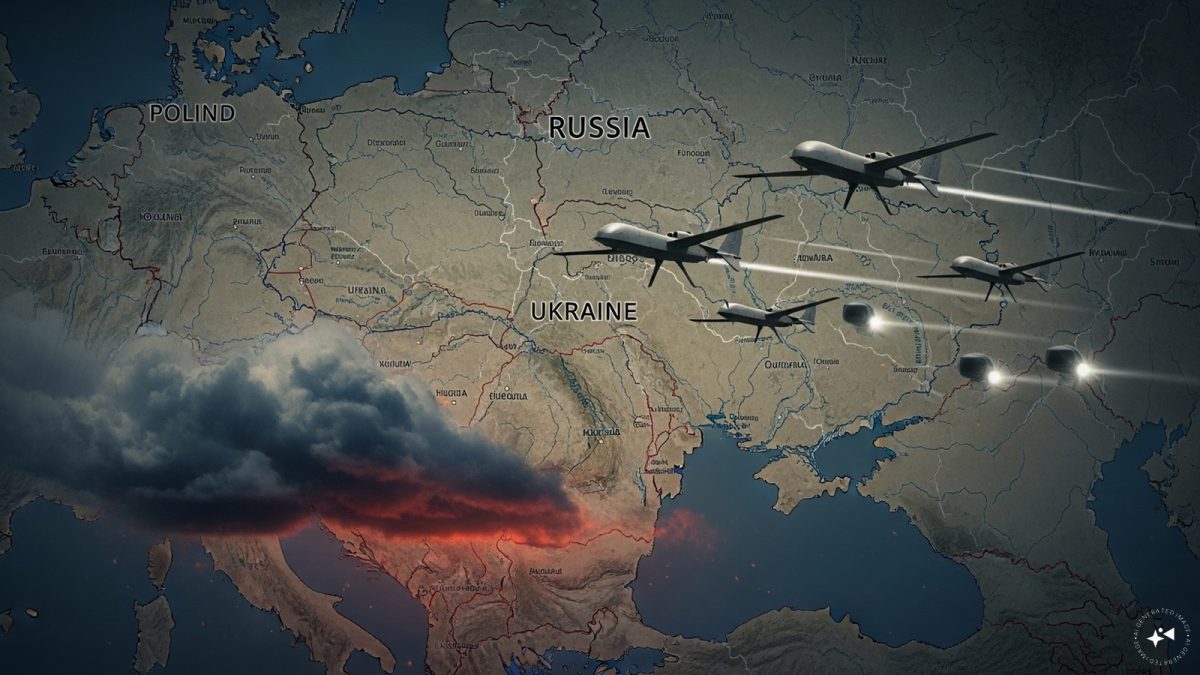 "Russian drones over Poland: Trump’s tepid reaction a wake-up call for Nato?")
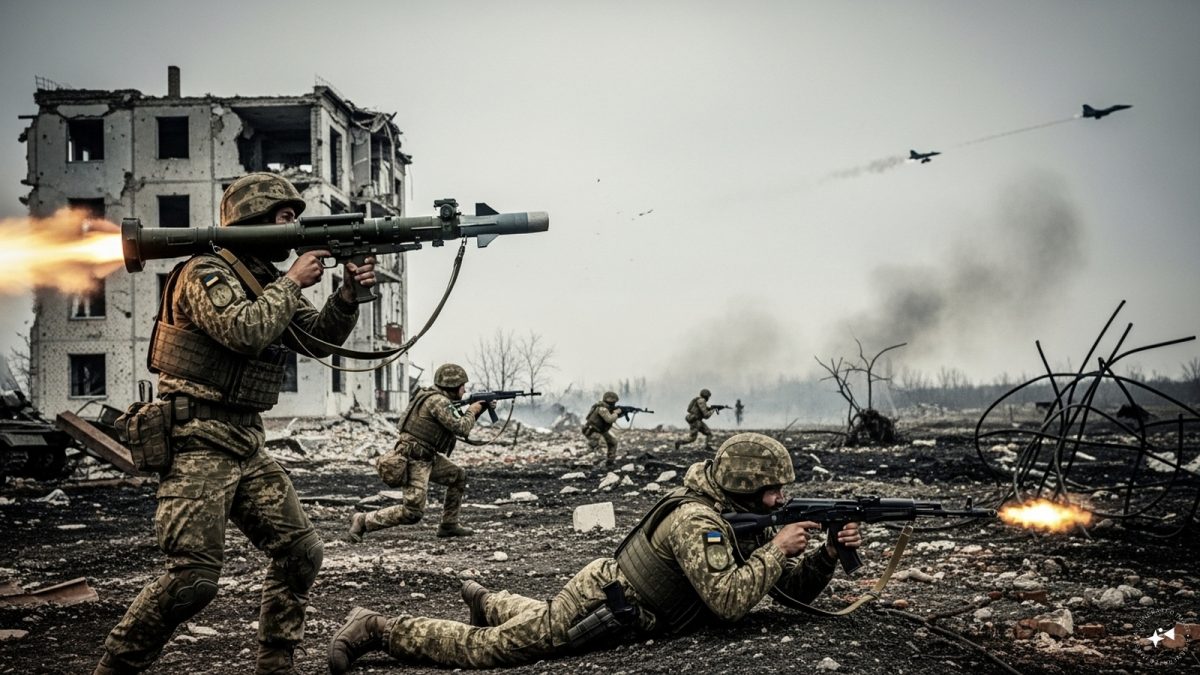 "As Russia pushes east, Ukraine faces mounting pressure to defend its heartland")
 "Why Mossad was not on board with Israel’s strike on Hamas in Qatar")
 "Turkey: Erdogan's police arrest opposition mayor Hasan Mutlu, dozens officials in corruption probe")
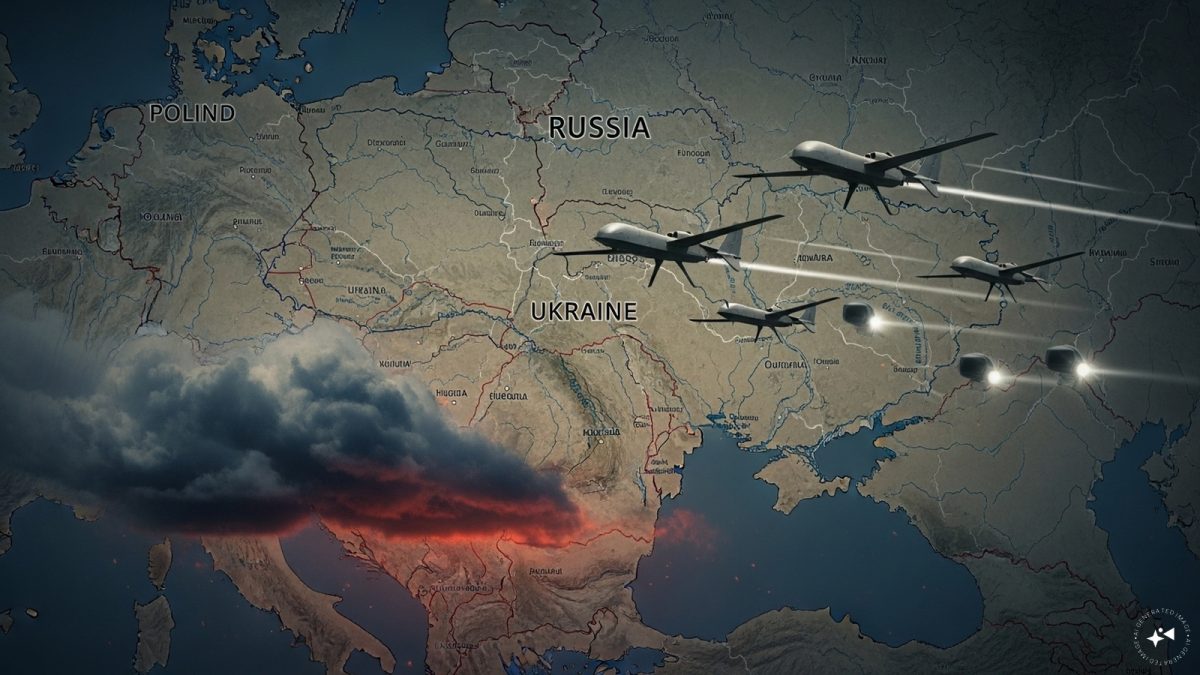 "Russian drones over Poland: Trump’s tepid reaction a wake-up call for Nato?")
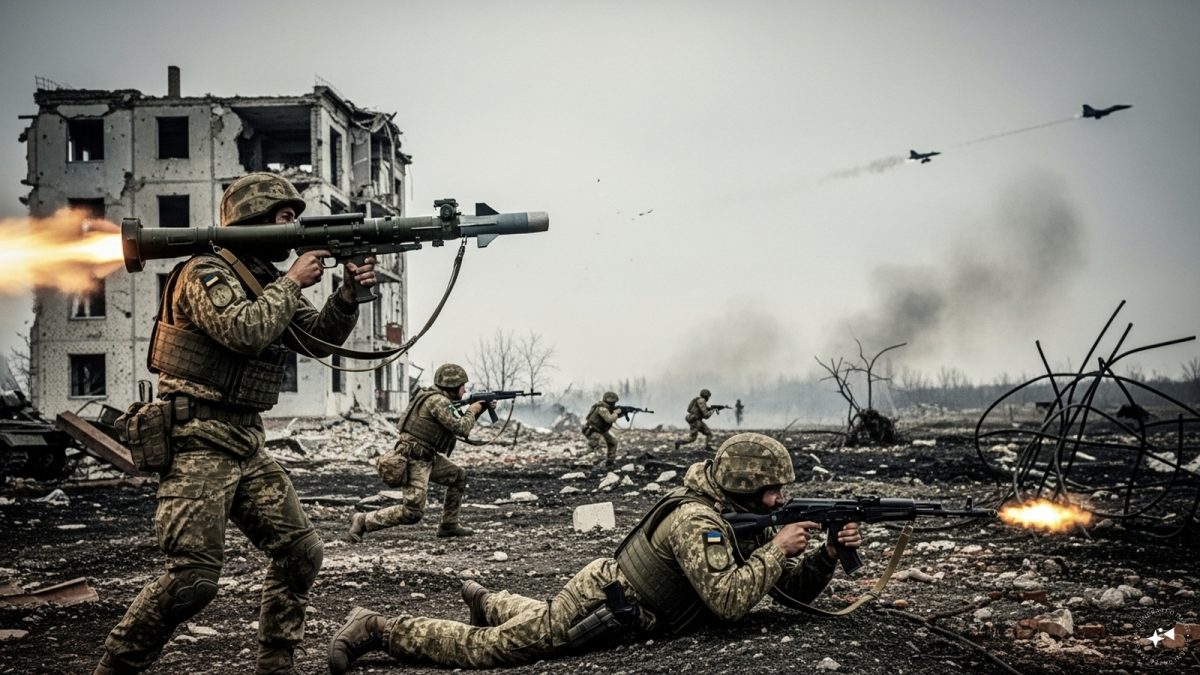 "As Russia pushes east, Ukraine faces mounting pressure to defend its heartland")
 "Why Mossad was not on board with Israel’s strike on Hamas in Qatar")
 "Turkey: Erdogan's police arrest opposition mayor Hasan Mutlu, dozens officials in corruption probe")



