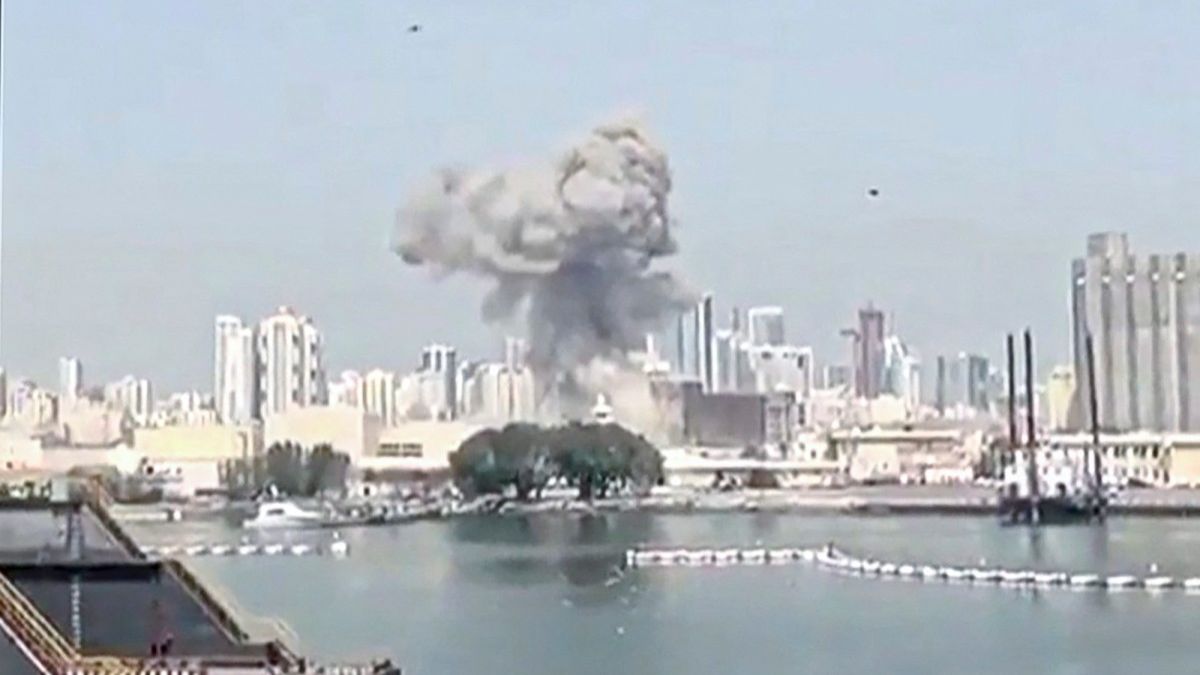
 "Rising Bharat Summit: Expert warns Iran holds multiple retaliation options as Israel, US launch strikes")
As direct fighting erupted between Iran and the US-Israel axis on Saturday, a note of caution sounded at News18’s Rising Bharat Summit, where a European military expert warned that escalation could spiral beyond Western control.
Addressing the summit, Swiss military historian Adrien Fontanellaz said the confrontation reflects a broader transformation in global power dynamics. He argued that the era when the international system appeared stable and US dominance uncontested has steadily given way to fragmentation and rivalry.
“In the early 2000s, many believed the global order was settled and governed by international law,” Fontanellaz said. “Over the past decade, that sense of stability has progressively eroded.”
He framed the current crisis within the shift from a US-led unipolar order to a more competitive multipolar system, where emerging powers such as India are reshaping geopolitical balances. Such transitions, he suggested, often generate friction and unexpected flashpoints.
The renewed hostilities involving Iran and Israel, with active US participation, illustrate that instability. According to Fontanellaz, Washington may be underestimating the complexity and potential fallout of confronting Tehran.
Drawing historical parallels, he compared US President Donald Trump with Russian President Vladimir Putin, noting that both have at times relied on rapid, decisive military moves aimed at avoiding drawn-out wars. He pointed to Russia’s swift 2008 campaign in Georgia and the annexation of Crimea as examples of operations that appeared successful at first but may have contributed to Moscow’s later miscalculation in Ukraine, where a conflict expected to conclude quickly evolved into a prolonged war drawing in Western Europe.
Quick Reads
View AllFontanellaz cautioned that a similar risk of misjudgement could exist in the current Iran confrontation. While early military actions may appear tightly managed, he stressed that the real uncertainty lies in Tehran’s possible next steps.
He outlined what he described as multiple viable retaliation options available to Iran in the event of deeper escalation. These include targeting US naval forces in the Persian Gulf, deploying an arsenal estimated at over 1,000 long-range ballistic missiles, striking American-linked facilities in Saudi Arabia with shorter-range projectiles, and activating allied regional militias.
Fontanellaz also characterized Iran’s missile program—together with its contested nuclear capabilities—as a central pillar of its deterrence strategy. In his assessment, these tools serve as strategic leverage embedded in Iran’s national security doctrine, making them unlikely to be abandoned easily under pressure.
“What is particularly worrying,” he noted, “is that Israel and the United States may not fully control how Iran chooses to escalate.”
As active hostilities continue, analysts warn that the conflict could extend beyond limited exchanges. Unlike previous shadow wars or contained strikes, the current trajectory raises the prospect of broader regional involvement, disruptions to energy routes, and a sustained geopolitical confrontation with unpredictable consequences.

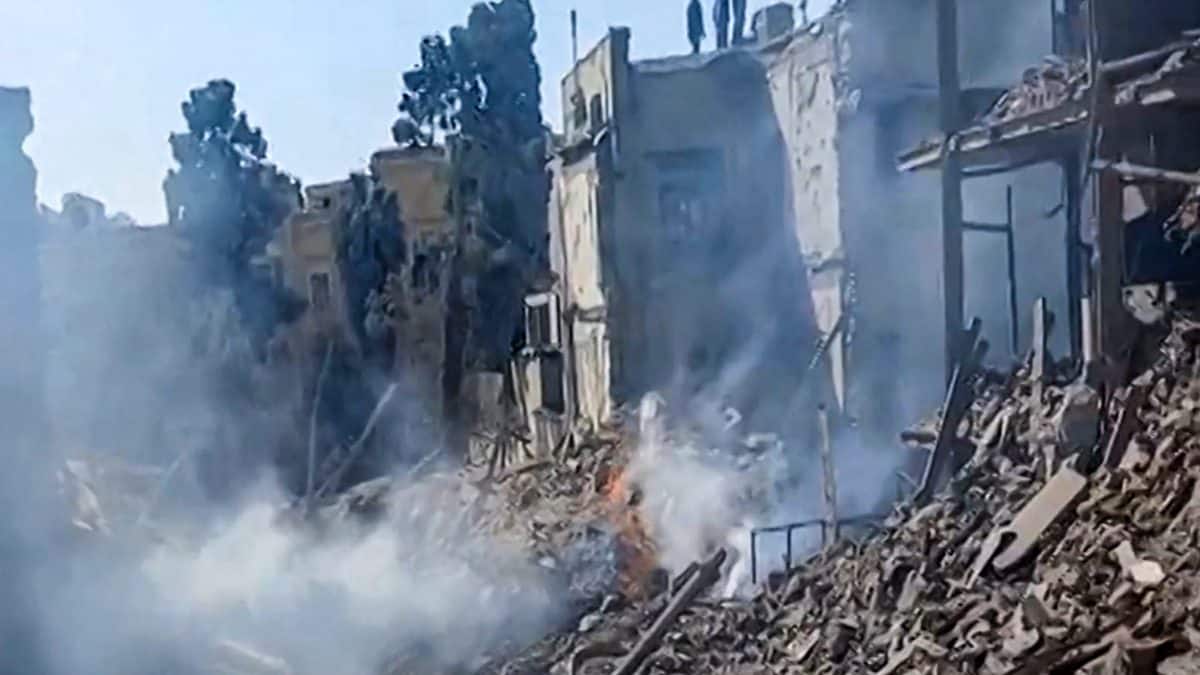
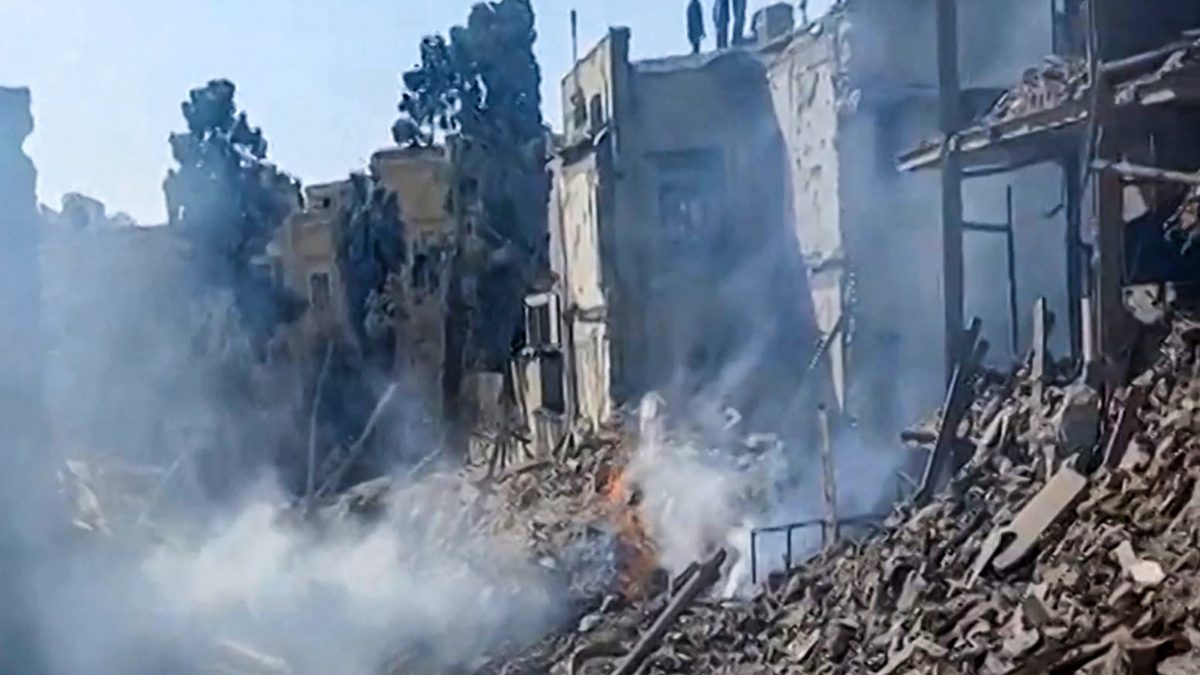 "Israel-Iran attack Live Updates: Israel says Khamenei, Pezeshkian targeted in US-backed strikes; fresh explosions reported across West Asia")
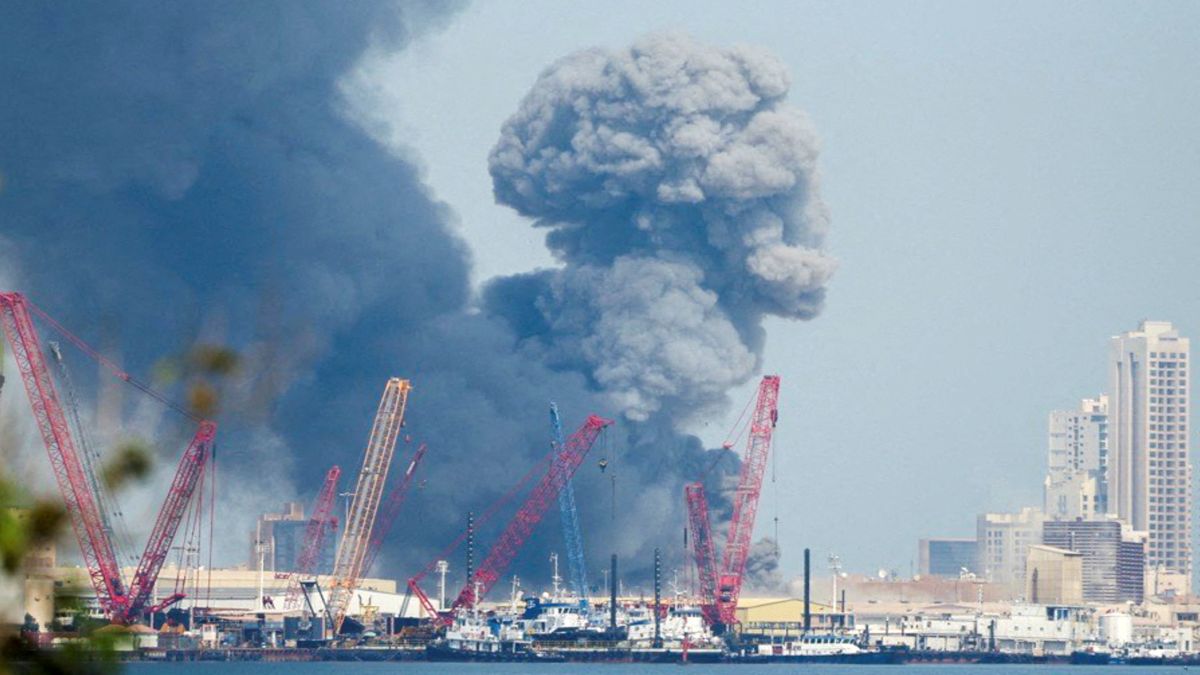 "Bahrain, Kuwait, Qatar and UAE: The US military bases in the Gulf that Iran targeted")
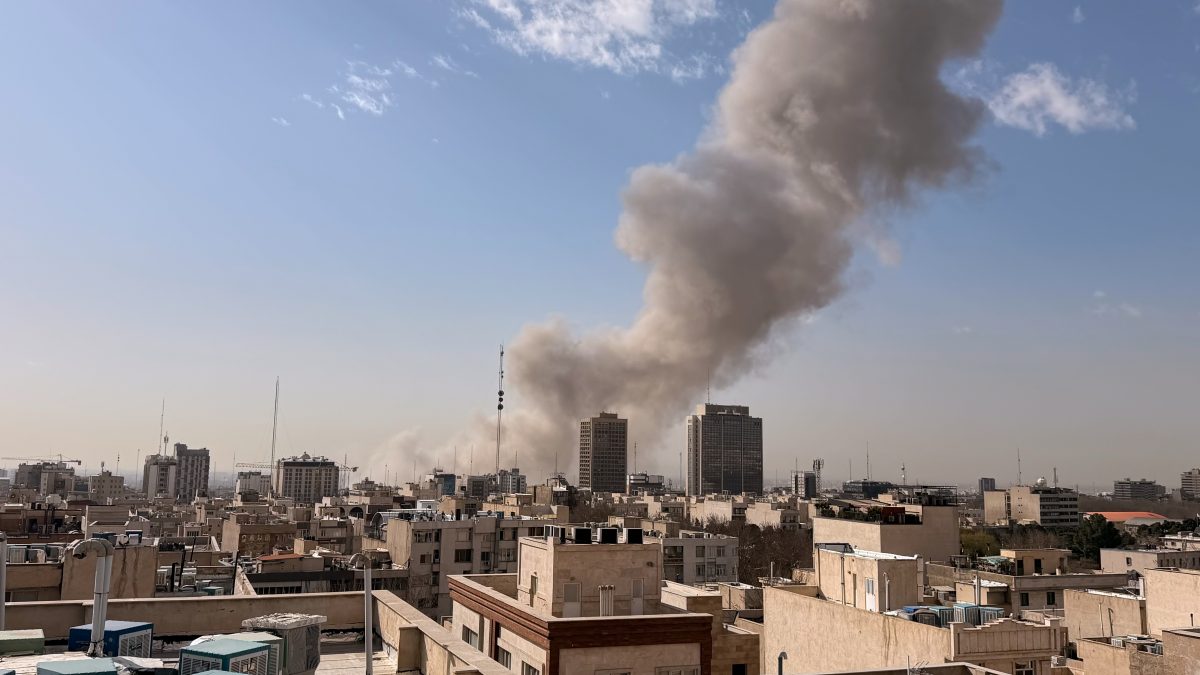
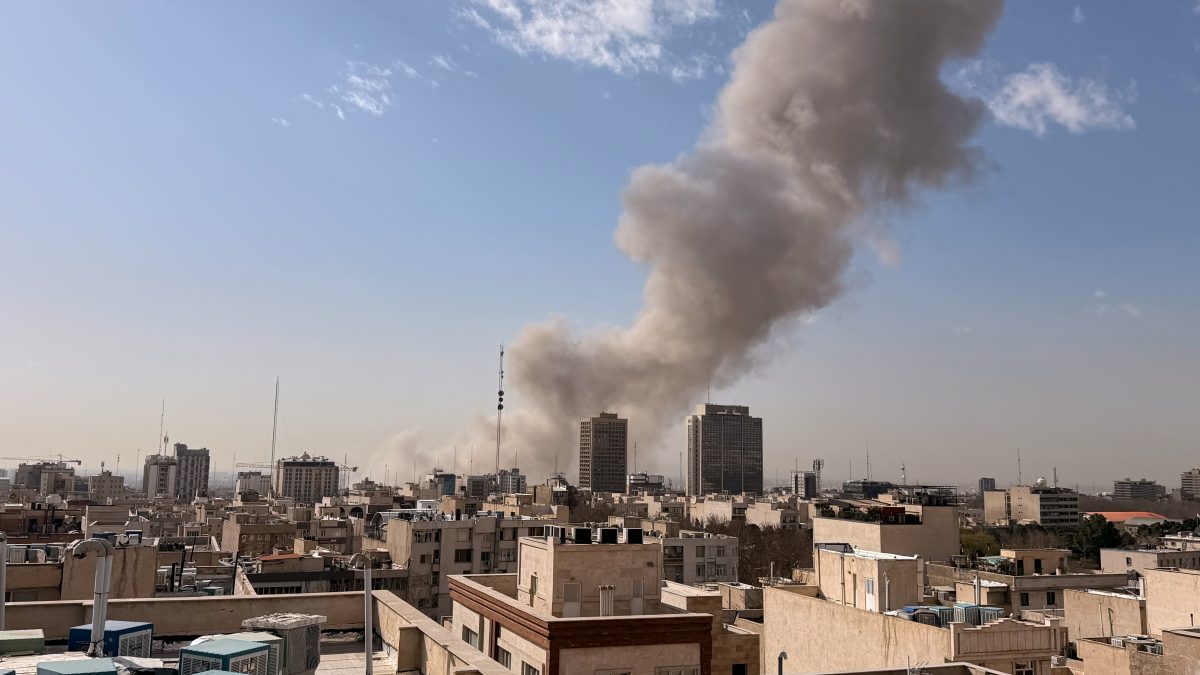 "Blasts reported across Bahrain, UAE and Kuwait as Iran retaliation fears rise after US–Israel strikes")
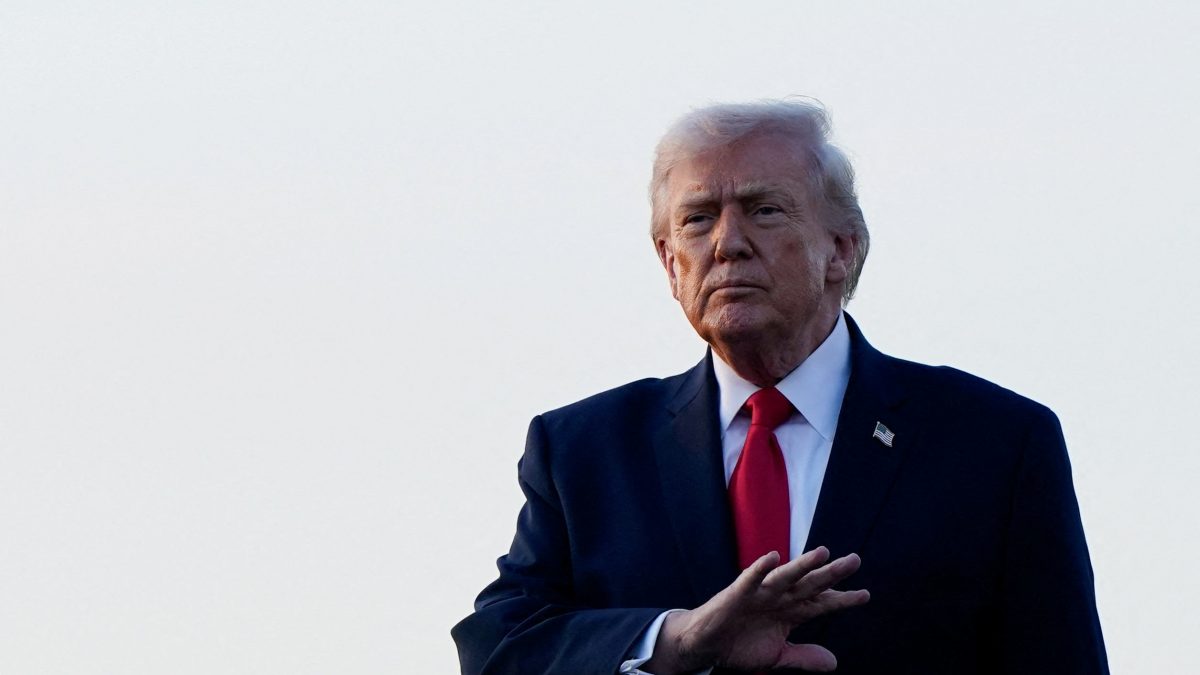
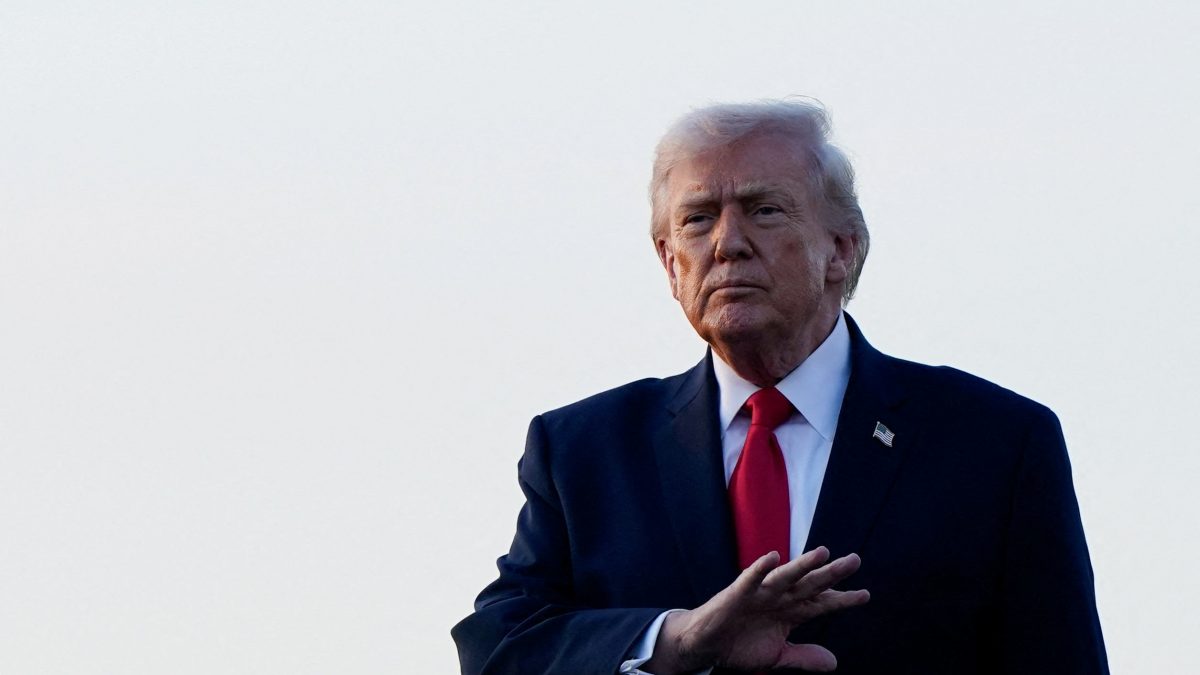 "‘Take over your govt’: Read Donald Trump’s full statement on US ‘major combat operations’ in Iran")
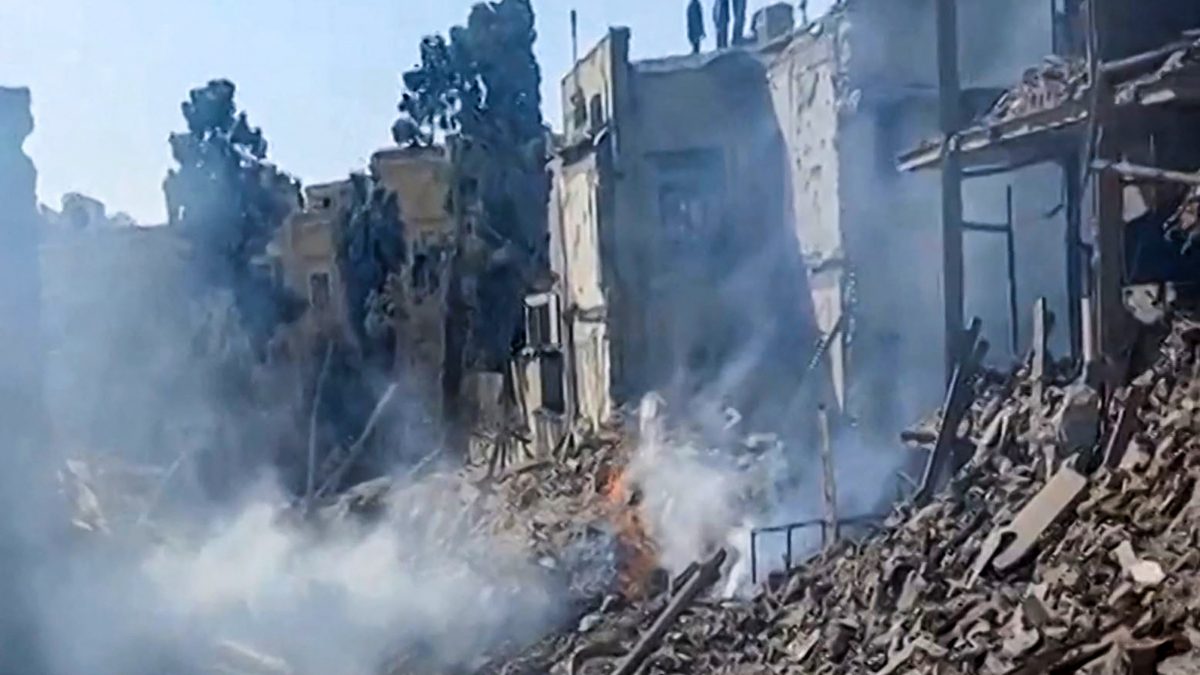 "Israel-Iran attack Live Updates: Israel says Khamenei, Pezeshkian targeted in US-backed strikes; fresh explosions reported across West Asia")
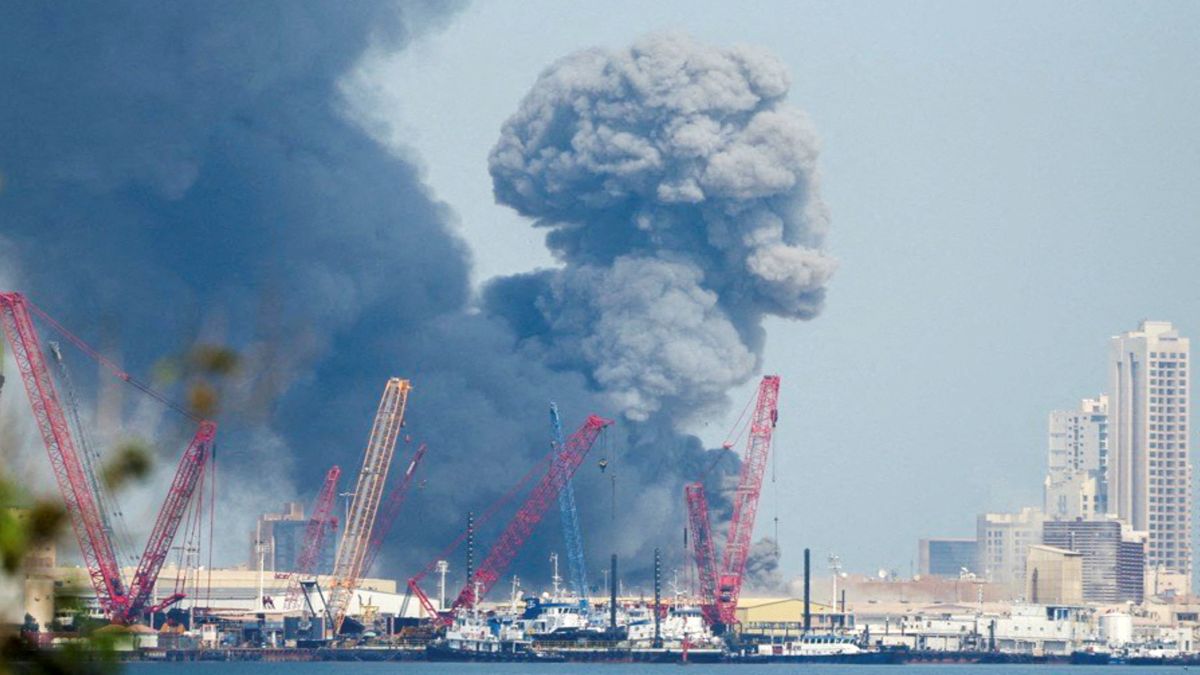 "Bahrain, Kuwait, Qatar and UAE: The US military bases in the Gulf that Iran targeted")
 "Blasts reported across Bahrain, UAE and Kuwait as Iran retaliation fears rise after US–Israel strikes")
 "‘Take over your govt’: Read Donald Trump’s full statement on US ‘major combat operations’ in Iran")