 "‘Unlike Venezuela, Trump can’t control Iran’s response’: Historian Adrien Fontanellaz on why Iran will be difficult")
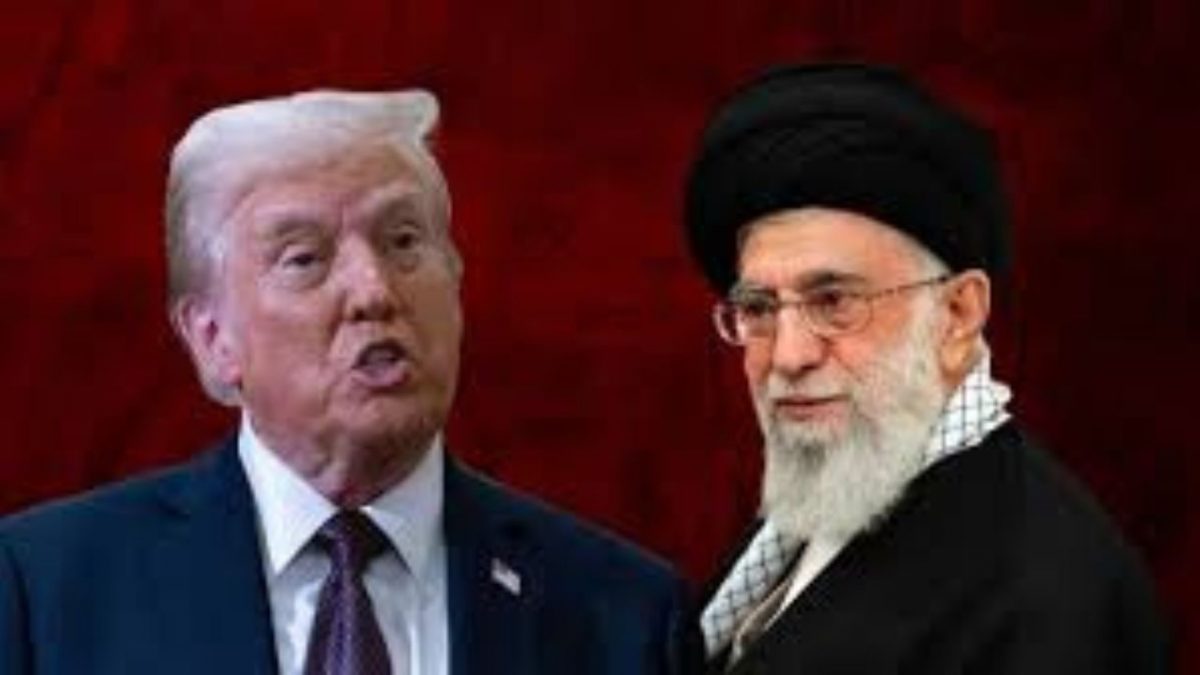
Unlike last month’s invasion of Venezuela or last year’s attack on Iran, the ongoing offensive against Iran will be much more difficult as President Donald Trump will not be able to predict or control Iran’s retaliation, military historian Adrien Fontanellaz has warned.
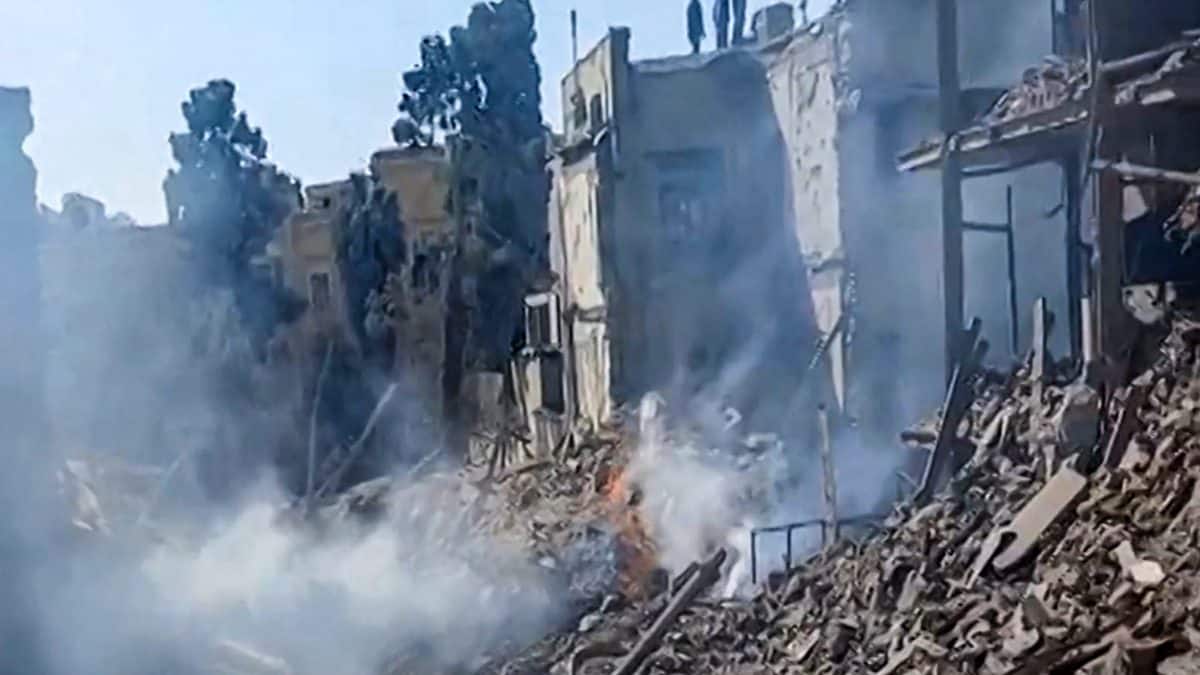
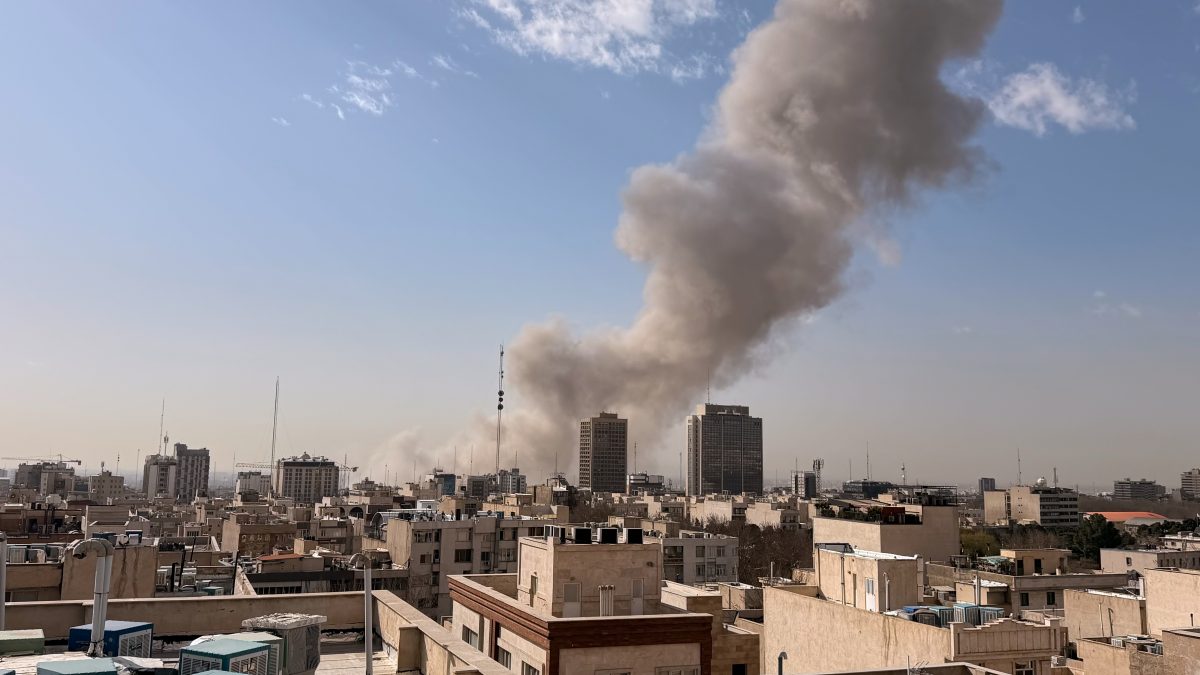
The United States and Israel on Saturday launched a joint offensive against Iran, striking several neighbourhoods in Tehran, including the area where President Masoud Pezeshkian and Supreme Leader Ayatollah Khamenei normally reside. Explosions have also been reported in several other cities like Isfahan and Karaj.
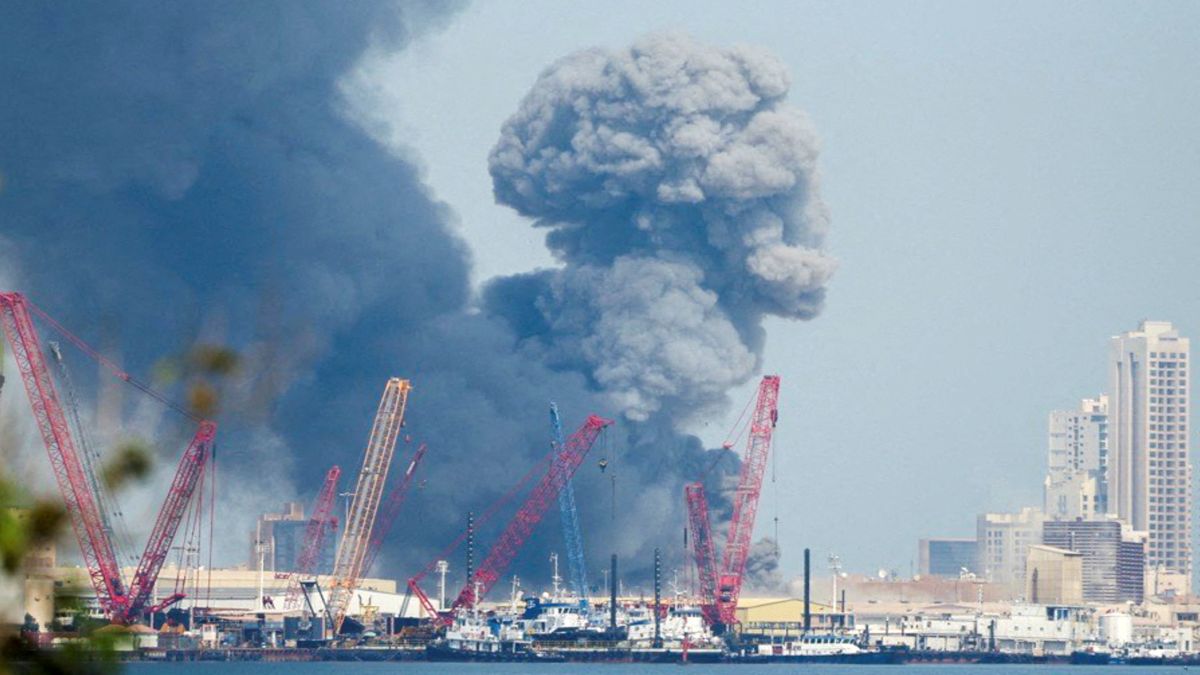
Iran has also begun retaliating and strikes have been reported across Israel. Iranian strikes have also targeted American troops and bases in Qatar, Bahrain, and the United Arab Emirates (UAE). As per reports from the region, both sides continue to attack each other, and the scale of damage and casualties is not known.
In an interview at Rising Bharat Summit, Swiss historian Fontanellaz said that last year’s attack on Iran was for “PR points” and neither side wished to get into a protracted conflict, but that would not be the case this time.
Unlike last time when Iran’s retaliatory strikes at a US base in Qatar were telegraphed so as to seek an offramp, the retaliation this time would not be about signalling but real, said Fontanellaz.
“The danger this time is that there is no control over what the Iranian will do. They have plenty of ways to try to retaliate. Iran has serious and several options to retaliate. For example, they could target American ships in the Persian Gulf. They have, according to the Israeli, at least 1,000 long-range ballistic missiles in stock. They have also thousands of short-range missiles — enough to reach bases in Saudi Arabia, the Emirates, and Qatar, for instance,” said Fontanellaz.
The United States and Israel launched the offensive days after American negotiators held talks with Iranian officials in Geneva. In recent weeks, Trump had deployed hundreds of military aircraft and dozens of warships to the region. They joined tens of thousands of American troops in the region. Analysts have noted that he had deployed 40-50 per cent of American air power to the region — the build-up being the largest since the US-led invasion of Iraq in 2003.
Iran unlikely to give nuclear programme
While the United States and Israel have dubbed their attack as a pre-emptive strike, Fontanellaz said they obviously intend to “try and bring Iran to the negotiating table so they can open up their nuclear facilities to inspections or to push them into demilitarising or deweaponising their nuclear options”.
But can such an approach succeed? Fontanellaz does not believe so.
“I’m very skeptical because the long-range ballistic missiles and the nuclear-threshold capability are kind of insurances for Iranians and guardians of the revolution perspectives. So I guess they will not give up the nuclear programme. My assumption is they will not renounce on them so easily. But we’ll see,” said Fontanellaz.
Even as Iran has been weakened in multiple aerial battles with Israel and the United States, it has a network of proxies and allies in the region like the Houthis and Iran-backed militias in Iraq to respond to the US-Israeli attack.

 "Israel-Iran attack Live Updates: Israel says Khamenei, Pezeshkian targeted in US-backed strikes; fresh explosions reported across West Asia")
 "Bahrain, Kuwait, Qatar and UAE: The US military bases in the Gulf that Iran targeted")
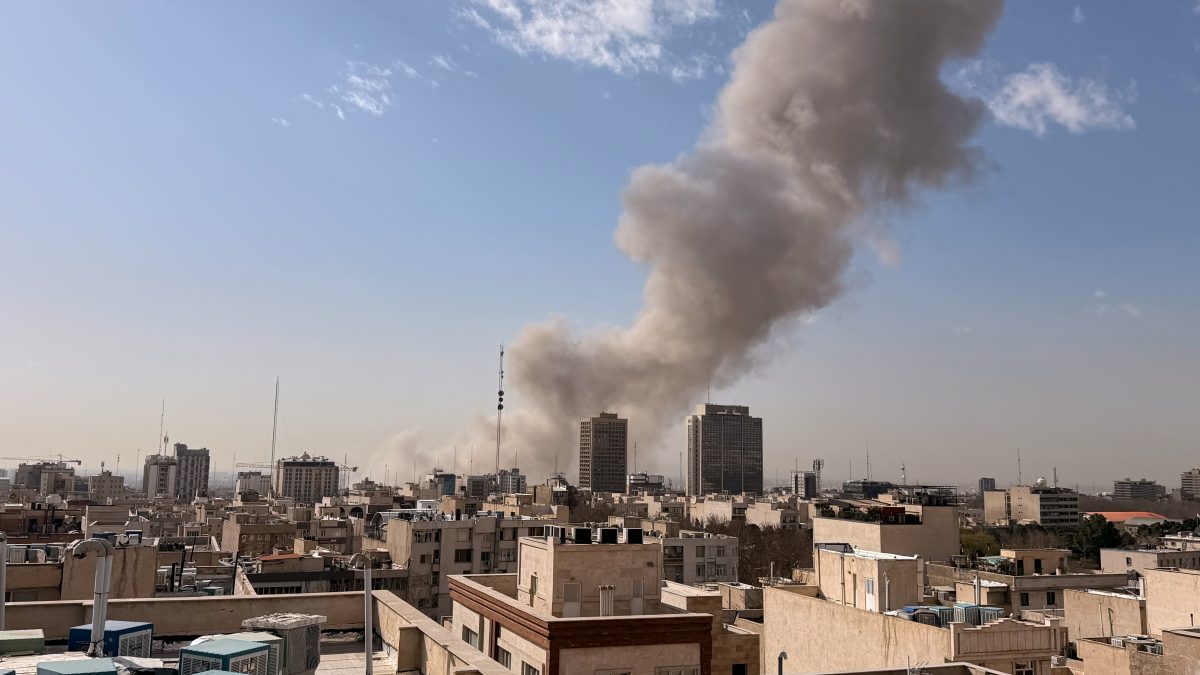 "Blasts reported across Bahrain, UAE and Kuwait as Iran retaliation fears rise after US–Israel strikes")
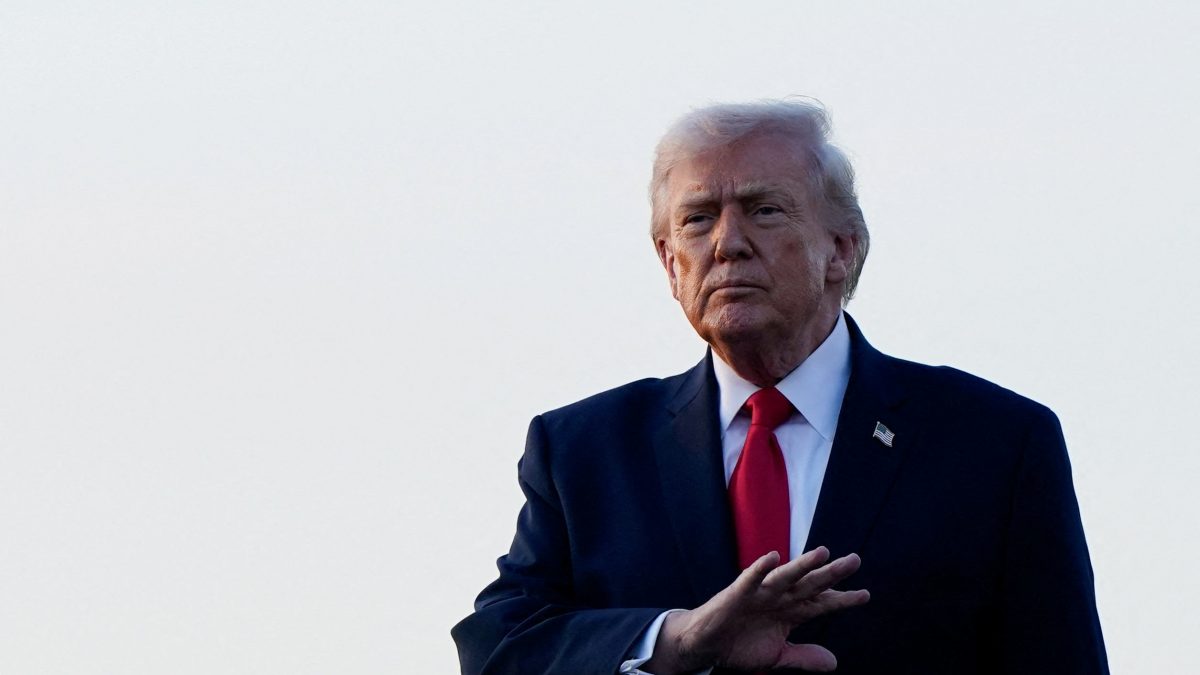 "‘Take over your govt’: Read Donald Trump’s full statement on US ‘major combat operations’ in Iran")
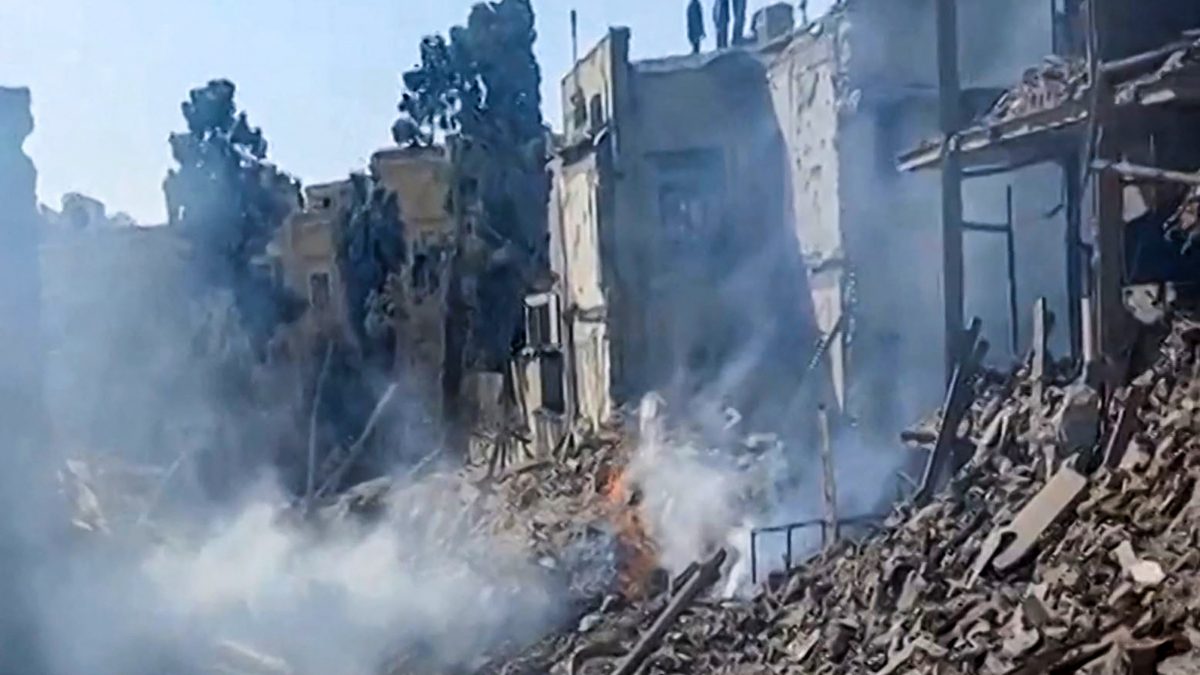 "Israel-Iran attack Live Updates: Israel says Khamenei, Pezeshkian targeted in US-backed strikes; fresh explosions reported across West Asia")
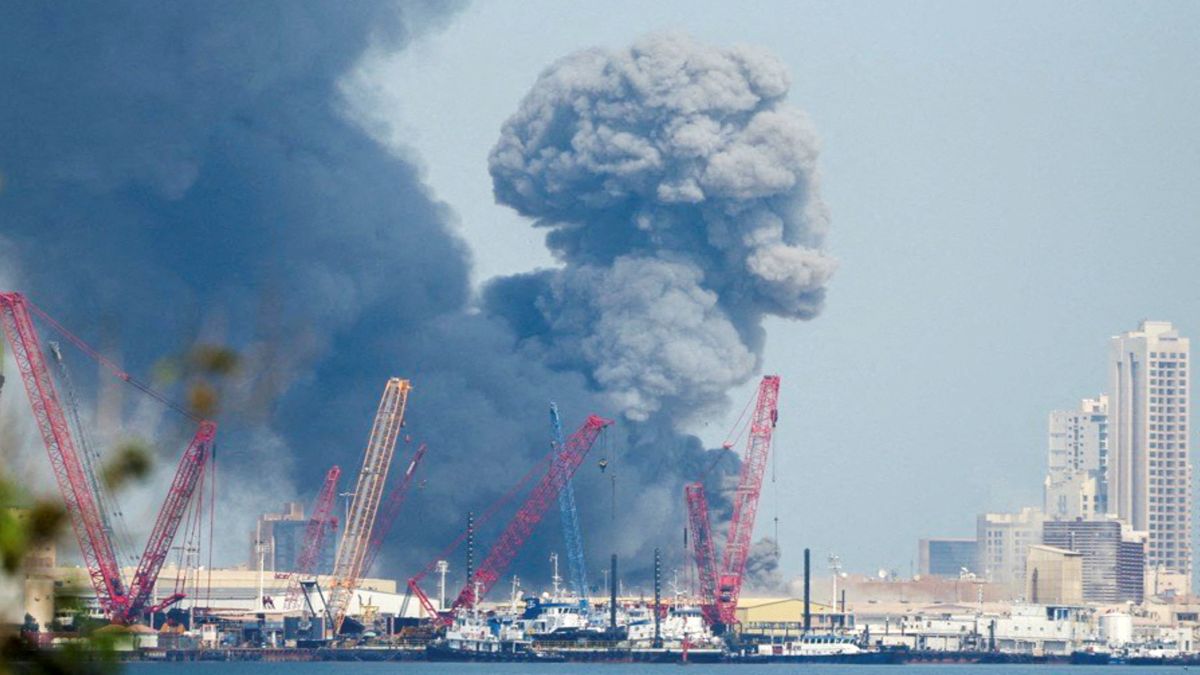 "Bahrain, Kuwait, Qatar and UAE: The US military bases in the Gulf that Iran targeted")
 "Blasts reported across Bahrain, UAE and Kuwait as Iran retaliation fears rise after US–Israel strikes")
 "‘Take over your govt’: Read Donald Trump’s full statement on US ‘major combat operations’ in Iran")