

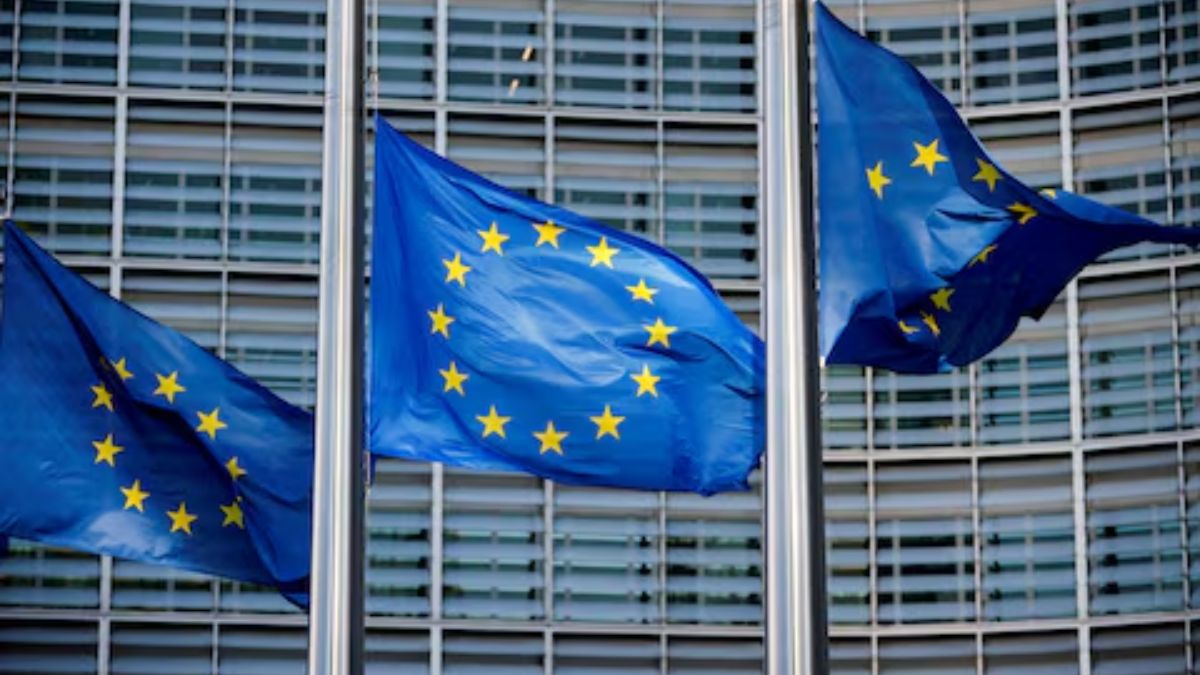
 "Promise of more deportations is the latest part of EU take right turn on migration policie")
The EU’s rightward shift on migration is evident as countries like Italy continue to push for deporting refugees back to Syria, despite the country’s ongoing civil war. Meanwhile, von der Leyen has endorsed additional measures to further limit migrant flows into the bloc, continuing the European Union’s (EU) tightening stance on migration.
European Commission President Ursula von der Leyen is set to propose tougher laws and more aggressive deportation policies for rejected asylum seekers as anti-immigrant parties gain momentum across Europe.
Ahead of a meeting of the bloc’s 27 leaders on Thursday (October 17), more than half of EU member states, including France and Germany, urged von der Leyen to tighten deportation measures.
The ‘return hubs’
The EU chief responded with plans that include the establishment of deportation centers outside the bloc’s borders, Politico reported.
“We see that from all those who have no right to stay in the European Union, only 20 per cent are actually returned to their countries of origin,” von der Leyen said during a press conference, pushing for the need for more effective returns.
She said the concept of “return hubs” was being discussed and received enthusiastic support from Greek Prime Minister Kyriakos Mitsotakis.
The proposals come at a time when the number of migrants arriving in the EU is declining. Fewer than 300,000 people reached the continent in 2023, with the EU’s border agency Frontex projecting about 160,000 arrivals this year, a sharp drop from the more than 1 million migrants who entered the EU during the 2015 migration crisis.
Impact Shorts
More ShortsWho are ‘safe countries’ now?
The EU is also considering revising its definition of “safe” countries to make deportations easier. Austrian Chancellor Karl Nehammer and Italian officials are leading a push to declare Syria, ruled by Bashar Assad, and Taliban-controlled Afghanistan as safe countries, a move that could expedite returns to those regions.
Polish Prime Minister Donald Tusk secured backing for an asylum ban targeting those entering from Russia and Belarus, accusing Moscow of using migrants to destabilize Poland.
EU leaders unanimously supported the measure, signing a statement that read, “Exceptional situations require appropriate measures,” and condemning any attempt to “abuse our values.”
Opposition remains
While von der Leyen’s proposals have broad support, they face opposition from some quarters. Spanish Prime Minister Pedro Sánchez, a socialist, criticised the idea of “return hubs” during the summit, saying they “don’t solve any problems and create other ones.”
Sánchez, along with Germany, is pushing for more emphasis on the EU’s landmark migration and asylum pact agreed upon in December.


 "Russian drones over Poland: Trump’s tepid reaction a wake-up call for Nato?")
 "As Russia pushes east, Ukraine faces mounting pressure to defend its heartland")
 "Why Mossad was not on board with Israel’s strike on Hamas in Qatar")
 "Turkey: Erdogan's police arrest opposition mayor Hasan Mutlu, dozens officials in corruption probe")
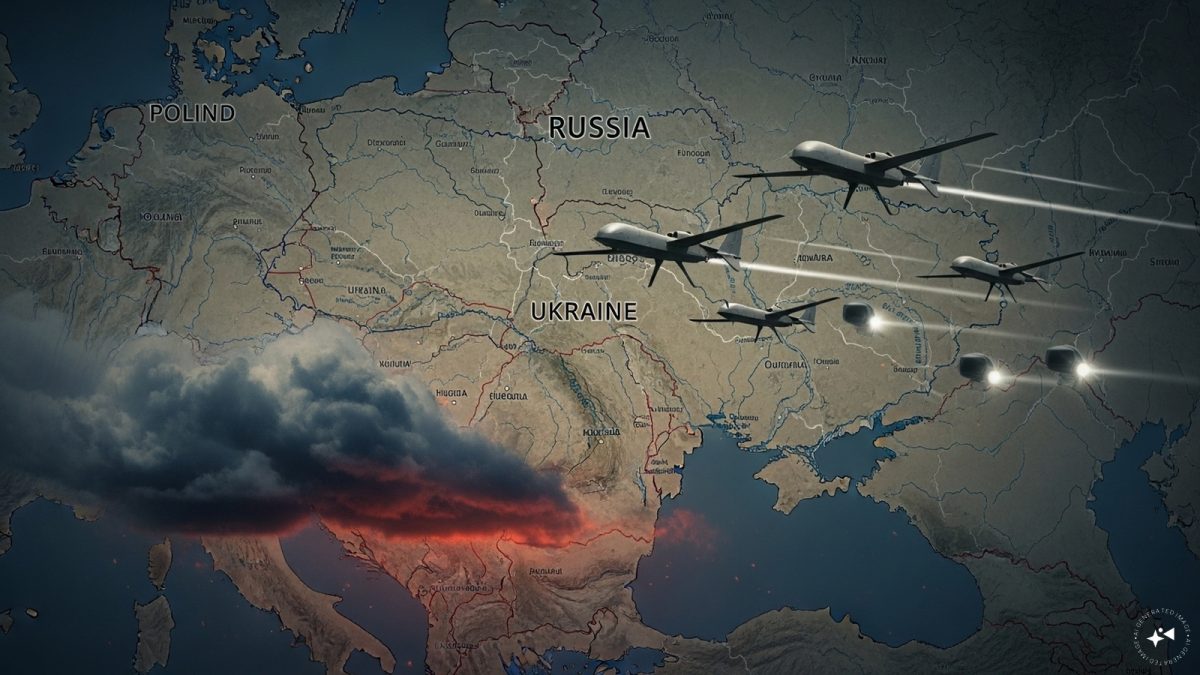 "Russian drones over Poland: Trump’s tepid reaction a wake-up call for Nato?")
 "As Russia pushes east, Ukraine faces mounting pressure to defend its heartland")
 "Why Mossad was not on board with Israel’s strike on Hamas in Qatar")
 "Turkey: Erdogan's police arrest opposition mayor Hasan Mutlu, dozens officials in corruption probe")



