

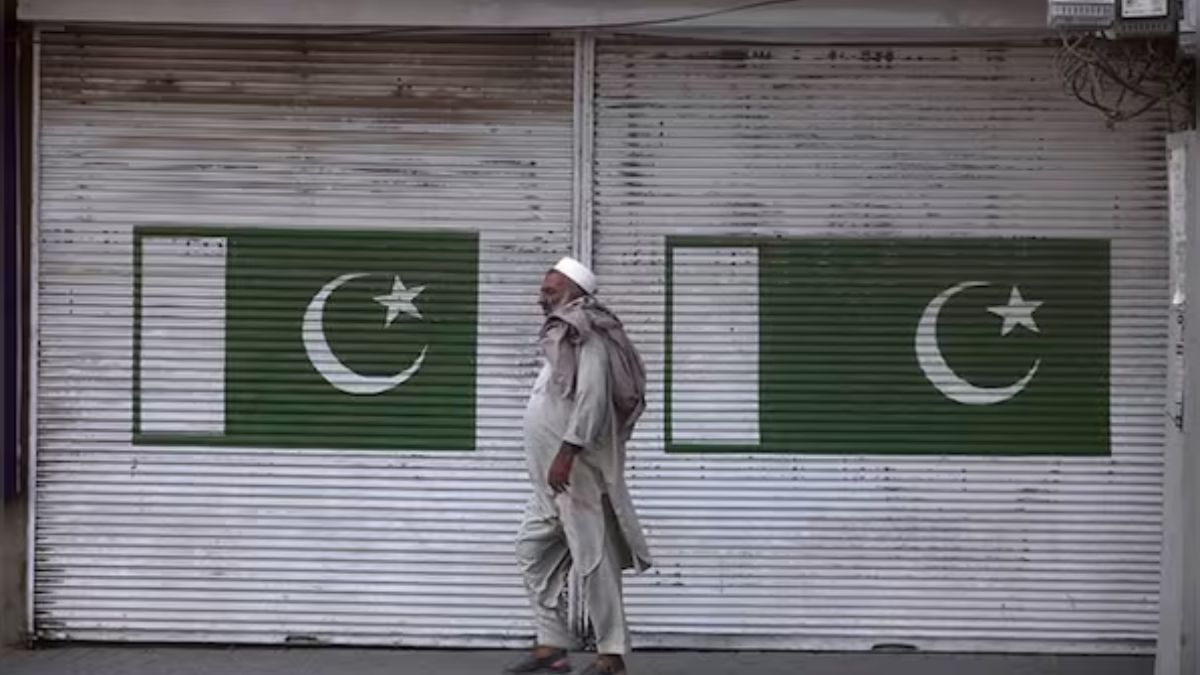
 "Pakistan FM Aurangzeb rules out rupee devaluation in talks with IMF")
Pakistan’s new government is not expecting any significant currency devaluation as part of its negotiations with the International Monetary Fund (IMF) to access billions of dollars in lending and strengthen the nation’s economic reform agenda.
Finance Minister Muhammad Aurangzeb stated that there would be no rationale for the rupee to depreciate beyond the typical range of about 6% to 8% observed in a typical year. The last devaluation of Pakistan’s currency occurred in January 2023.
While substantial devaluations have accompanied some of Pakistan’s previous IMF loans, and are often a condition of the crisis lender’s programs worldwide, the finance minister believes that nothing comparable should be necessary this time. He made these remarks during an interview on the sidelines of the IMF and World Bank spring meetings in Washington.
“I don’t see the need for any step change,” Aurangzeb told Bloomberg on Wednesday, citing solid foreign-exchange reserves, a stable currency, rising remittances and steady exports. “The only thing which can be a wild card, although in our projections we should be OK, is the oil price.”
Pakistan anticipates an IMF mission to visit in May this year and aims to achieve a staff-level agreement on its next loan by the end of June or early July, according to country’s FM. However, he did not specify the exact amount the nation is seeking. Earlier reports from Bloomberg News suggested that Pakistan plans to request at least $6 billion.
The IMF said said in March that it had reached a staff level agreement with Pakistan, which if approved by its board, will disburse $1.1 billion for the South Asian country’s broken economy as it struggles with a balance of payment crisis.
Impact Shorts
More ShortsThe funds are the final tranche of a $3 billion last-gasp rescue package Pakistan secured last summer, which averted a sovereign debt default. Islamabad is also seeking another long-term bailout.
Pakistan secured a $3 billion IMF stand-by arrangement last summer, but that runs out in April and the country is still struggling with record inflation, currency devaluation and shrinking foreign reserves.
The IMF has recommended Pakistan to adopt a market-driven exchange rate to help balance external accounts and rebuild foreign reserves. It asks for more transparency and flexibility in the market.
With inputs from agencies.


 "Russian drones over Poland: Trump’s tepid reaction a wake-up call for Nato?")
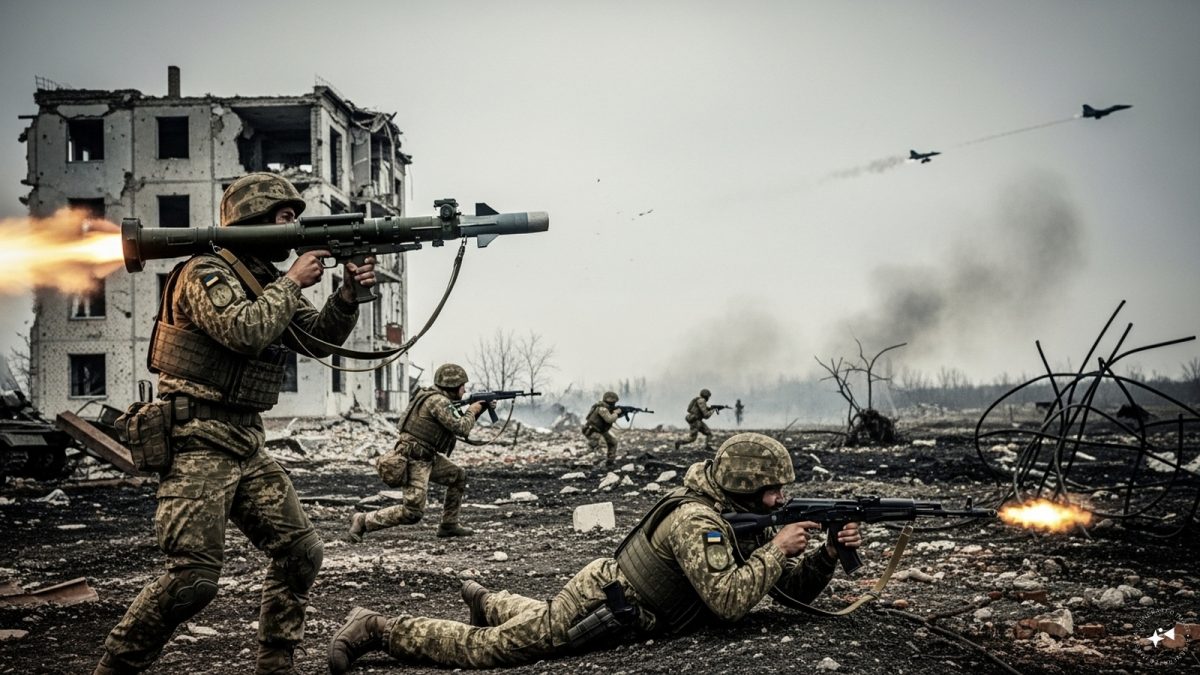 "As Russia pushes east, Ukraine faces mounting pressure to defend its heartland")
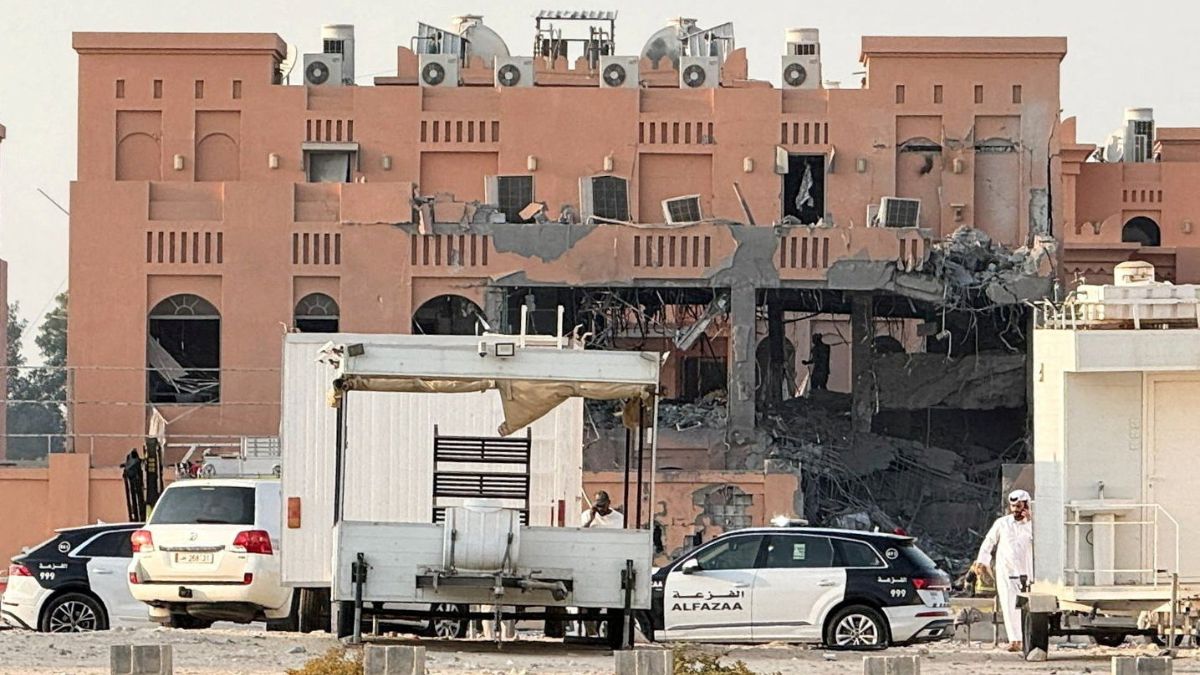 "Why Mossad was not on board with Israel’s strike on Hamas in Qatar")
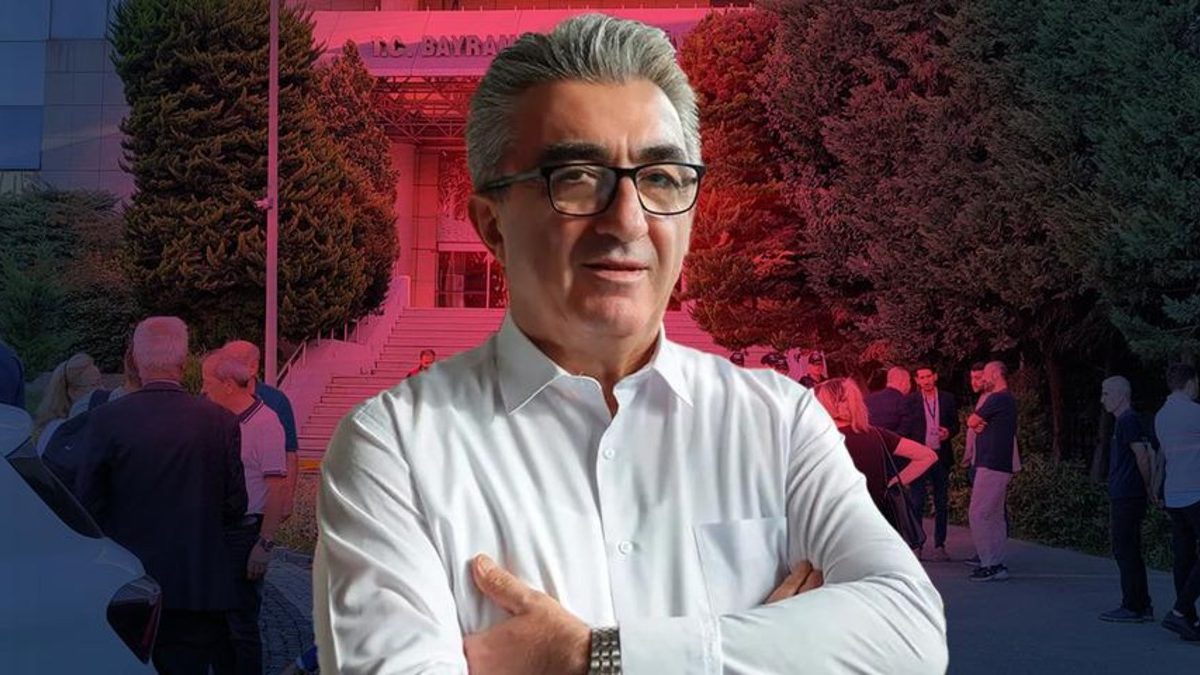 "Turkey: Erdogan's police arrest opposition mayor Hasan Mutlu, dozens officials in corruption probe")
 "Russian drones over Poland: Trump’s tepid reaction a wake-up call for Nato?")
 "As Russia pushes east, Ukraine faces mounting pressure to defend its heartland")
 "Why Mossad was not on board with Israel’s strike on Hamas in Qatar")
 "Turkey: Erdogan's police arrest opposition mayor Hasan Mutlu, dozens officials in corruption probe")



