

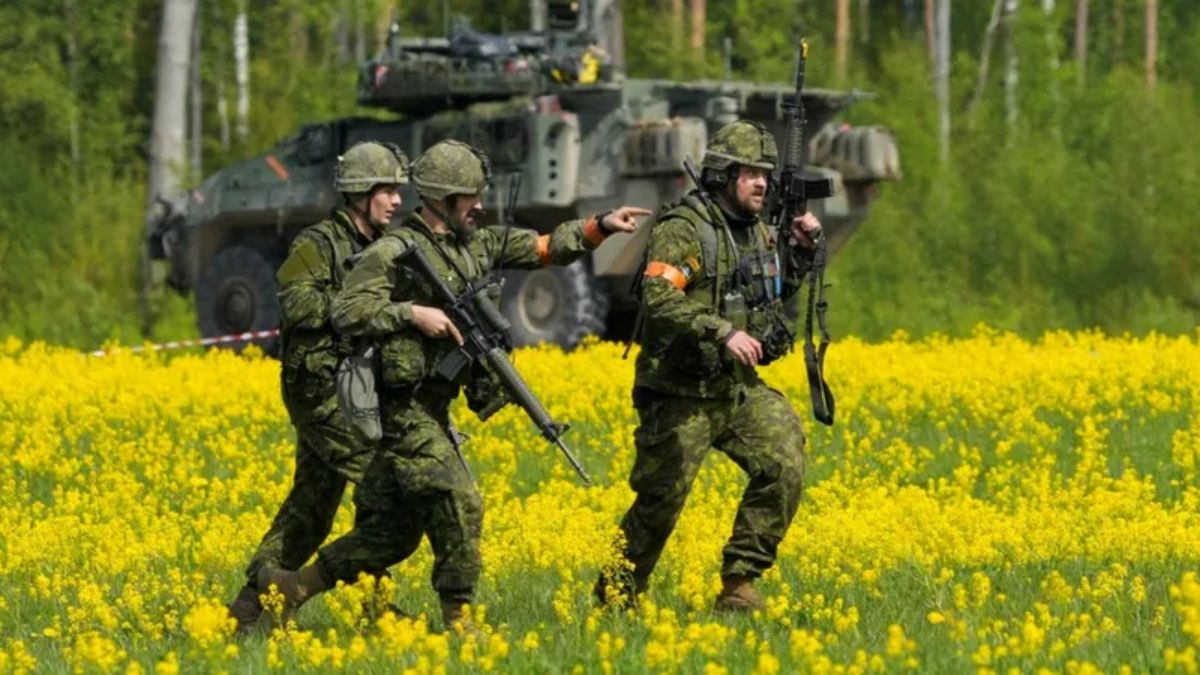
 "Over 300,000 NATO troops on high readiness to tackle threat from Russia")
NATO has surpassed its goal of placing 300,000 troops on high-readiness, a significant move in response to the threat from Russia, a senior alliance official told AFP on Thursday. This development comes as part of NATO’s strategic overhaul following Russia’s invasion of Ukraine in 2022.
After Moscow’s aggressive actions in Ukraine, NATO leaders committed to significantly boosting the number of forces ready for rapid deployment. The plan aimed to ensure commanders within the alliance could mobilize substantial troop numbers within 30 days. This move is considered a major shift in NATO’s approach, reflecting the alliance’s recognition of the heightened security risks in Europe and the need for rapid response capabilities.
“The offers on the table from allies comfortably exceed the 300,000 that we set,” the official said on condition of anonymity. “Those are forces which allies have said to us, ‘They are available to you as of now at that level of readiness’.
“The push to have more troops ready to respond quickly is part of a broader overhaul of NATO’s plans to stave off any potential Russian attack that was signed off at a summit last year. Those plans laid out for the first time since the end of the Cold War what each member of the US-led alliance would be expected to do in case of an invasion by Moscow.
Ukraine’s Western allies are trying to bolster their military support as Russian troops launch attacks along the more than 1,000-kilometer (620-mile) front line, taking advantage of a lengthy delay in U.S. military aid. European Union money was also held up by political infighting.
Impact Shorts
More ShortsNATO commanders are currently trying to make sure they have the capabilities to execute those plans if needed. But the alliance faces shortfalls in key weaponry such as air defences and longer-range missiles. “There are capability gaps. There are things that we don’t have enough of as an alliance at the moment and we need to tackle,” the official said.
The world’s biggest security alliance does not send weapons or ammunition to Ukraine as an organization, and has no plans to put troops on the ground. But many of its members give help on a bilateral basis, and jointly provide more than 90% of the country’s military support.
The other 31 allies see Russia’s war on Ukraine as an existential security threat to Europe, but most of them, including Biden, have been extremely cautious to ensure that NATO is not drawn into a wider conflict with Russia.
NATO operates on the basis that an attack on any single ally will be met with a response from them all.
With inputs from agencies.


 "Russian drones over Poland: Trump’s tepid reaction a wake-up call for Nato?")
 "As Russia pushes east, Ukraine faces mounting pressure to defend its heartland")
 "Why Mossad was not on board with Israel’s strike on Hamas in Qatar")
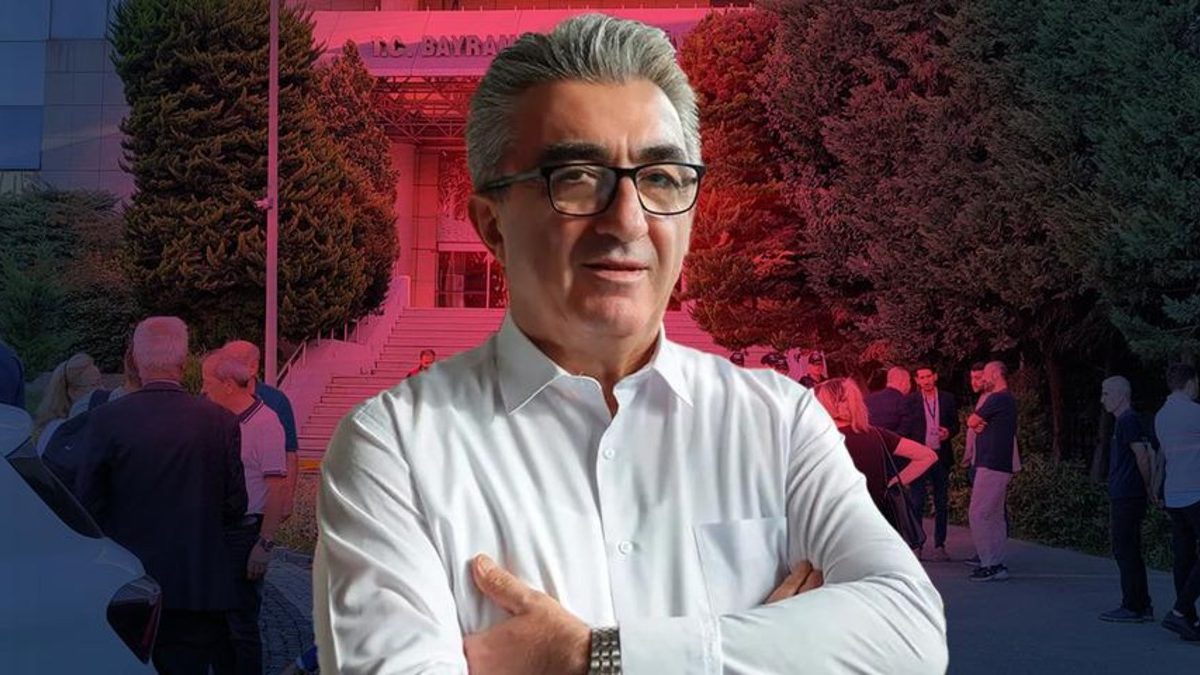 "Turkey: Erdogan's police arrest opposition mayor Hasan Mutlu, dozens officials in corruption probe")
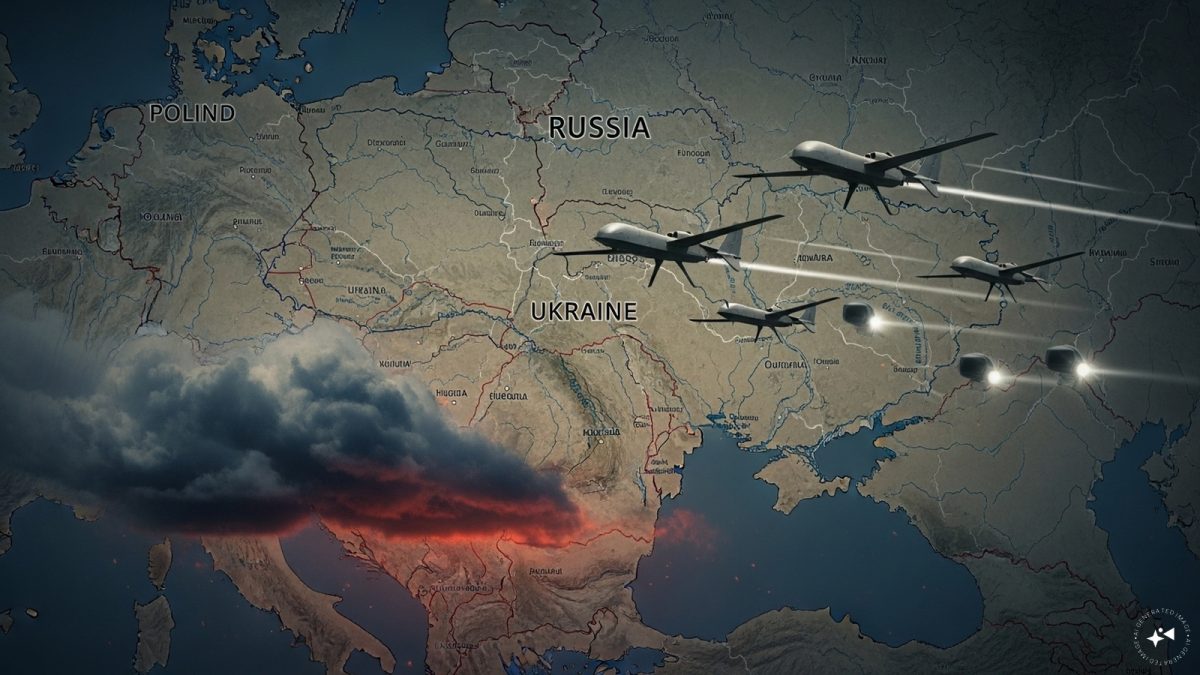 "Russian drones over Poland: Trump’s tepid reaction a wake-up call for Nato?")
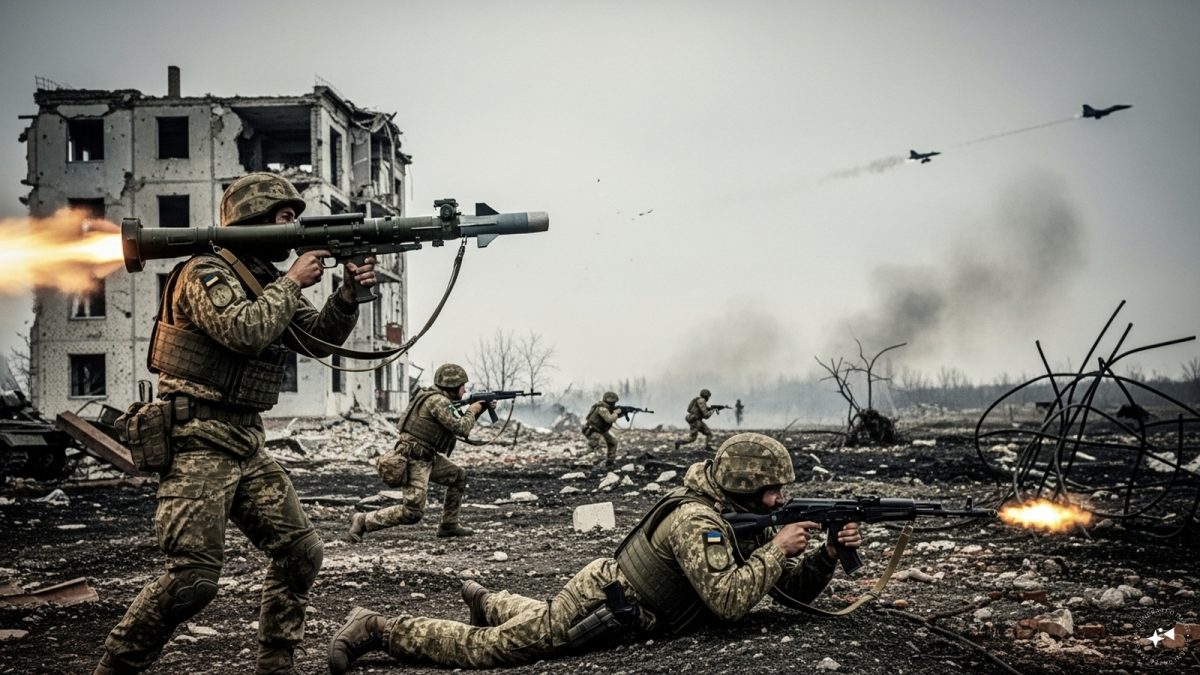 "As Russia pushes east, Ukraine faces mounting pressure to defend its heartland")
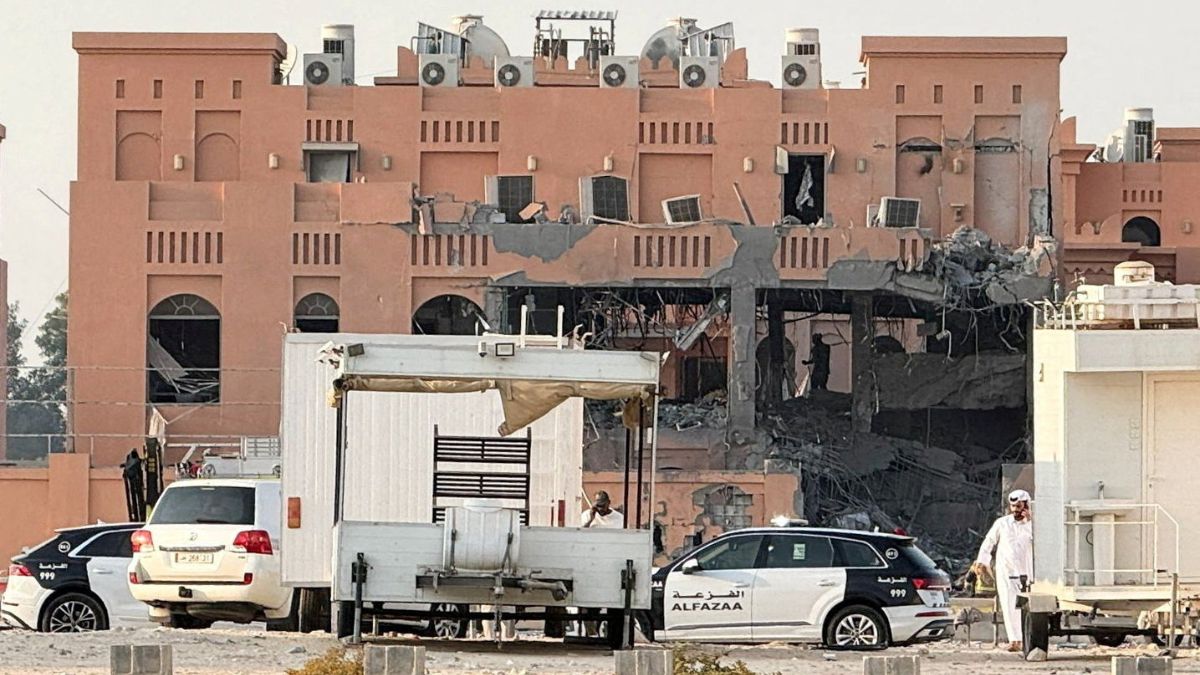 "Why Mossad was not on board with Israel’s strike on Hamas in Qatar")
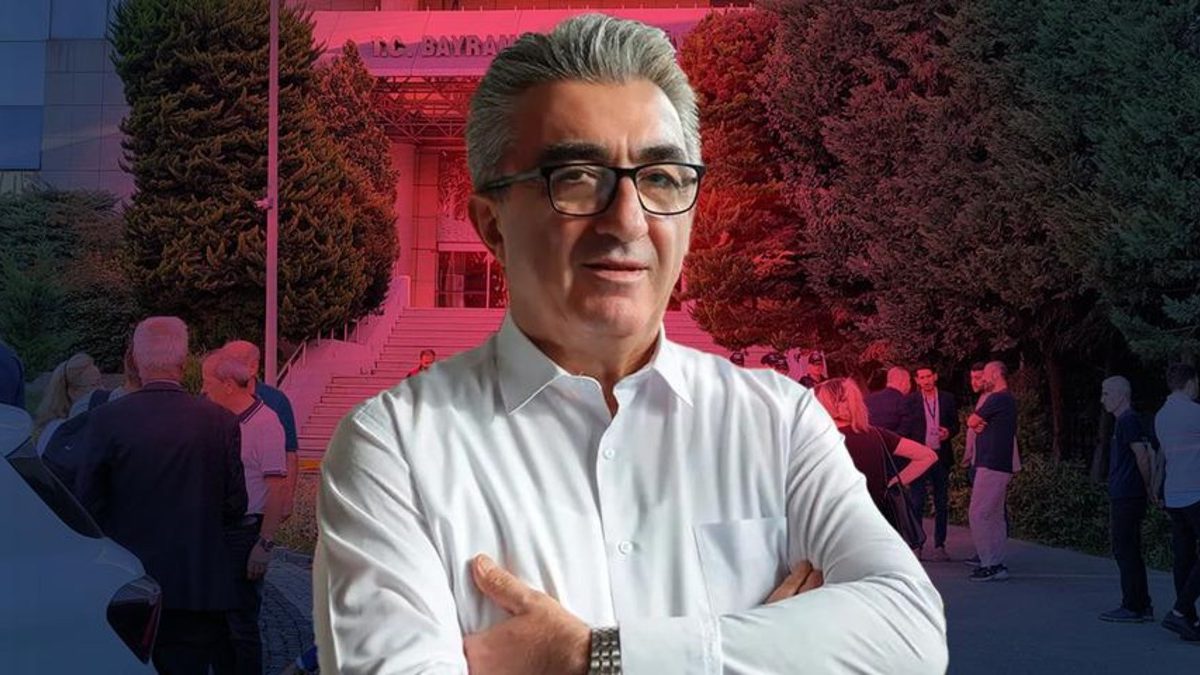 "Turkey: Erdogan's police arrest opposition mayor Hasan Mutlu, dozens officials in corruption probe")



