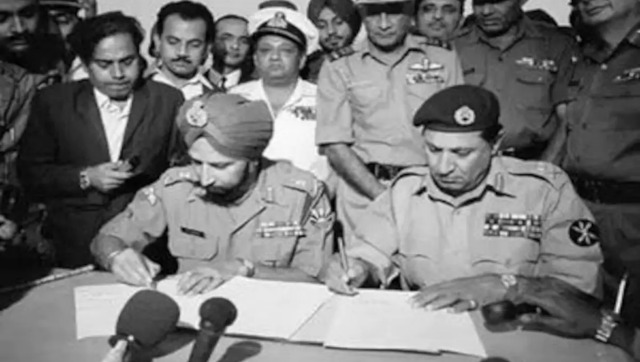
 "Of war crimes and the Pakistan Army: Where is 1971’s Nuremberg?")
It was about to turn into a momentous year for American ambitions. In 1971, the crafty US Secretary of State Henry Kissinger, with help from his friend, Pakistan president Yahya Khan, was busy stitching a furtive alliance with friendly communist China to upend a communist foe – the Soviet Union.
One day, a cable arrived at Kissinger’s desk from an unremarkable corner of Pakistan – Dhaka. It was the latest in a series of cables from the American consul-general in Dhaka named Archer Blood. Blood wrote about the Pakistan Army’s rampage of killings. At Dhaka University, Bengali students and professors were hauled from rooms and dragged to open fields before being gunned down. An annoyed Kissinger had studiously avoided previous Blood telegrams but he appeared to take interest in this one.
Later at a meeting with his aides, Kissinger asked, “Did they kill Professor Razak? He was one of my students” When told that Razak may have been killed in the university massacre, the former Harvard professor hesitated momentarily before he swapped his soul with the hardnosed diplomat in him and moved on. Unknown to Kissinger, Razak actually survived that day but many other professors – mostly Hindus and several Muslims – weren’t as lucky. More news of death and destruction poured in from Dhaka.
The numbers climbed rapidly and the situation grew worse. Thousands became millions – one, two, even four million by some estimates were massacred at the hands of the Pakistani army led by the vicious Lt General Tikka Khan, who acquired the moniker of ‘Butcher of East Pakistan’.
In 1971, East Pakistan witnessed the biggest pogrom of minorities since World War II. Sadly, unlike in 1945 when the Nazis were sent to trial at Nuremberg after the war, those responsible for the 1971 genocide went unpunished. In a bizarre twist, Henry Kissinger, instead of being questioned for his negligence in Bangladesh, was awarded the Nobel Peace Prize two years later in 1973, along with Le Duc Tho, albeit for negotiating a ceasefire in Vietnam. Clearly, Kissinger’s accountability around a few million deaths in Bangladesh didn’t seem to affect the Nobel committee’s conscience.
Last year marked 50 years of India’s glorious victory in the war. However, the humanitarian cause that underpinned India’s war effort never found closure in the years that followed. This year will be yet another year of the collective global failure in bringing the perpetrators of war crimes to justice.
Quick Reads
View AllPath to pogrom
For Pakistan, its eastern wing was a derelict, inferior part. East Pakistan received only a quarter of national investment, even though it produced almost three-fifths the country’s exports. West Pakistan wanted to impose Urdu on the eastern wing where hardly 10 per cent spoke the language. In the 1970 elections, East Pakistan’s dominant politician Mujib ur Rahman’s Awami League won an overall majority and staked claim to form the government.
Zulfiqar Ali Bhutto, whose party won most seats in West Pakistan, and President Yahya Khan denied Mujib’s party its right and clamped martial law that set off riots across East Pakistan. Yahya then took an even worse call. Lt Gen Tikka Khan took over the governorship of East Bengal from the moderates Admiral Ahsan and Lt Gen Sahibzada Khan. In March 1971, Mujib was arrested and the situation went down a slippery slope.
Massacre and aftermath
Pakistan brought 50,000 soldiers into East Bengal and unleashed Operation Searchlight to cleanse the local Bengali population. Millions perished in months. On June 13, a Pakistani journalist Anthony Mascarenhas wrote a scathing piece about the carnage in The Sunday Times of London, which shocked the world. At the Circuit House in Comilla, Mascarenhas heard screams of men being battered to death. In army messes, Pakistani officers boasted of the number of Bengalis they had shot and the houses they burnt. Archer Blood from Dhaka informed the White House that Pakistan was using US-made Sabre jets to bomb the local population even as it continued flying in troops from West Pakistan.
Nixon was unmoved. After the war ended in December and Bangladesh was formed, journalist Sydney Schanberg travelled across the country and saw rivers filled with bones. Everywhere he went, people showed him fields with bodies, bones and cemeteries.
Global response: lame ducks and lone fighters
The United Nations, characteristically, turned out to be a lame duck in acknowledging the genocide. Instead the global verdict went against India’s action of waging a war to liberate an oppressed people. At the UN General Assembly, 104 countries voted for the withdrawal of Indian forces, while only eleven countries voted in favour of liberation. The worst were freeloaders of the lacklustre Non-Aligned Movement – Egypt, Ghana, Yugoslavia and Indonesia, allies who opposed India. Most civil rights organisations, funded by American donors, were either stymied or absent in their appeals.<
There were, however, courageous individuals who stood up. The liberation movement found support from Andre Malraux, the French philosopher and an assembly of musicians in the US that included Bob Dylan and Ravi Shankar. In July 1971, a group of American activists used kayaks and canoes to block the Pakistan ship Al Ahmadi from receiving wartime supplies in Baltimore and Philadelphia.
Over the years, there has been a marginal shift in opinions on the genocide, influenced by modern-day optics. In 2019, Adama Dieng, the UN special adviser on the prevention of genocide, promised Bangladeshi Prime Minister Sheikh Hasina to raise the issue of Pakistani genocide in international forums. Nothing much happened. On its part, Bangladesh has been unable to influence the issue internationally.
Different countries, different humanitarian rules
The failure to recognise genocide and initiate proceedings against those involved reflects a universal inadequacy to incarcerate war criminals equitably across geographies. Over the years, dictators that threatened the existential interests of influential western powers were regularly brought to justice. Nazi leaders such as Hermann Goering, Ribbentropp and Adolf Eichmann were captured after the world war and rightly brought to trial.
Later, Slobodan Milosevic and Saddam Hussein were found guilty and incarcerated. On the other hand, genocides in Rwanda, Cambodia, Bangladesh were papered over: reasons of every kind assigned to avert accountability or blame. Nixon and Kissinger supported Pakistan’s generals who presided over a pogrom. After the war, Pakistan appointed the Justice Hamoodur Rahman commission to investigate the causes of defeat, as Zulfiqar Bhutto succeeded the disgraced Yahya. There were damning depositions of officers who recounted General Niazi’s favourite line, “How many Hindus have you killed”. Echoing Nazi Adolf Eichmann’s infamous phrase, they spoke about the ‘final solution’ to the East Pakistan issue.
The Hamoodur Rahman Commission held the army guilty of the Comilla Cantonment massacre on 27 March, 1971 in which 17 Bengali Officers and 915 soldiers were slaughtered. The civilians fared worse: there were no Nazi-like gas chambers but the rivers, ponds and soil of East Bengal were drenched in blood of millions. A population larger than that of Austria ran away to escape death and became refugees in India. Most western democracies, pompously self-righteous and eager to proffer advice, looked the other way.
At the end, Pakistan’s own commission found evidence to try Yahya, Tikka and others. Pakistan had an opportunity to mark a new beginning, but it chose an escapist, self-destructive option. To eliminate his rivals, Bhutto needed the military on his side. He didn’t disclose the findings. Instead, as a reward for the deaths of three million people and the rapes of thousands of women, Bhutto appointed General Tikka Khan as Pakistan’s army chief after the war. It was akin to an imaginary situation of Germany appointing Nazi criminals as state ambassadors or chiefs after the world war. It was the beginning of Pakistan’s fall from token existence as a functional democracy. Ironically, Bhutto would go on to lose both his job and his life to the brutal military he once sought to protect and nourish
Interestingly, Benazir Bhutto, Zulfiqar’s daughter and a student at Harvard in 1971, initially believed the war was a ‘Zionist plot against Islam’ but later confessed her ‘ignorance’ about the atrocities and asked God to forgive her. Years later, the same Benazir would appoint General Tikka as her security adviser. The Pakistan Army, with hands bloodied beyond justice, became a law unto its own.
Years went by but the arrogance of a war criminal stayed undimmed. Once, Khushwant Singh, the Indian writer, met Tikka Khan in Pakistan.
“General Sahib, there must have been reason for the common people to turn against you,” asked Khushwant. Tikka shot back accusing Indians of propaganda. Before taking leave, Khushwant pointed out to a quotation from the Quran inscribed on the mantelpiece. Tikka read out in Arabic - “Nasr min Allah, fateh un qareeb” and translated it – “Allah grants victory to the side whose cause is just.”
The vain General had served the wily Sardar an opportunity he wasn’t about to miss. Khushwant smiled and said “General Sahib, but Allah granted victory to us Indians.”
The writer, author of Watershed 1967: India’s Forgotten Victory over China_, writes on military history and international affairs. Views expressed are personal._
Read all the Latest News, Trending News,
Cricket News, Bollywood News,
India News and Entertainment News here. Follow us on
Facebook,
Twitter and
Instagram.

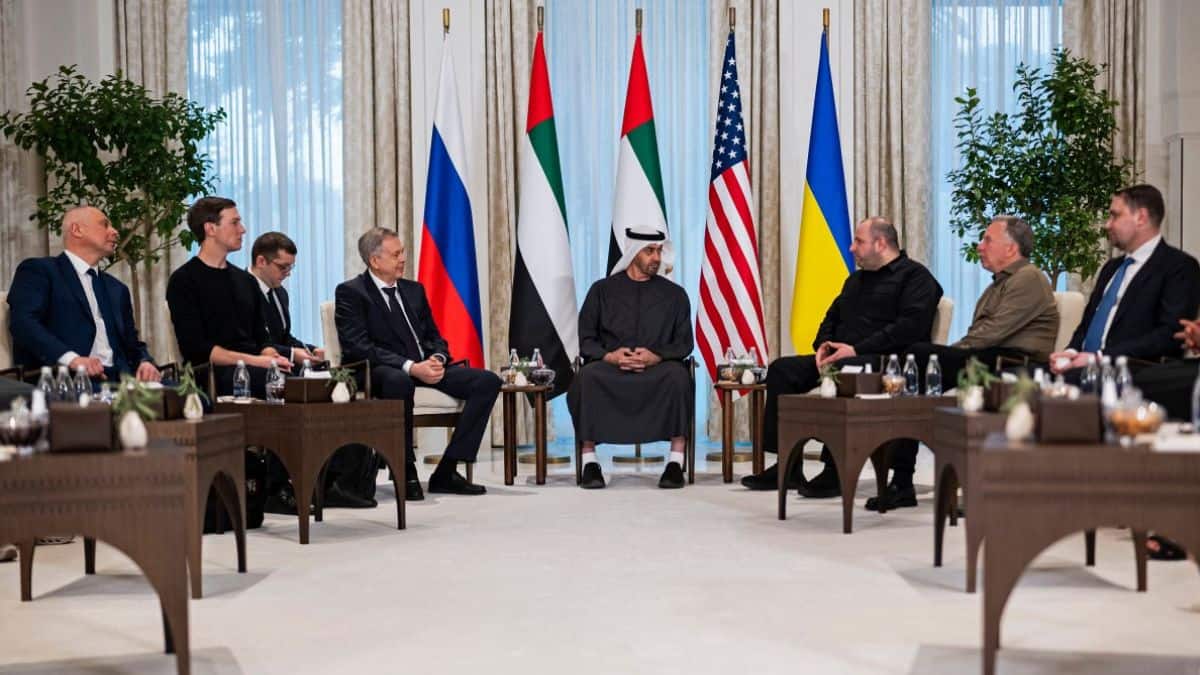
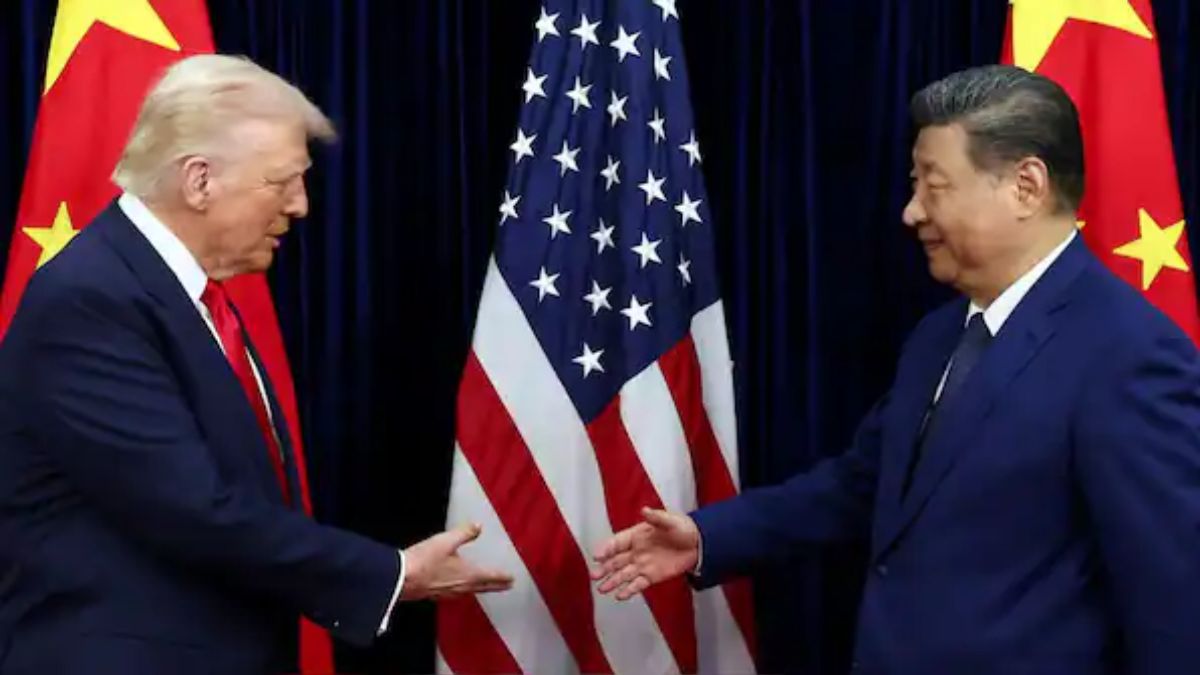 "Pentagon no longer views China as top threat, offers 'more limited' support to US allies")
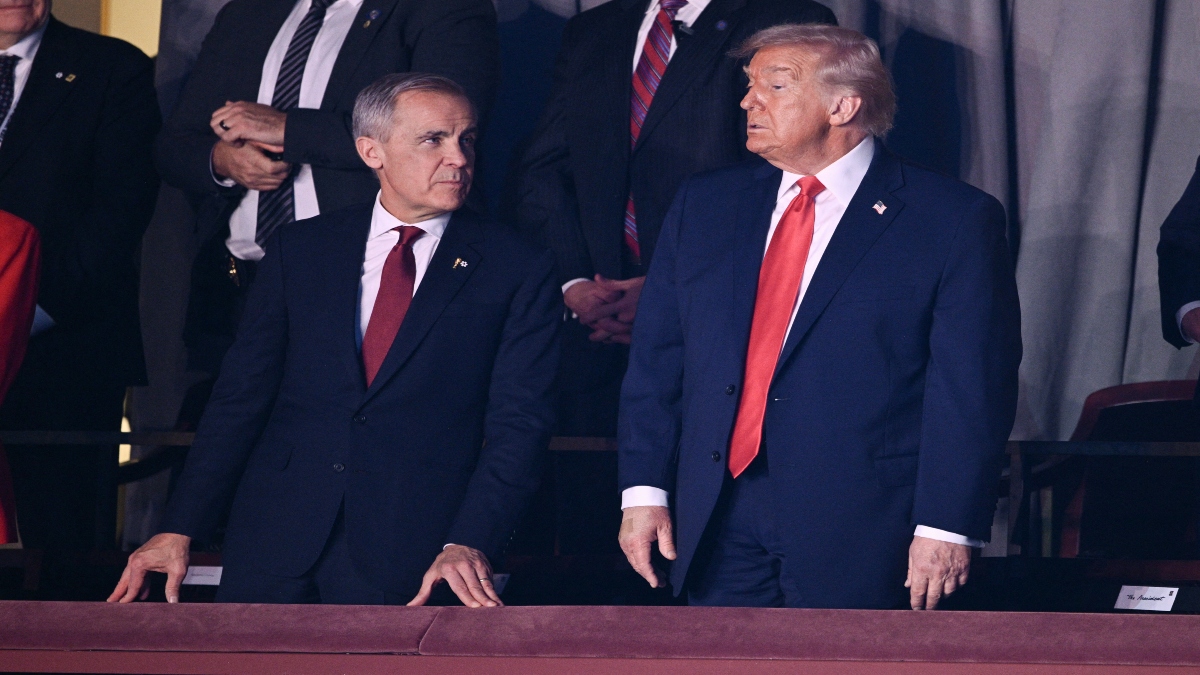 "'Governor Carney sorely mistaken': Trump threatens 100% tariff on Canada over its potential China trade deal")
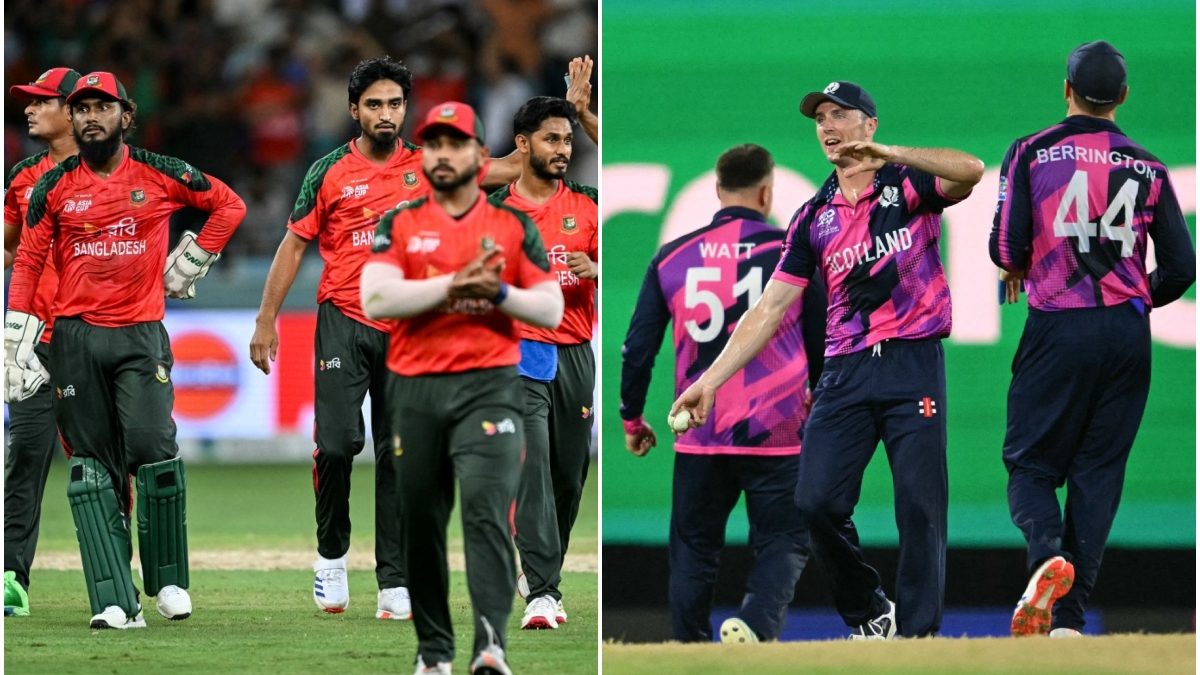 "Bangladesh out of 2026 T20 World Cup, announces ICC; Scotland named replacement team")
 "Monster winter storm cancels nearly 10,000 US flights, leaves millions bracing for ice and outages")
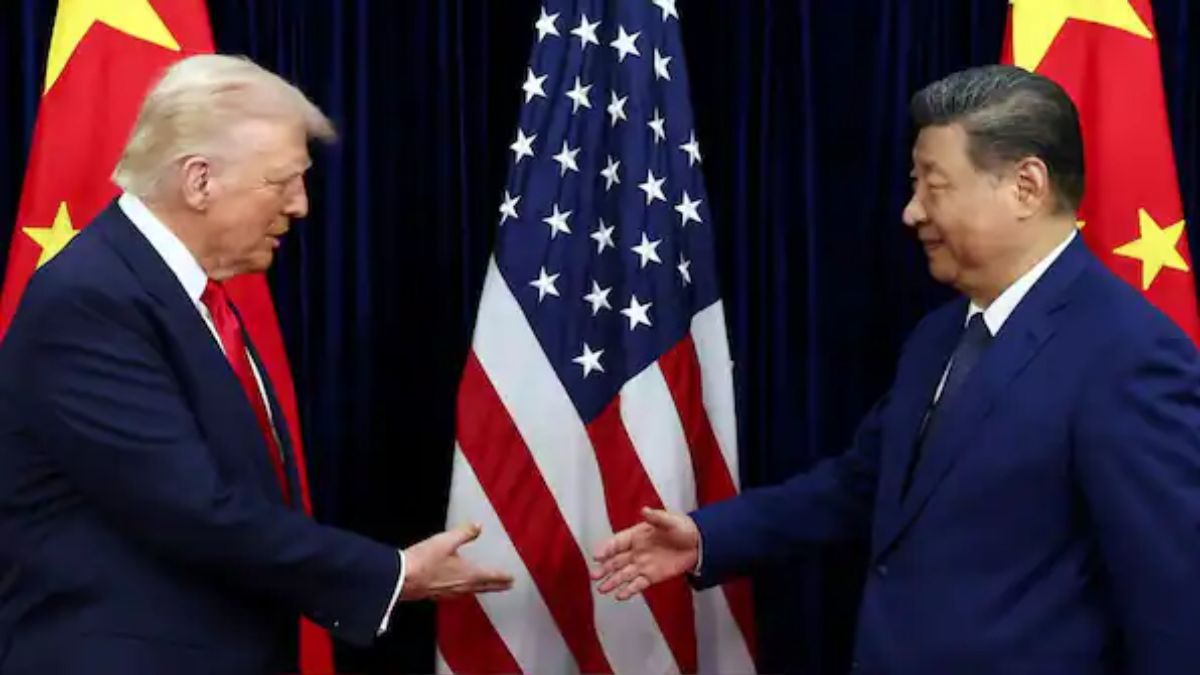 "Pentagon no longer views China as top threat, offers 'more limited' support to US allies")
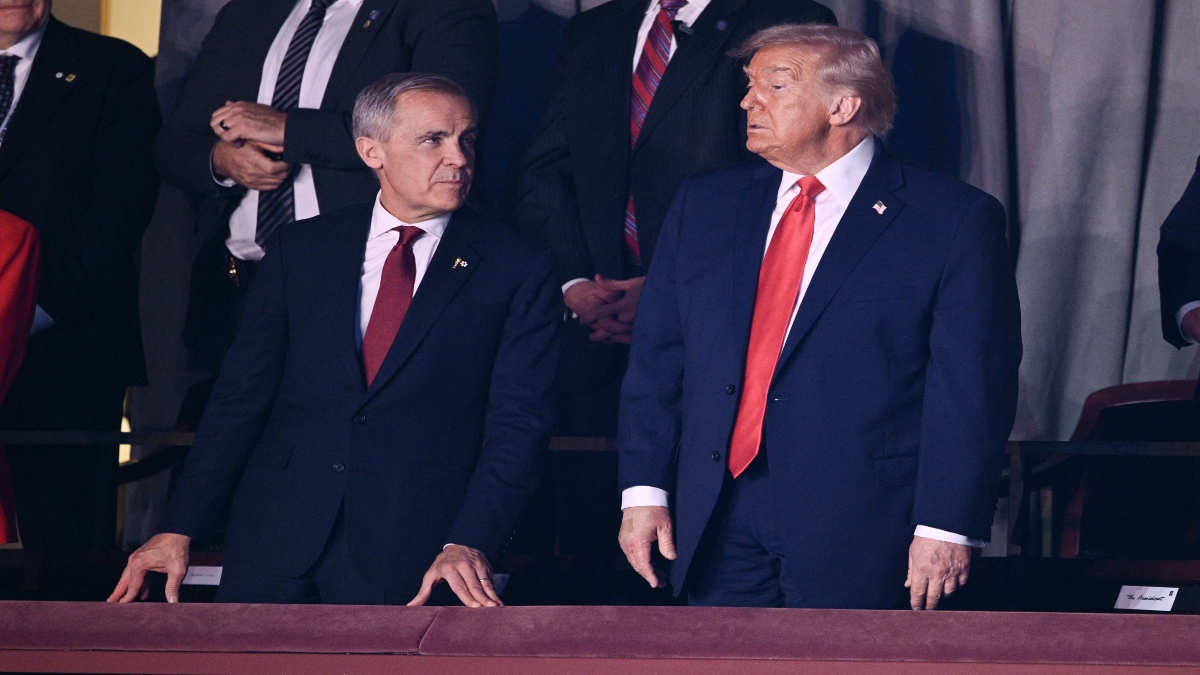 "'Governor Carney sorely mistaken': Trump threatens 100% tariff on Canada over its potential China trade deal")
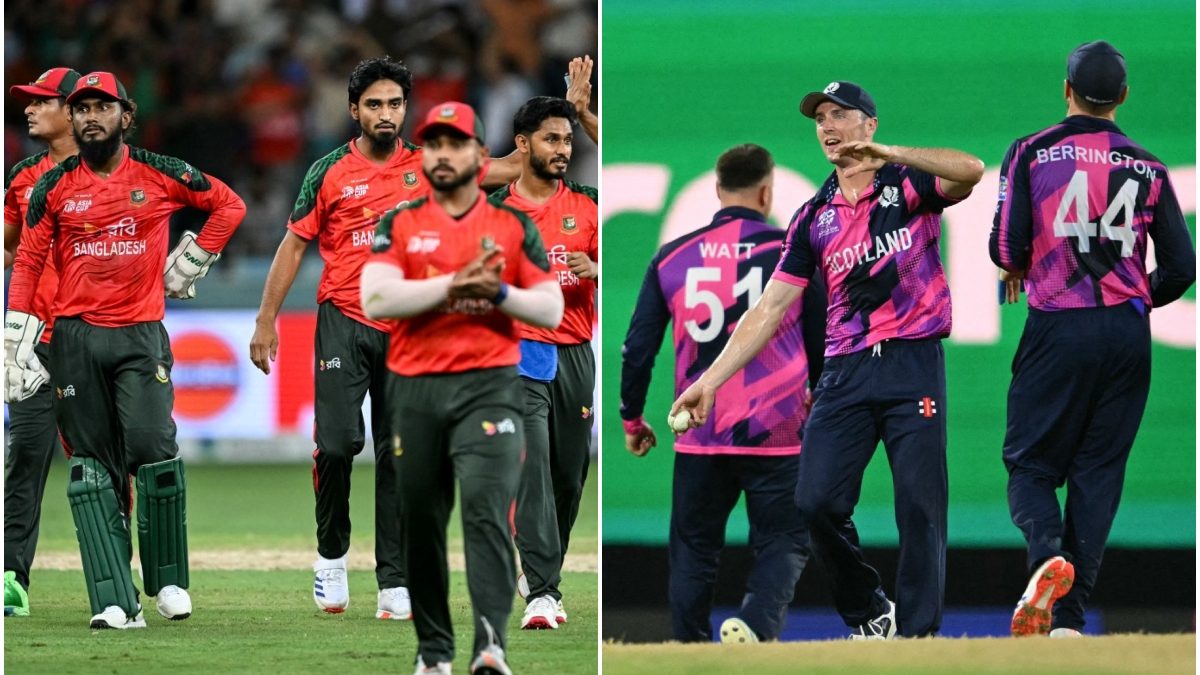 "Bangladesh out of 2026 T20 World Cup, announces ICC; Scotland named replacement team")
 "Monster winter storm cancels nearly 10,000 US flights, leaves millions bracing for ice and outages")