

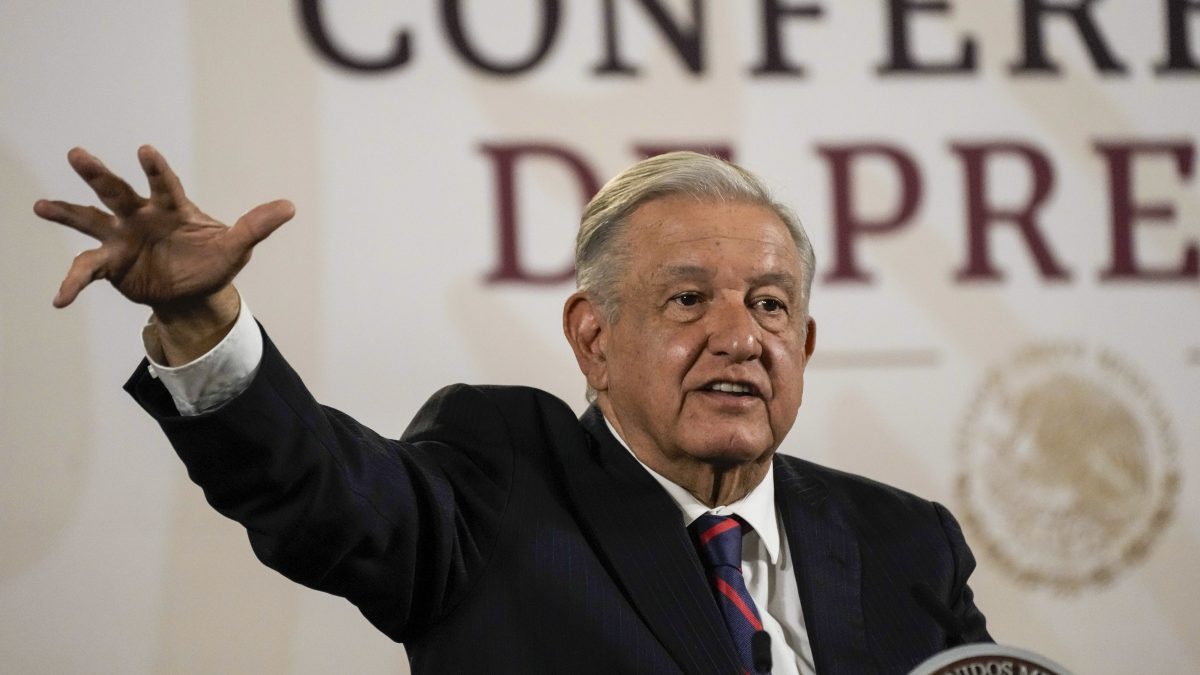
 "Mexico’s Obrador retires as president with one of highest approval ratings in world")
As Andrés Manuel López Obrador prepares to leave office on September 30, 2024, the Mexican president retires with one of the highest approval ratings among world leaders.
Known for his populist approach and deep connection with the Mexican public, López Obrador, or AMLO as he is commonly referred to, has secured a remarkable 59 per cent approval rating as of August 2024, according to Statista.
One of the top approval ratings globally
In global terms, López Obrador stands among the most approved leaders. Only Indian Prime Minister Narendra Modi, with an overwhelming 72 per cent approval, and Argentina’s President Javier Milei at 62 per cent, have higher ratings.
López Obrador’s popularity remains strong despite ongoing domestic challenges, including Mexico’s struggle with violence and corruption, which have tarnished his administration’s achievements in some areas.
Why Obrador is so popular
Throughout his tenure, López Obrador made significant efforts to dismantle traditional structures of Mexican governance.
He slashed presidential perks, abolished protective services for himself, and redirected resources into popular social programs, which likely contributed to his high approval.
Approval rating trackers, such as those compiled by Oraculus, show how his numbers remained relatively stable during his six-year term. AMLO maintained approval ratings that fluctuated between the mid-50s and 60s, rarely dipping lower, even as crime and economic struggles persisted.
His governance style, which frequently evoked comparisons to historical figures like Franklin D. Roosevelt, revolved around welfare programs for Mexico’s elderly and working classes, according to AP.
Impact Shorts
More ShortsHowever, analysts note that his administration’s militarisation of sectors like law enforcement and infrastructure management has raised concerns about democratic oversight in the long term.
As López Obrador prepares to hand over power, his legacy, though contentious, will be measured by both his high approval ratings and the enduring impact of his political and economic reforms.
With inputs from agencies


 "Russian drones over Poland: Trump’s tepid reaction a wake-up call for Nato?")
 "As Russia pushes east, Ukraine faces mounting pressure to defend its heartland")
 "Why Mossad was not on board with Israel’s strike on Hamas in Qatar")
 "Turkey: Erdogan's police arrest opposition mayor Hasan Mutlu, dozens officials in corruption probe")
 "Russian drones over Poland: Trump’s tepid reaction a wake-up call for Nato?")
 "As Russia pushes east, Ukraine faces mounting pressure to defend its heartland")
 "Why Mossad was not on board with Israel’s strike on Hamas in Qatar")
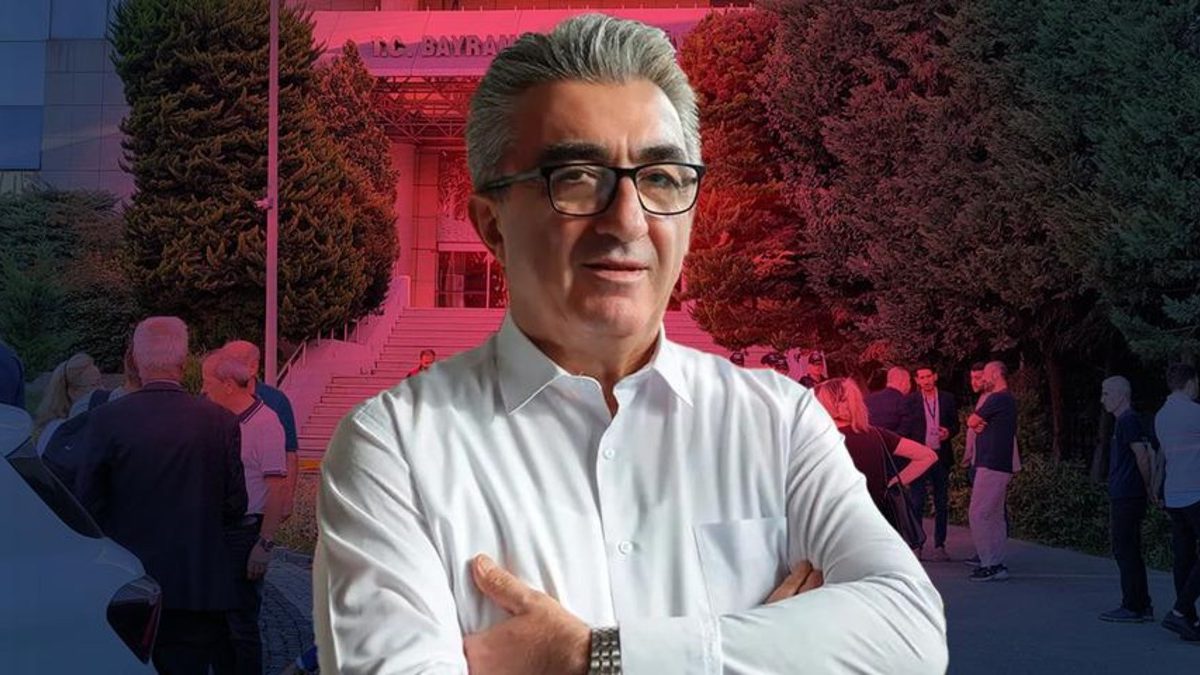 "Turkey: Erdogan's police arrest opposition mayor Hasan Mutlu, dozens officials in corruption probe")



