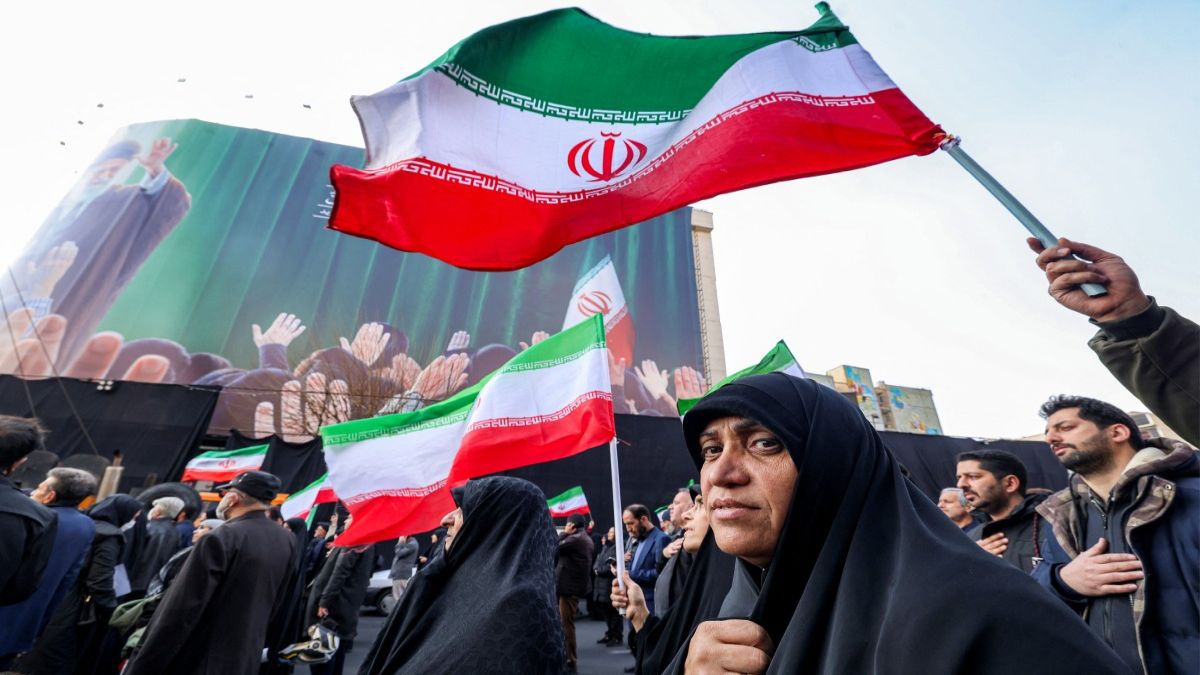
 "Demonstrators gather with Iranian national flags for a rally in support of the new Supreme Leader at Enghelab Square in central Tehran. AFP")
The conflict involving Iran is widening rapidly across West Asia, with fresh military deployments, new actors entering the battlefield and strikes on critical infrastructure signalling an escalation that diplomacy is struggling to contain.
Tehran on Sunday warned against a potential invasion by the United States following the deployment of the 31st Marine Expeditionary Unit to the region. Reports suggest the Pentagon is preparing for possible ground operations, including limited raids that could stretch over weeks, even as it stops short of a full-scale invasion.
Iran’s Parliament Speaker Mohammad-Bagher Ghalibaf accused Washington of using diplomacy as a cover for military escalation, warning that any such move would be met with force.
Houthis open new front
The conflict expanded further as the Houthis in Yemen launched missile attacks on Israel—their first direct involvement since the war began. Their entry adds a new dimension to the conflict, raising concerns over the security of key shipping routes, particularly in the Red Sea.
Strikes hit Gulf industry
In a major escalation, Iran targeted industrial infrastructure in the Gulf, striking aluminium plants in Bahrain and the United Arab Emirates. The attacks sent aluminium prices to a four-year high, sparking fears of rising costs and disruptions across construction and manufacturing sectors.
Threats expand beyond battlefield
Iran also signalled a broader scope of retaliation, warning it could target American and Israeli-linked institutions in the region, underscoring the widening nature of the conflict.
Diplomacy struggles to keep pace
Amid rising tensions, regional ministers from Pakistan, Saudi Arabia, Türkiye and Egypt met in Islamabad to explore ways to de-escalate the crisis. Pakistan has also offered to host talks between the US and Iran in the coming days.
However, with new actors entering the fray and competing strategic interests deepening, prospects for a ceasefire remain uncertain and increasingly difficult to achieve.