

 "Maduro captured: What's Monroe Doctrine and how Trump used it to reshape US policy on Venezuela")
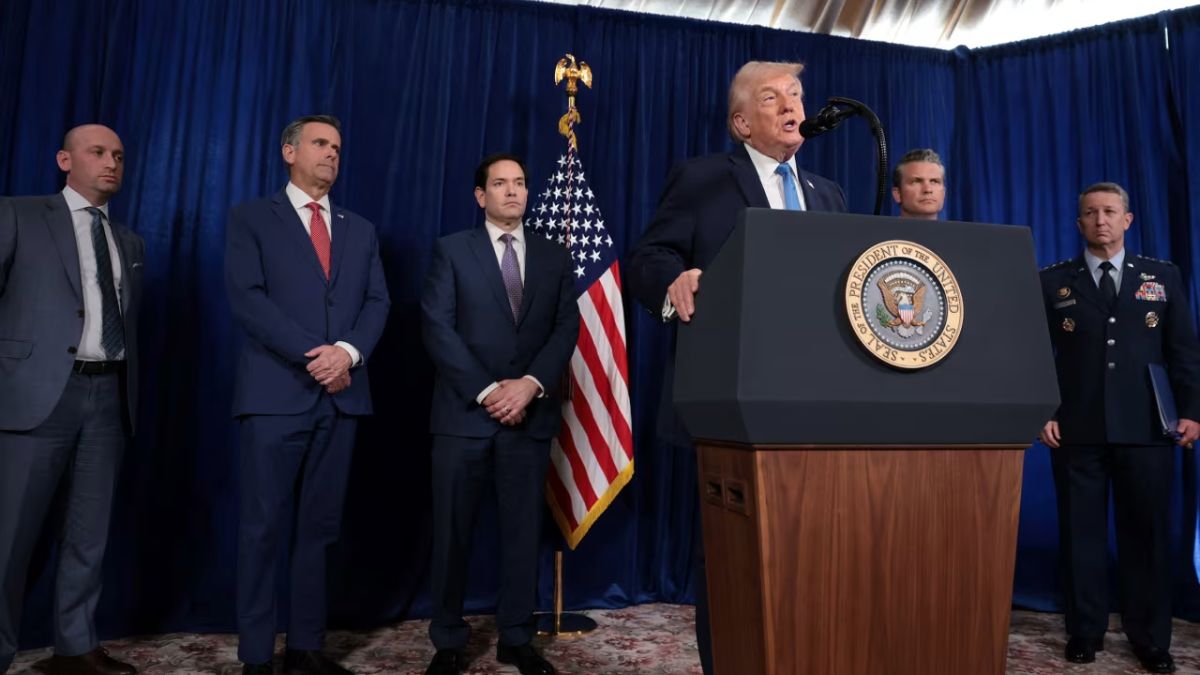
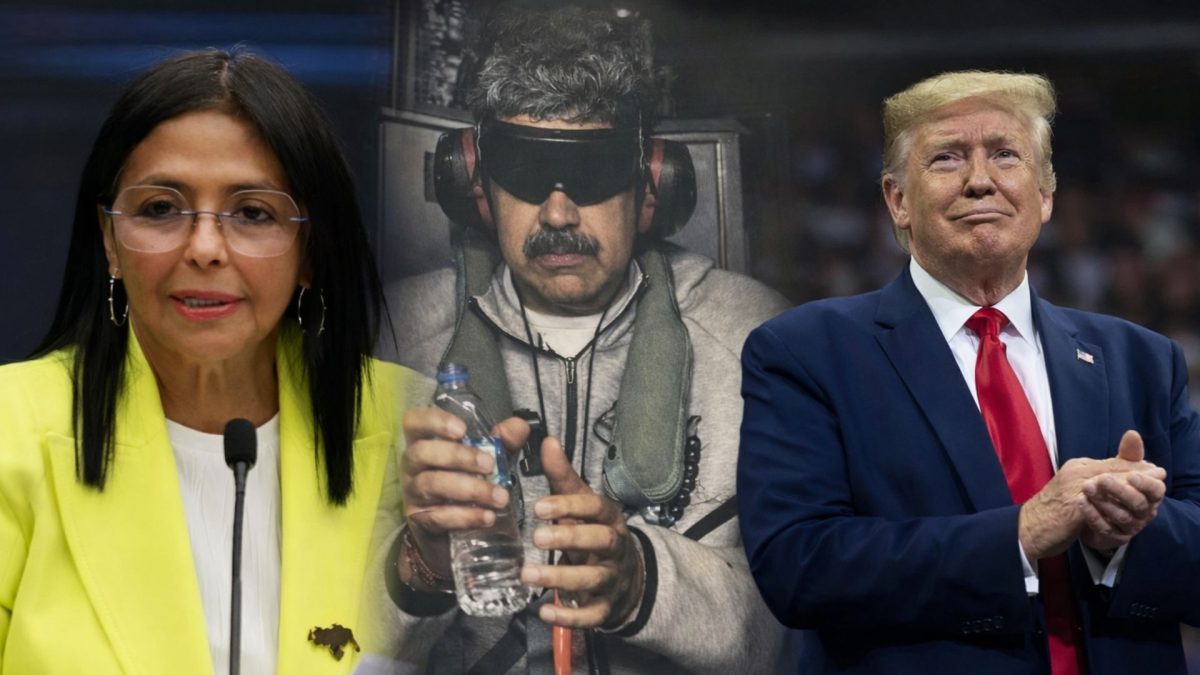
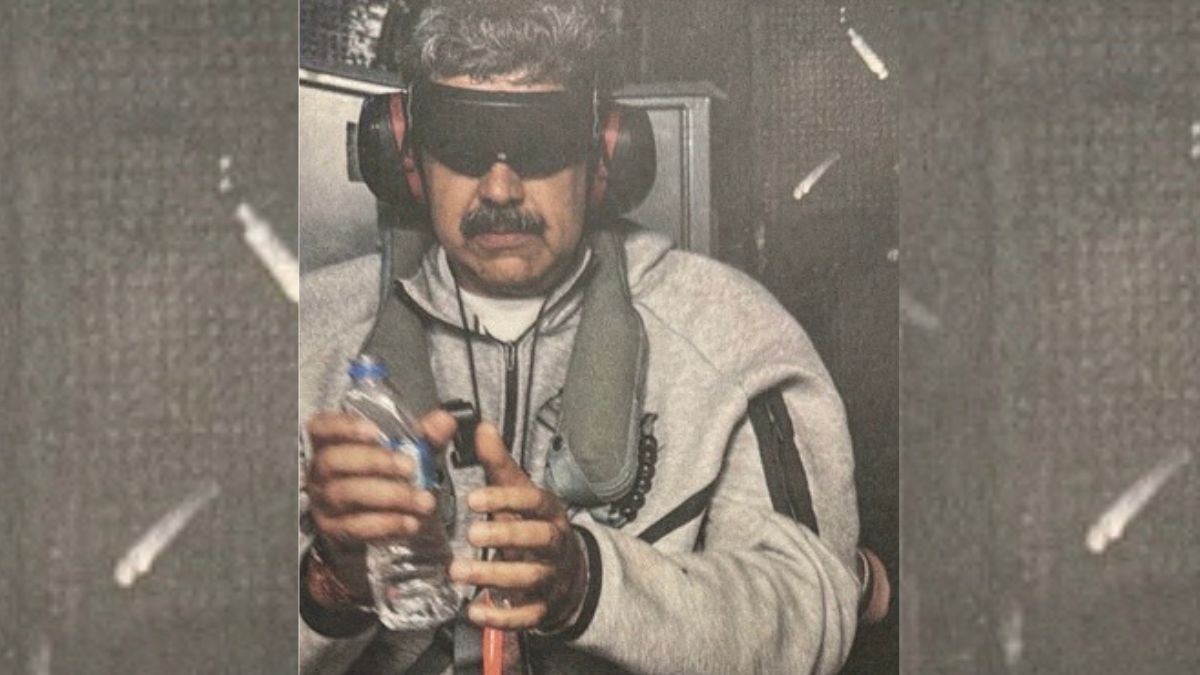
While addressing the media regarding the US forces’ operation in Venezuela, US President Donald Trump has often cited a policy belonging to the 19th-century president. On Saturday, Trump described the capture of the Venezuelan President Nicolas Maduro as an “update to the Monroe Doctrine, the 1823 declaration by the fifth US president, James Monroe.
He announced that for now the United States will “run the country” until “a safe, proper and judicious transition” could be carried out. “The Monroe Doctrine is a big deal, but we’ve superseded it by a lot, by a real lot. They now call it the Donroe document,” Trump said, adding the first letter of his name to the series of principles.
“American dominance in the Western Hemisphere will never be questioned again,” he added. Soon after Trump’s proclamation, many started to wonder what the Monroe Doctrine is all about and why it has become relevant in the current circumstances.
Let’s take a look at the significance of the Monroe Doctrine.
What is the Monroe Doctrine?
The Monroe Doctrine looks at the world as divided into spheres of influence overseen by different powers. Monroe first made a mention of the doctrine on December 2, 1823, during his seventh annual State of the Union address to Congress. However, the doctrine was not named after him until decades later.
Advocating for his doctrine, Monroe warned European powers not to interfere in the affairs of the Americas, stressing that any action of that sort would be viewed as an attack on the US. He emphasised that the Western Hemisphere and Europe should remain separate and should not influence each other.
The colonial legacy
Monroe propagated the idea by promising that, in return, the United States would not recognise or interfere with existing European colonies or the internal affairs of European countries. However, Monroe maintained that North and South America would no longer be subject to future colonisation by any European power.
In many aspects, the Monroe Doctrine not only maintained the status quo in the Americas but also dictated a European disengagement from them. Eventually, in 1904, then-President Theodore Roosevelt added the Roosevelt Corollary to the Monroe Doctrine.
Quick Reads
View AllThis entailed that the United States has the right to intervene in Latin American countries to prevent European interference, especially concerning debt or instability, to maintain stability and protect Washington’s interests in the region.
Roosevelt pushed for it at a time when European creditors were threatening several Latin American countries. Roosevelt stated the right and responsibility of the US to get involved in line with the doctrine. The idea was put to use in the aftermath of the Venezuelan crisis of 1902-1903, when the country rejected paying its foreign debts.
Why Trump is pushing the doctrine
Over the next few decades, the evolved Monroe Doctrine has been used as a justification for US intervention in the Dominican Republic, Haiti and Nicaragua. In the 1980s, then-President Ronald Reagan pursued an aggressive approach to the region, branded “imperialist” by his detractors.
In Nicaragua, he supported the right-wing Contras against the left-wing government of the Sandinistas and landed the US in the Iran-Contra arms-trafficking scandal. He also supported right-wing governments accused of atrocities in El Salvador and Guatemala.
Meanwhile, Cuba has long been under intensive pressure from the US since Fidel Castro’s revolution, both militarily and economically, under punishing sanctions that exist to this day. Hence, Trump can be seen as following Reagan’s footsteps.

 "US-Venezuela tensions LIVE: Maduro due in NY court soon, loyalists send mixed signals from Caracas")
 "From Iran to Panama and Venezuela: When the US pushed for regime change")
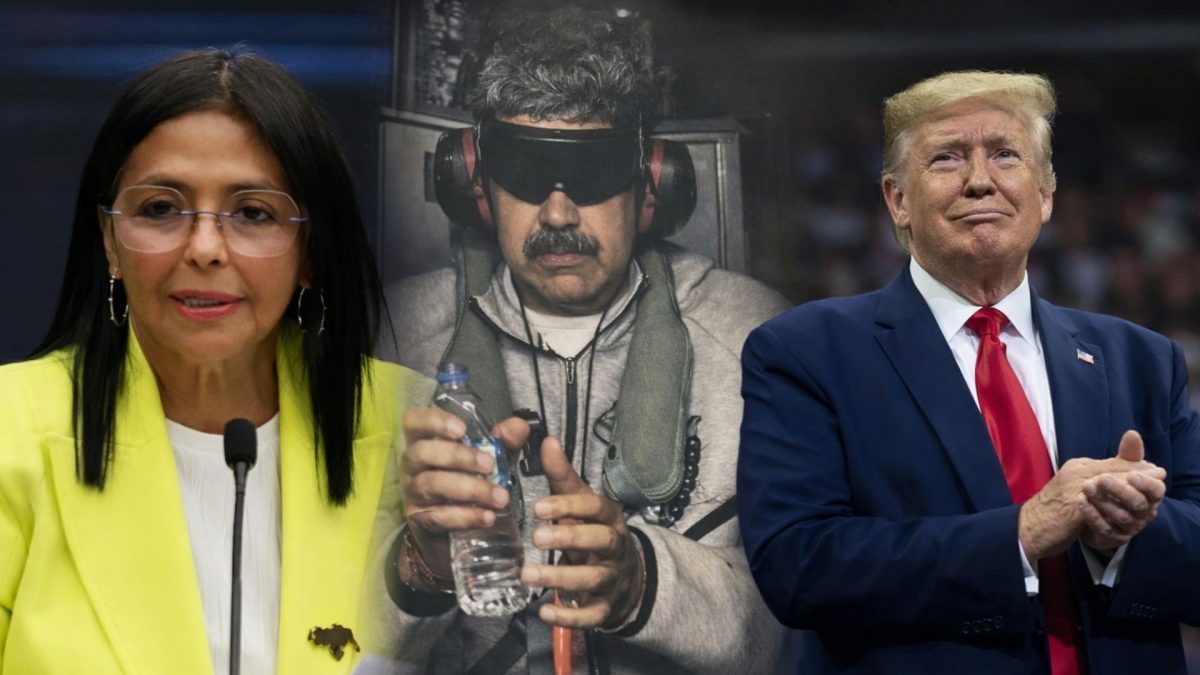
 "Is Trump handing over Venezuela to ‘anti-American socialists’ he loathes?")
 "Zelenskyy appoints 'highly skilled' Canadian ex-deputy PM as economic adviser")
 "US-Venezuela tensions LIVE: Maduro due in NY court soon, loyalists send mixed signals from Caracas")
 "From Iran to Panama and Venezuela: When the US pushed for regime change")
 "Is Trump handing over Venezuela to ‘anti-American socialists’ he loathes?")
 "Zelenskyy appoints 'highly skilled' Canadian ex-deputy PM as economic adviser")



