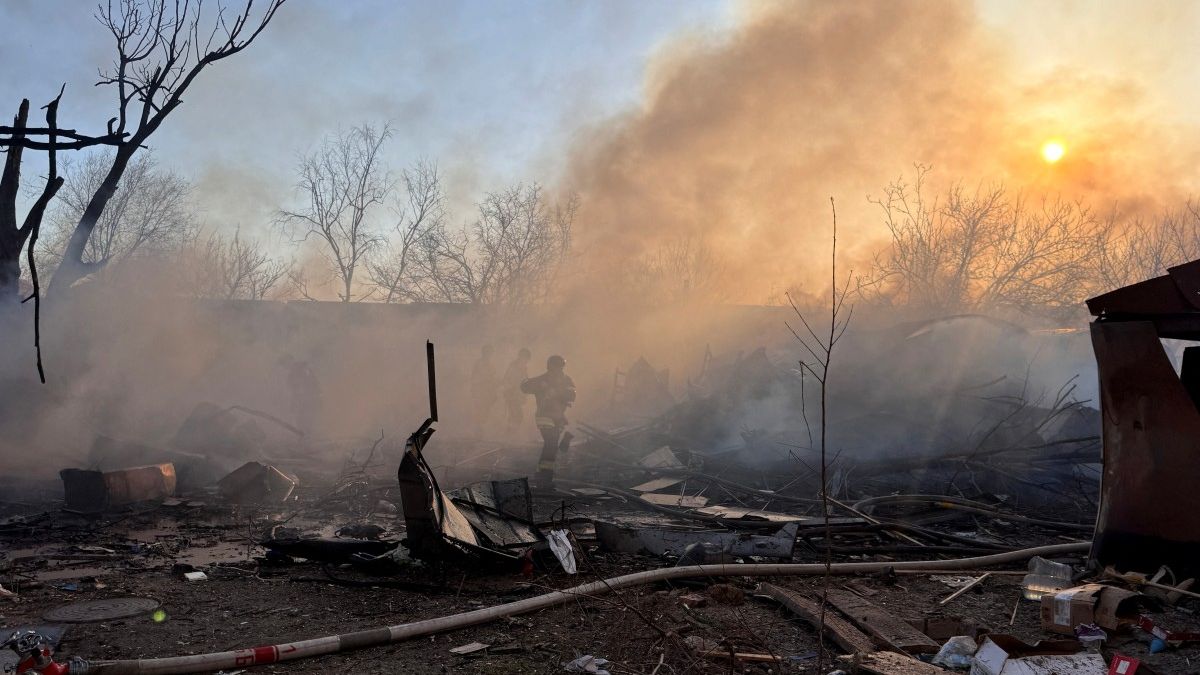
 "Kyiv’s new worry: Will the West Asia war push Ukraine off Washington’s radar?")
Ukrainian President Volodymyr Zelenskyy has voiced deep concerns that escalating tensions in the West Asia could divert vital US backing from Kyiv’s ongoing defence against Russia.
Speaking to journalists in Kyiv Sunday, he explicitly said, “We don’t want to lose the Americans” as Washington’s preoccupation with regional conflicts. This apprehension stems from Ukraine’s heavy reliance on American military aid, financial support and intelligence sharing which have been crucial since the full-scale war began in 2022.
As tensions involving Iran and its regional rivals intensify, Ukraine is seeking to demonstrate its value to the United States and its Gulf allies by sharing battlefield expertise gained during the war.
Ukraine has developed extensive experience countering Iranian-made Shahed drones widely used by Russian forces. According to Zelenskyy, Kyiv has begun sending teams of specialists to assist partners including Qatar, United Arab Emirates and Saudi Arabia as well as a US military base in Jordan.
This approach reflects Kyiv’s attempt to turn hard-won wartime experience into diplomatic leverage at a time when global attention is increasingly focused on Iran’s expanding drone capabilities.
A zero-sum game for military aid
Inside Ukraine’s presidential office in Bankova Street, the primary concern is not simply fading international attention but the possible diversion of critical military resources.
The advanced air defence systems protecting Ukrainian cities including Patriot missile system, NASAMS and IRIS‑T air defence system are also essential for defending US assets and allies in the Gulf. If fighting in the West Asia escalates, these same systems and interceptor missiles could be redirected to protect regional bases, shipping routes and energy infrastructure.
Quick Reads
View AllUkrainian officials are acutely aware that global defence production is already under pressure. A prolonged confrontation in the Gulf could intensify competition for weapons, turning supplies such as interceptor missiles and artillery shells into a zero-sum contest among allies.
While Washington continues to publicly support Ukraine, Kyiv understands that geopolitical crises often create an informal hierarchy of priorities. In such a scenario, instability threatening global oil supplies and the direct involvement of US naval forces in the West Asia could quickly dominate strategic calculations, pushing the grinding war in eastern Ukraine further down the agenda.
Russia’s opportunity amid shifting priorities
Analysts warn that turmoil in the West Asia could indirectly benefit Russia’s war effort. Regional instability often pushes global oil prices higher, boosting Moscow’s energy revenues and potentially providing additional resources for its military campaign.
For Ukraine, this creates a dual challenge: the possibility of declining Western assistance combined with stronger financial inflows to Russia’s war machine.
At the same time, Kyiv is trying to reposition itself within the changing geopolitical context. Ukraine’s expertise in countering Iranian-origin drones developed through constant defence against Russian attacks, has drawn growing interest from countries facing similar threats.
Nearly a dozen states have reportedly sought Ukrainian guidance on neutralising low-cost drones and persistent aerial attacks. Zelenskyy has emphasised that Ukraine’s involvement remains strictly technical and defensive. “This is not about being involved in operations. We are not at war with Iran,” he said.
For Gulf countries strengthening their defences against Iranian strikes, Ukraine’s experience, combining drones, electronic jamming and missile interceptors, offers a practical model for countering asymmetric aerial threats.
Kyiv also hopes such cooperation will translate into tangible support. Zelenskyy has indicated that Ukraine is seeking both technology partnerships and financial backing to sustain its war effort.
The broader diplomatic goal is clear: by assisting US partners in the West Asia, Ukraine aims to reinforce its strategic relevance within Washington’s security architecture. At a time when multiple global crises are competing for attention, Kyiv’s challenge is not only to defend its territory but also to ensure its war remains central to Western priorities.

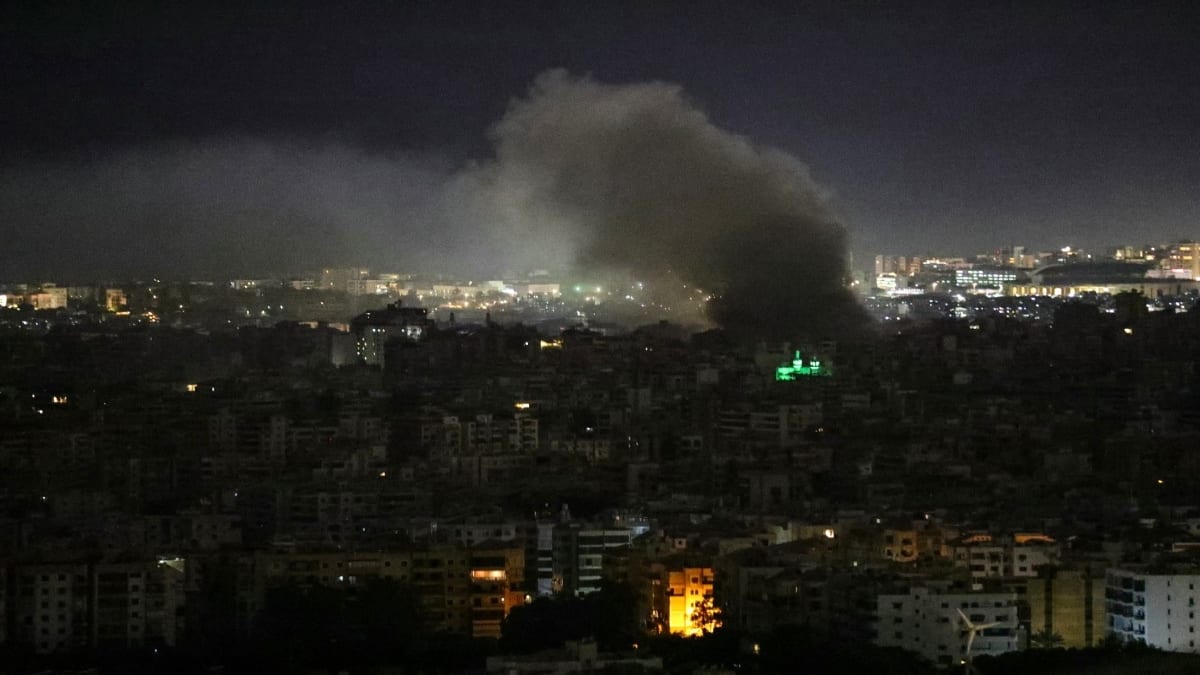
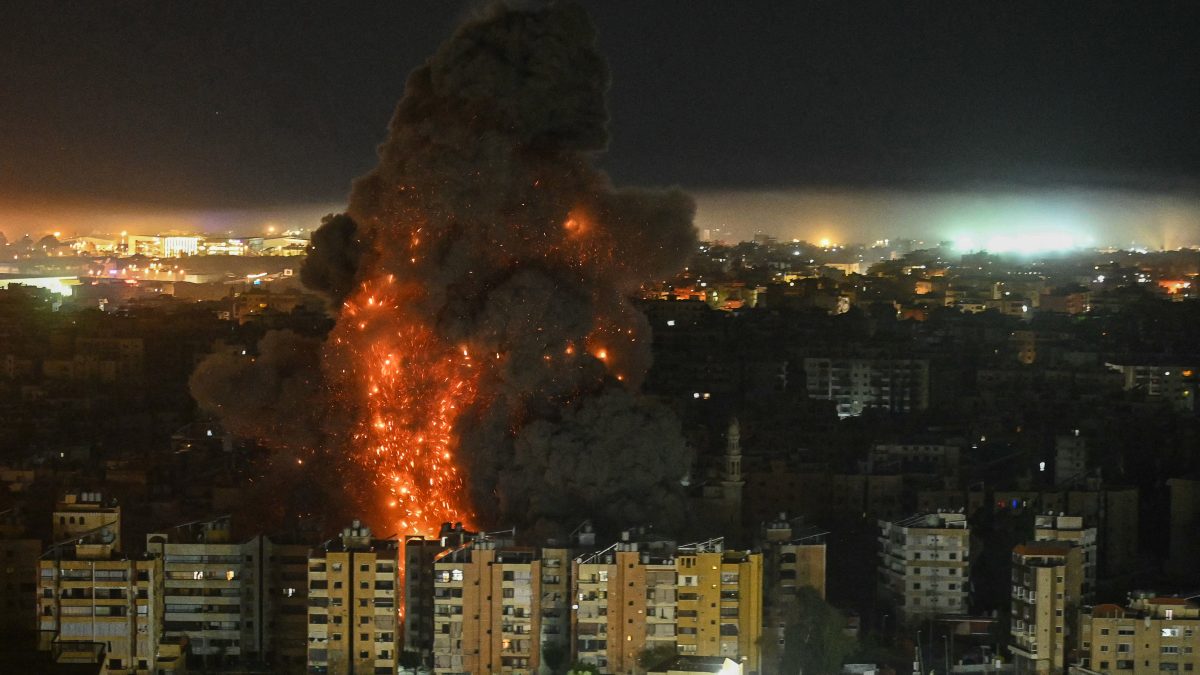 "US Iran War Live Updates: Iran dismisses Trump’s claim of wanting a deal, says no reason for talks with US")
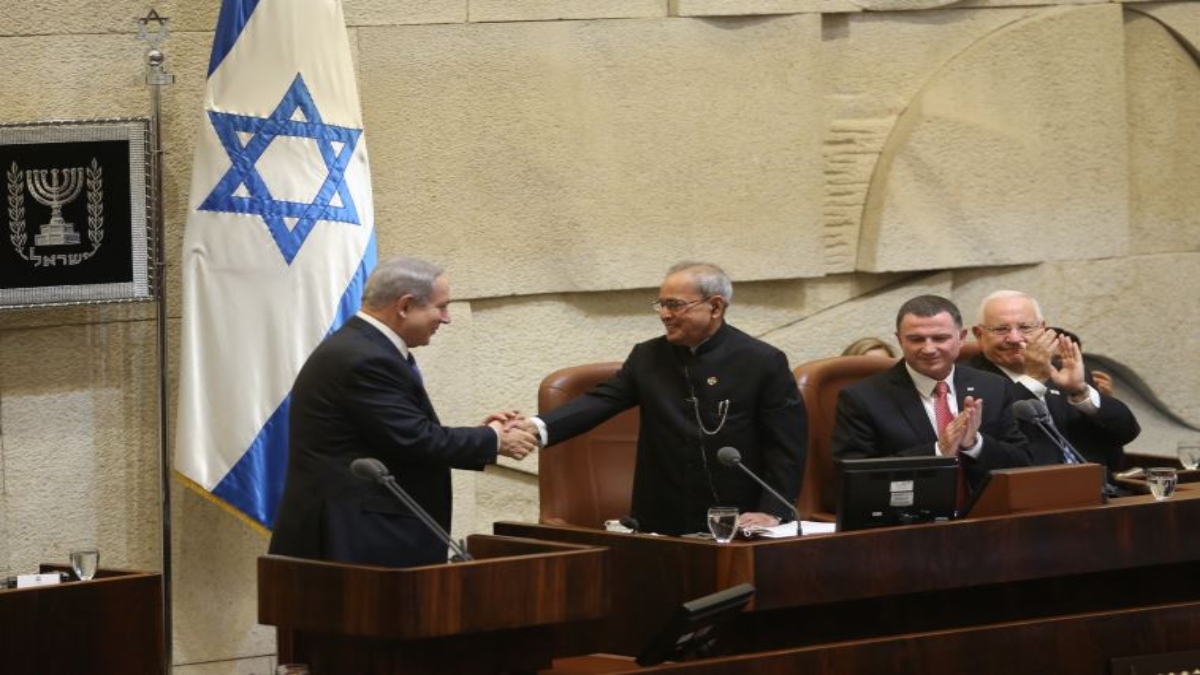 "Hamas, hummus and a landmark: Looking back at Pranab Mukherjee's Israel visit")
 "Iran warns nations against joining US tanker escort plan in Strait of Hormuz")
 "Jaishankar speaks to Saudi, UAE counterparts on West Asia conflict amid rising Iran-US tensions")
 "US Iran War Live Updates: Iran dismisses Trump’s claim of wanting a deal, says no reason for talks with US")
 "Hamas, hummus and a landmark: Looking back at Pranab Mukherjee's Israel visit")
 "Iran warns nations against joining US tanker escort plan in Strait of Hormuz")
 "Jaishankar speaks to Saudi, UAE counterparts on West Asia conflict amid rising Iran-US tensions")