

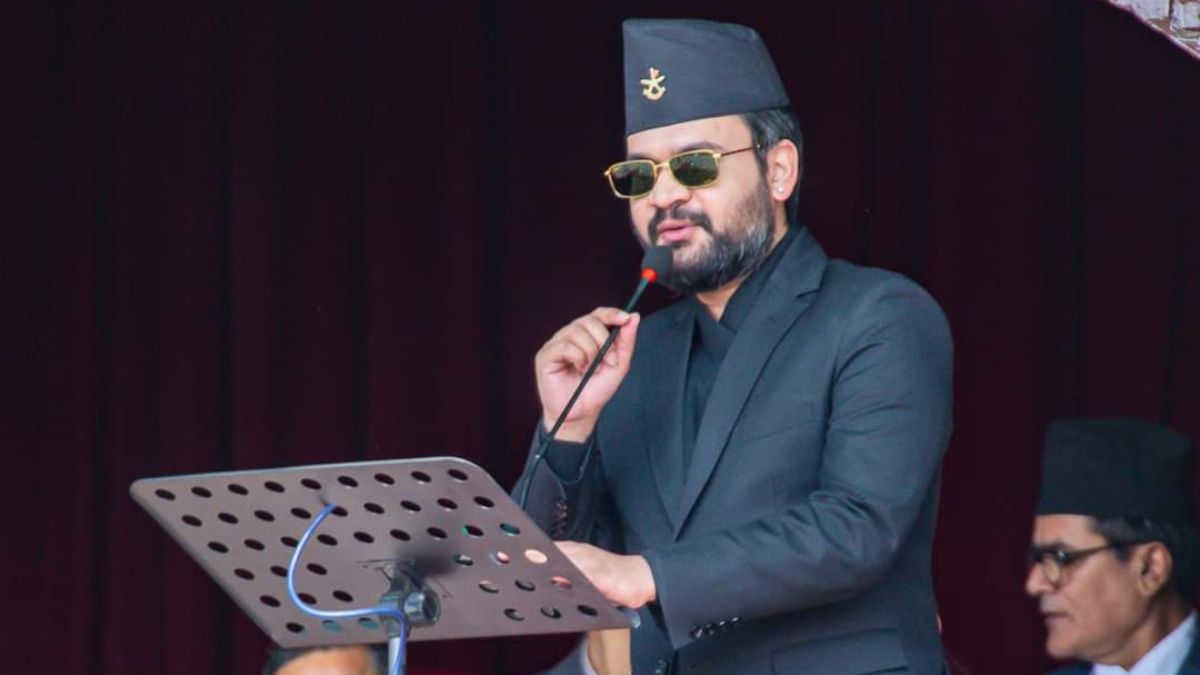
 "Kathmandu Mayor Balendra Shah named PM face as RSP forges alliance ahead of Nepal polls")
Two high-profile leaders have joined hands ahead of Nepal’s March 5 parliamentary elections, forging an alliance that analysts say could disrupt the traditional parties that have dominated the country’s politics for over three decades.
Kathmandu Mayor Balendra Shah, widely known as Balen, has formally joined the Rastriya Swatantra Party (RSP), led by former television presenter-turned-politician Rabi Lamichhane. Party officials said the agreement was sealed on Sunday.
Under the arrangement, 35-year-old Balen will be the prime ministerial face of the RSP if it wins the election, while Lamichhane, 48, will continue as party president.
Riding youth anger and anti-corruption sentiment
Both leaders have pledged to address demands raised during the youth-led “Gen Z” protests in September, which erupted over widespread corruption. The unrest left 77 people dead and culminated in the resignation of Prime Minister KP Sharma Oli.
Political analyst Bipin Adhikari called the alliance a calculated move. “It is a very smart and strategic decision by the RSP to bring Balen and his young support base into the party,” he said, adding that established parties fear losing younger voters.
Youth vote seen as decisive
According to Nepal’s Election Commission, nearly 19 million of the country’s 30 million citizens are eligible to vote. About one million new voters—most of them young—were added to the electoral rolls following the protests.
Balen emerged as a key figure during the unrest and was widely viewed as an undeclared leader of the youth movement. He also played a role in forming the interim government headed by former Chief Justice Sushila Karki, which is overseeing the elections.
Questions over Balen’s role
Critics, however, have questioned Balen’s leadership during the protests, pointing out that he seldom appeared publicly and primarily communicated through social media.
Nepal’s political landscape has long been dominated by the Communist Party of Nepal (Unified Marxist-Leninist) and the Nepali Congress, which have alternated in power for much of the past 30 years. Analysts say the Balen–Lamichhane alliance could pose a serious electoral challenge to both.
Lamichhane founded the RSP ahead of the 2022 elections and built popularity through his anti-corruption campaigns as a television host. He is currently out on bail in a case involving the alleged misuse of cooperative funds collected from small depositors.
Quick Reads
View AllOld parties play down impact
Nepali Congress spokesperson Prakash Sharan Mahat dismissed the alliance as unlikely to cause major political upheaval, describing both leaders as “controversial”.
“I don’t think there will be any upheaval due to their alliance. People will still choose the old and experienced parties,” Mahat told Reuters.

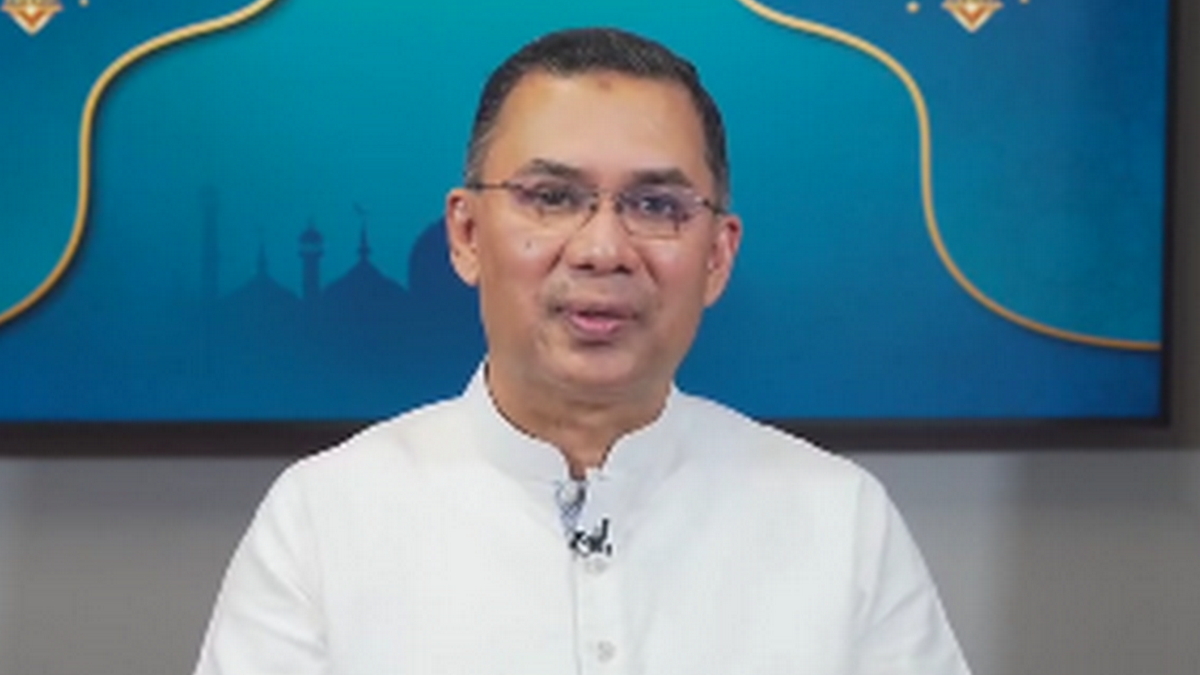 "Back from exile, BNP’s Tarique Rahman files nomination to contest Bangladesh polls")
 "'Till we are closer to qualification, I’m not thinking about squash at the LA Olympics': World Cup winning captain Abhay Singh")
 "Bangladesh: Targeted mob sets Hindu family’s home ablaze as minority attacks continue, say reports")
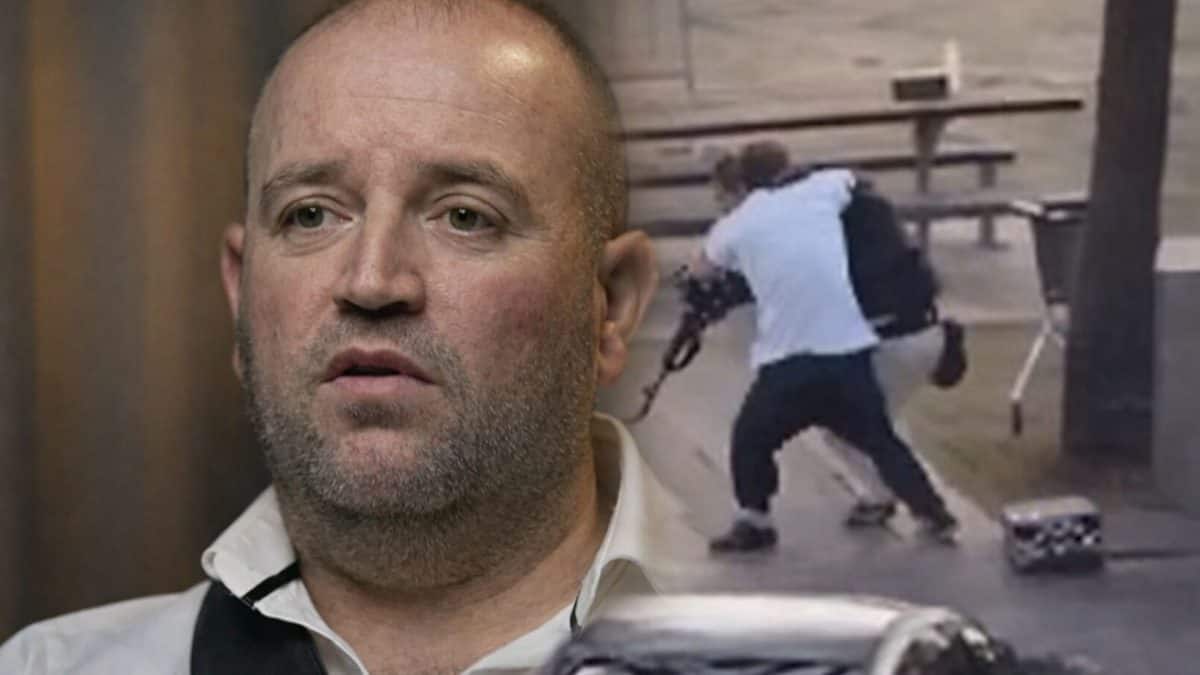
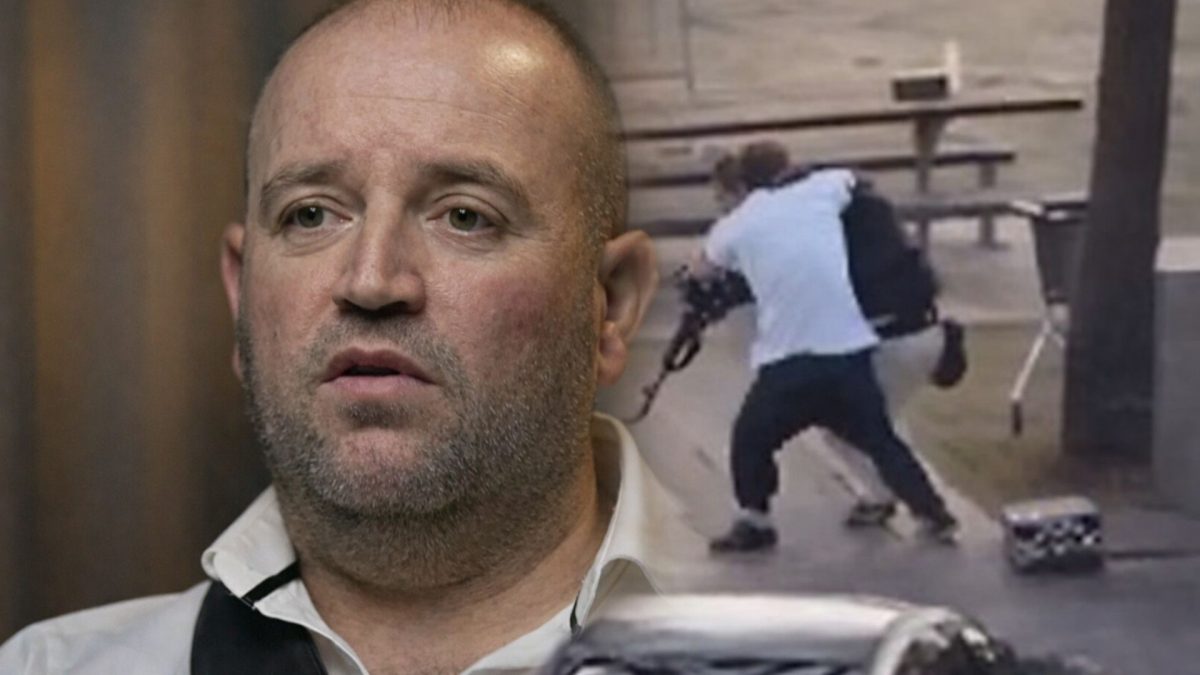 "‘My target was just to take the gun’: Bondi hero Ahmed al‑Ahmed recounts blow‑by‑blow how he tackled shooter")
 "Back from exile, BNP’s Tarique Rahman files nomination to contest Bangladesh polls")
 "'Till we are closer to qualification, I’m not thinking about squash at the LA Olympics': World Cup winning captain Abhay Singh")
 "Bangladesh: Targeted mob sets Hindu family’s home ablaze as minority attacks continue, say reports")
 "‘My target was just to take the gun’: Bondi hero Ahmed al‑Ahmed recounts blow‑by‑blow how he tackled shooter")



