

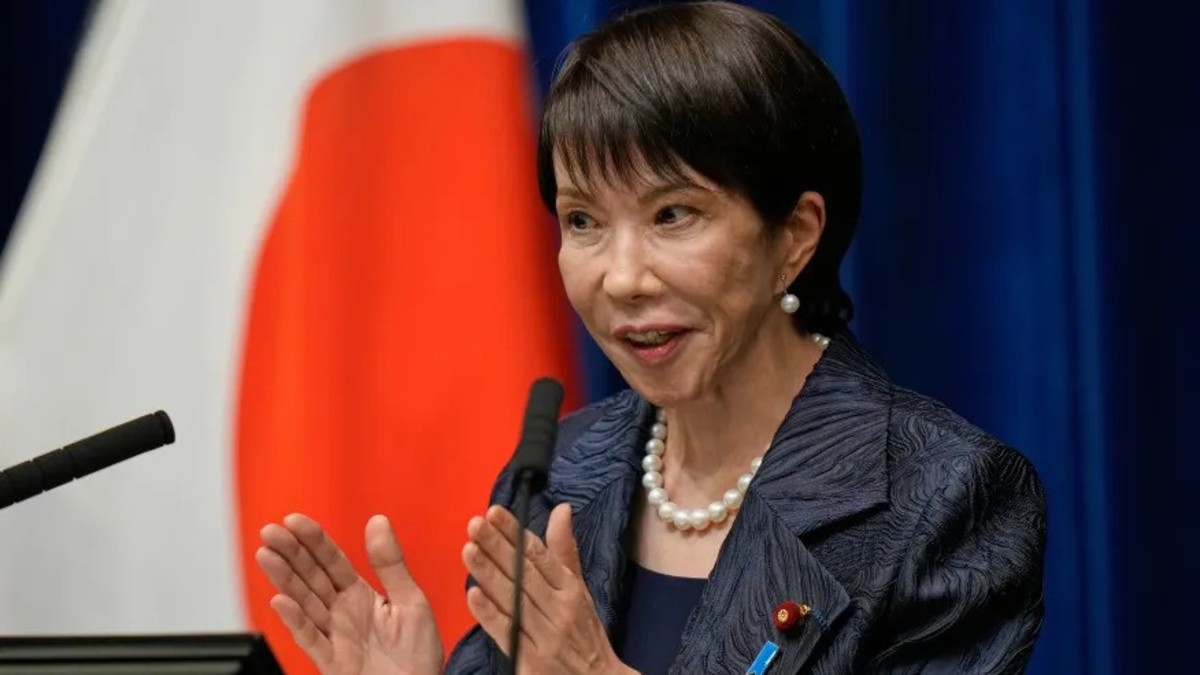
 "Japan approves record $785 billion budget as Takaichi balances spending and debt")
Japan’s cabinet under Prime Minister Sanae Takaichi on Friday approved a record budget of about $785 billion for the next fiscal year, seeking to balance expansionary spending plans with concerns over rising debt by keeping new bond issuance in check.
Amid higher government bond yields and a weak yen, the Takaichi administration has moved to reassure markets that it will avoid excessive borrowing or unfunded tax cuts.
The budget for the fiscal year beginning in April, to be submitted to parliament early next year, stands at a record 122.3 trillion yen, up from 115.2 trillion yen in the current year. Despite the increase in spending, new government bond issuance will rise only marginally, from 28.6 trillion yen to 29.6 trillion yen, while the debt dependence ratio will fall to 24.2 percent, the lowest level since 1998.
Stronger tax revenues, expected to climb 7.6 percent to a record 83.7 trillion yen, will help finance higher spending. However, they will not fully offset rising debt-servicing costs, along with increased social welfare and defence expenditure.
Debt-servicing costs, including interest payments and redemptions, are projected to rise 10.8 percent to 31.3 trillion yen. The assumed interest rate has been set at 3.0 percent, the highest in 29 years, as the Bank of Japan moves away from its ultra-loose monetary policy.
Japan already carries the largest debt burden among developed economies, at more than twice the size of its economy, making it particularly vulnerable to rising borrowing costs and complicating Takaichi’s push for aggressive fiscal stimulus.
The prime minister also plans to drop the annual primary budget balance as Japan’s fiscal consolidation target and instead adopt a multi-year goal to allow greater flexibility in government spending.


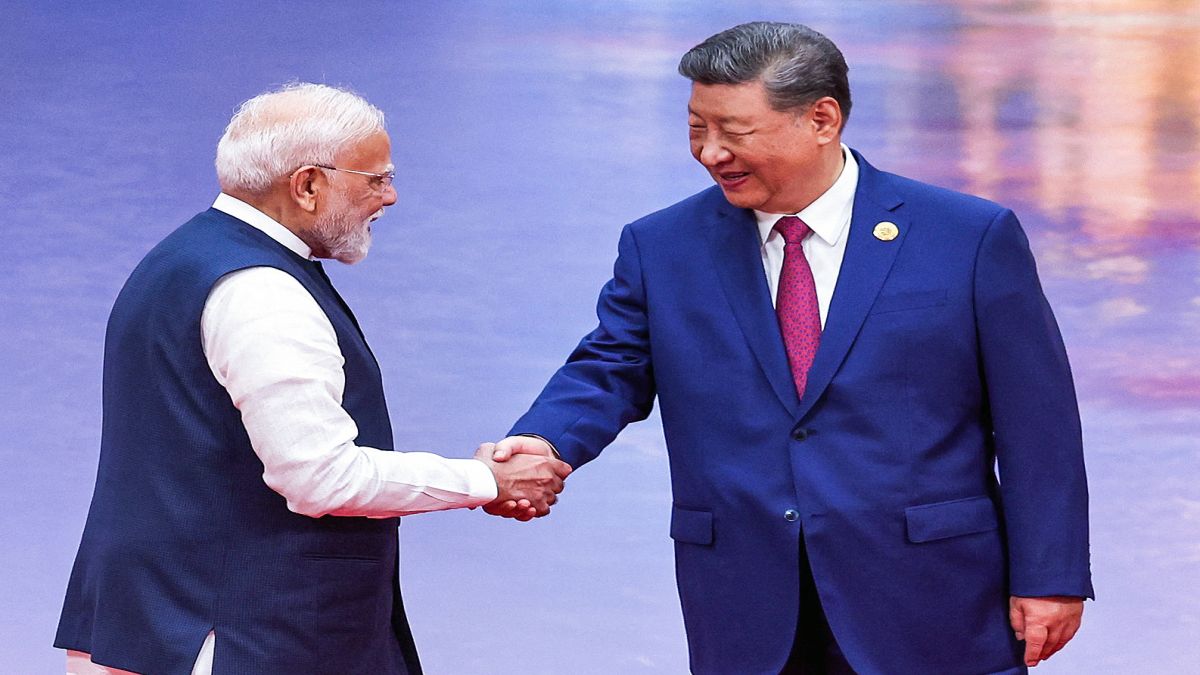 "US hurting India-China ties to have military hegemony: Beijing on Pentagon report")
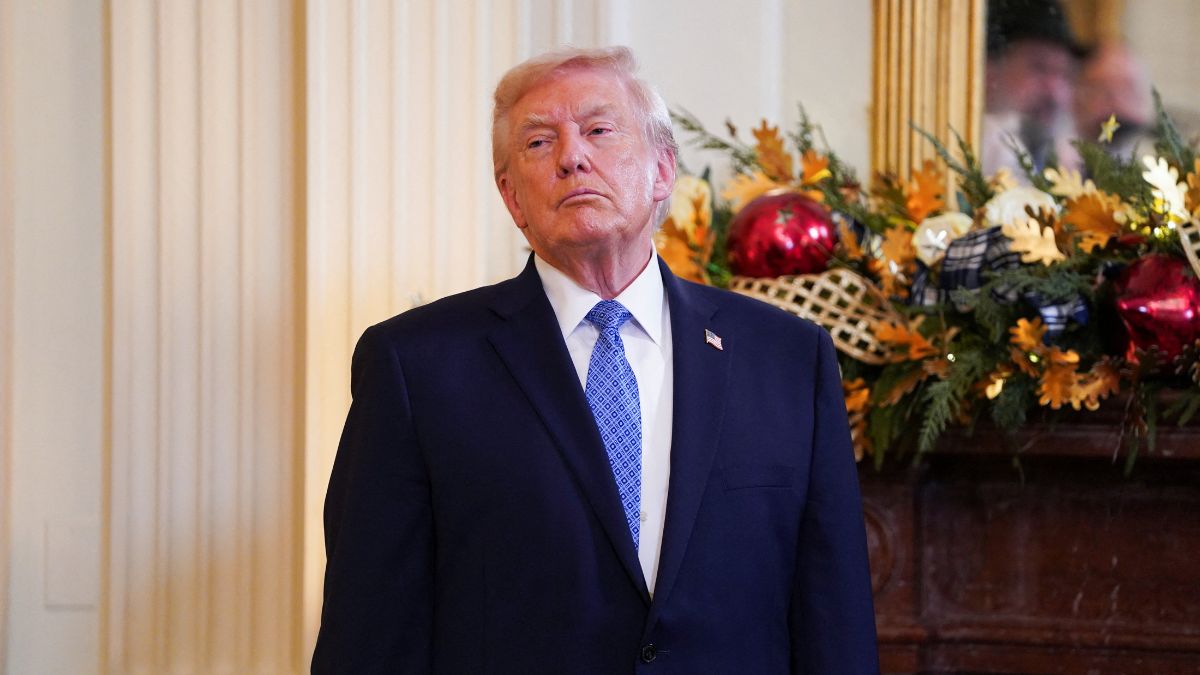 "US launches 'powerful and deadly strikes' against Islamic State in Nigeria: Donald Trump")
 "Dipu Chandra Das and Amrit Mondal: The tale of 2 lynchings in Bangladesh")
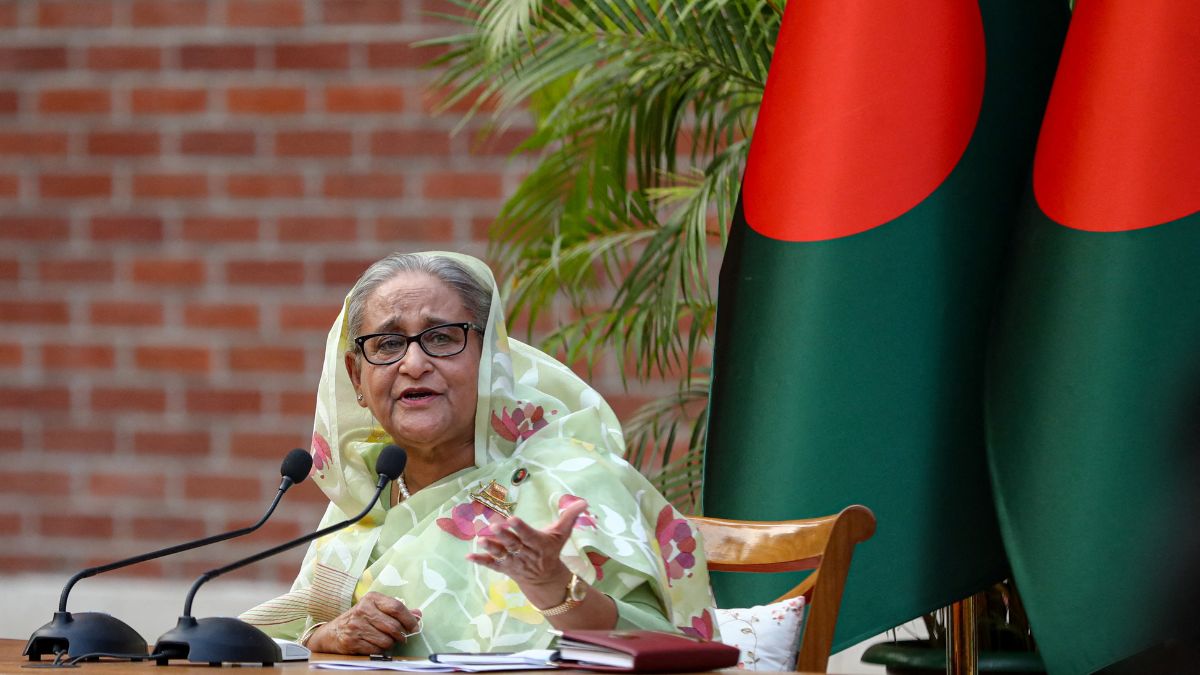 "Yunus govt 'burning minorities to death' in Bangladesh: Sheikh Hasina")
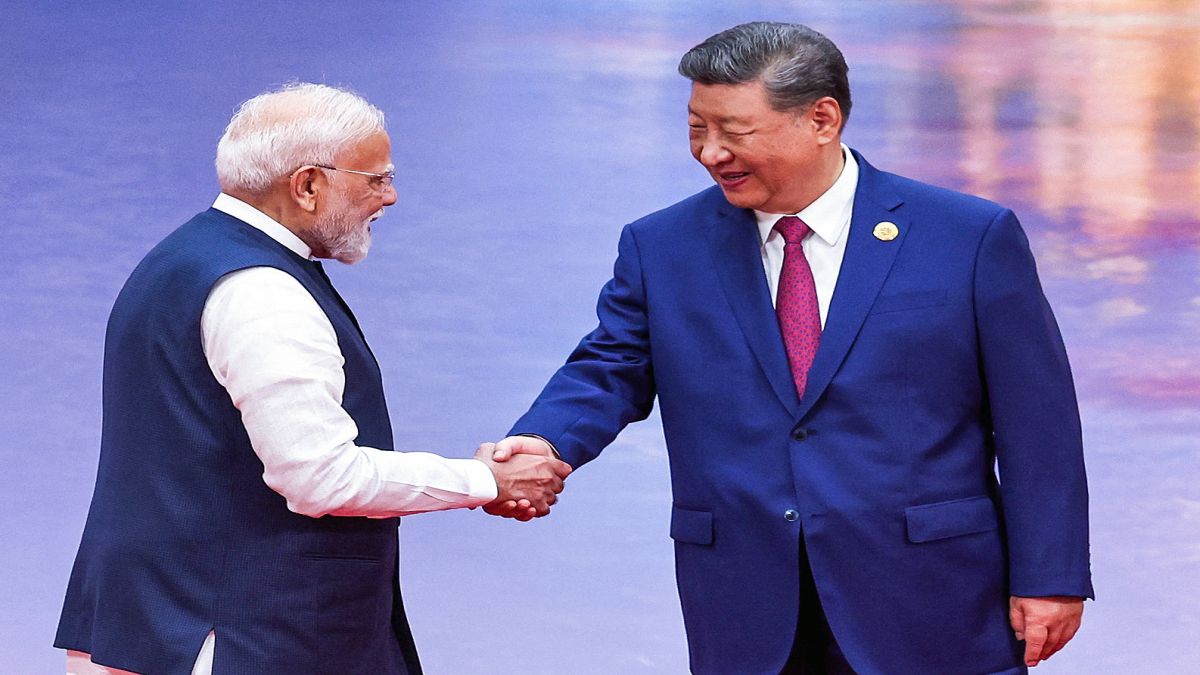 "US hurting India-China ties to have military hegemony: Beijing on Pentagon report")
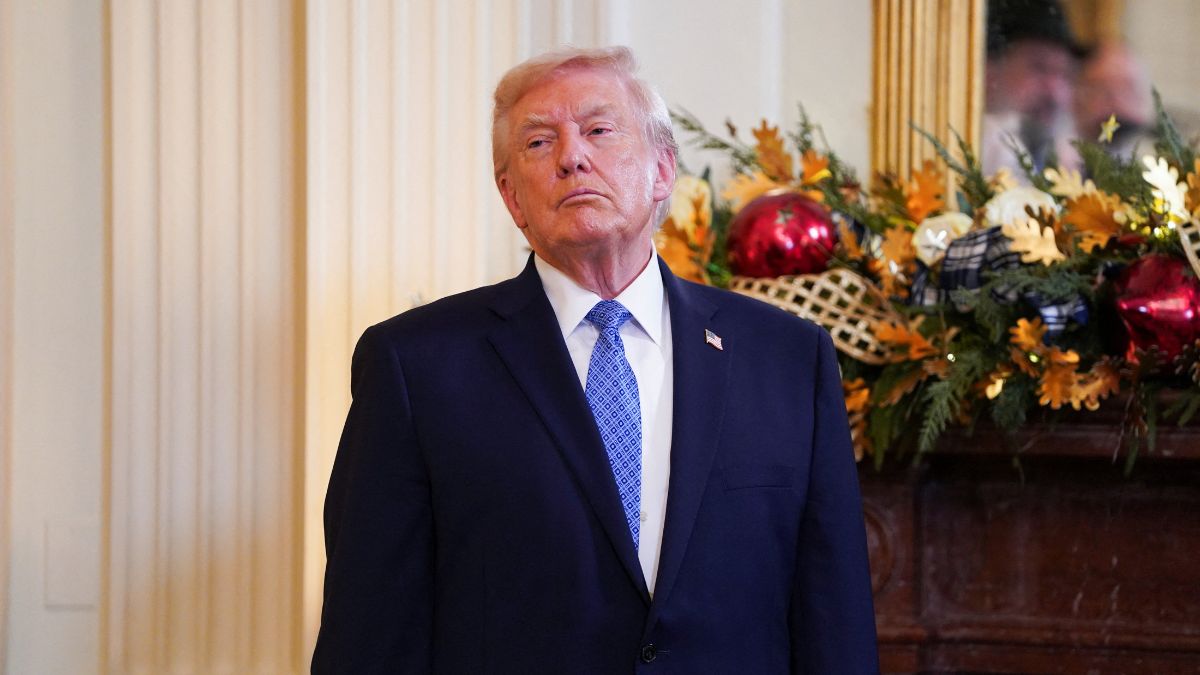 "US launches 'powerful and deadly strikes' against Islamic State in Nigeria: Donald Trump")
 "Dipu Chandra Das and Amrit Mondal: The tale of 2 lynchings in Bangladesh")
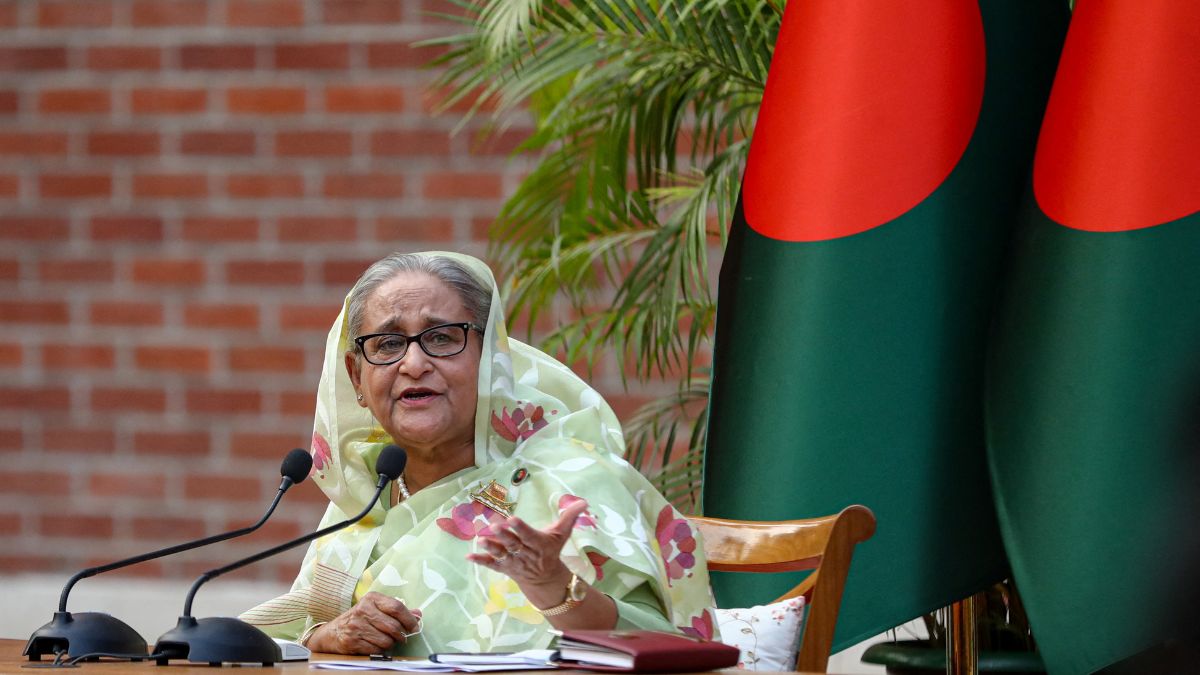 "Yunus govt 'burning minorities to death' in Bangladesh: Sheikh Hasina")



