

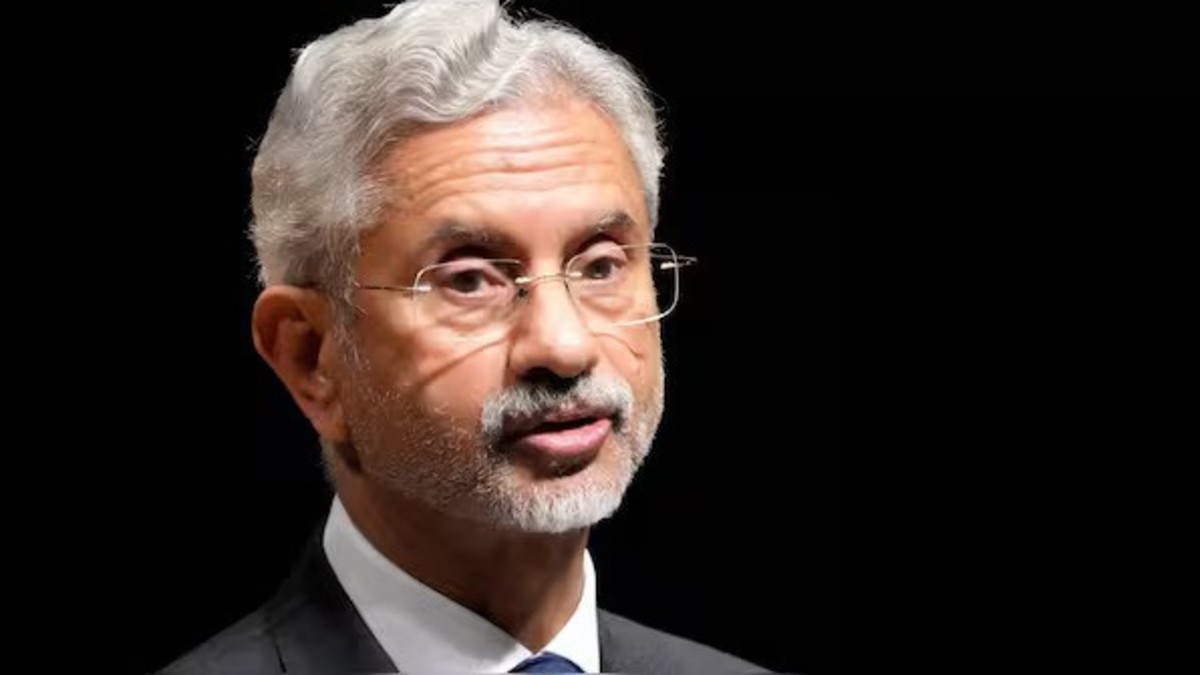
 "Jaishankar to attend Khaleda Zia’s state funeral in Dhaka amid strained India-Bangladesh ties")
Amid strained relations between India and Bangladesh, External Affairs Minister Dr S Jaishankar will attend the state funeral of former Bangladesh prime minister and Bangladesh Nationalist Party (BNP) chairperson Begum Khaleda Zia on Wednesday, December 31.
Prime Minister Narendra Modi expressed condolences over her death, saying he was “deeply saddened” by the passing of the former prime minister. Khaleda Zia, Bangladesh’s first woman prime minister and a central figure in its turbulent political history, died early on Tuesday, December 30, at Evercare Hospital in Dhaka after a prolonged illness, the BNP said. She was 80.
Zia had been hospitalised since late November with multiple health complications, including advanced liver cirrhosis, heart problems, diabetes and lung infections. She died around 6 am local time, shortly after dawn prayers, with her son Tarique Rahman—who recently returned to Bangladesh after 17 years in exile—and other family members by her side.
The Bangladesh government has announced three days of state mourning. Her funeral prayers (namaz-e-janaza) are scheduled for Wednesday afternoon at the South Plaza of the National Parliament in Dhaka, followed by burial with full state honours at Zia Udyan, beside her late husband, former president Ziaur Rahman, who was assassinated in 1981. Pakistan’s foreign minister Ishaq Dar is also expected to attend the funeral.
Born in 1945, Khaleda Zia lived a largely private life until her husband’s assassination thrust her into politics. She took charge of the BNP in 1984 and emerged as a leading opponent of military ruler Hussain Muhammad Ershad. In 1991, she became Bangladesh’s first woman prime minister following the restoration of parliamentary democracy, serving until 1996. She returned to power for a second term from 2001 to 2006, heading a four-party alliance.
Quick Reads
View AllAlongside her long-time rival Sheikh Hasina, who was ousted from power in 2024 and is now in exile, Zia was one half of the “battling begums” rivalry that dominated Bangladeshi politics for decades. Released from detention in 2024 after Hasina’s fall and cleared of remaining corruption cases in early 2025, Zia had signalled plans to campaign ahead of national elections expected in early 2026. Her death marks the close of a defining chapter in Bangladesh’s political life.

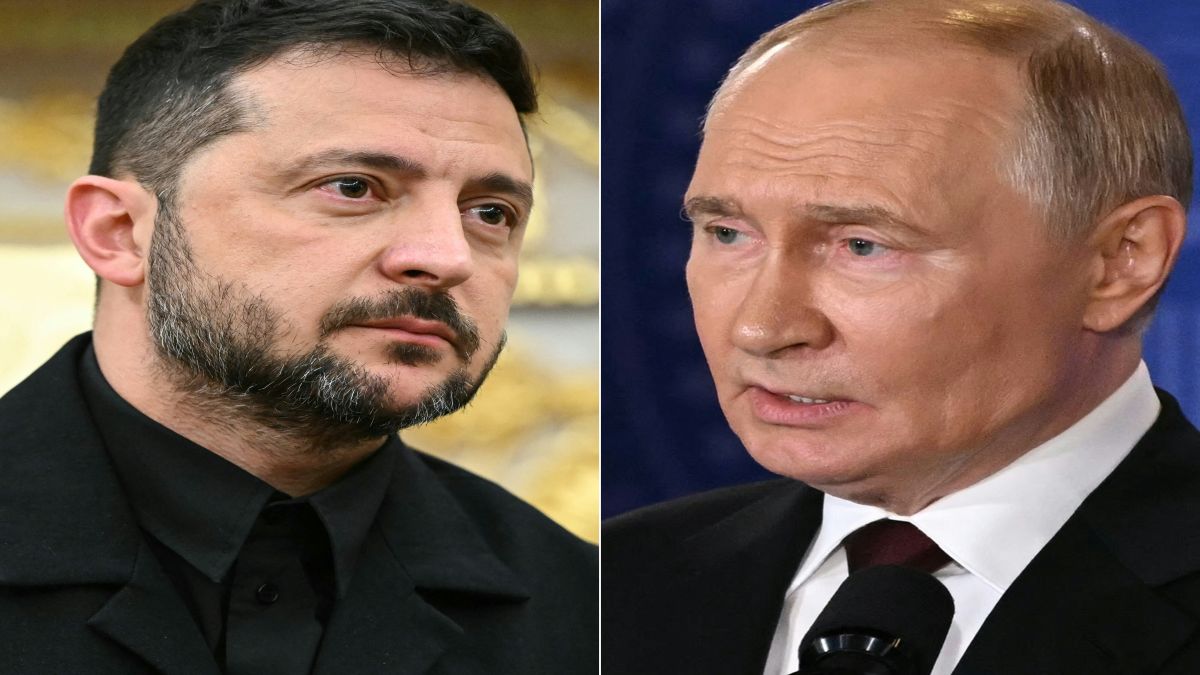 "Attack on Putin’s residence: Kremlin not ready to offer proof, cornered Ukraine denies charge")
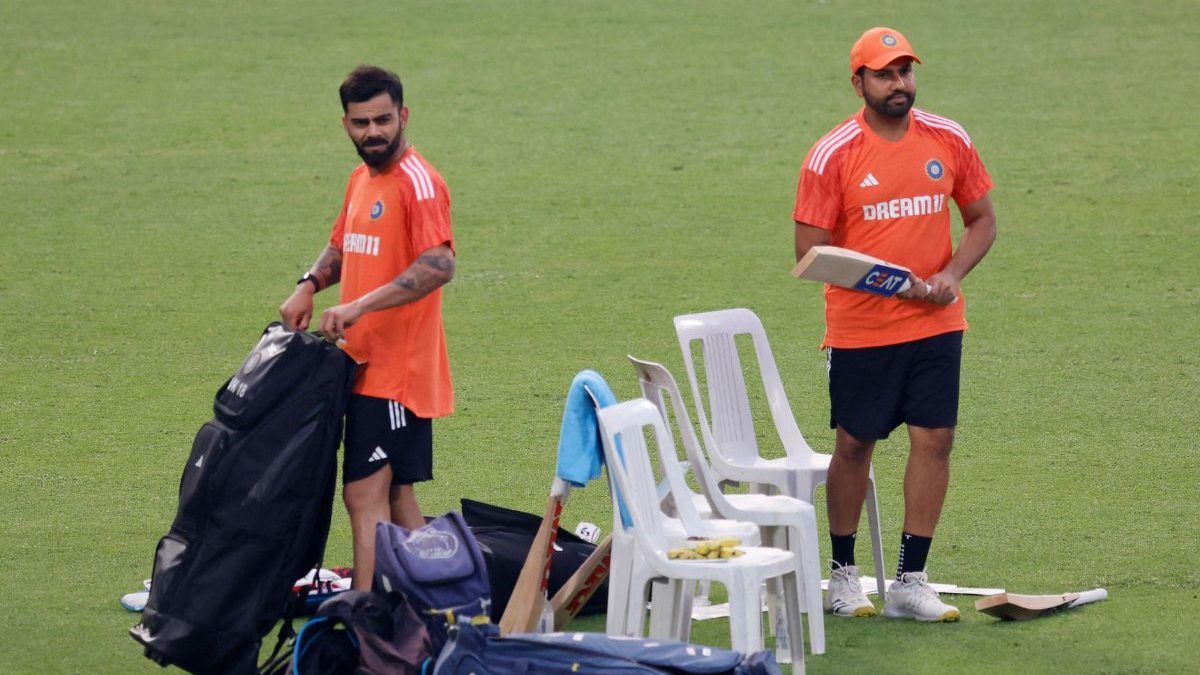 "Virat Kohli and Rohit Sharma urged to reveal truth behind sudden Test exit: 'I don’t think it was natural'")
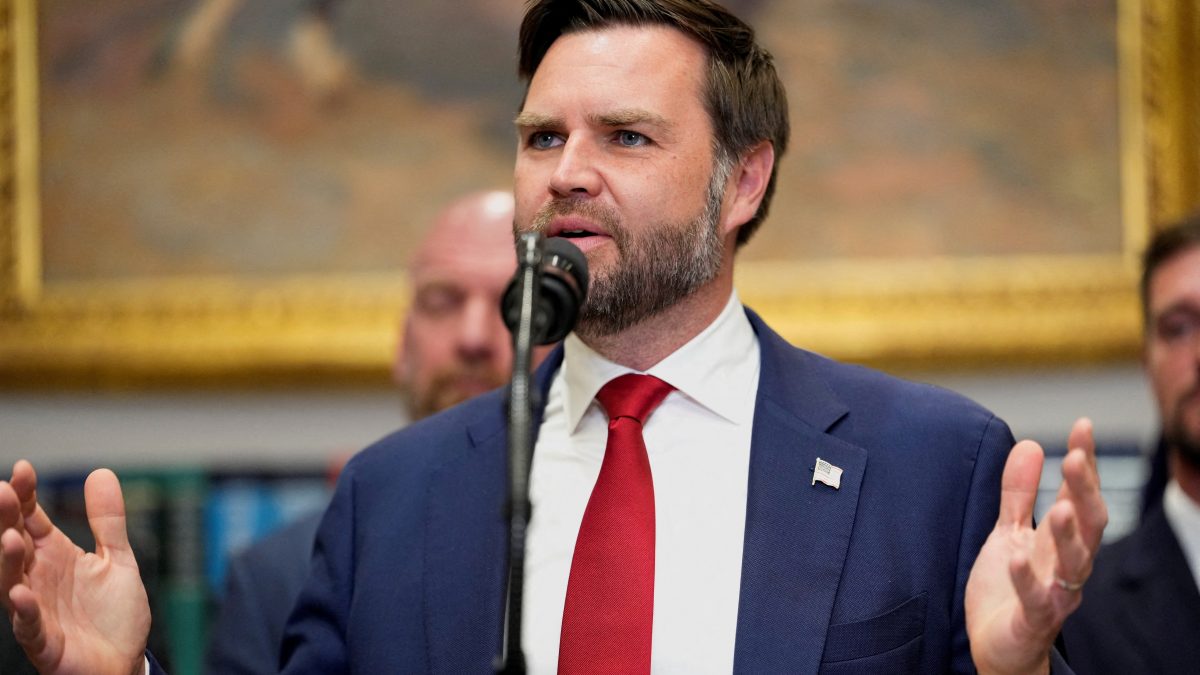 "How JD Vance brokered peace between Trump and Musk")
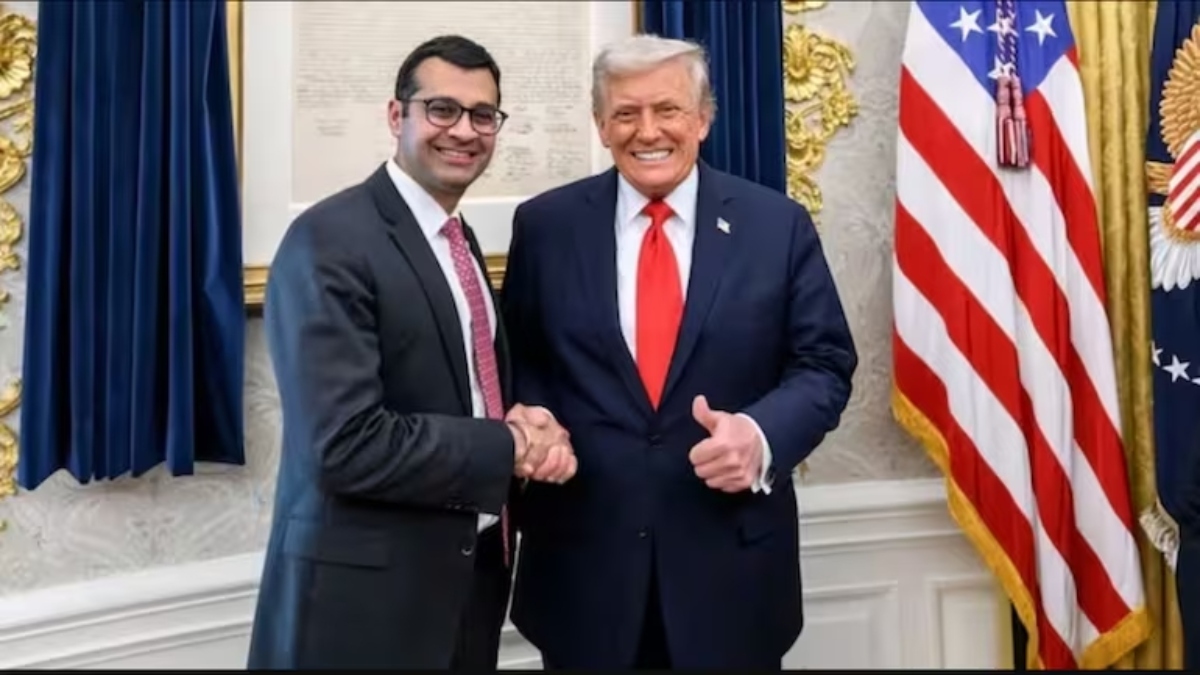 "‘Puzzling’: US honours Ricky Gill, Indian-origin Trump adviser, for ‘India-Pakistan ceasefire’ role")
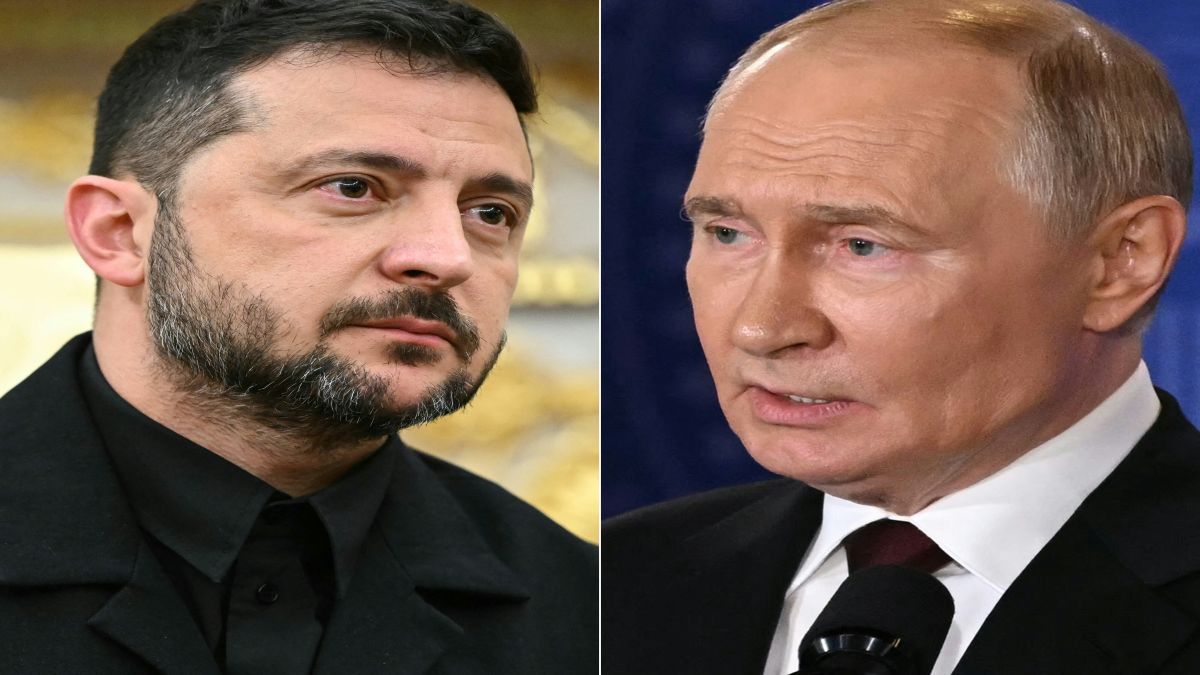 "Attack on Putin’s residence: Kremlin not ready to offer proof, cornered Ukraine denies charge")
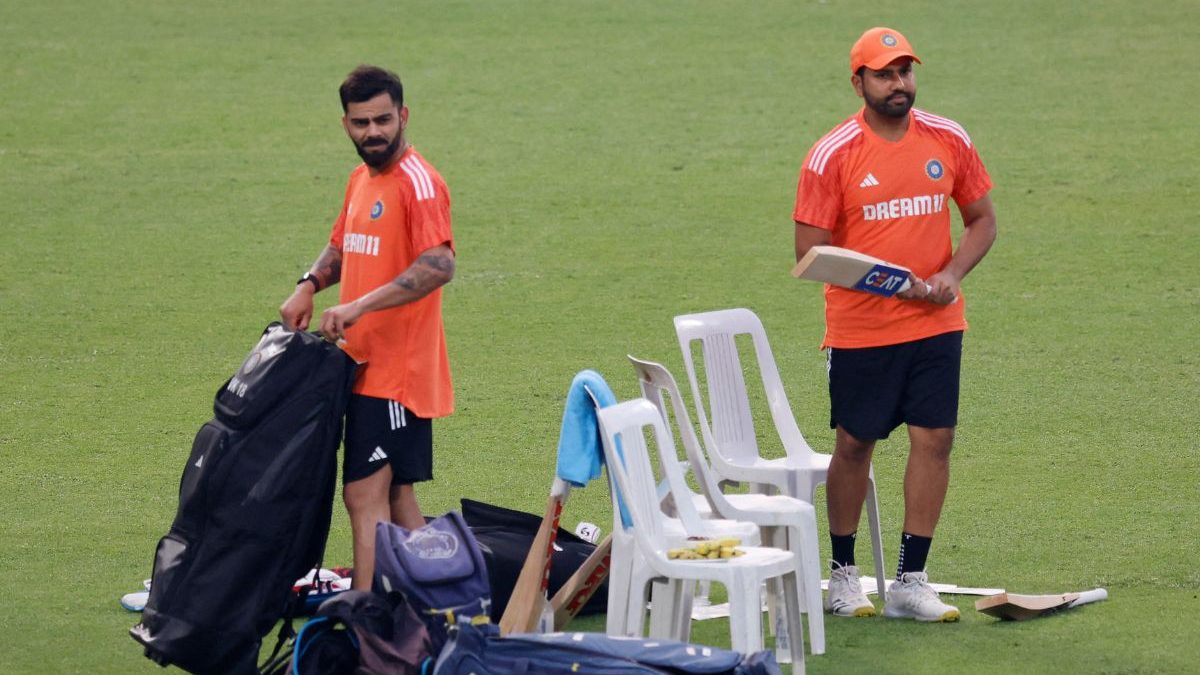 "Virat Kohli and Rohit Sharma urged to reveal truth behind sudden Test exit: 'I don’t think it was natural'")
 "How JD Vance brokered peace between Trump and Musk")
 "‘Puzzling’: US honours Ricky Gill, Indian-origin Trump adviser, for ‘India-Pakistan ceasefire’ role")



