

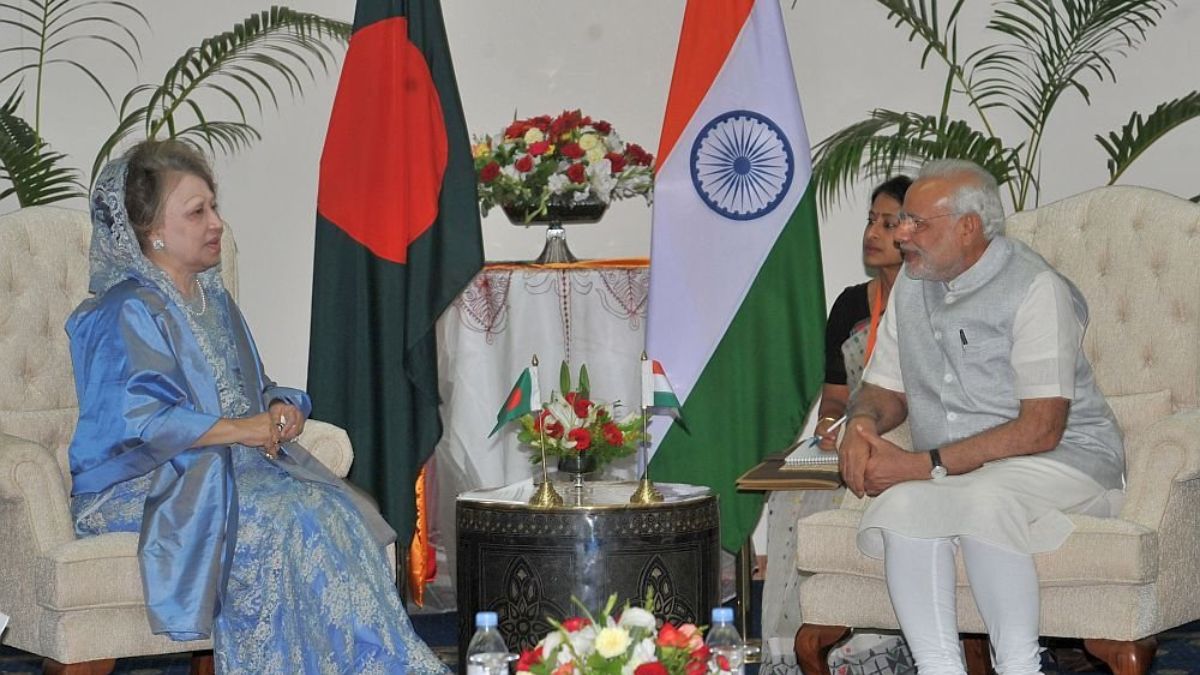
 "How Khaleda Zia, Bangladesh’s first woman PM, had a rocky relationship with India")
Bangladesh has lost its first woman prime minister. Khaleda Zia, Chairperson of the Bangladesh Nationalist Party (BNP), died on Tuesday at the age of 80 after a prolonged illness.
India condoled her demise, with Prime Minister Narendra Modi recalling his “warm meeting” with her in Dhaka in 2015. “As the first woman Prime Minister of Bangladesh, her important contributions towards the development of Bangladesh, as well as India-Bangladesh relations, will always be remembered,” he posted on X.
West Bengal Chief Minister Mamata Banerjee also expressed grief over Zia’s death, extending condolences to her “family, friends and followers”.
Zia did not always share warm relations with India. We take a look at her history with New Delhi.
Khaleda Zia’s anti-India stance
Khaleda Zia, who was popularly known as ‘Begum Zia’, served as Bangladesh’s prime minister between 1991 and 1996, and then 2001 and 2006.
During her tenure as PM, she interacted with three Indian PMs: PV Narasimha Rao, Atal Bihari Vajpayee and Manmohan Singh.
Zia had a tumultuous relationship with India. During Zia’s first term as PM between 1991 and 1996, India and Bangladesh’s relations were marked by cross-border insurgencies, water-sharing issues, and trade imbalances.
Her last stint as Bangladesh’s PM, between 2001 and 2006, saw a rise in tensions with India. New Delhi had accused her government of sheltering anti-India terrorist groups and insurgent groups in the northeast.
This came after her BNP joined hands with the right-wing Islamist party, Jamaat-e-Islami, in Bangladesh.
Zia even referred to insurgent groups – the United Liberation Front of Asom (ULFA) and the National Democratic Front of Bodoland (NDFB) – in India as “freedom fighters”. Zia once said at a public meeting in Bangladesh’s Feni district, “They are fighting for independence. We also fought for it, so we are always in favour of any independence movement.”
Quick Reads
View AllIndia had alleged that the Zia-led BNP government connived with Pakistani agencies to support northeastern separatist groups, with their top leadership provided a safe haven in Bangladesh, as per The Week.
Zia also opposed overland transit and connectivity links with India. During her tenure as PM, she denied India transit rights through Bangladesh to the northeastern states, calling it an infringement on her country’s security and sovereignty.
The BNP leader previously said, “We got independence by sacrificing our blood. We will never let the government give a corridor to India through our land. We will resist such an attempt.”
In 2018, when Awami League’s Sheikh Hasina was PM and Zia was Leader of the Opposition, the BNP chief condemned her arch-rival over exempting India from transit duties.
“We will resist the move to turn Bangladesh into a state of India,” Zia said at the time.
She also likened the Indian trucks’ toll-free use of Bangladeshi roads to “slavery”.
The BNP chief opposed the renewal of the 1972 Indo-Bangladesh Friendship Treaty, which was widely seen as strategically important, especially from a military standpoint. She argued that the pact “shackled” her country, as per NDTV.
Zia also attacked Hasina as being an Indian stooge, further affecting her and the BNP’s ties with New Delhi.
India welcomed Hasina’s return to power in 2008, whose Awami League maintained friendlier relations with New Delhi.
It wasn’t all bad
It was not only tensions between New Delhi and Dhaka when Zia ruled the neighbouring country.
In 2006, she signed a revised trade agreement and a new anti-drug smuggling accord with India. Zia also discussed security, trade, and water-sharing with her Indian counterpart.
Six years later, the then Indian Prime Minister Manmohan Singh hosted an exclusive lunch for Khaleda Zia in Delhi.
In November 2012, Zia told Singh that she had come with an “open mind” and with the “hope of a new era” that would include overcoming “past wounds” and “past bitterness”.
During her week-long stay in India, the BNP leader also met then External Affairs Minister Salman Khurshid, Foreign Secretary Ranjan Mathai and National Security Adviser Shiv Shankar Menon, along with Bharatiya Janata Party (BJP) leaders Sushma Swaraj and Nitin Gadkari.
Zia had also met then President Pranab Mukherjee, whose office praised her role as the opposition leader and as the former Bangladesh PM.
At the time, she had also assured New Delhi that the BNP would not allow Bangladesh’s territory to be used by terrorists to target India.
She also reportedly changed her previous stance on providing overland transit to India, saying it was needed “as part of the total connectivity of the region.”
Her visit was believed to be a success in New Delhi until she returned. Once back, she renewed her allegations against Hasina being an Indian stooge, as reported by Indian Express.
India continued its outreach to the BNP even after PM Modi came to power in 2014. He met Zia during his visit to Dhaka in 2015.
BNP’s changed tone towards India
The BNP’s anti-India rhetoric did not die until last year. After Hasina was ousted as PM in August 2024 following a student-led movement, Zia’s party called for “equal and respectful” relations with India – signalling a shift in the BNP’s foreign policy.
“India is our friend,” Barrister Rumeen Farhana, BNP’s assistant secretary for international affairs, reportedly said. “We want to maintain a positive relationship with India. But this relationship should be based on equality and mutual respect,” Farhana said.
When reports emerged earlier this year that Zia’s health had deteriorated, PM Modi said on X, “… deeply concerned to learn about the health of Begum Khaleda Zia, who has contributed to Bangladesh’s public life for many years.”
This prompted a response from the BNP, which praised India’s “gesture of goodwill”.
As per an article in the Dhaka Tribune, the BNP’s changed tone towards India shows an increasing realisation within Zia’s party that past hostility is unlikely to serve its growing political or strategic interests. Thus, it needed to reset its India stance to reclaim credibility both at home and abroad.
With inputs from agencies

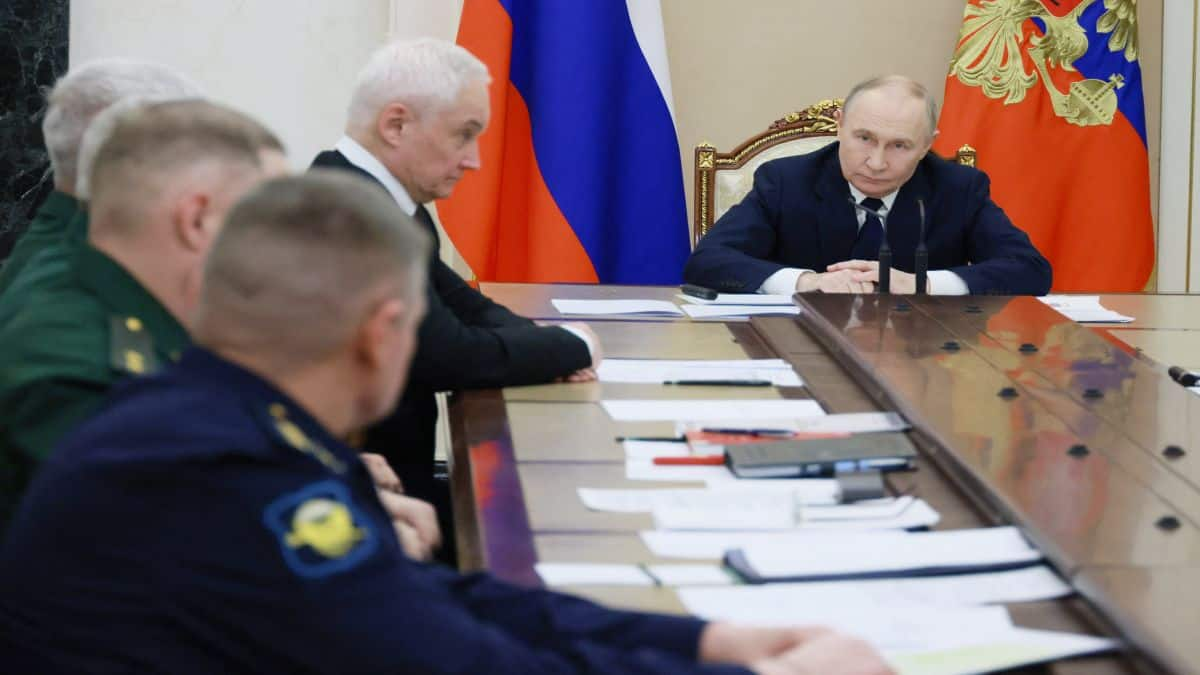
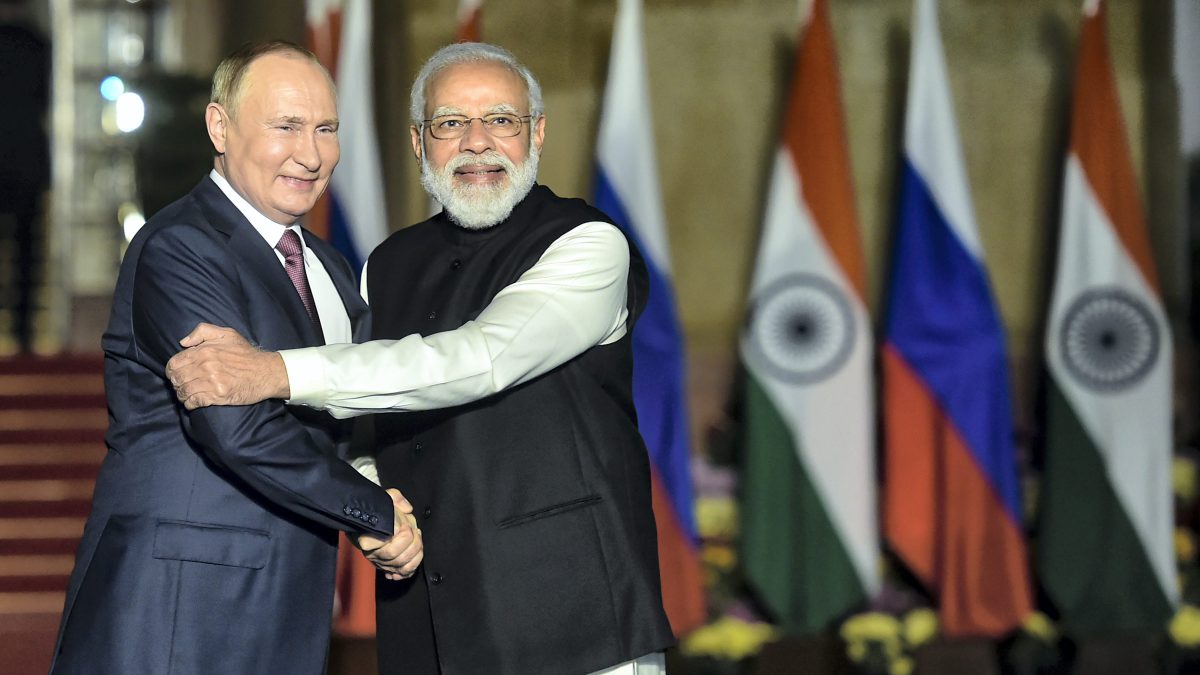 "'Deeply concerned': PM Modi expresses worry as reports of drone strikes on Putin’s residence emerge")
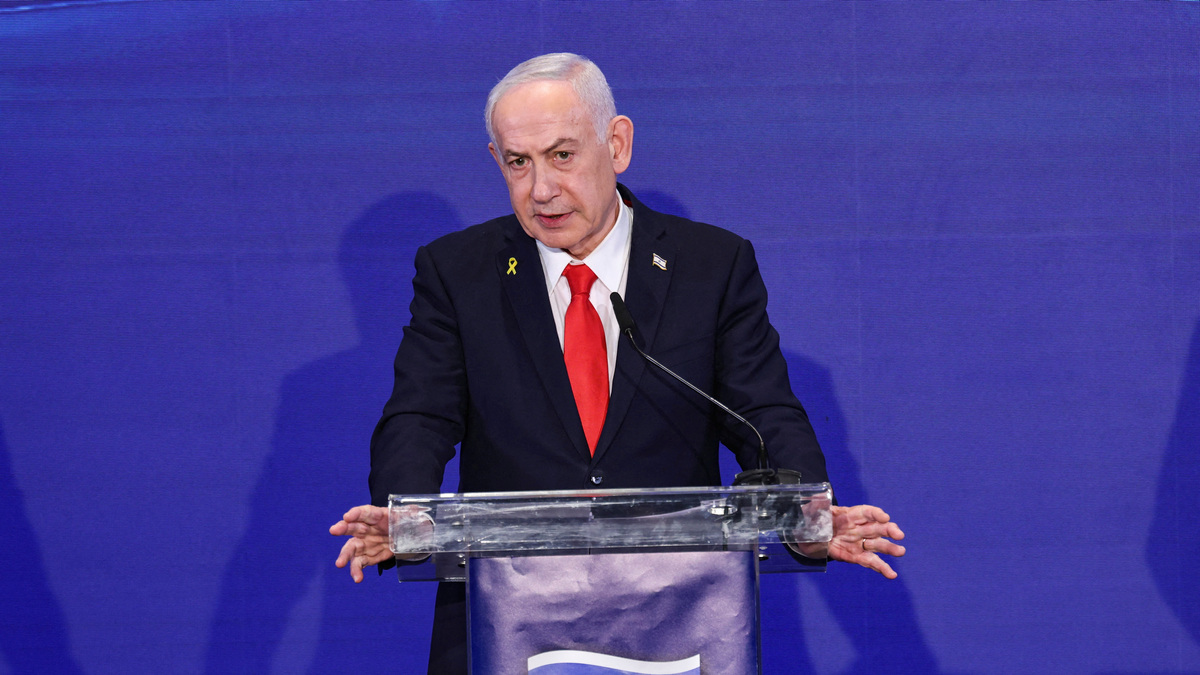 "Why Israel’s recognition of Somaliland is so controversial")
 "Russia claims Ukraine fired drones at Putin’s residence: Will this derail the peace talks?")
 "As Nobel snubs Trump, Netanyahu creates Israel Peace Prize to gift Potus a new badge of honour")
 "'Deeply concerned': PM Modi expresses worry as reports of drone strikes on Putin’s residence emerge")
 "Why Israel’s recognition of Somaliland is so controversial")
 "Russia claims Ukraine fired drones at Putin’s residence: Will this derail the peace talks?")
 "As Nobel snubs Trump, Netanyahu creates Israel Peace Prize to gift Potus a new badge of honour")



