

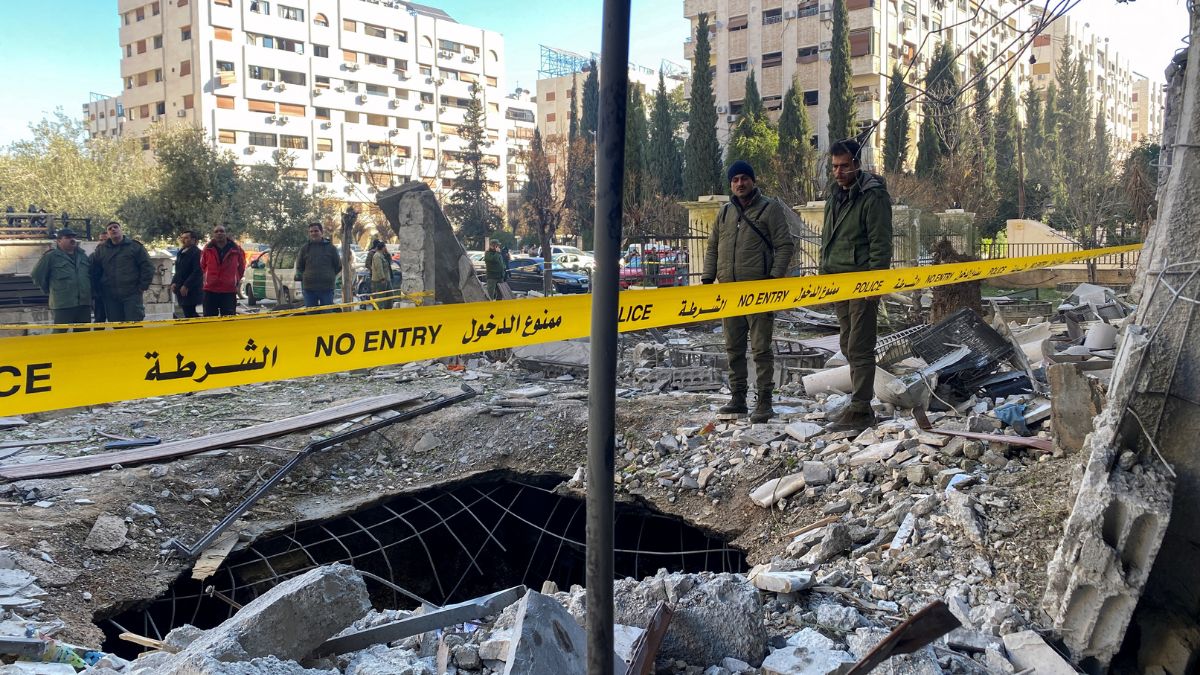
 "Israel strikes Syrian military even as rebel leader Abu Mohammed al-Jolani pledges peace")
Israeli airstrikes targeted dozens of sites in Syria overnight, hitting military installations, weapons depots, and naval assets, despite Syrian rebel leader Abu Mohammed al-Jolani’s statement that his group, Hayat Tahrir al-Sham (HTS), is not seeking conflict with Israel.
The strikes followed comments by Israeli Defense Minister Israel Katz, who said Israeli troops would remain stationed on Mount Hermon throughout the winter to secure positions they seized in the Golan Heights buffer zone last week. “Due to what is happening in Syria, there is enormous security importance to our holding on to the peak,” The Guardian quoted Katz as saying.
The British-based Syrian Observatory for Human Rights reported that Israel fired 61 missiles in under five hours, targeting Syrian military headquarters, radar systems, and arms caches. Israeli strikes also reportedly hit facilities associated with Syria’s missile and chemical weapons programs, as well as naval assets in Latakia.
Rebel leader calls for stability
Jolani, whose group played a key role in toppling Bashar al-Assad’s regime, accused Israel of using false pretexts for its attacks but stressed that HTS is focused on rebuilding Syria.
“There are no excuses for any foreign intervention in Syria now after the Iranians have left,” The Guardian quoted Jolani as saying in an interview with Syrian state media. “The priority at this stage is reconstruction and stability, not being drawn into disputes that could lead to further destruction.”
Jolani criticised Israel’s strikes as unwarranted and dangerous, warning they risk escalating regional tensions.
International concern over escalation
The United Nations and European nations, including France, Germany, and Spain, have urged Israel to withdraw from the buffer zone between Syria and the Israeli-occupied Golan Heights, citing violations of Syria’s sovereignty.
Impact Shorts
More ShortsUN Secretary-General António Guterres expressed “deep concern” over Israel’s actions, while the UN accused Israel of breaching a 1974 disengagement agreement that established the demilitarized zone. Israel, however, maintains that the agreement “collapsed” following the fall of Assad’s government.
Responding to criticism, Israel Defence Forces Chief of Staff Herzi Halevi said, “We aren’t intervening in what is happening in Syria. Our actions are solely focused on ensuring the security of Israeli citizens.”
Halevi added that Israel’s deployment along the border from Mount Hermon to the tri-border area with Jordan is designed to prevent extremist groups from gaining a foothold near Israeli territory.
Impact of Israeli strikes
Israeli air raids have severely degraded Syria’s military infrastructure, with reports suggesting that up to 70 per cent of its military capabilities have been destroyed. Western officials, who initially believed Israeli operations would be limited to chemical weapons and missile sites, were surprised by the scale of the campaign.
Among the sites targeted were assets of the Syrian Scientific Studies and Research Center, a facility linked to advanced weapons development, and air force infrastructure.
US engages with Syrian rebel groups
The airstrikes came as US Secretary of State Antony Blinken concluded talks with regional allies in Jordan, Turkey, and Iraq aimed at shaping Syria’s post-Assad future. Blinken underscored the challenges of stabilising Syria while preventing further displacement and terrorism.
“We know that what happens inside of Syria can have powerful consequences well beyond its borders,” Blinken said in Aqaba, Jordan.
Blinken also confirmed contacts between the Biden administration and HTS, though he declined to provide details. He said the US sought to communicate messages to the group regarding its conduct and plans for governance during Syria’s transition period.


 "Russian drones over Poland: Trump’s tepid reaction a wake-up call for Nato?")
 "As Russia pushes east, Ukraine faces mounting pressure to defend its heartland")
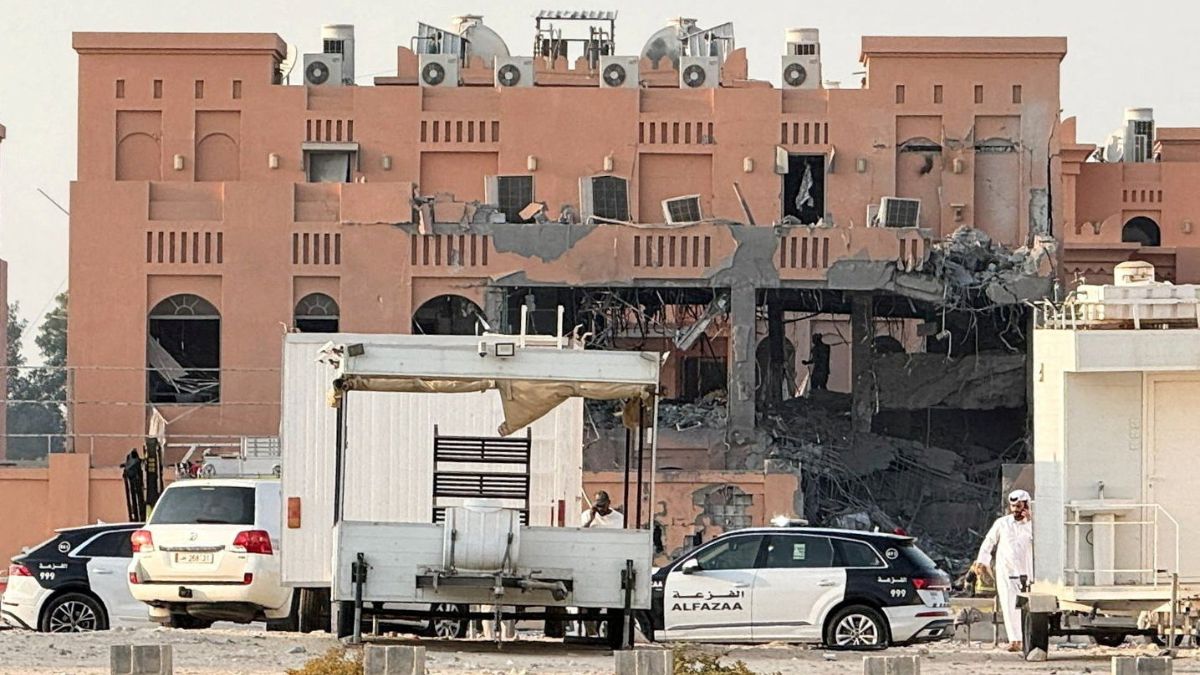 "Why Mossad was not on board with Israel’s strike on Hamas in Qatar")
 "Turkey: Erdogan's police arrest opposition mayor Hasan Mutlu, dozens officials in corruption probe")
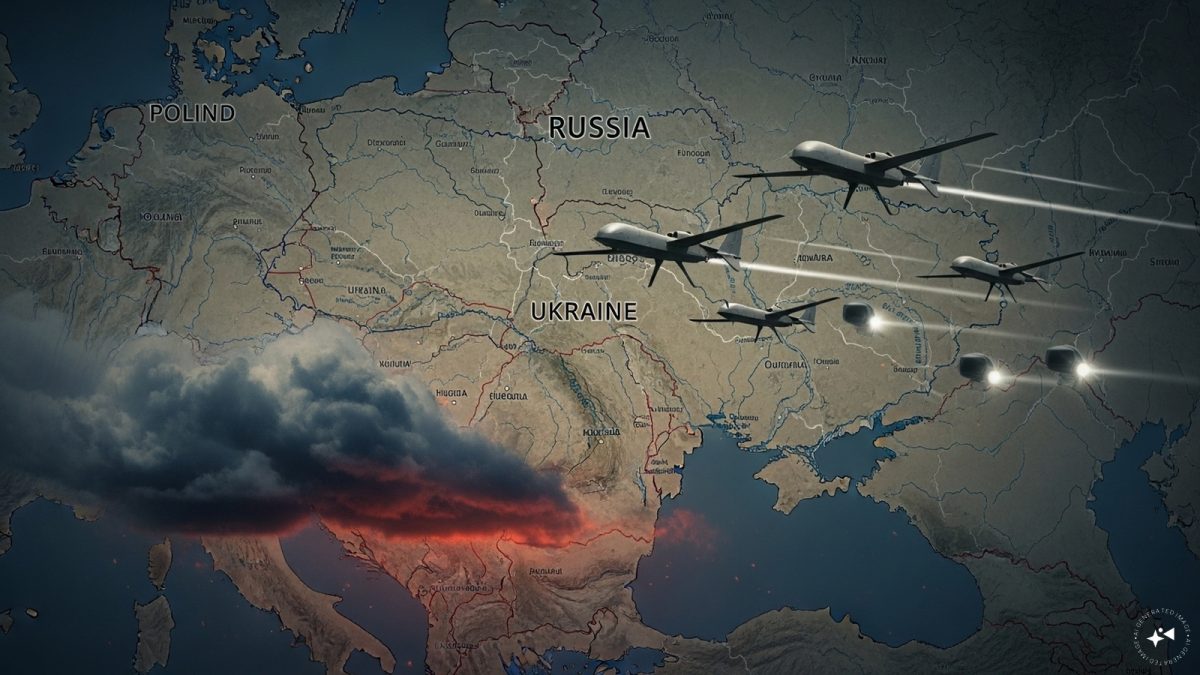 "Russian drones over Poland: Trump’s tepid reaction a wake-up call for Nato?")
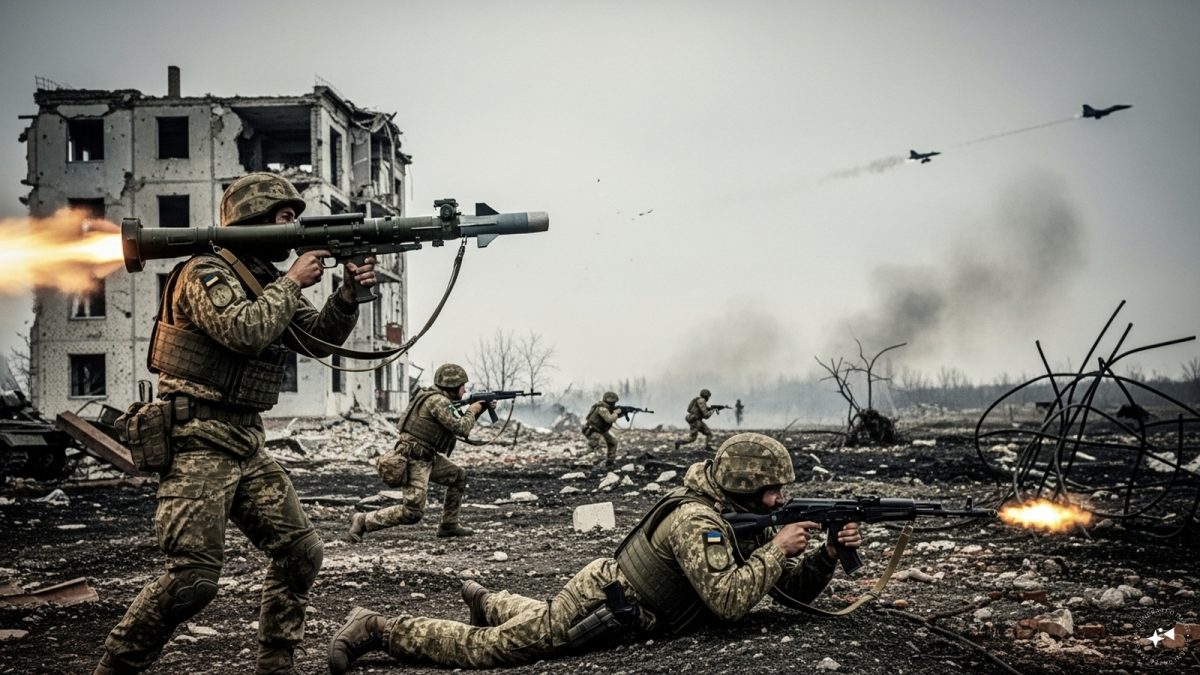 "As Russia pushes east, Ukraine faces mounting pressure to defend its heartland")
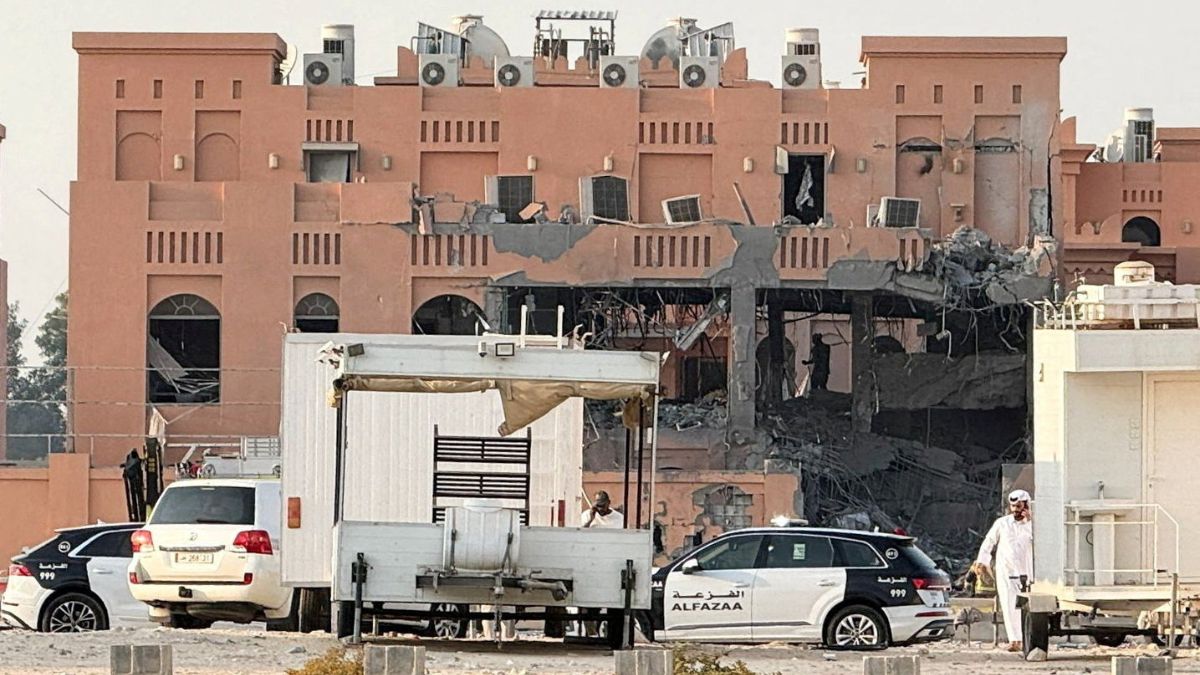 "Why Mossad was not on board with Israel’s strike on Hamas in Qatar")
 "Turkey: Erdogan's police arrest opposition mayor Hasan Mutlu, dozens officials in corruption probe")



