

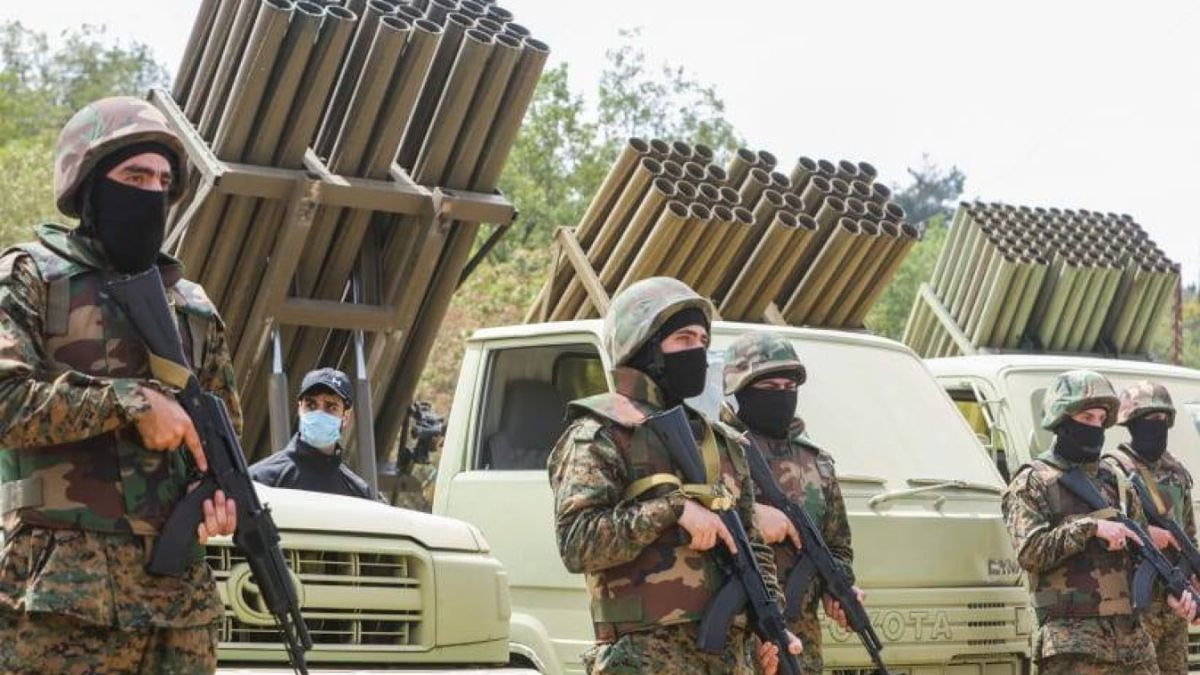
 "As Netanyahu gets Cabinet's nod to respond to Golan Heights attack, Hezbollah braces for war in Lebanon")
Two days after a rocket attack killed 12 children and injured dozens in Israel-controlled Golan Heights, Hezbollah is bracing for an Israeli retaliation.
Israel has said that the rocket was fired by Hezbollah, the Iran-backed and Lebanon-based terrorist group that has been clashing with Israel on a nearly-daily basis since the beginning of the Israel-Hamas War.
The Israeli Cabinet on Sunday authorised Prime Minister Benjamin Netanyahu and Defence Minister Yoav Gallant to take action against Hezbollah. Netanyahu has vowed to punish Hezbollah on an unprecedented scale.
Even as diplomats scramble to prevent the outbreak of a full-fledged war between Israel and Hezbollah, the two sides continue to engage in sporadic tit-for-tat attacks that have been going on for months. There are signs that even as efforts to prevent an all-out war are on, the sides are preparing for it.
Hezbollah mobilises missiles for all-out with Israel
To meet any Israeli offensive, Hezbollah appears to have started making preparations.
An official from the terrorist group told The Associated Press that Hezbollah has started moving around some of its “smart precision-guided missiles” to use if needed.
The official, however, noted that the stand of Hezbollah has not changed and it does not want a full-blown war with Israel, but will fight without limits in case war does break out.
Hezbollah is part of the ‘Axis of Resistance’ in the Middle East. The bloc comprises Hezbollah, Hamas, Palestinian Islamic Jihad (PIJ), Houthis, and Shia militias in Iraq and Syria. All of them are backed by Iran and share its opposition to Israel and commitment to its destruction.
Impact Shorts
More ShortsOf these groups, Hezbollah is the strongest group. In its public assessment, the US Central Intelligence Agency (CIA) has said it has around 45,000 fighters and an arsenal of around 150,000 missiles and rockets of various types.
Are Israel & Hezbollah set for an all-out war?
So far, all sides —Israel, Hezbollah, Iran— have indicated that they do not want a full-scale war.
The clearest indication was in April when Iran launched an unprecedented barrage on Israel of hundreds of missiles and drones, but it launched it after several days of warnings that allowed a coalition of Middle Eastern and European countries to mount a collective defence of Israel. Similarly, Israel’s retaliation was also subdued and caused little substantial damage but conveyed a message.
Something similar is expected in case of the Israeli retaliation against Hezbollah where it may resort to an Iran-like barrage.
Efforts have also been going on for a while to reach an understanding between Israel and Hezbollah. The New York Times has reported that US envoy Amos Hochstein and top French officials have shuttled between Israel and Lebanon in recent months to coax the two sides into an informal truce.
There are indications that the sides are already looking for a way out. Two Israeli officials have told Reuters that Israel wants to hurt Hezbollah and prepare for a few days of fighting but does not want to plunge the country and the region into another all-out war.
“The estimation is that the response will not lead to an all-out war. That would not be in our interest at this point,” said a diplomatic source to the agency.
Separately, Israel’s Yedioth Ahronoth newspaper quoted officials as saying that the Israeli response would be “limited but significant”. The newspaper said the nature of attack could range from limited attacks on infrastructure including bridges, power plants, and ports to hitting Hezbollah arms depots or targeting the terrorist group’s commanders.
Even though all indications and report indicated that Israel does not want a full-scale war, The Times reported that politics may still make the Israeli leadership to invade Lebanon.
Several thousands of Israelis in northern part of the country bordering Lebanon have been displaced for months amid devastating attacks from Hezbollah. The newspaper reported that the Israeli government needs a pretext to tell these displaced civilians to return to their homes and the invasion of Lebanon could be that pretext.
With the invasion, the Israeli government could claim that Hezbollah has been pushed away from the border and people may return to their homes, according to the newspaper.
The paper noted that such an action would be a gamble as top Israeli generals privately believe that the military is not in the optimal state of fighting a two-front war, as per the paper.
The report further said that the generals believe the forces are low on certain munitions and spare parts and there are also issues with inadequate number of reservists reporting for duty.


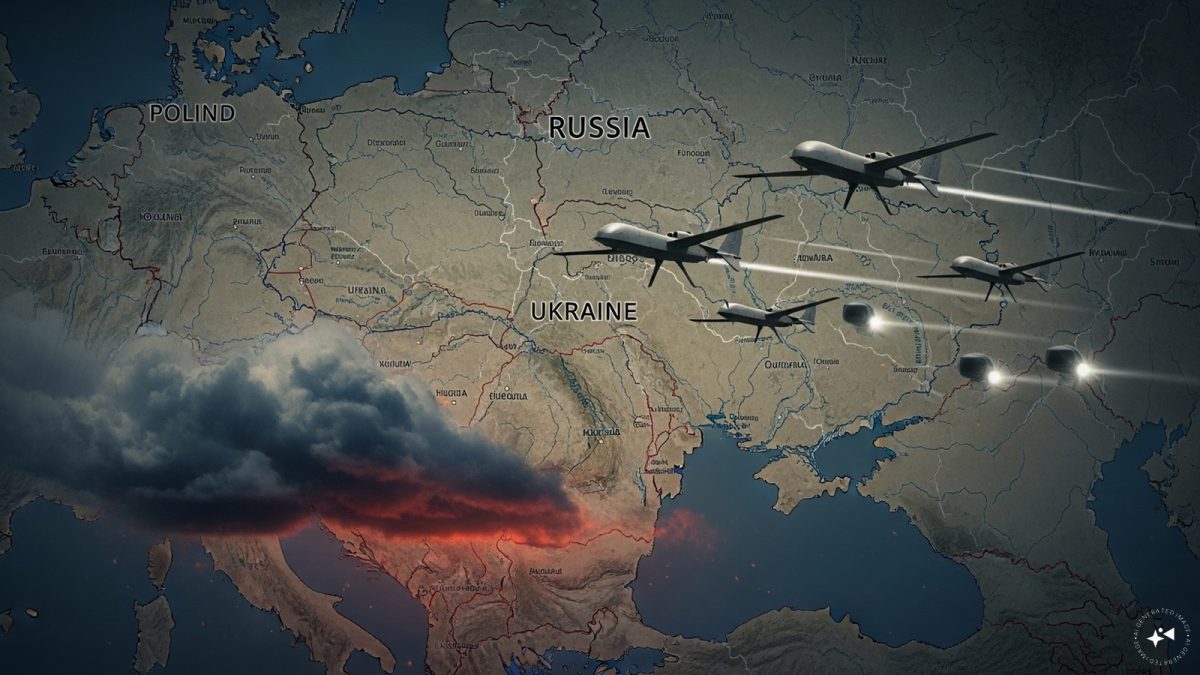 "Russian drones over Poland: Trump’s tepid reaction a wake-up call for Nato?")
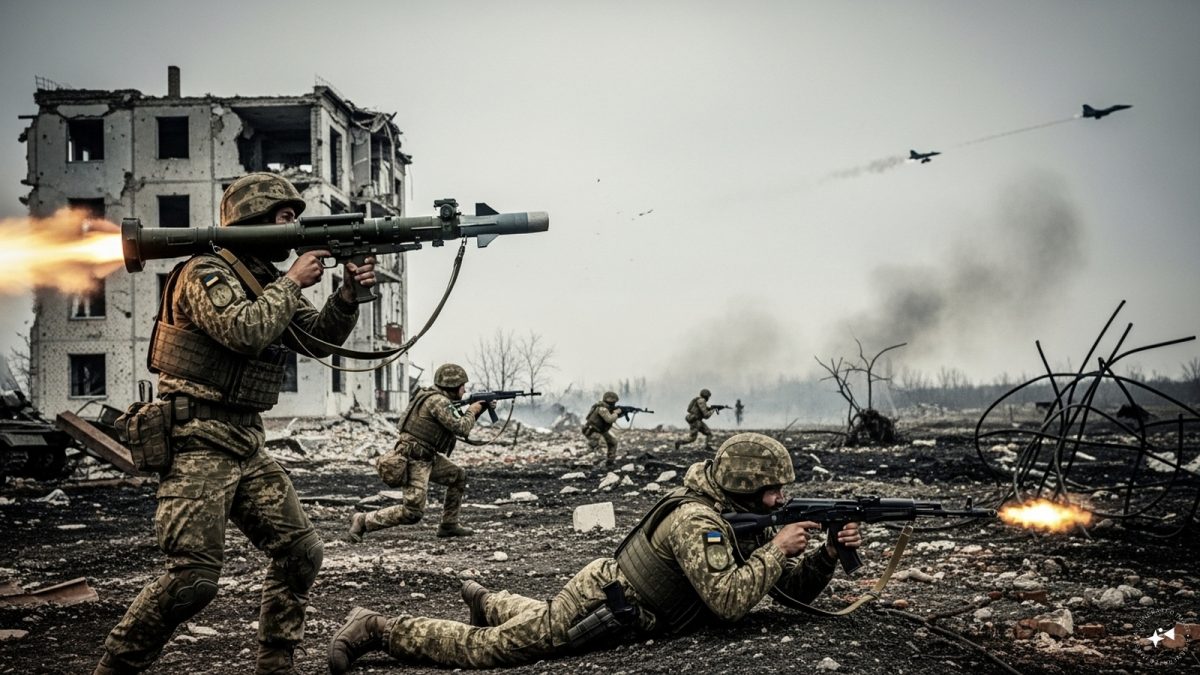 "As Russia pushes east, Ukraine faces mounting pressure to defend its heartland")
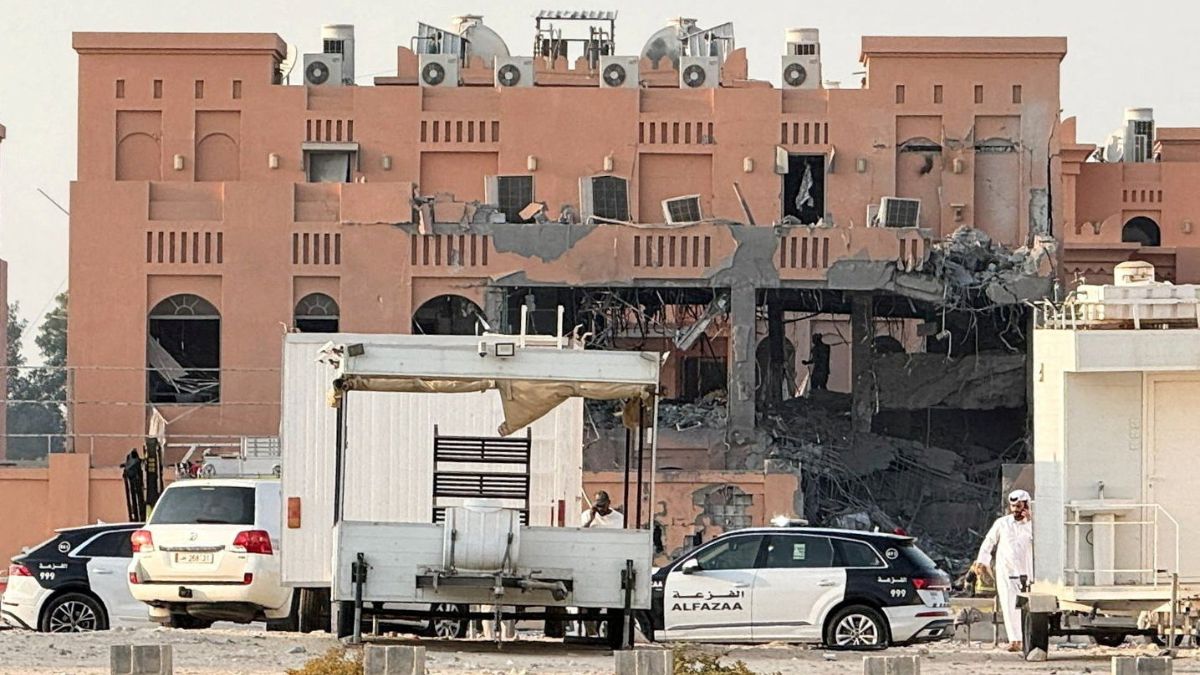 "Why Mossad was not on board with Israel’s strike on Hamas in Qatar")
 "Turkey: Erdogan's police arrest opposition mayor Hasan Mutlu, dozens officials in corruption probe")
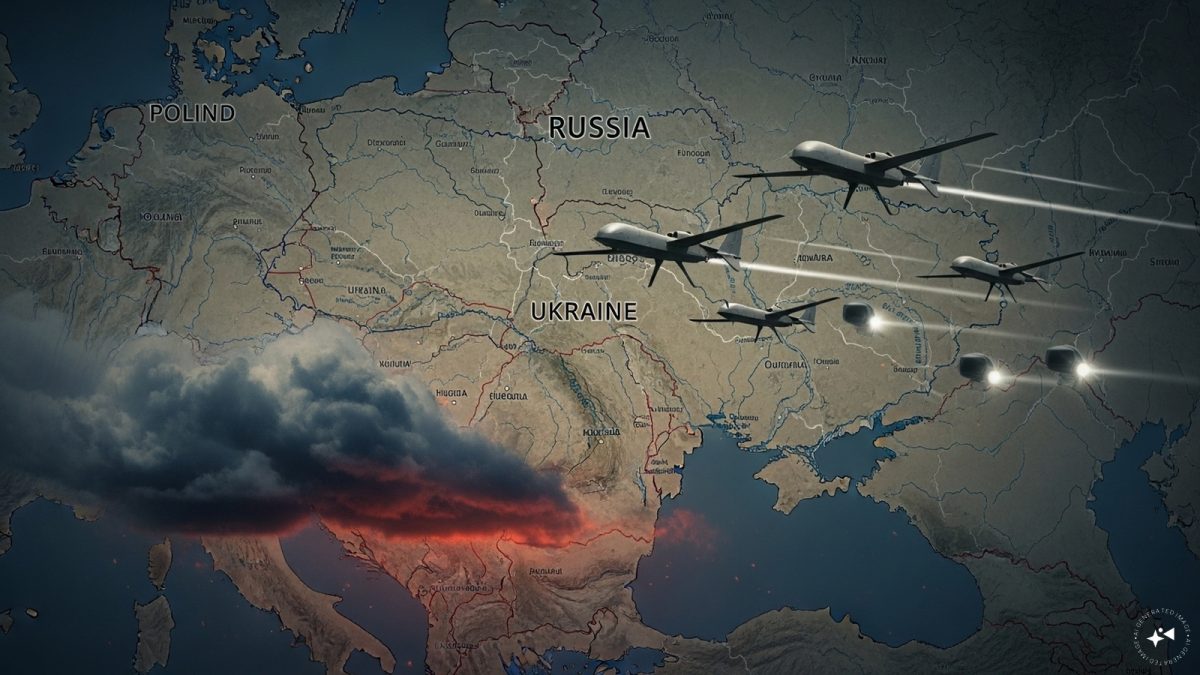 "Russian drones over Poland: Trump’s tepid reaction a wake-up call for Nato?")
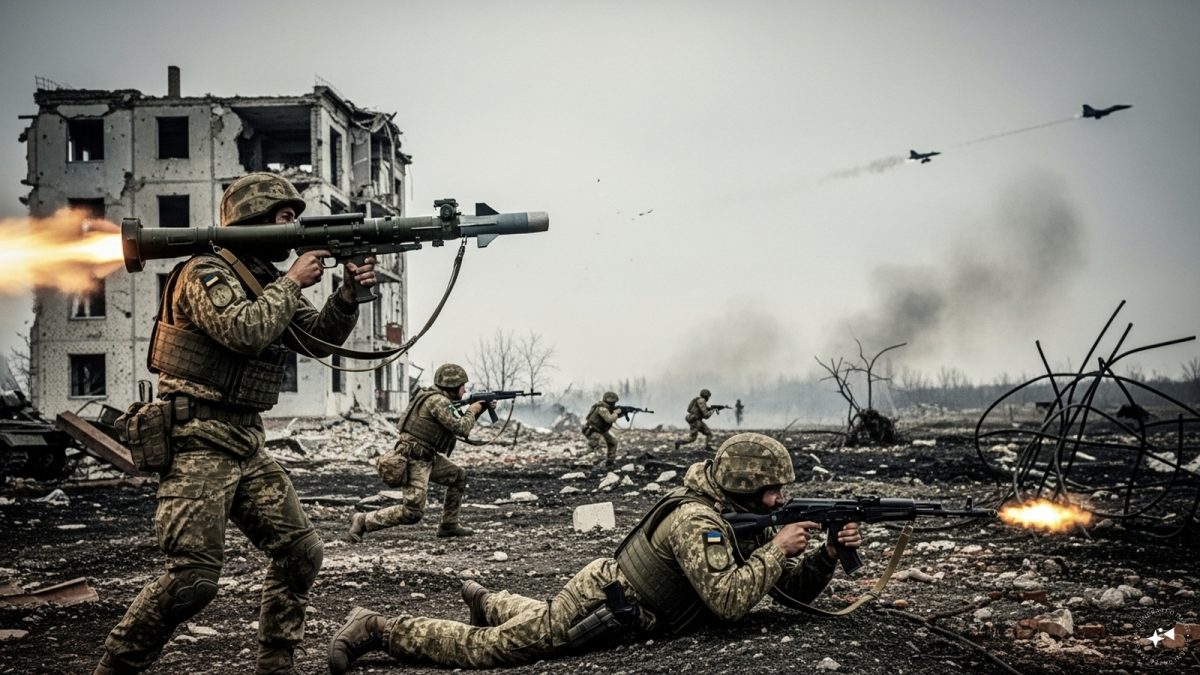 "As Russia pushes east, Ukraine faces mounting pressure to defend its heartland")
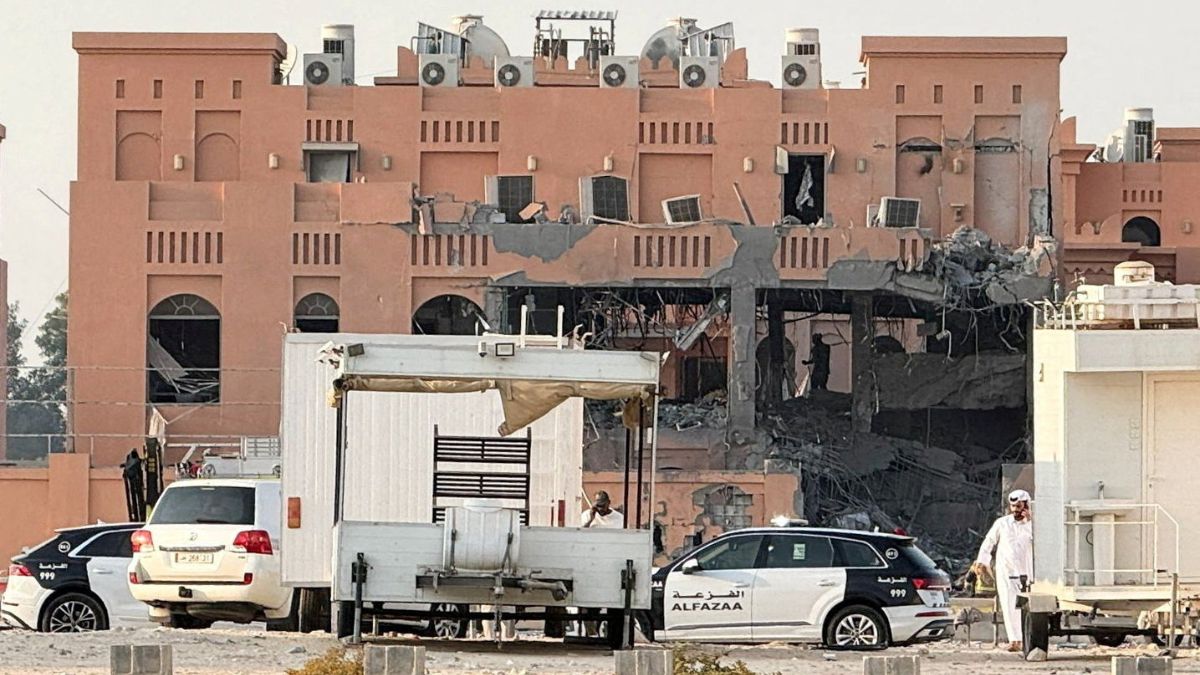 "Why Mossad was not on board with Israel’s strike on Hamas in Qatar")
 "Turkey: Erdogan's police arrest opposition mayor Hasan Mutlu, dozens officials in corruption probe")



