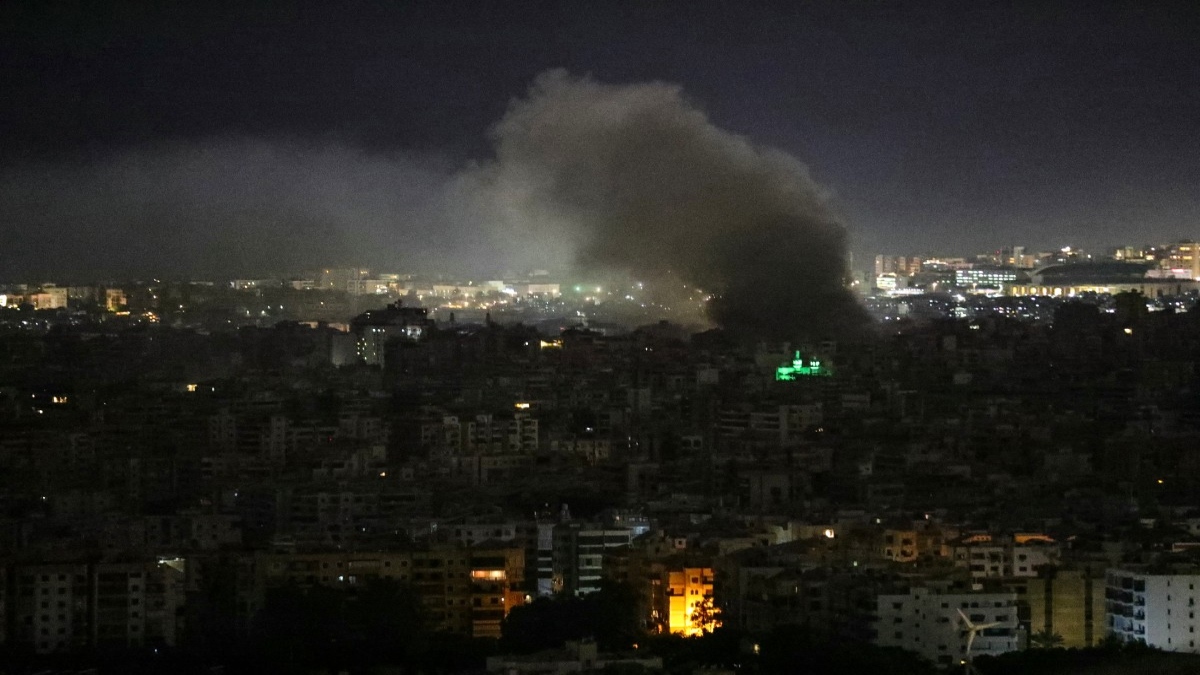
 "Israel approves emergency military budget as war with Iran enters third week")
Israel has approved an emergency budget allocation of $827 million for additional military spending as its war with Iran enters the third week, according to reports in Israeli media on Sunday.
The additional funds were approved during a weekend telephone meeting of cabinet ministers, the Israeli newspaper Haaretz reported. The allocation is intended to finance urgent defence purchases and support operational requirements linked to the ongoing conflict.
Officials said the emergency package will be used for security-related acquisitions and other urgent needs, although the government has not publicly detailed the specific equipment or systems that will be purchased. The administration of Prime Minister Benjamin Netanyahu has not yet issued an official statement outlining the scope of the procurement plan.
At the same time, Israel’s Foreign Minister Gideon Saar rejected media reports suggesting that Israel had informed the United States it was running low on missile interceptors. Saar dismissed the claims, stating that the reports were incorrect.
A document prepared by Israel’s finance ministry and circulated among cabinet ministers indicated that the emergency spending was necessary due to the scale and intensity of the ongoing fighting. The document noted that the government faced an urgent requirement to strengthen operational readiness.
According to the report, the funds will be used to procure munitions, acquire advanced weapons systems and replenish critical combat supplies that have been consumed during the conflict. Officials described the measure as an exceptional step designed specifically to address immediate military needs arising from the war.
The new funding will be drawn from Israel’s $222 billion national budget, which the government approved on March 12 and which is expected to be formally adopted by the Knesset by March 31.
Quick Reads
View AllThe conflict escalated following Israeli and US bombardments of Iranian targets beginning on February 28, triggering daily retaliatory missile strikes from Iran against Israeli territory.
Israel’s military has reported that most of the incoming ballistic missiles have been intercepted by the country’s missile defence systems. However, according to Haaretz, which cited security officials, Iran had fired around 250 ballistic missiles at Israel by March 13.
Despite the interception efforts, casualties have been reported. According to figures compiled from Israeli authorities and emergency responders, 12 people in Israel have been killed since the start of the conflict, either by missile strikes or by debris from intercepted projectiles.
The emergency funding reflects the government’s effort to sustain military operations and maintain defence readiness as hostilities between Israel and Iran continue to intensify.

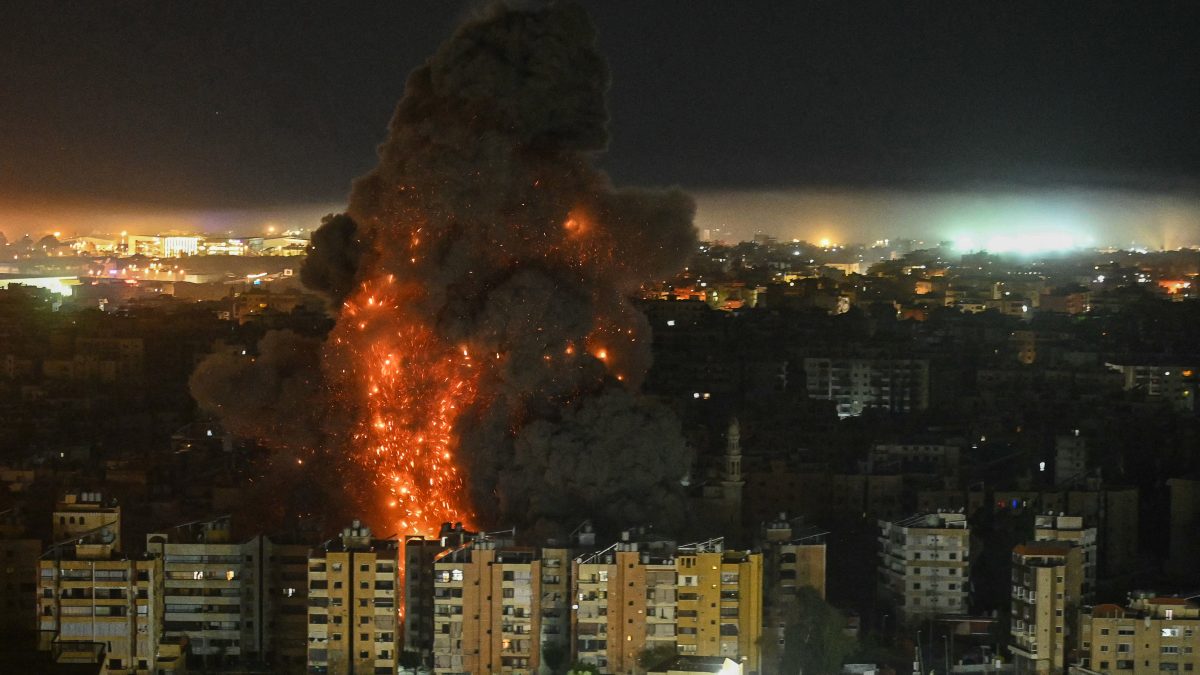 "US Iran War Live Updates: Israel approves $827 million emergency military funding as Iran war enters third week")
 "'Trump should call PM Modi': Retired US army officer on how to come out of Iran war")
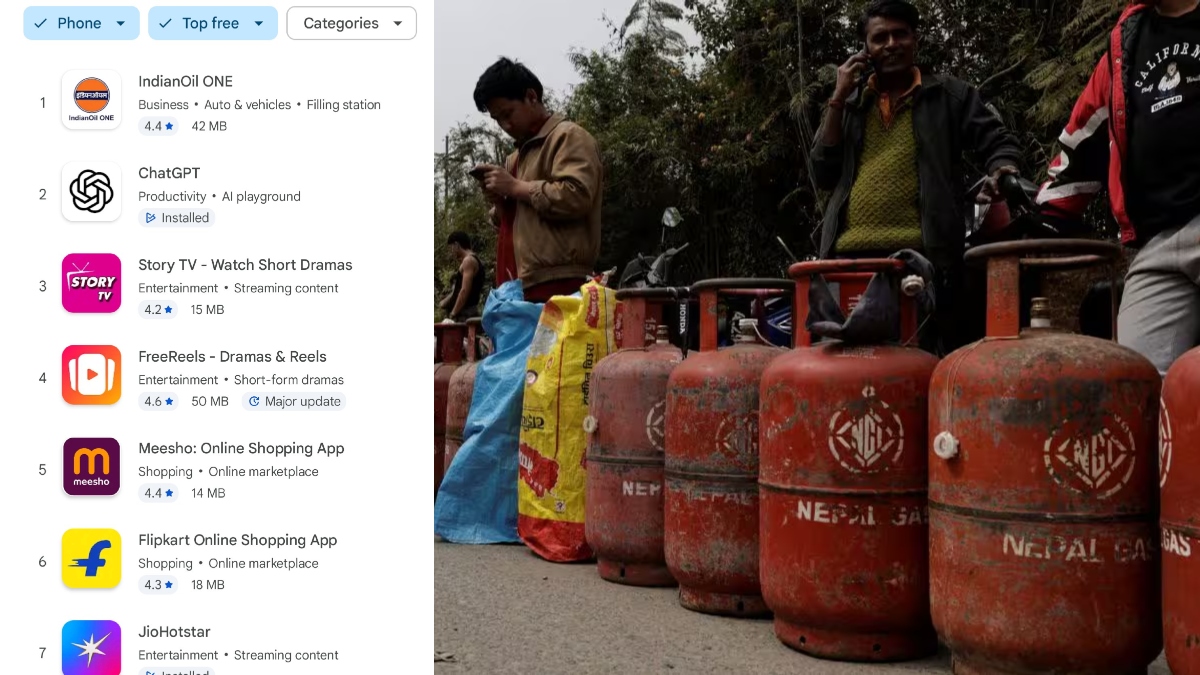 "IndianOil app surpasses ChatGPT on Play Store as West Asia war hits LPG supplies")
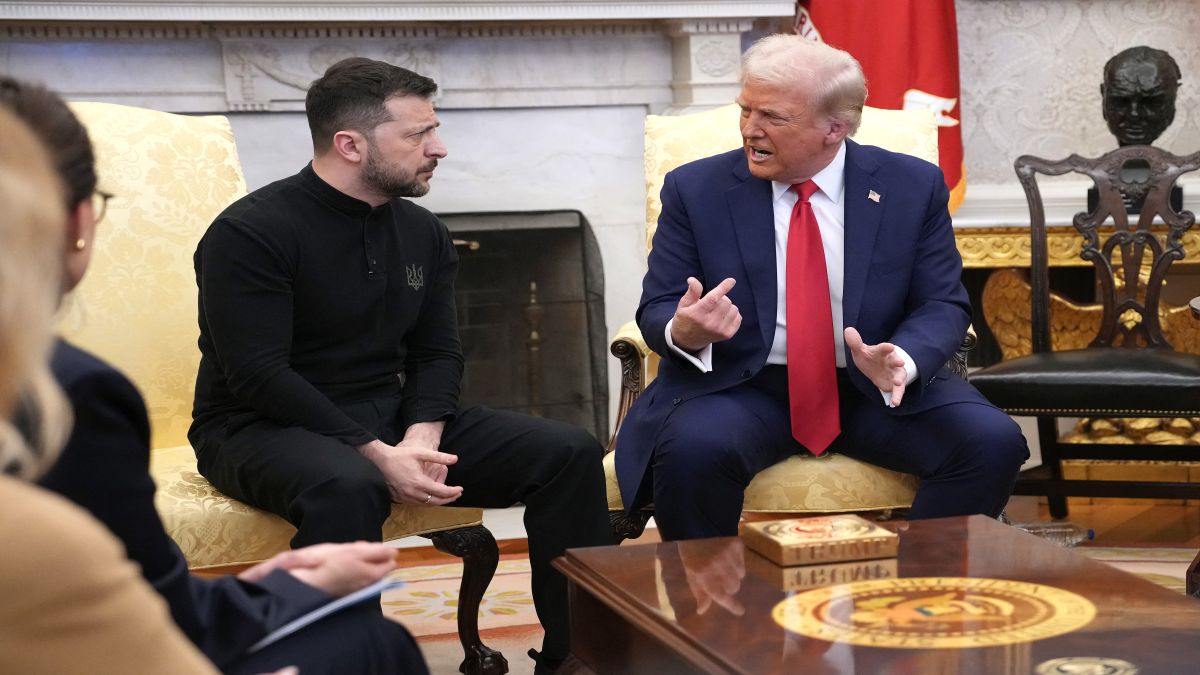 "'Last person we need help from is Zelensky': Trump rebuffs Ukraine's drone defence offer against Iran")
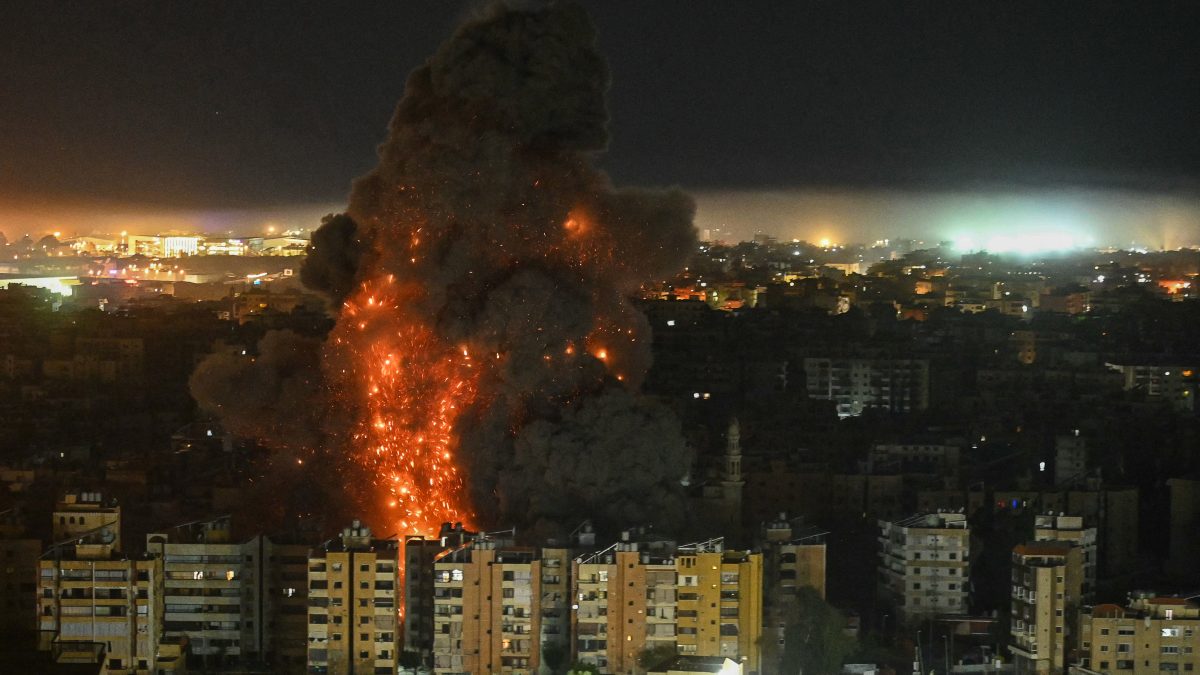 "US Iran War Live Updates: Israel approves $827 million emergency military funding as Iran war enters third week")
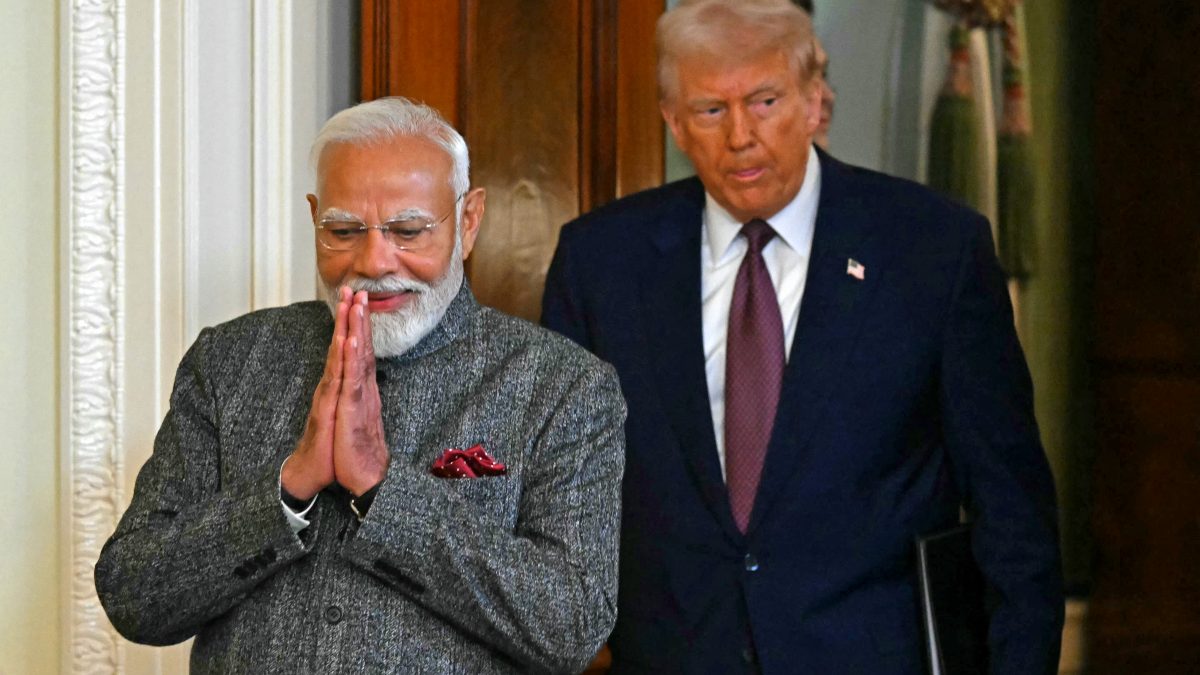 "'Trump should call PM Modi': Retired US army officer on how to come out of Iran war")
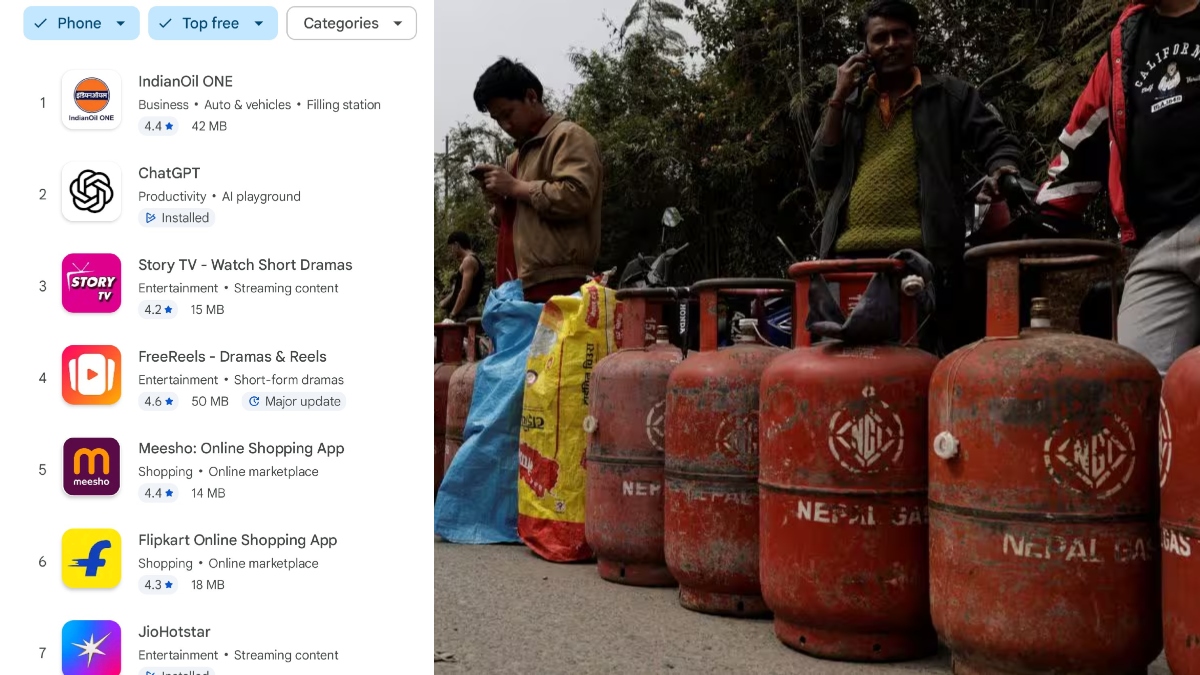 "IndianOil app surpasses ChatGPT on Play Store as West Asia war hits LPG supplies")
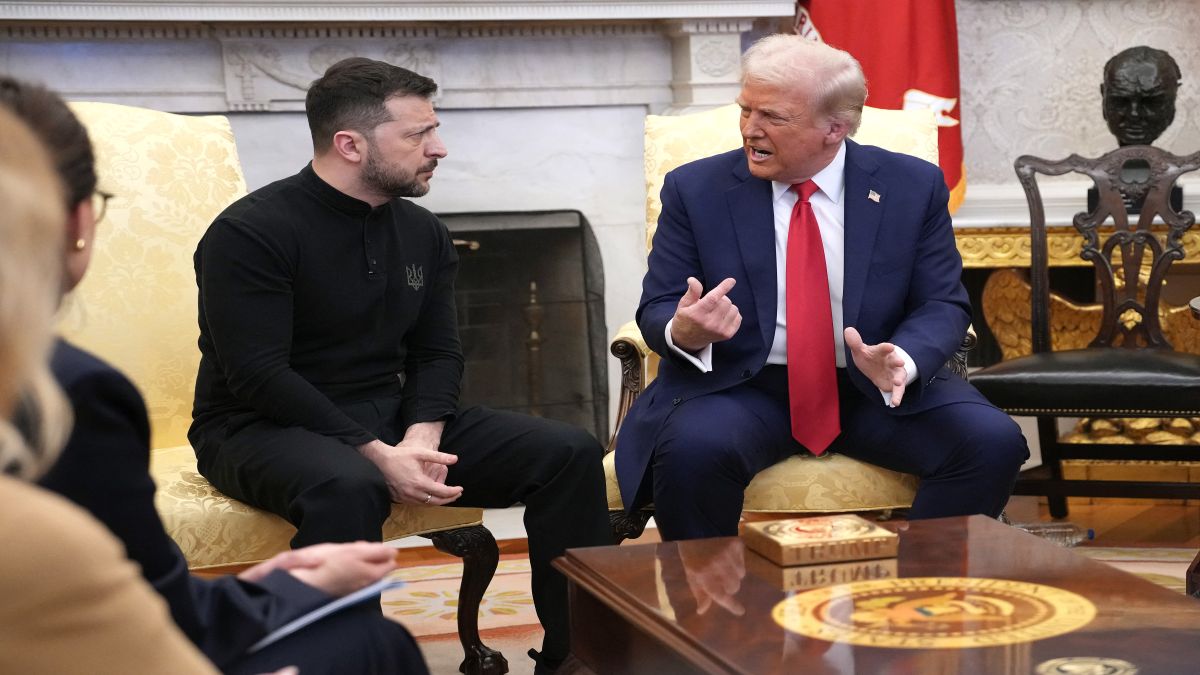 "'Last person we need help from is Zelensky': Trump rebuffs Ukraine's drone defence offer against Iran")