

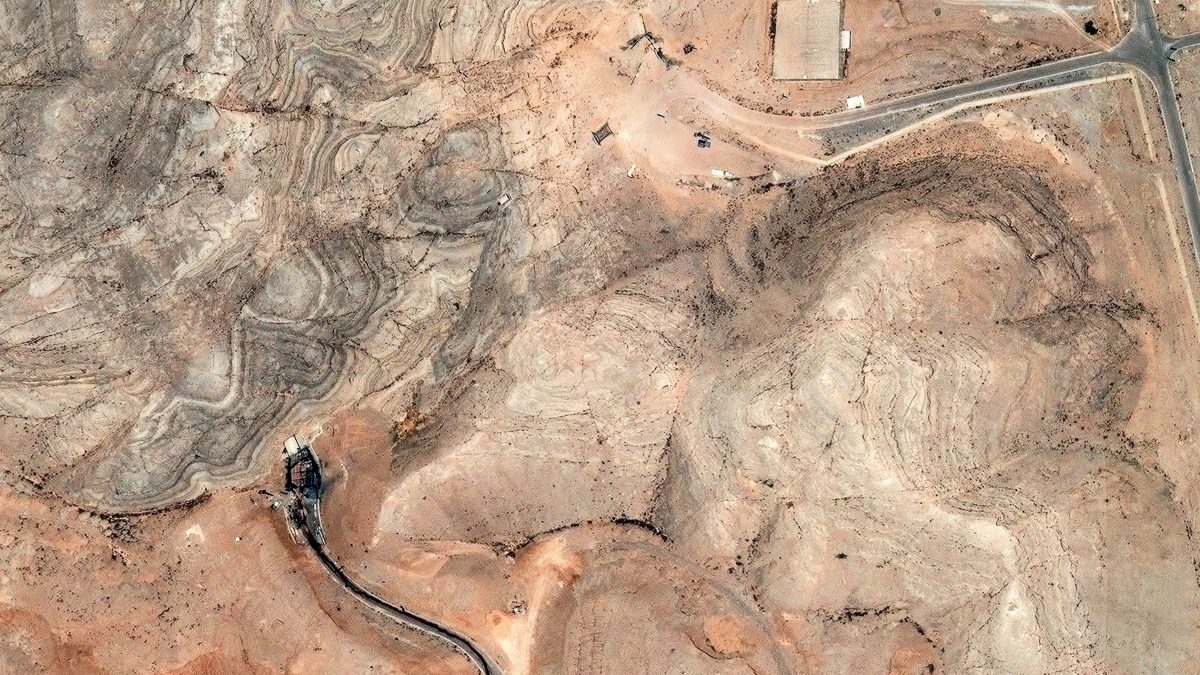
 "Is US-Israel attack on Iran's nuclear sites backfiring?")
It has been over a week since Israel and Iran reached a ceasefire. The US has been boasting about its strikes on Iran’s nuclear sites, which reportedly pushed the country’s atomic programme by two years.
While direct combat has stopped along the borders of Israel and Iran, a lot has been going on in diplomatic circles in the aftermath of the airstrikes. The US joined the Israel-Iran conflict last month and bombed three key nuclear sites, Natanz, Fordow and Isfahan.
Here’s what has been happening since then:
Iran suspends cooperation with IAEA
Iran has officially suspended cooperation with the International Atomic Energy Agency (IAEA) after a law seeking the severance was approved by President Masoud Pezeshkian on Wednesday.
A few days ago, Pezeshkian slammed IAEA Chief Rafael Grossi for not condemning Israel and US’ attacks on Iran despite them being in flagrant violation of the UN charter and the nuclear non-proliferation treaty.
“What guarantee is there that our facilities won’t be attacked again, even if we cooperate?” the Iranian president told his French counterpart during a conversation over the phone, according to local media.
Germany calls it ‘disastrous signal’
Germany has called Iran’s move to sever ties with the UN nuclear watchdog a “disastrous signal”, with its foreign ministry spokesperson saying, “For a diplomatic solution it is essential for Iran to work with the IAEA.”
Earlier, UK and France had joined Germany to urge Tehran not to suspend cooperation with IAEA.
Pentagon report on US strikes
US intelligence assessments indicate that strikes on Iranian nuclear sites set the country’s atomic program back by up to two years, the Pentagon said on Wednesday.
“We have degraded their program by one to two years at least – intel assessments inside the (Defense) Department assess that,” Pentagon spokesman Sean Parnell told journalists, later adding: “We’re thinking probably closer to two years.”
American B-2 bombers hit two Iranian nuclear sites with massive GBU-57 bunker-buster bombs last month, while a guided missile submarine struck a third site with Tomahawk cruise missiles.
Impact Shorts
More ShortsIran’s Nobel laureate speaks
Following Israel’s 12-day war, which significantly weakened Iran’s leadership, a prominent human rights defender now warns that the regime may crack down on its own citizens in a bid to tighten its grip on power.
Talking to Wall Street Journal, Narges Mohammadi, who received the Nobel Peace Prize in 2023, said, “The situation for Iranian people is more dangerous now than before the war.”
Is Iran switching to cyberwar?
Meanwhile, a report by Axios says Iranian hacktivists are waging a separate war and are sharing tools with Russian and other hackers.
Alexander Leslie, a threat intelligence analyst at Recorded Future, told the news outlet, “More than 100 hacktivists groups, 90 of which are linked to pro-Iranian positions, have been targeting organisations in Israel and throughout the Middle East, North Africa, Western Europe and North America since Israel’s strikes last month.”
In addition to this, Iran-linked hackers recently threatened to publish emails purportedly stolen from Trump allies.
With inputs from agencies


 "Russian drones over Poland: Trump’s tepid reaction a wake-up call for Nato?")
 "As Russia pushes east, Ukraine faces mounting pressure to defend its heartland")
 "Why Mossad was not on board with Israel’s strike on Hamas in Qatar")
 "Turkey: Erdogan's police arrest opposition mayor Hasan Mutlu, dozens officials in corruption probe")
 "Russian drones over Poland: Trump’s tepid reaction a wake-up call for Nato?")
 "As Russia pushes east, Ukraine faces mounting pressure to defend its heartland")
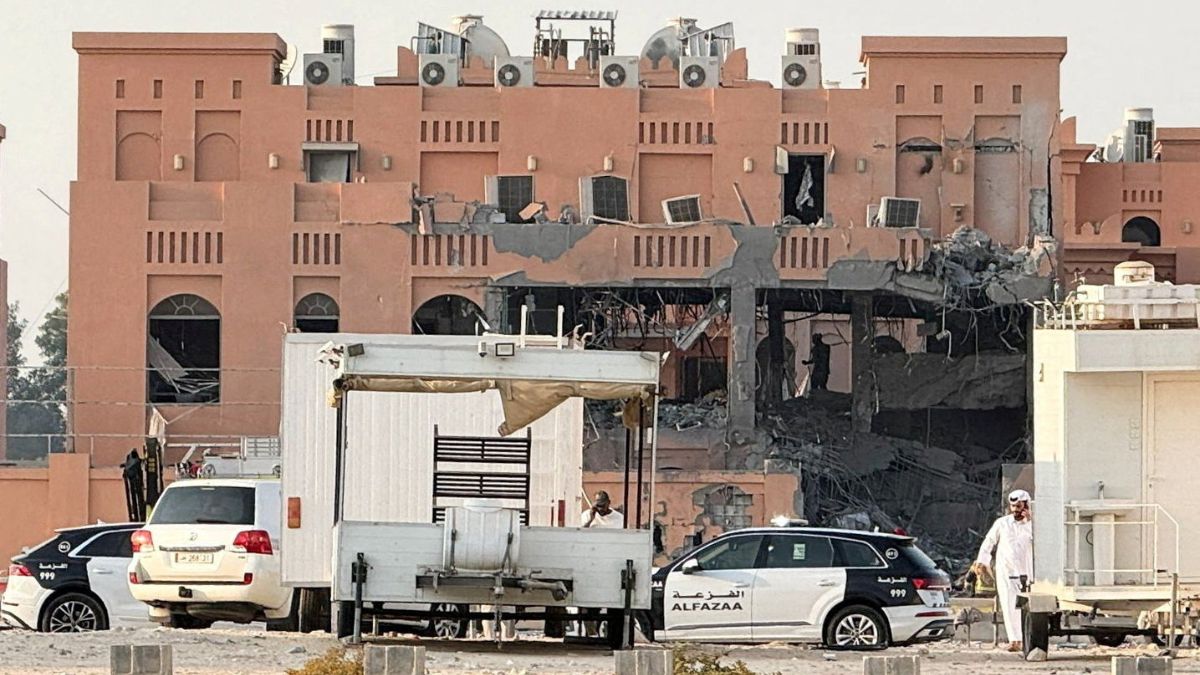 "Why Mossad was not on board with Israel’s strike on Hamas in Qatar")
 "Turkey: Erdogan's police arrest opposition mayor Hasan Mutlu, dozens officials in corruption probe")



