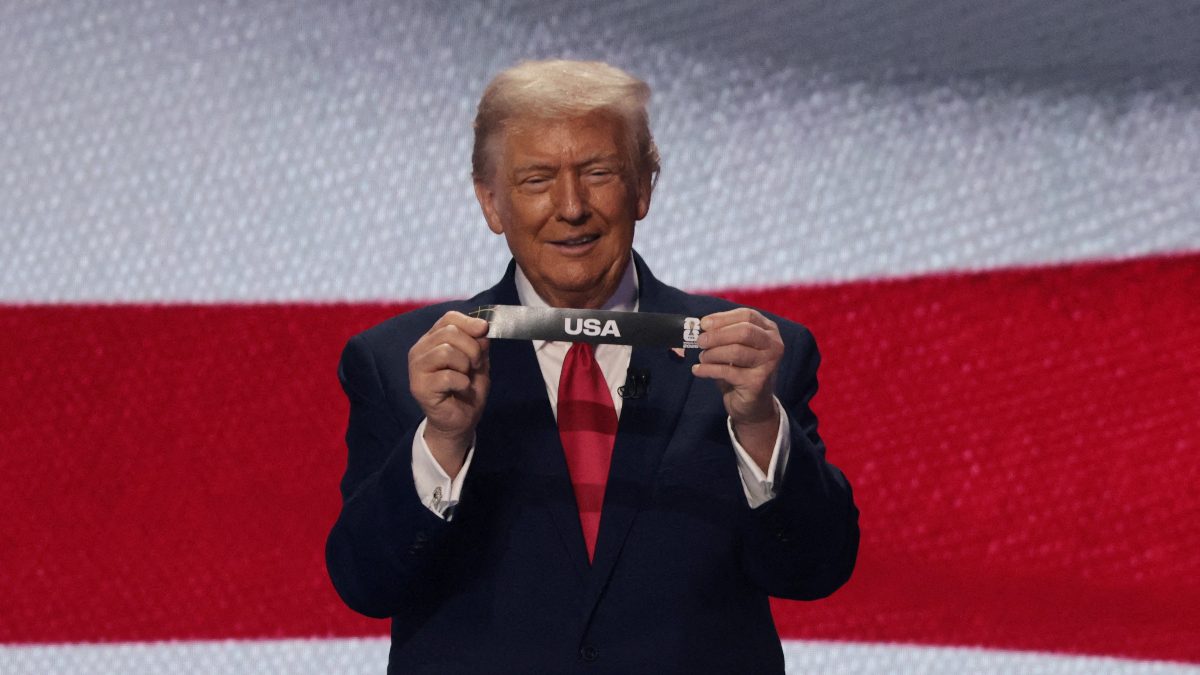
 "Is the current Iran war result of what Trump thought in 1980s?")
As tensions between the US and Iran escalate, striking parallels are emerging with positions Donald Trump articulated nearly four decades ago, raising questions about whether the current conflict reflects a long-held strategic outlook rather than a sudden shift.
An ultimatum directed at Iran’s leadership, a threat aimed at its key oil infrastructure, and a belief that overwhelming force could compel compliance — these themes define the present moment. Yet they are not new.
They mirror positions Trump expressed decades ago during his brief initial steps towards a presidential campaign, rather than statements from his current presidency.
Early outlines of a hardline approach
While it may not be accurate to describe today’s conflict as preordained, Trump’s views on Iran have been visible for years.
In 1987, he outlined his stance through a $94,801 full-page advertisement published across three US newspapers, criticising American leadership during the Gulf crisis linked to the Iran-Iraq war. He argued that the world was “laughing” at Washington.
At the time, as US forces escorted oil tankers through the Strait of Hormuz, Trump questioned the rationale, saying the country was working to “protect ships we don’t own, carrying oil we don’t need, destined for allies who won’t help”.
Even then, he attributed the situation to what he described as a lack of “backbone”.
Advocacy for stronger military action
Speaking at a New Hampshire rotary club event in 1987, Trump criticised the US response to Iranian naval activity, referring to vessels as “little runabouts with machine guns” and questioning why America had not targeted coastal oilfields.
In a 1988 interview with The Guardian, he was more direct: “One bullet shot at one of our men or ships, and I’d do a number on Kharg Island. I’d go in and take it.”
Quick Reads
View AllThe island, central to Iran’s oil exports, was viewed by Trump as a strategic pressure point — a way to prevent the US from appearing weak.
Persistent themes after campaign setback
Although his 1988 presidential ambitions did not materialise, Trump continued to promote similar ideas, maintaining that American strength should either be properly valued or more assertively deployed.
In a 1989 address on his global outlook, delivered to a gathering of not-for-profit organisations, he pointed to Iraq as an example of dealing with Iran, despite the prolonged and unresolved nature of the Iran-Iraq war.
“What is the purpose of military strength if you don’t use it occasionally to set things straight?” Trump reportedly said. “We ought to tell Iran, ‘Folks, you have one week to give us back all our hostages or all bets are off’.”
Ultimatums as a recurring tactic
Decades later, the reliance on firm deadlines remains evident. The key distinction now is the timeframe: rather than a week, Trump has recently given Tehran 48 hours to reopen the Strait of Hormuz.
His approach continues to centre on simplifying complex situations into clear steps — a trigger, a deadline and a response — with the expectation that decisive force will determine the outcome.
Uncertainty over consequences
For Trump, the US, as the leading military power, is expected to act decisively. However, the uncertainty lies in the potential outcomes if events do not unfold as anticipated.
Questions remain over how the administration would respond if it cannot shape the result of the conflict, limit its economic fallout, or control the trajectory of a nation of 90 million people.
Another recurring theme from Trump’s earlier rhetoric is criticism of allies perceived to benefit from US power without contributing sufficiently. This perspective may gain renewed prominence as tensions in the Gulf intensify.
He recently indicated that the response of Nato allies in the Strait of Hormuz would not be forgotten, referring to some as “cowards”. This suggests that expectations of greater support — both financial and strategic — could increase.
A wider recalibration of US power
Trump’s earlier statements may also signal how he views the broader implications of the conflict. Beyond the immediate confrontation with Iran, there appears to be a focus on redefining how American power is applied and who bears its costs.
In this context, future demands may not be directed solely at adversaries, but also at European nations and other longstanding partners.

 "Iran Israel War Live Updates: PM Modi says disruption of Hormuz Strait is not acceptable amid West Asia war")
 "‘Diversified fuel imports, boosted strategic reserve’: PM Modi says India prepared to tackle Hormuz crisis")
 "Is Mojtaba Khamenei really running Iran? Questions emerge about the new Supreme Leader’s authority")
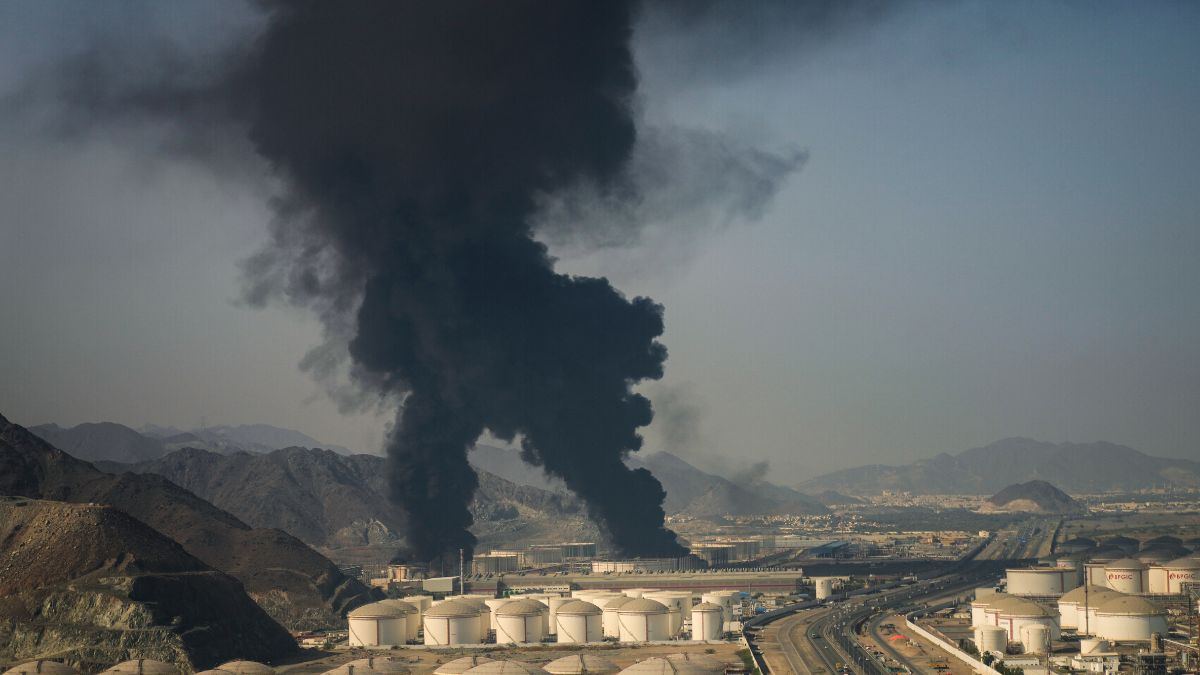 "Gulf nations want US to weaken Iran for good — but will they enter the war?")
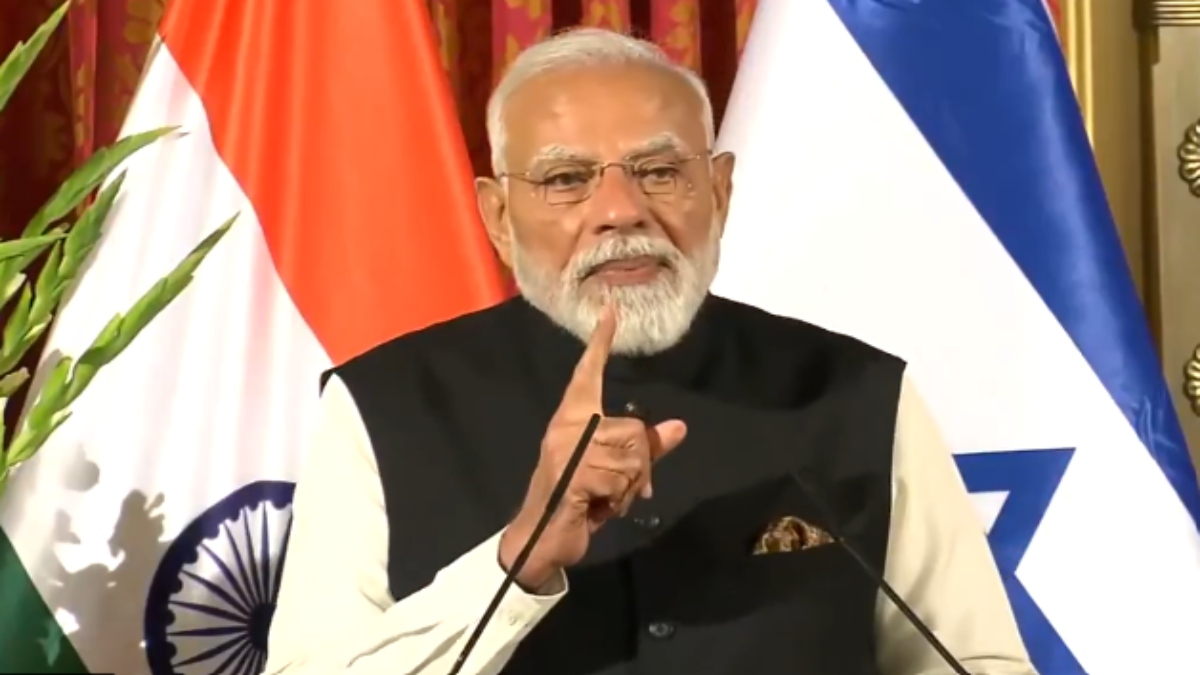 "Iran Israel War Live Updates: PM Modi says disruption of Hormuz Strait is not acceptable amid West Asia war")
 "‘Diversified fuel imports, boosted strategic reserve’: PM Modi says India prepared to tackle Hormuz crisis")
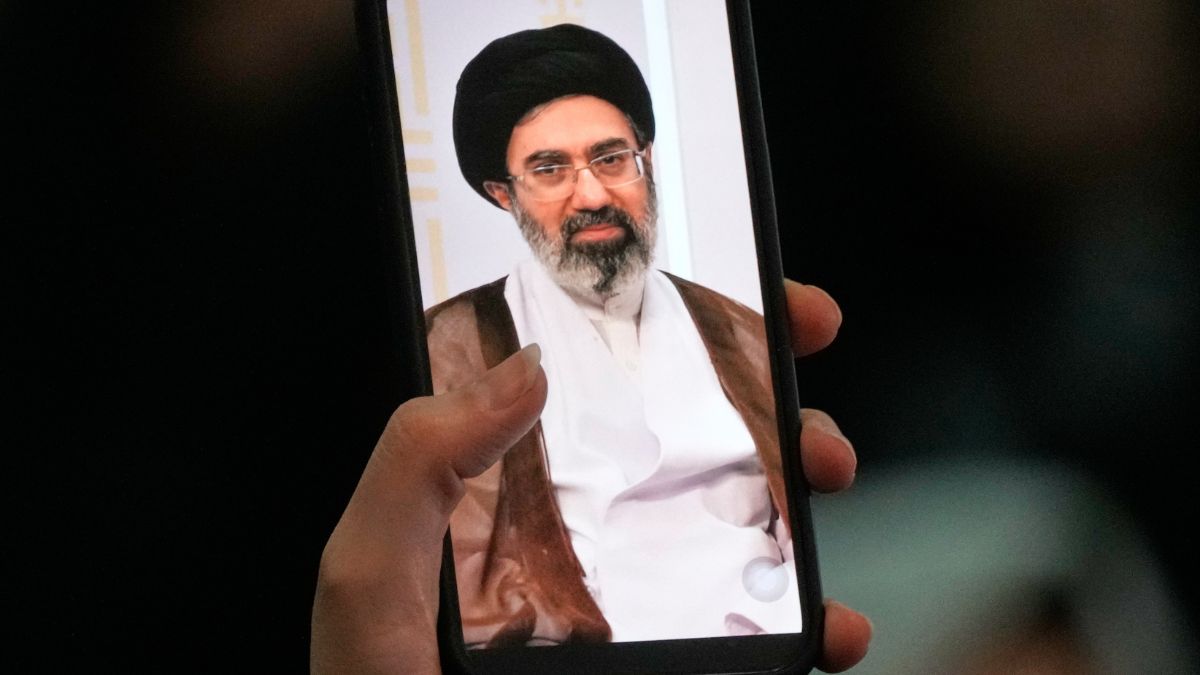 "Is Mojtaba Khamenei really running Iran? Questions emerge about the new Supreme Leader’s authority")
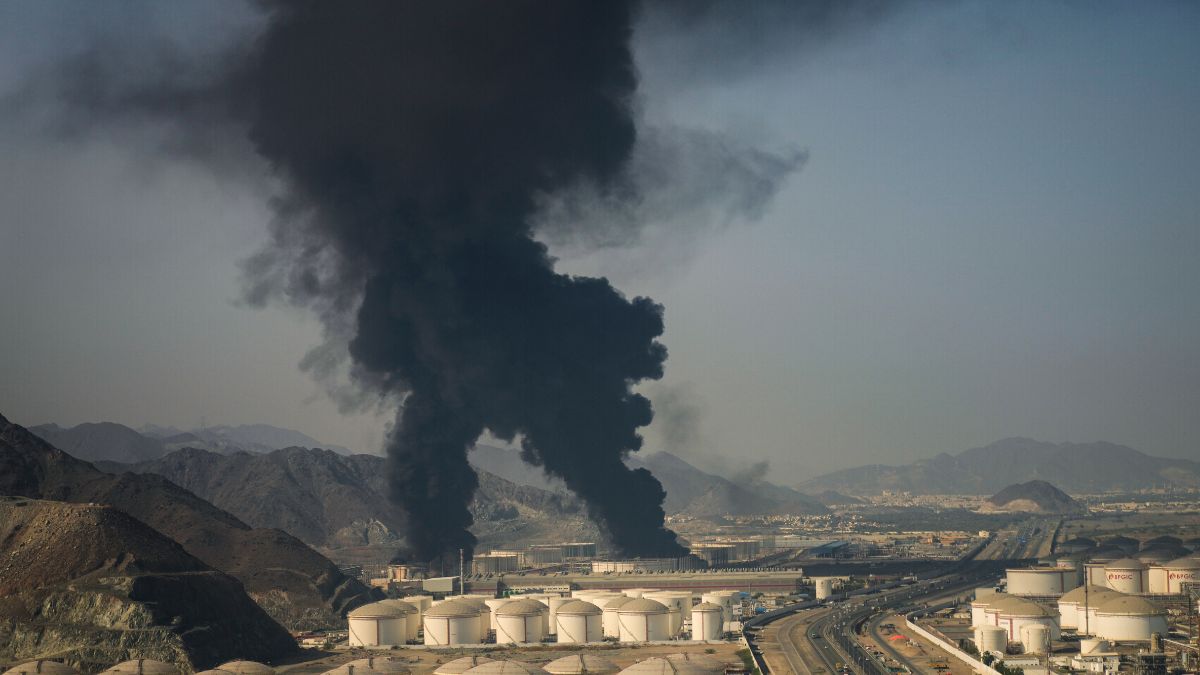 "Gulf nations want US to weaken Iran for good — but will they enter the war?")