

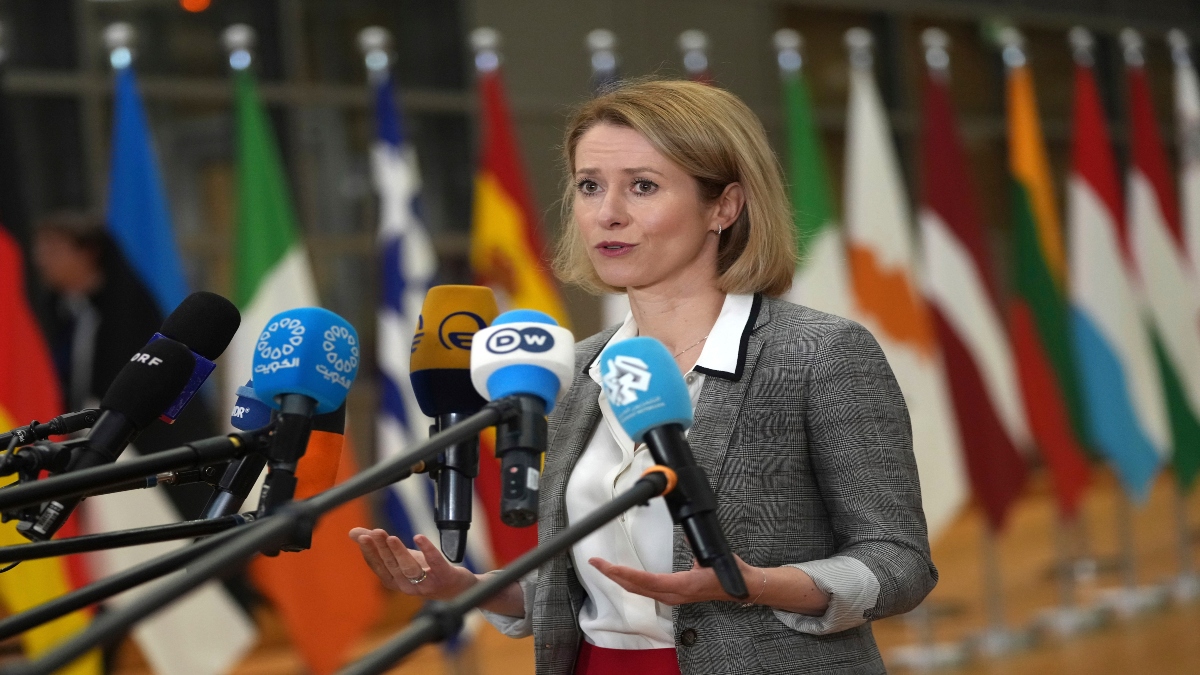
 "Is EU’s top diplomat Kaja Kallas struggling to shake off her prime ministerial past?")
Kaja Kallas, the Vice President of the European Commission, hadn’t even finished her first day as the European Union’s chief diplomat when controversy struck.
While on a visit to Kyiv, the former Estonian prime minister tweeted that “the European Union wants Ukraine to win this war” – a sentiment shared by many in the bloc, but one that jarred some officials for its bluntness.
According to insiders, it was an early signal of a leadership style that has since prompted admiration in some quarters– and unease in others.
‘She is acting like a prime minister’
“She is still acting like a prime minister,” Politico quoted an EU diplomat as saying. According to the news outlet, nine other officials and diplomats also voiced concerns about Kallas’ approach in her early months leading the European External Action Service (EEAS).
Those critics cite what they describe as a string of missteps: announcing sweeping proposals without proper consultation, taking liberties with the EU’s carefully crafted diplomatic language, and adopting a confrontational tone on Russia that is not universally shared across the bloc.
“If you listen to her it seems we are at war with Russia, which is not the EU line,” one official said.
The criticism has surfaced most sharply in response to a recent push by Kallas for member states to urgently scale up military aid to Ukraine – including a Sunday (March 23) evening proposal for €5 billion worth of artillery shells and a demand for countries to contribute in proportion to the size of their economies.
The intention, according to officials familiar with the move, was to ensure bigger players such as France matched the per-capita commitment of smaller, more hawkish states like Estonia or Denmark.
Impact Shorts
More ShortsBut the proposal, shared just ahead of a foreign affairs meeting, blindsided some capitals. One northern European diplomat admitted the process could have been smoother: “This sort of came out of nowhere. The process could have been better managed to avoid taking people by surprise.” However, in her defence, they said, “…but if she’d done the perfect process, they would have hated it anyway.”
Taking tough stances
There came a flashpoint involving a remark by US Vice President JD Vance dismissing Russia as a threat– prompting Kallas to issue an urgent call for more EU aid. Her response, distributing a detailed document calling for over a million rounds of ammunition, was classic Kallas: swift, bold, and unapologetic.
The final blow for some came after a heated exchange between Donald Trump, Vance, and Ukrainian President Volodymyr Zelenskyy in the Oval Office. Kallas, echoing the outrage felt in many European capitals, tweeted that “ the free world needs a new leader ”– a pointed message that did not sit well with member states keen to avoid provoking Washington.
“Most countries don’t want to inflame things with the United States,” Politico quoted another diplomat as saying. “That just isn’t what most leaders wanted to put out there.”
In Kallas’ defence…
Her defenders argue that the criticism says more about Brussels’ discomfort with urgency than about Kallas herself. “They hired a head of state for a reason,” said one EEAS official. “Not to moderate quietly and find the lowest common denominator, but to push things forward.”
A second diplomat agreed: “Overall, we are very happy with her.”
Kallas’ assertiveness reflects her experience leading a Baltic state with a front-row seat to Russian aggression. She has consistently urged EU states to take more decisive steps in backing Ukraine and to treat the war with the seriousness it demands.
But that same urgency has also put her out of step with countries such as Italy and Spain, which do not share her view of Russia as an imminent threat. And her hawkishness is not the only cause of friction.
Kallas is still early in her tenure, and her style may yet evolve. Her appointment came at a time when the EEAS faces budget cuts and diminished influence in a bloc increasingly driven by national leaders such as France’s Emmanuel Macron and Germany’s likely next chancellor, Friedrich Merz .
Her liberal political background and the small size of her home country– Estonia has a population of just 1.4 million– also place her at the margins of a union now dominated by more conservative, heavyweight capitals.
But some believe that’s precisely why she may be the right person for the job.
“It’s not he time to hide behind processes,” said one official. “European leaders keep calling for more Ukraine aid– OK, time for deeds, not just words.”

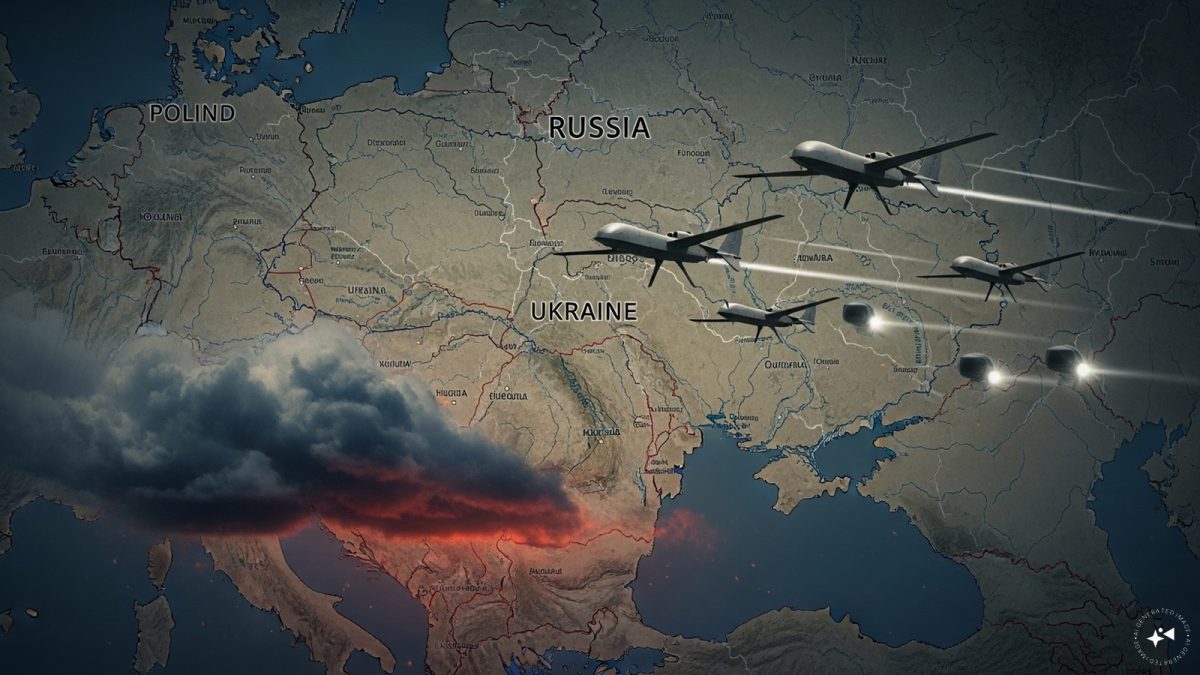 "Russian drones over Poland: Trump’s tepid reaction a wake-up call for Nato?")
 "As Russia pushes east, Ukraine faces mounting pressure to defend its heartland")
 "Why Mossad was not on board with Israel’s strike on Hamas in Qatar")
 "Turkey: Erdogan's police arrest opposition mayor Hasan Mutlu, dozens officials in corruption probe")
 "Russian drones over Poland: Trump’s tepid reaction a wake-up call for Nato?")
 "As Russia pushes east, Ukraine faces mounting pressure to defend its heartland")
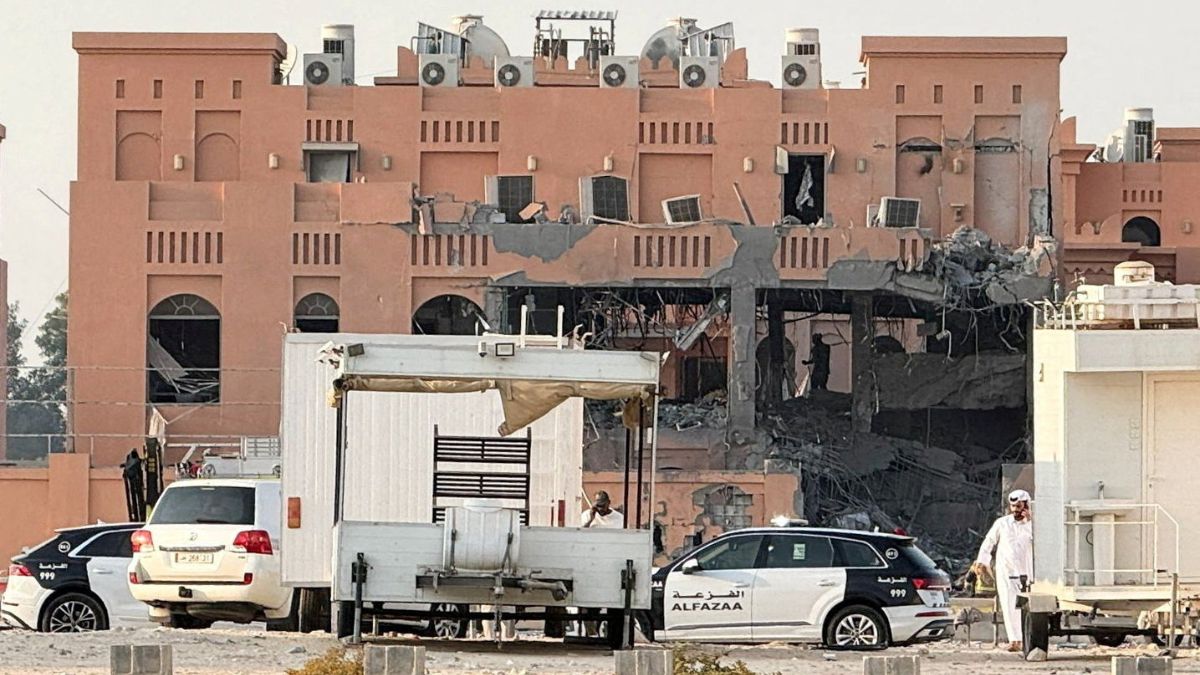 "Why Mossad was not on board with Israel’s strike on Hamas in Qatar")
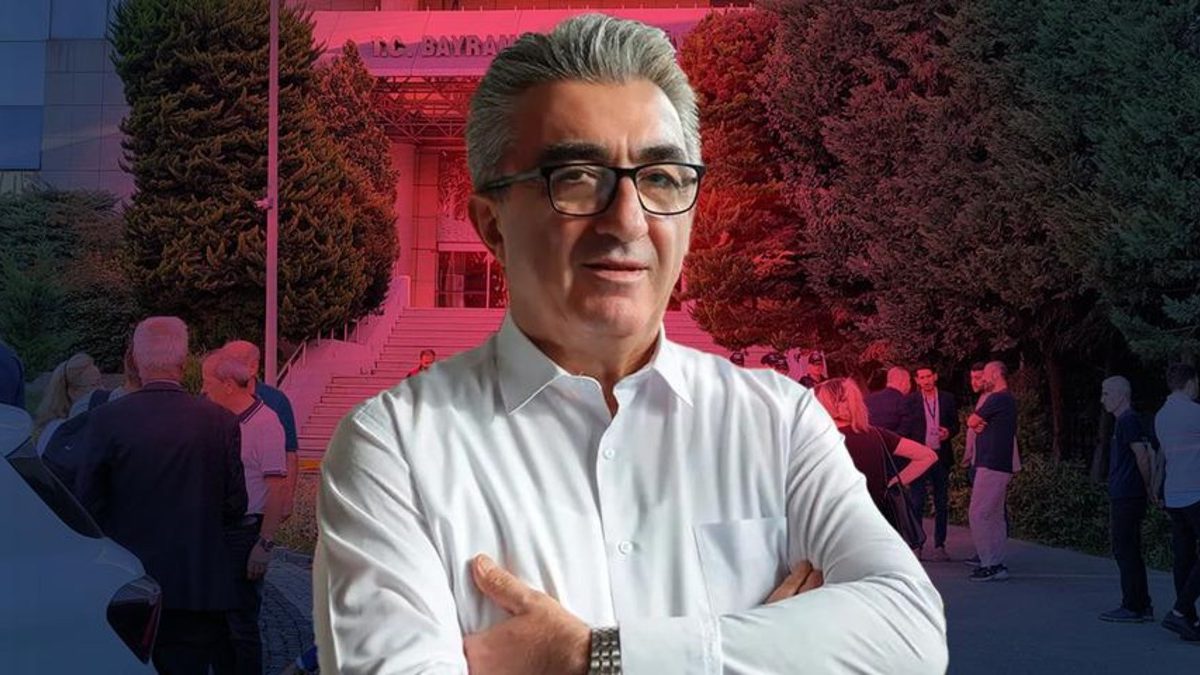 "Turkey: Erdogan's police arrest opposition mayor Hasan Mutlu, dozens officials in corruption probe")



