

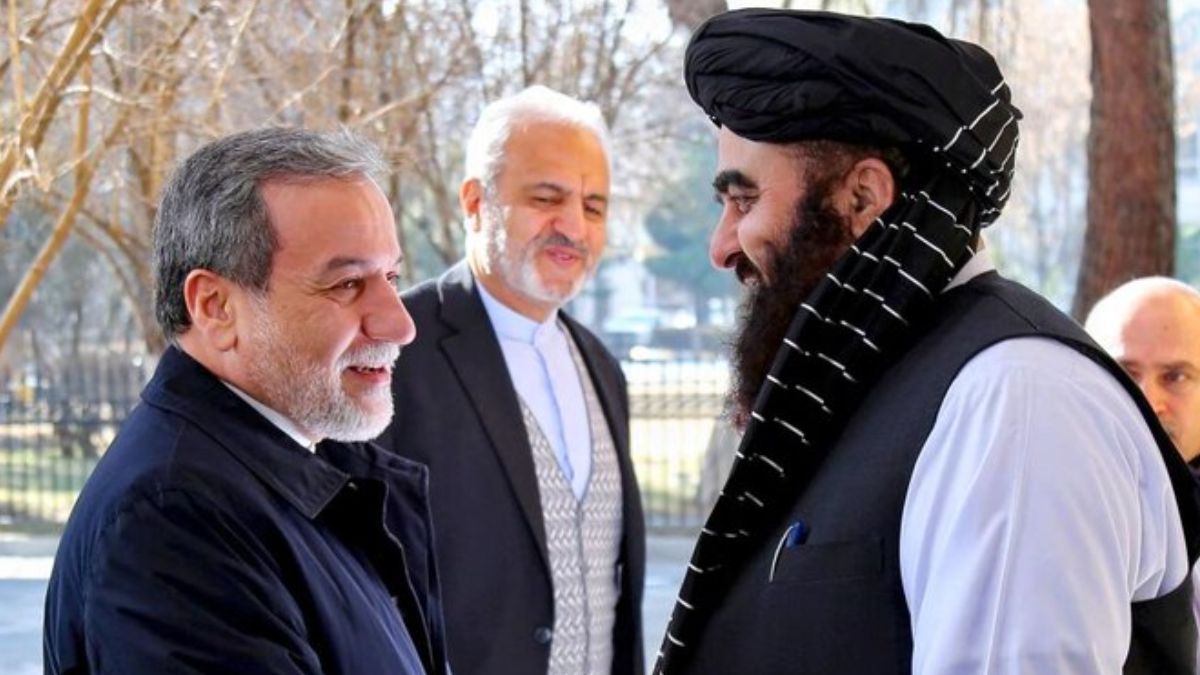
 "Iran’s foreign minister meets Taliban officials for the first time since 2021 takeover of Afghanistan")
Senior Taliban officials met with Iran’s foreign minister on Sunday (January 26) to discuss border tensions, the treatment of Afghan refugees in Iran, and disputes over water rights.
The visit marked Iranian Foreign Minister Abbas Aragchi’s first trip to Kabul since 2017. During the meeting, Aragchi reaffirmed Iran’s commitment to the return of an estimated 3.5 million Afghan refugees. In December, Iran’s ambassador to the United Nations, Amir Saeid Iravani, had said thay “over six million Afghans have sought refuge in Iran”.
Aragchi clarified Tehran’s intention to avoid interference in Afghanistan’s internal affairs, according to Afghan government deputy spokesman Hamdullah Fitrat.
The Iranian foreign minister further called for full implementation of the Helmand River water treaty, which governs the shared use of water resources between the two countries, the Afghan government said in a statement.
Acting Taliban Prime Minister Hassan Akhund urged Iran to treat Afghan refugees with dignity and cautioned against large-scale repatriation efforts, saying they were not feasible in a short timeframe. He also warned that incidents like the execution of Afghans in Iran could inflame public sentiment.
Earlier on Sunday, Iran’s state-run IRNA news agency quoted Aragchi expressing hope for stronger economic ties and improved relations with Afghanistan despite “ups and downs” in their interactions.
Iran has had an active diplomatic presence in Afghanistan for many years. Still, it has yet to officially recognise the Taliban government, which seized power in 2021 following the US and North Atlantic Treaty Organisation (Nato) withdrawal after two decades of war.
Impact Shorts
More ShortsTehran maintains political and economic ties with Kabul. Iran has also allowed the Taliban to manage Afghanistan’s embassy in Tehran.
Over the years, several Iranian delegations have visited Afghanistan, including a parliamentary delegation in August 2023 that discussed water rights.
Tensions between Iran and Afghanistan have escalated recently due to disputes over water rights and the construction of dams on the Helmand and Harirud rivers.
With inputs from agencies


 "Russian drones over Poland: Trump’s tepid reaction a wake-up call for Nato?")
 "As Russia pushes east, Ukraine faces mounting pressure to defend its heartland")
 "Why Mossad was not on board with Israel’s strike on Hamas in Qatar")
 "Turkey: Erdogan's police arrest opposition mayor Hasan Mutlu, dozens officials in corruption probe")
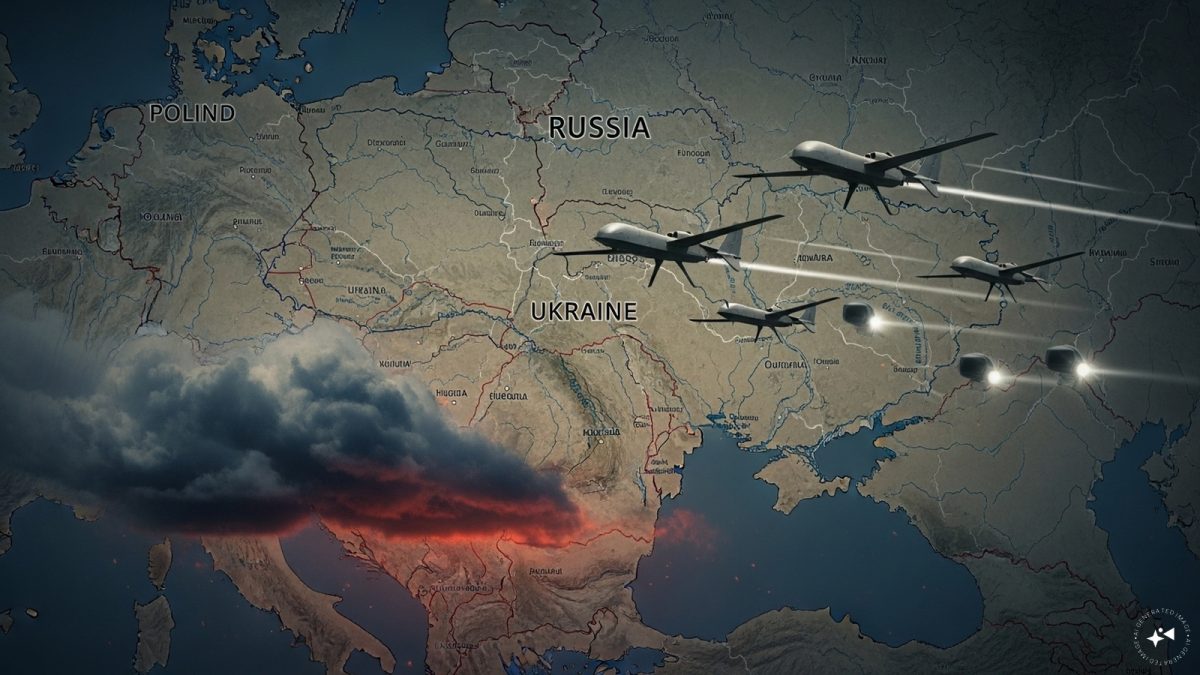 "Russian drones over Poland: Trump’s tepid reaction a wake-up call for Nato?")
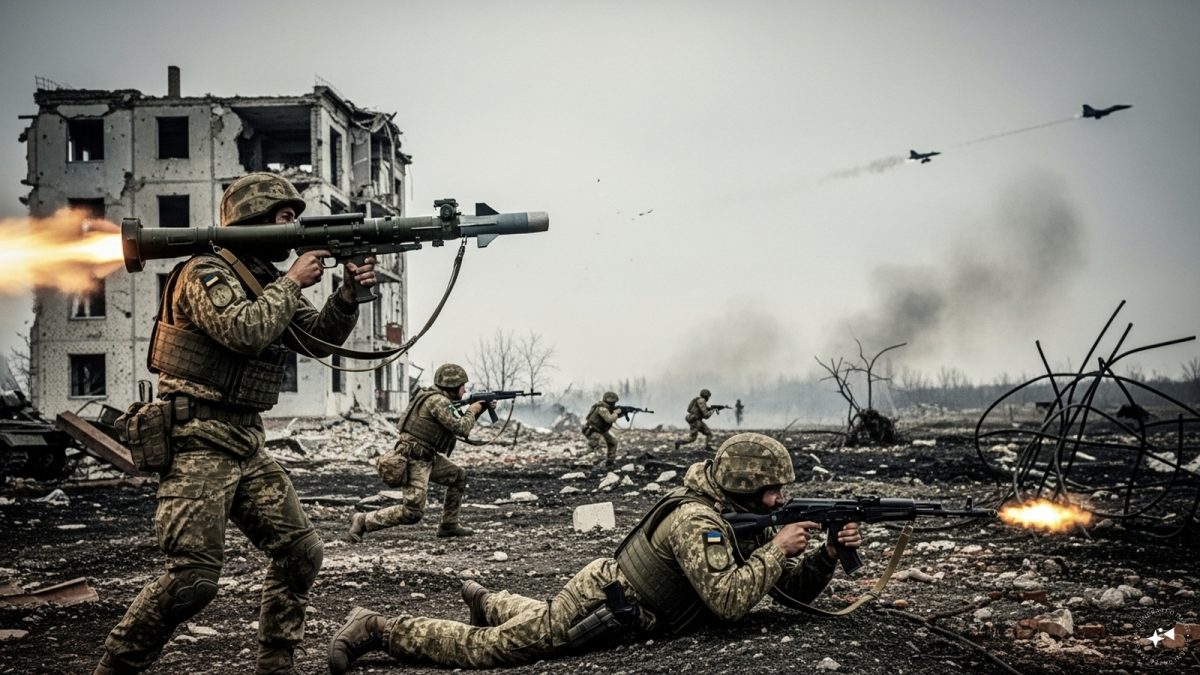 "As Russia pushes east, Ukraine faces mounting pressure to defend its heartland")
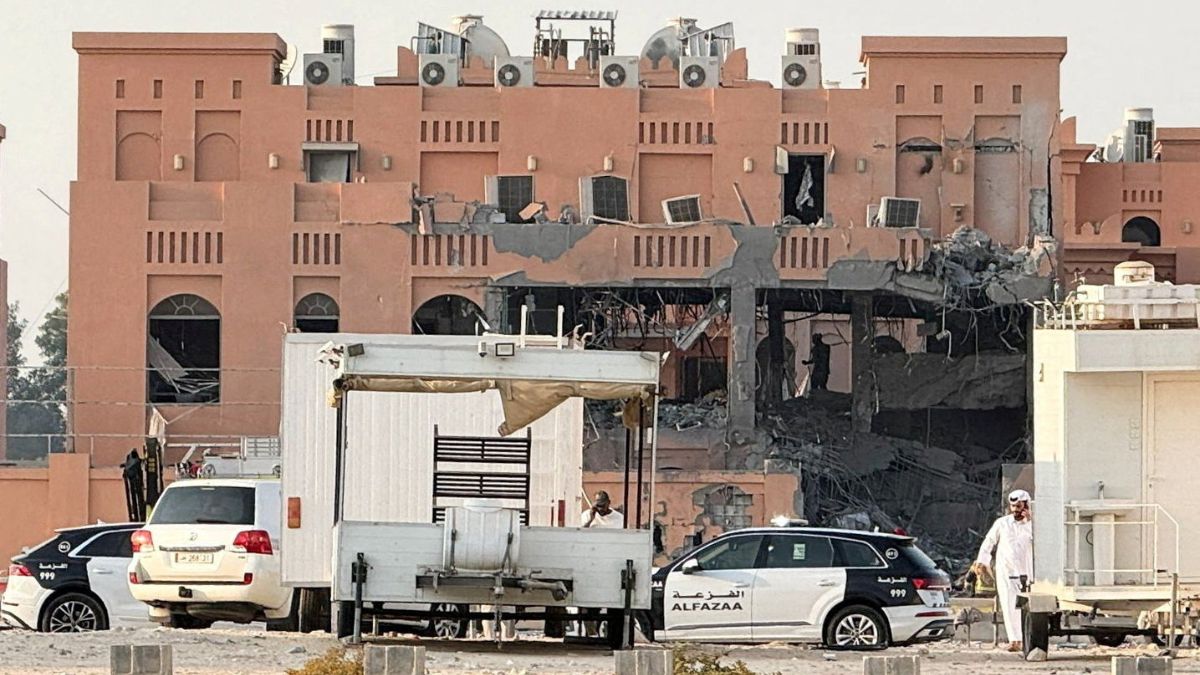 "Why Mossad was not on board with Israel’s strike on Hamas in Qatar")
 "Turkey: Erdogan's police arrest opposition mayor Hasan Mutlu, dozens officials in corruption probe")



