

 "As Supreme Leader calls shots in Iran, is Pezeshkian's election token gesture or step for change?")
Masoud Pezeshkian, a moderate leader seen as a reformist , has been elected as the new President of Iran.
Pezeshkian competed against five hardliner candidates in the Iranian presidential elections. In the first round of elections last week, Pezeshkian emerged as the leading candidate. The elections went into the second round in which he competed with hardliner Saeed Jalili and emerged victorious.
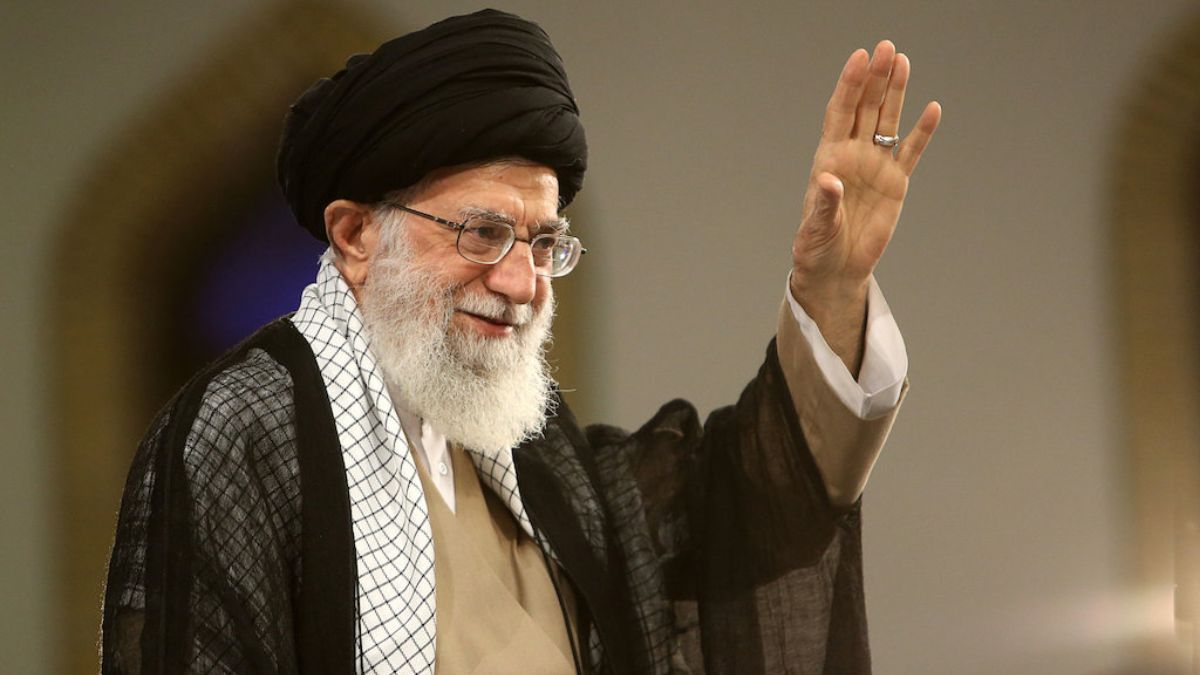
While presidents are usually the final authority in countries in their capacity as heads of state or government —or both— that’s not the case in Iran. It is the Supreme Leader, Ayatollah Ali Khamenei, who is the final authority in Iran and sets the domestic and foreign policies of the country and makes all key decisions. Then, one wonders if the presidential elections are a mere ruse and the president’s office a mere token. The reality is complicated.
In Iran, the Supreme Leaders sets policies, and the president is his executioner. But the president is not a mere decorated mechanical bureaucrat.
While it is indeed true that a president in Iran cannot bring a shift in policy as the broad contours are set by the Supreme Leader, a president and his ministers do have the crucial executive role and the manner in which they implement the policies and enforce the decisions plays a major role in the outcomes these policies and decisions produce, says Deepika Saraswat, a scholar of Iran and the Middle East at the Manohar Parrikar Institute for Defence Studies and Analyses (MP-IDSA).
As a result, while rules like the mandatory wearing of hijab for females in public will not be revoked, the implementation under Pezeshkian is expected to be much more humane and incidents like the custodial killing of Mahsa Amini, which triggered monthslong protests across Iran, are expected to be checked.
Iranian president must have Supreme Leader’s approval
Irrespective of who wins presidential elections, the Iranian president must always have the implicit approval of the Supreme Leader. This is because the candidature for the presidency is approved by a 12-member Guardian Council appointed by the Supreme Leader which has six top Islamic jurists and clerics.
Impact Shorts
More ShortsIn 2021, Pezeshkian’s candidature was not approved by the Guardian Council. This time, of more than 80 presidential hopefuls, only six were approved to compete.
This time, five hardliners and one moderate —Pezeshkian— were approved to take part in the elections. Of the five hardliners, three were from the Islamic Revolutionary Guards Corps (IRGC), the all-powerful armed force and intelligence apparatus that works separately from the regular Iranian military and is placed directly under the Supreme Leader’s command and control.
In the aftermath of the monthslong protests after Amini’s custodial killing, the inclusion of Pezeshkian among the candidates has been seen as a move to placate the public that has questioned not only the restrictive rules but also the legitimacy of the Islamic Revolution of 1979 that propped the Islamic Republic of Iran. Pezeshkian, who comes from the minority Azeri community, has spoken of addressing the concerns of women, minorities, and the border regions and paving way for his election as president has been seen as an attempt of improving the legitimacy of the regime and the revolution.
More of the same or something new?
Nothing drastic is going to change in Iran as the overall policy remains the exclusive domain of the Khamenei, the Supreme Leader.
However, since the implementation of policies is tasked with the president and his administration, some changes within Iran and its international engagements are indeed expected. Saraswat, the Iran expert at MP-IDSA, says that as Pezeshkian’s campaign has focused on rights of women, ethnic minorities, border areas, and fostering greater unity in the country, this means that while there may not be a substantial shift on mandatory hijab rules, there may be renewal of a reformist agenda of incremental reforms in social and cultural issues.
Saraswat tells Firstpost, “The Iranian president can channel the aspirations and demands of the people. Pezeshkian, like any president, can be a vehicle for advancing those aspirations. In the past, reformist and moderate presidents have acted as pressure groups to negotiate with the more conservative establishment.”
Iran’s international relations may also see a difference given the reformists and moderates have pursued constructive engagement with the world, including the West, says Saraswat, an Associate Fellow at the West Asia Center at MP-IDSA and the author of the book Between Survival and Status: The Counter-Hegemonic Geopolitics of Iran.
What will be Pezeshkian’s role in Middle East & nuclear talks?
As with all other things, Pezeshkian’s role in the Middle East and in the nuclear negotiations will be that of an executioner of the Supreme Leader’s writ. But here is a catch.
As the conflicts in the Middle East are largely driven by the IRGC, the Supreme Leader’s personal sword-arm, the role of Pezeshkian and his government may be limited in running or managing these conflicts. The IRGC’s foreign operations and intelligence wing, the Quds Force, carries out the Iranian covert activities in the Middle East and beyond.
Things may be a little bit different in terms of nuclear talks. The Supreme Leader needs a civilian face to lead the negotiations who not only carries some legitimacy but has the skillset to convey the Iran’s positions — both explicit and implicit.
As things stand today, Iran has enriched nuclear fuel to the extent that it could develop weapons-grade fuel within a few weeks to months. Then, once the go-ahead comes from Supreme Leader Khamenei, the warhead could be prepared in a matter of months. Iran is therefore closest than ever to developing a nuclear weapon and the only barrier is the go-ahead but developing the weapon may not be the goal of Iran at all. Instead, Iran may be looking at its current ’threshold state’ as a bargaining chip with the West with the idea being that Iran will not develop a bomb as long as the West and Israel don’t make moves against it.
Saraswat tells Firstpost, “The nuclear threshold status is increasingly seen as part of Iran’s deterrence strategy, especially after the Iranian-Israeli exchange of fire in April. Given Iran does not want a full-blown war with the United States, and acquiring nuclear weapons will be crossing a big red line for the United States and Israel, so it has not made the political decision of acquiring the bomb despite the evident technological capabilities.”
If this is indeed the case, then Pezeshkian and his negotiators would need to mount clever diplomacy. The West too would need to find newer ways to engage with Iran and deal with its nuclear activities. At a time when conflicts are raging from Europe to the Middle East, Pezeshkian has the enviable task of navigating Iran within the policy directives of Supreme Leader Khamenei.


 "Russian drones over Poland: Trump’s tepid reaction a wake-up call for Nato?")
 "As Russia pushes east, Ukraine faces mounting pressure to defend its heartland")
 "Why Mossad was not on board with Israel’s strike on Hamas in Qatar")
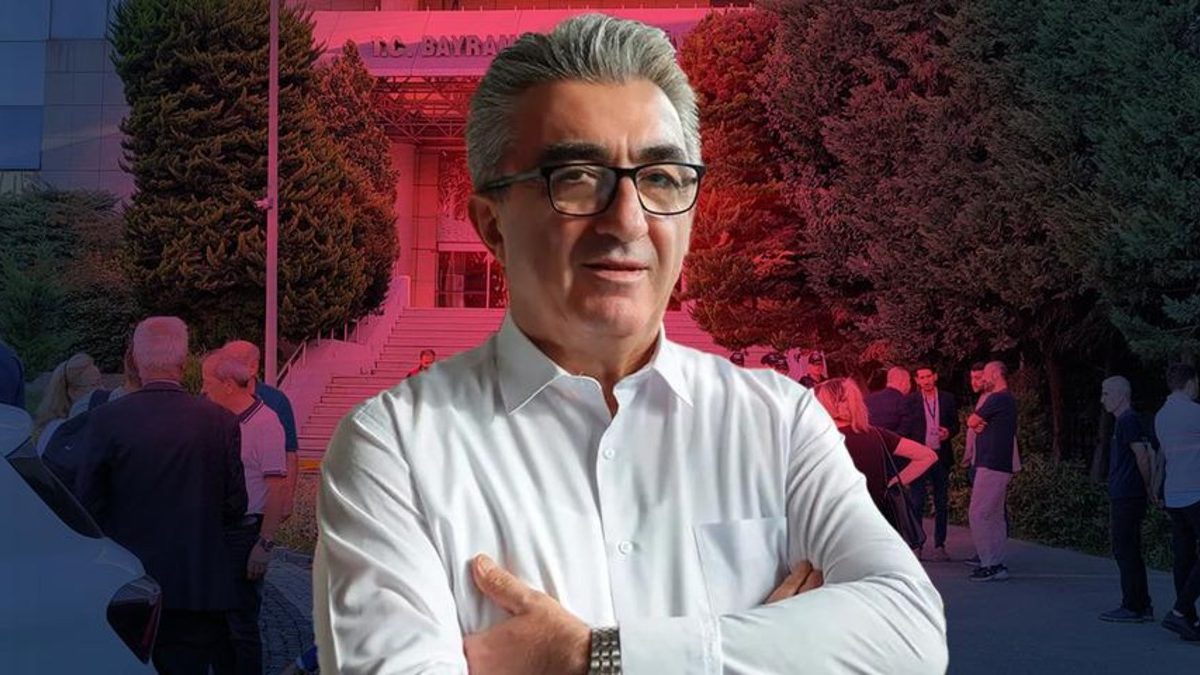 "Turkey: Erdogan's police arrest opposition mayor Hasan Mutlu, dozens officials in corruption probe")
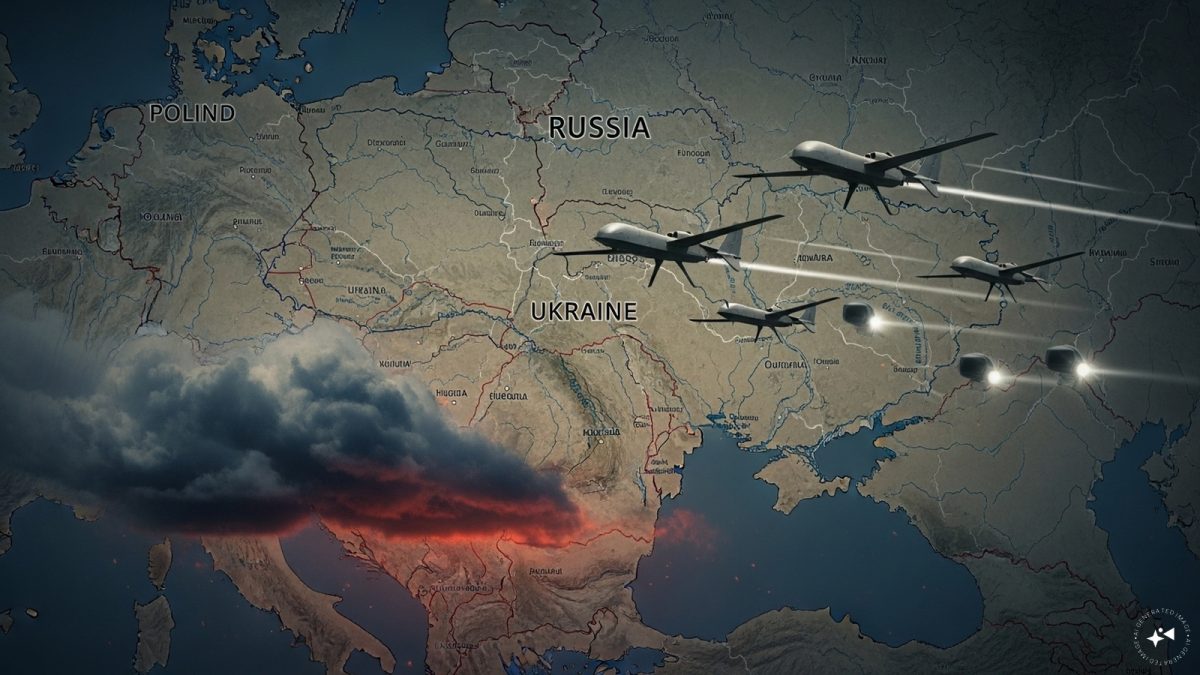 "Russian drones over Poland: Trump’s tepid reaction a wake-up call for Nato?")
 "As Russia pushes east, Ukraine faces mounting pressure to defend its heartland")
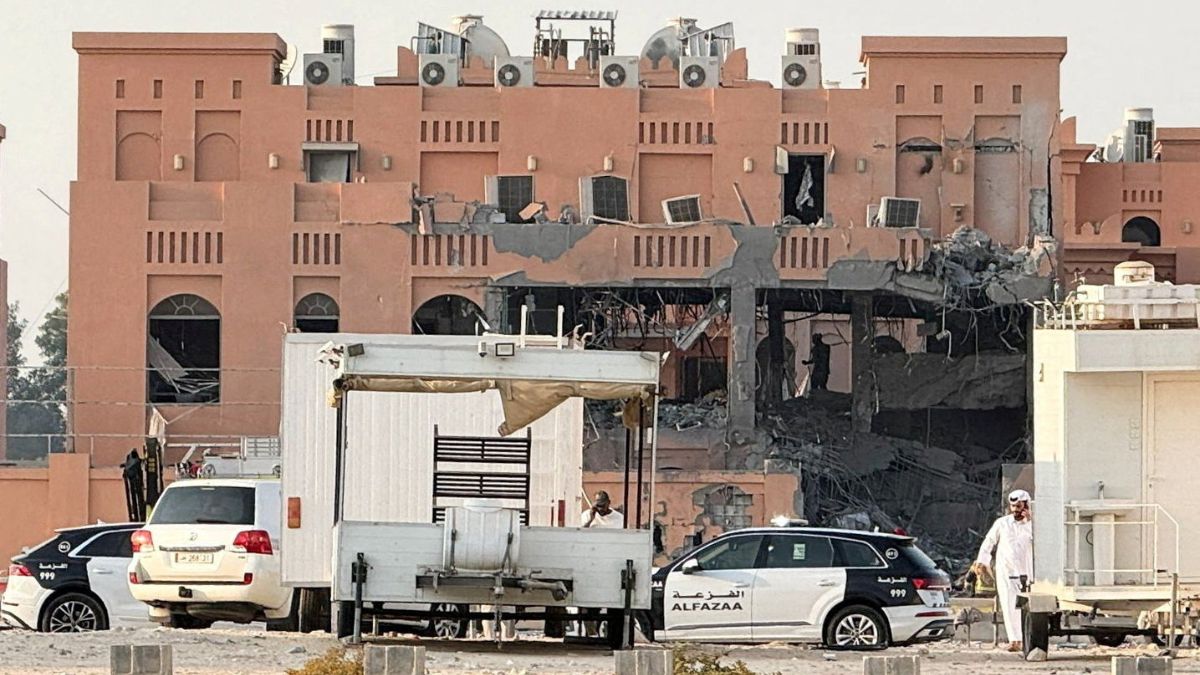 "Why Mossad was not on board with Israel’s strike on Hamas in Qatar")
 "Turkey: Erdogan's police arrest opposition mayor Hasan Mutlu, dozens officials in corruption probe")



