

 "Hundreds of Palestinians join 'Hamas out' protest in Gaza, call for an end to the war")
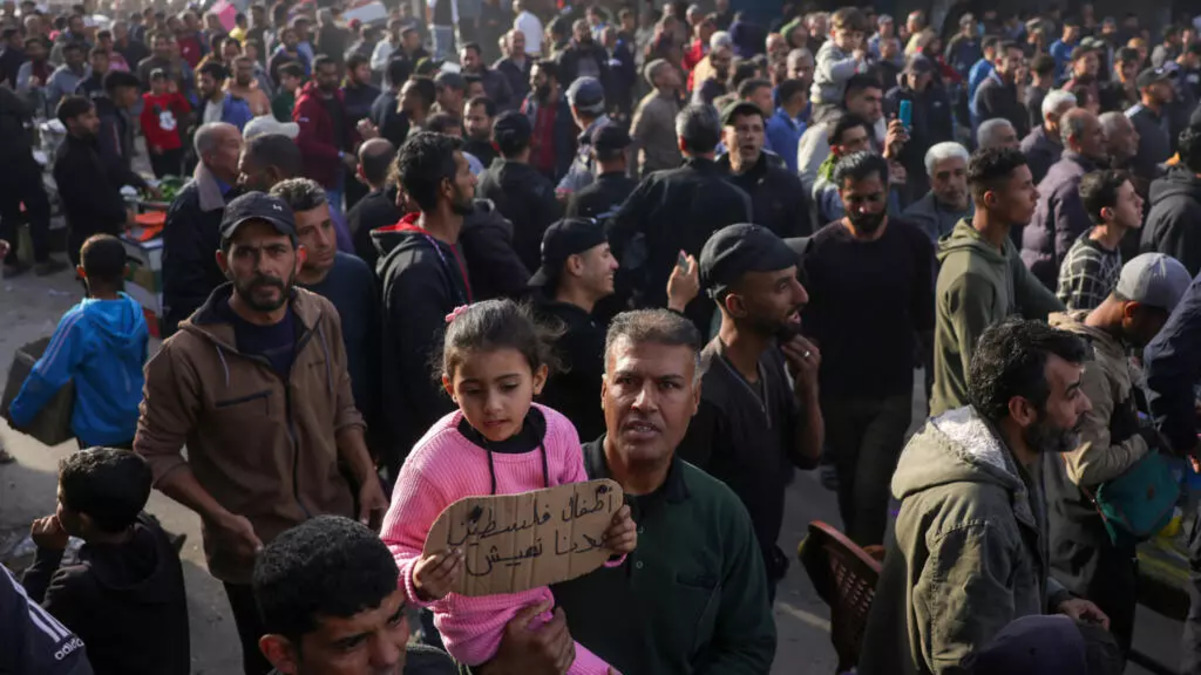
Hundreds of Palestinians in northern Gaza staged a protest against Hamas, demanding an end to the war with Israel, BBC reported. It is the largest demonstration against the Palestinian armed group since the 7 October attacks.
Videos of the protest went viral on social media on Tuesday night. The videos showed mostly men chanting “Hamas out” and “Hamas terrorists” in Beit Lahia. The protest took place near the Indonesian hospital, just days after Israel resumed heavy bombing following a brief truce.
Hamas fired rockets at Israel, prompting Israel to accelerate its campaign in Gaza and order the evacuation of large parts of Beit Lahia, which sparked anger among locals.
Israel resumes military campaign after breaking of ‘fragile’ ceasefire
Israel resumed its military campaign in Gaza after nearly two months of ceasefire, blaming Hamas for rejecting a new US truce proposal. Hamas, however, accused Israel of abandoning the original deal from January.
Since Israel restarted airstrikes on 18 March, hundreds of Palestinians have been killed, and thousands have been displaced.
Some protesters held banners saying, “Stop the war” and “We want to live in peace.” At least one call to join the protest was shared on Telegram.
“I don’t know who organised the protest,” one man told AFP. “I joined to send a message: Enough with the war.” He also claimed that Hamas security forces, dressed in civilian clothes, tried to break up the protest.
Impact Shorts
More ShortsMajdi, another protester, said people were exhausted. “If Hamas stepping down is the solution, why don’t they give up power to protect the people?” he said to AFP.
October 7 attack
The war in Gaza began after Hamas attacked Israel on 7 October 2023, killing about 1,200 people, mostly civilians, and taking 251 hostages.
In response to the attack, Israel launched a military campaign in Gaza, aiming to destroy Hamas. According to Gaza’s Hamas-run health ministry, more than 50,000 Palestinians have been killed.
Most of Gaza’s 2.1 million people have been displaced, many multiple times.
About 70 per cent of buildings have been damaged or destroyed. Healthcare, water, and sanitation systems have collapsed, and there are severe shortages of food, fuel, medicine, and shelter.


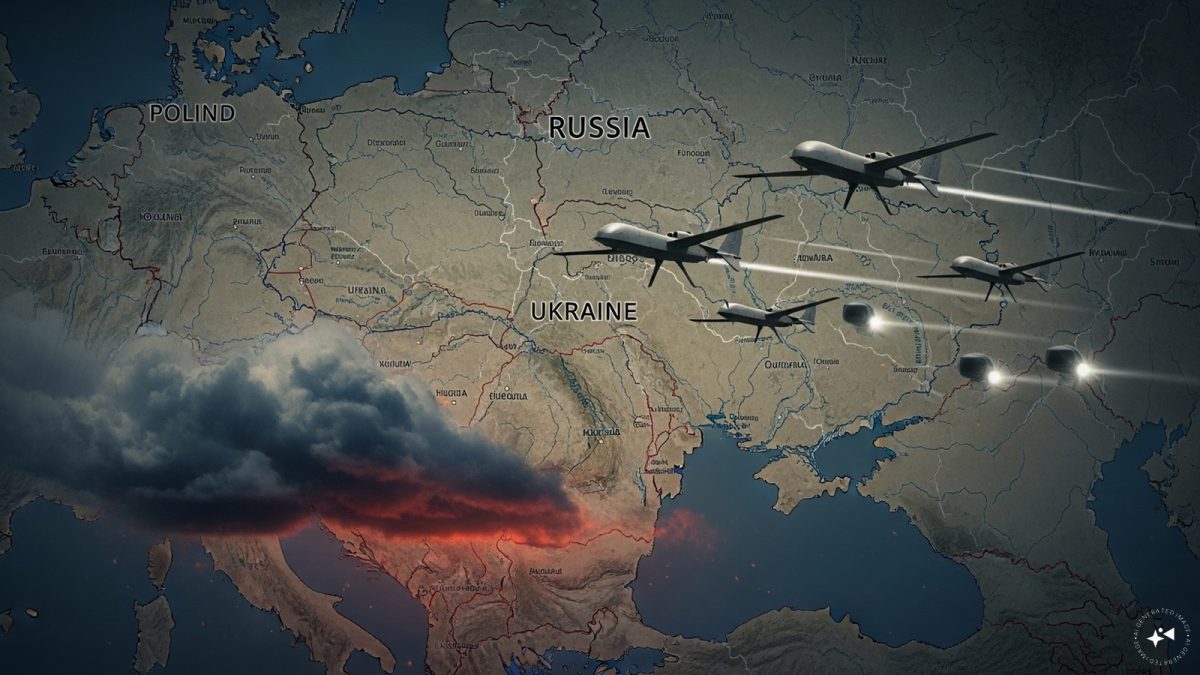 "Russian drones over Poland: Trump’s tepid reaction a wake-up call for Nato?")
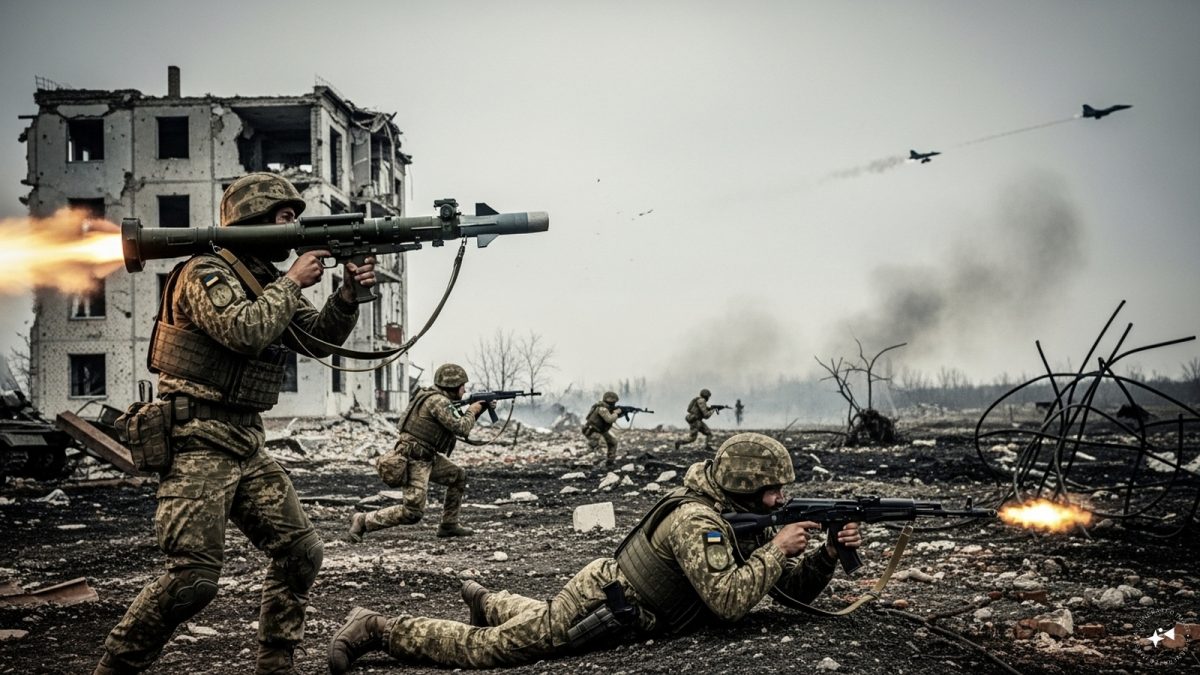 "As Russia pushes east, Ukraine faces mounting pressure to defend its heartland")
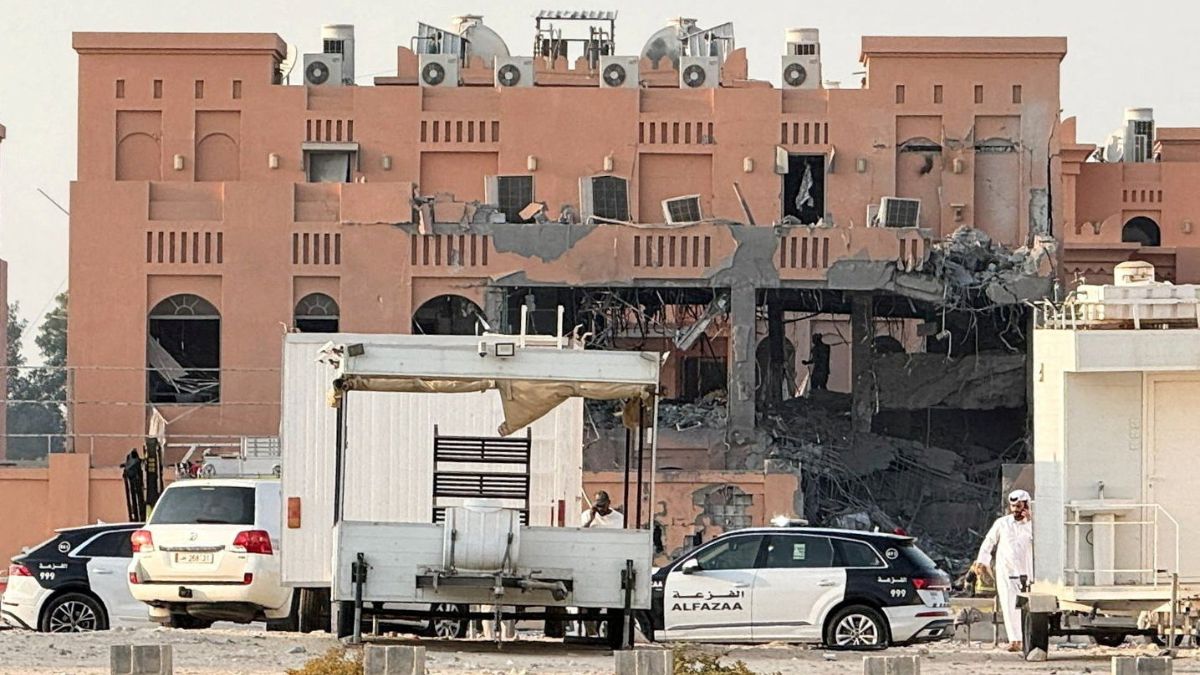 "Why Mossad was not on board with Israel’s strike on Hamas in Qatar")
 "Turkey: Erdogan's police arrest opposition mayor Hasan Mutlu, dozens officials in corruption probe")
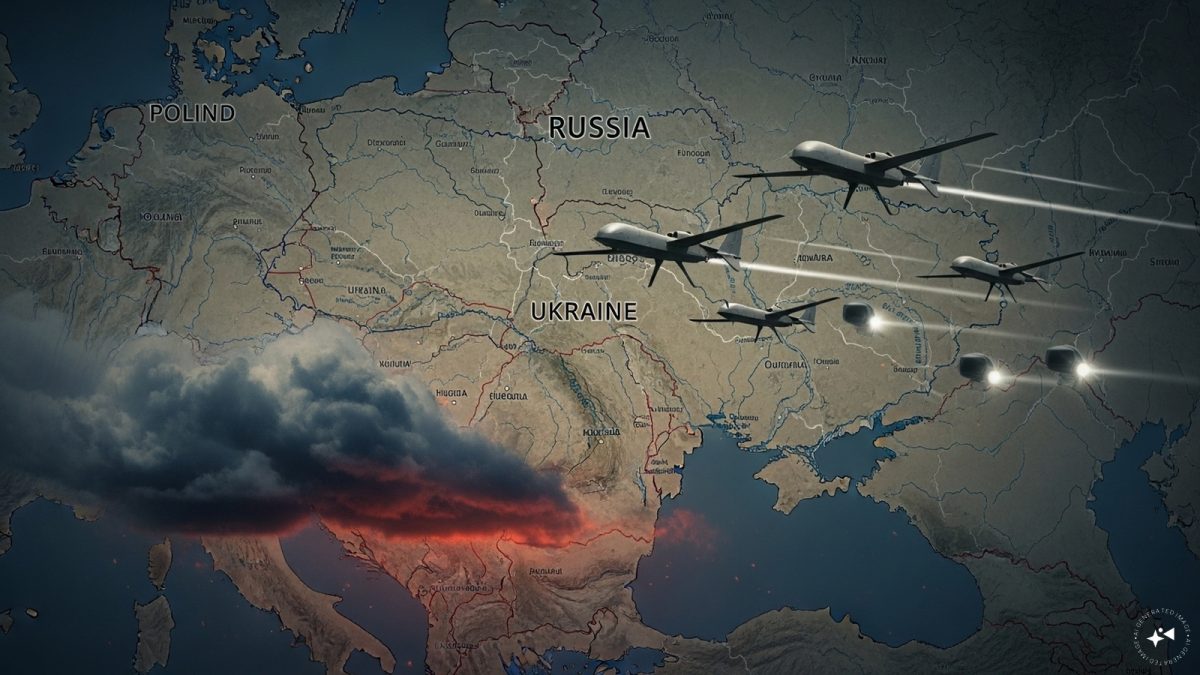 "Russian drones over Poland: Trump’s tepid reaction a wake-up call for Nato?")
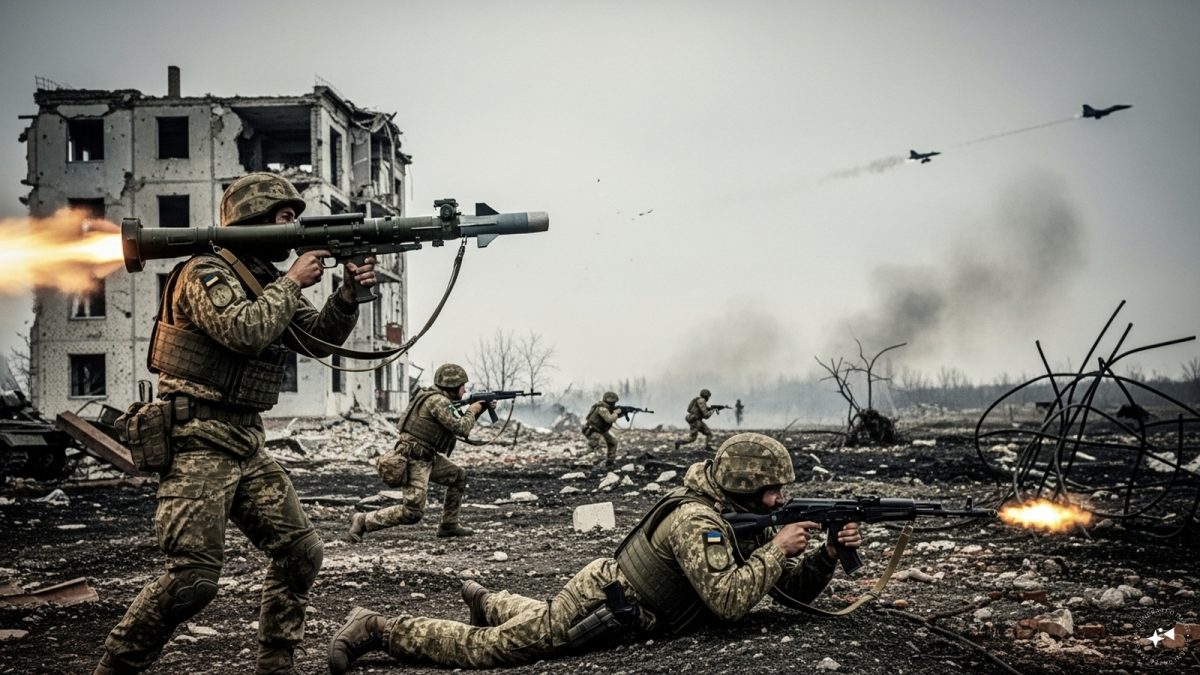 "As Russia pushes east, Ukraine faces mounting pressure to defend its heartland")
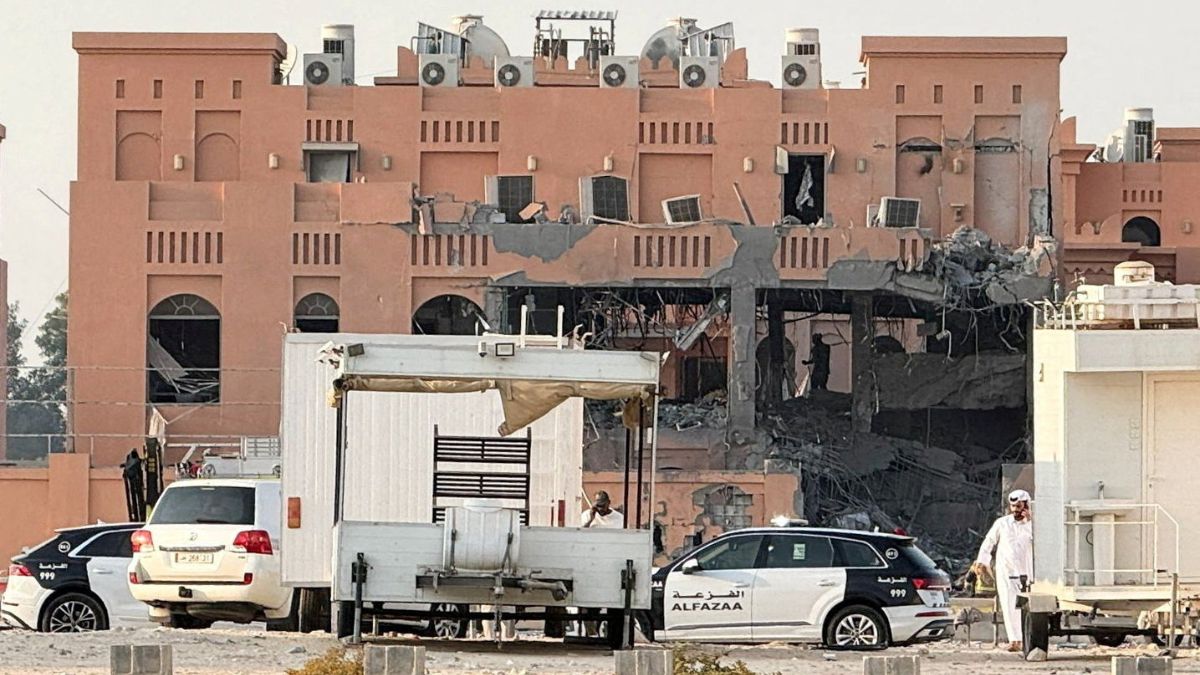 "Why Mossad was not on board with Israel’s strike on Hamas in Qatar")
 "Turkey: Erdogan's police arrest opposition mayor Hasan Mutlu, dozens officials in corruption probe")



