

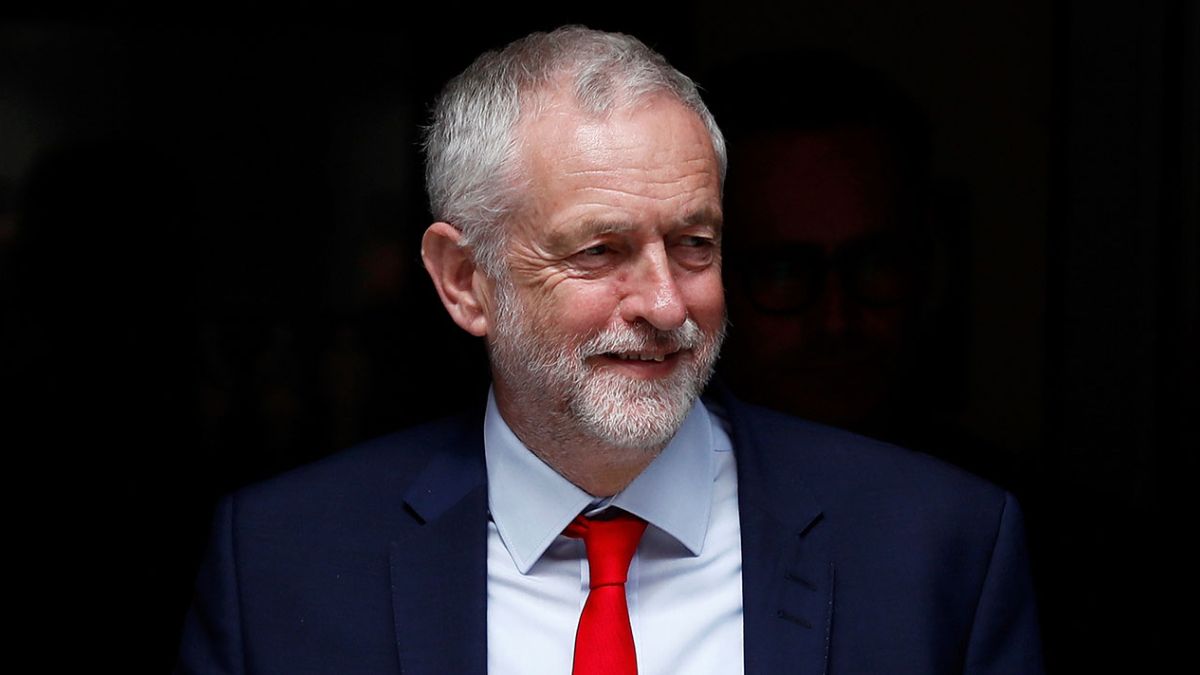
 "How Jeremy Corbyn's victory takes some shine out of Labour victory")
Jeremy Corbyn’s triumphant return as an independent MP for Islington North has cast a shadow over the Labour Party’s overall victory. Corbyn, who was expelled by the Labour Party, defeated Labour’s Praful Nargund by over 7,200 votes. This victory marks a significant personal achievement for Corbyn, who served as the Labour leader and Leader of the Opposition from 2015 to 2020.
The race in Islington North also featured Liberal Democrat candidate Vikas Aggarwal, who garnered over 1,660 votes, and Conservative Karen Harries, who polled over 1,900 votes.
“I’m very proud of this campaign,” said Corbyn after his victory. He also spoke about ending the two-child benefit cap and ending the war in Gaza defining the issues as priority focal points in his acceptance speech.
Why Corbyn’s win is a surprise
Despite predictions that Corbyn trailed Labour by 14 points just two weeks before the election, his enduring popularity in Islington North shone through. This result underscores his deep personal connection with his constituents, a bond forged over more than four decades of representation.
Corbyn’s campaign focused on principles such as ending National Health Service’s (NHS) privatisation and restoring public, universal healthcare, which resonated strongly with voters disillusioned with mainstream party politics.
Praful Nargund, the Labour candidate, was convinced about his victory until a week before the polls, saying, “Our positive campaign has attracted many new joiners. This is the largest campaign ever run by Islington North Labour, and we’ve spoken to thousands of residents.”
Impact Shorts
More ShortsDespite this positive outlook, Corbyn’s victory reveals the underlying tensions within Labour and presents a potential challenge to Starmer’s leadership. The success of an Independent candidate, particularly one as high-profile as Corbyn, suggests that a significant segment of Labour’s traditional base remains unaligned with the current party leadership.
Victory followed defection in Labour camp
The significant support for Corbyn, even in a crowded field, highlights the depth of his appeal and the effective mobilisation of his supporters. Adding to the complexity of the election, 72 Islington North Labour Party members, many of whom resigned or faced expulsion, openly supported Corbyn.
Their backing was a clear indication of the internal divisions within the local Labour Party. These members felt disenfranchised by the party’s decision to expel Corbyn and deny him the opportunity to run as a Labour candidate. Their support not only bolstered Corbyn’s campaign but also symbolised a protest against the current Labour leadership.
Why a concern for Starmer-led party
Corbyn’s win is particularly striking given Labour’s national success under Keir Starmer. While Labour celebrated a sweeping victory across the country, Corbyn’s success in Islington North serves as a reminder of the enduring ideological and personal rifts within the party.
Corbyn has been an MP in Islington for more than 40 years. But the Labour Party blocked him from standing for the party by its governing body after he was suspended as a Labour MP in 2020 for his response to a report about “rising antisemitism” in the party.
Corbyn has represented the Islington North constituency since 1983 — but he has won it for the first time as an independent MP.
His victory against the Labour candidate Nargund underscores the challenge Starmer faces in unifying Labour’s broad coalition, which includes both centrist and left-wing factions.
Corbyn has maintained that he “will campaign on the same principles we have always had".
“That includes ending all privatisation of our NHS in order to restore the principle of free, public, and universal healthcare. Jeremy has always been an honest, brave, and principled voice. We need that voice now, more than ever,” he has said.
While Labour’s national victory is a cause for celebration, Jeremy Corbyn’s win in Islington North takes some shine out of it, highlighting internal divisions and the enduring influence of a leader who remains a significant figure in British politics.


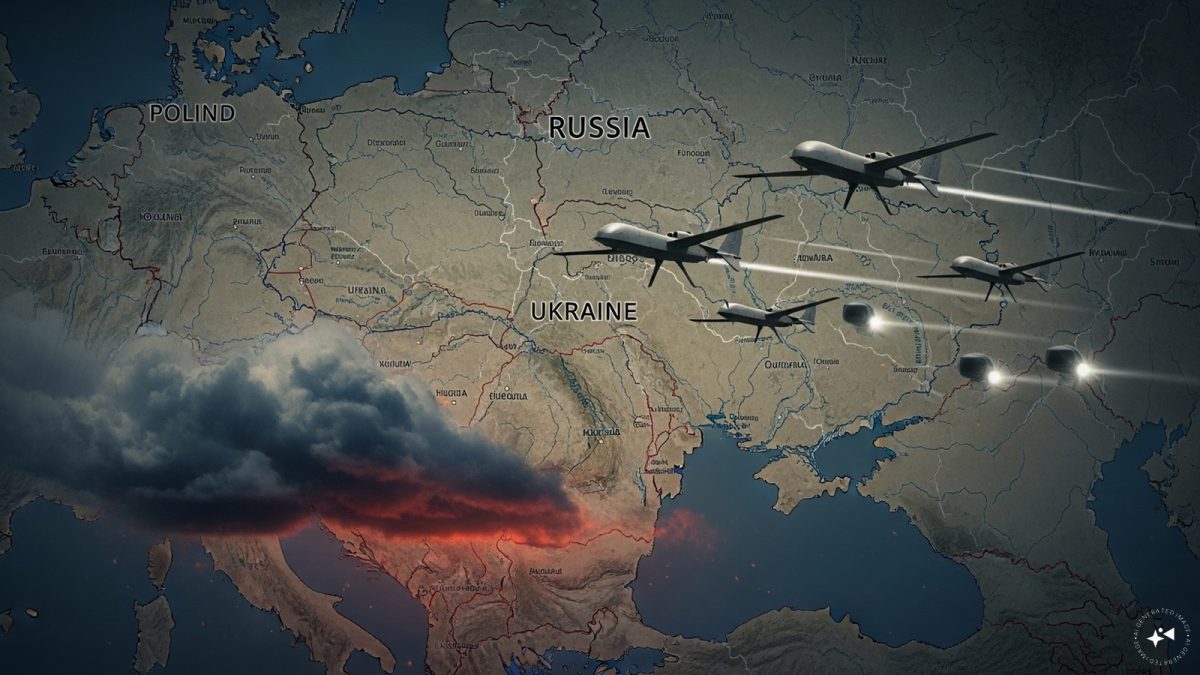 "Russian drones over Poland: Trump’s tepid reaction a wake-up call for Nato?")
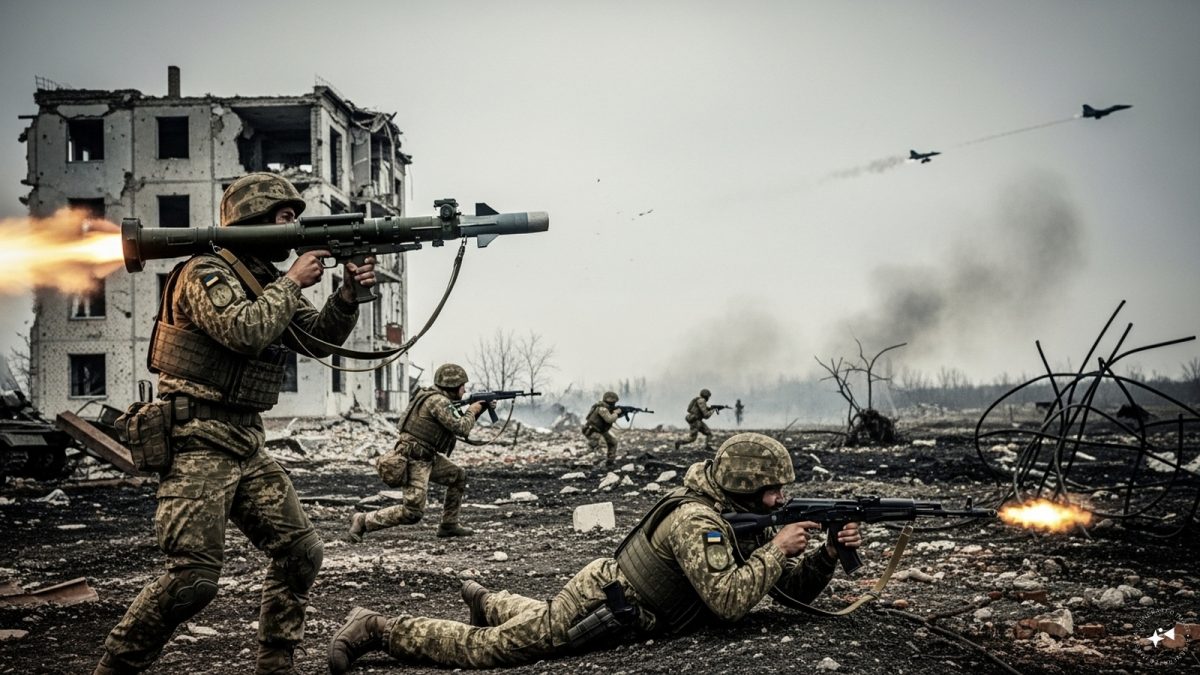 "As Russia pushes east, Ukraine faces mounting pressure to defend its heartland")
 "Why Mossad was not on board with Israel’s strike on Hamas in Qatar")
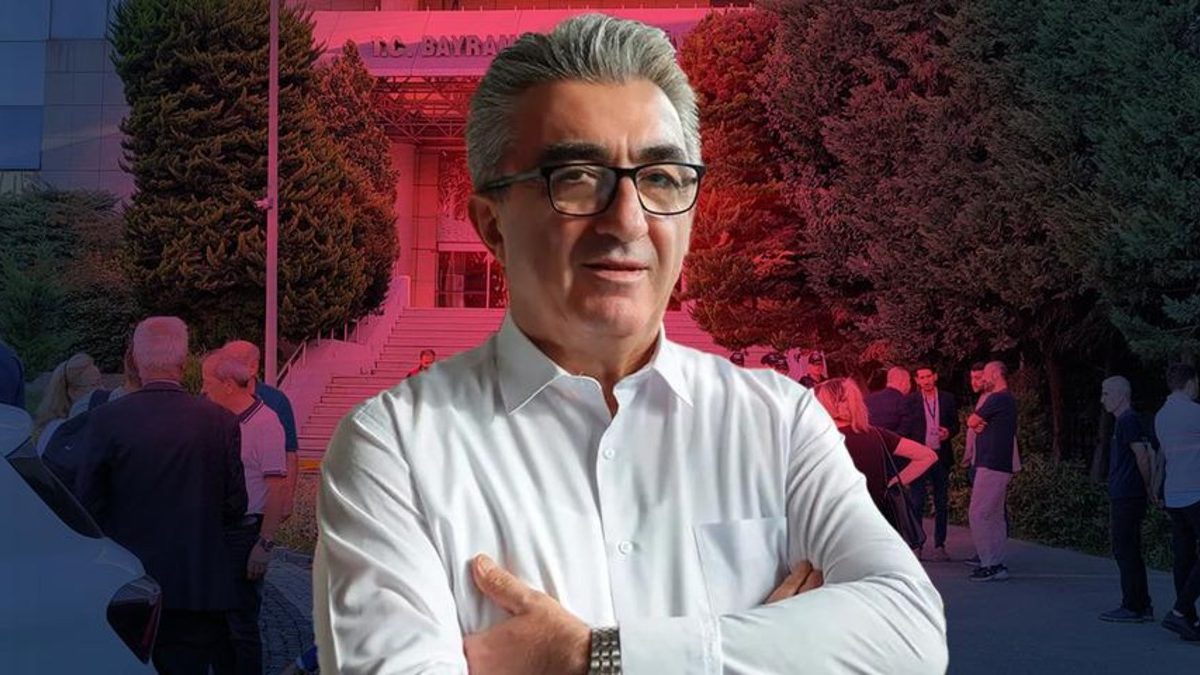 "Turkey: Erdogan's police arrest opposition mayor Hasan Mutlu, dozens officials in corruption probe")
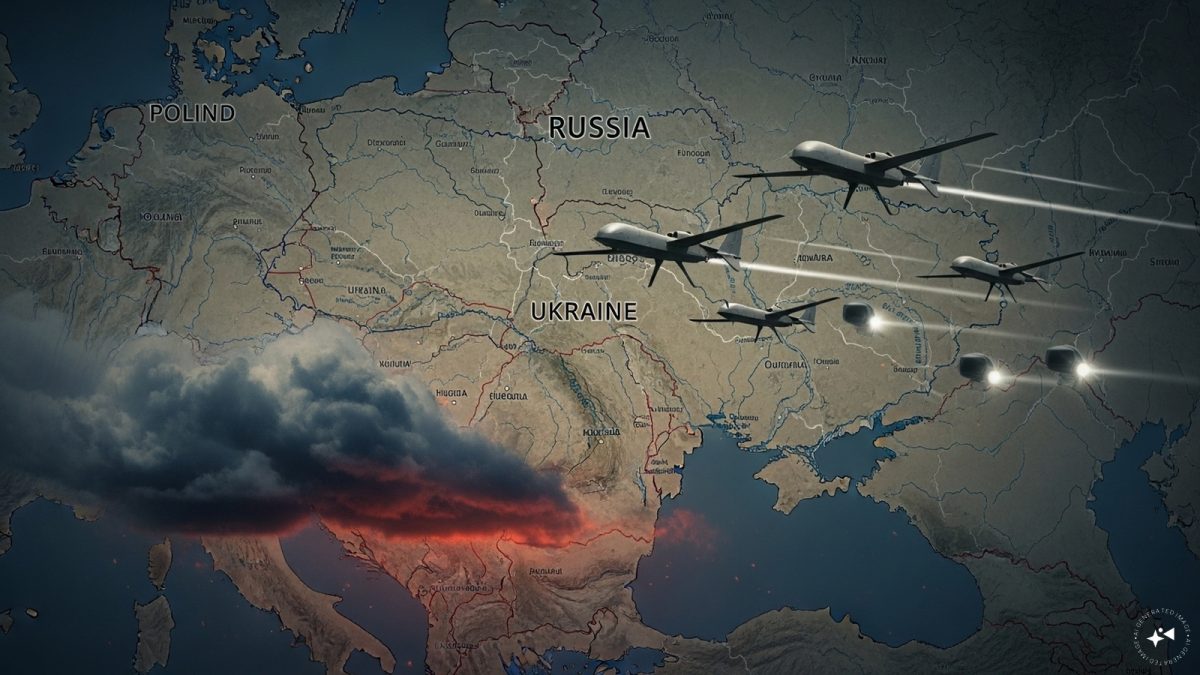 "Russian drones over Poland: Trump’s tepid reaction a wake-up call for Nato?")
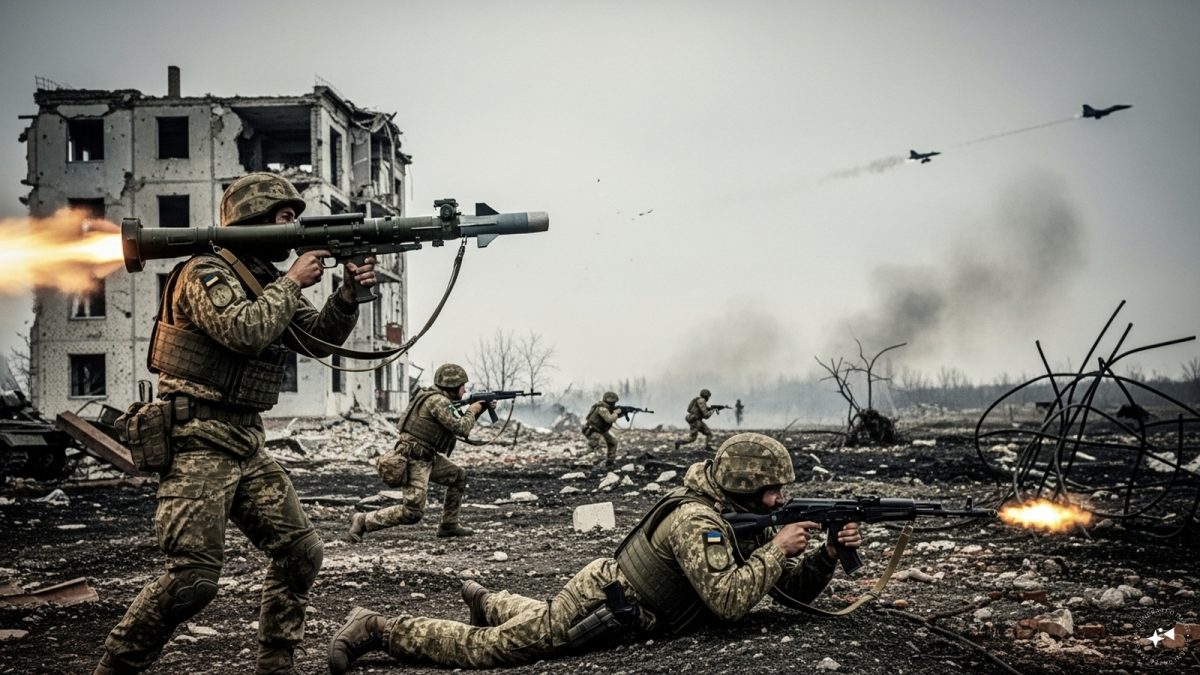 "As Russia pushes east, Ukraine faces mounting pressure to defend its heartland")
 "Why Mossad was not on board with Israel’s strike on Hamas in Qatar")
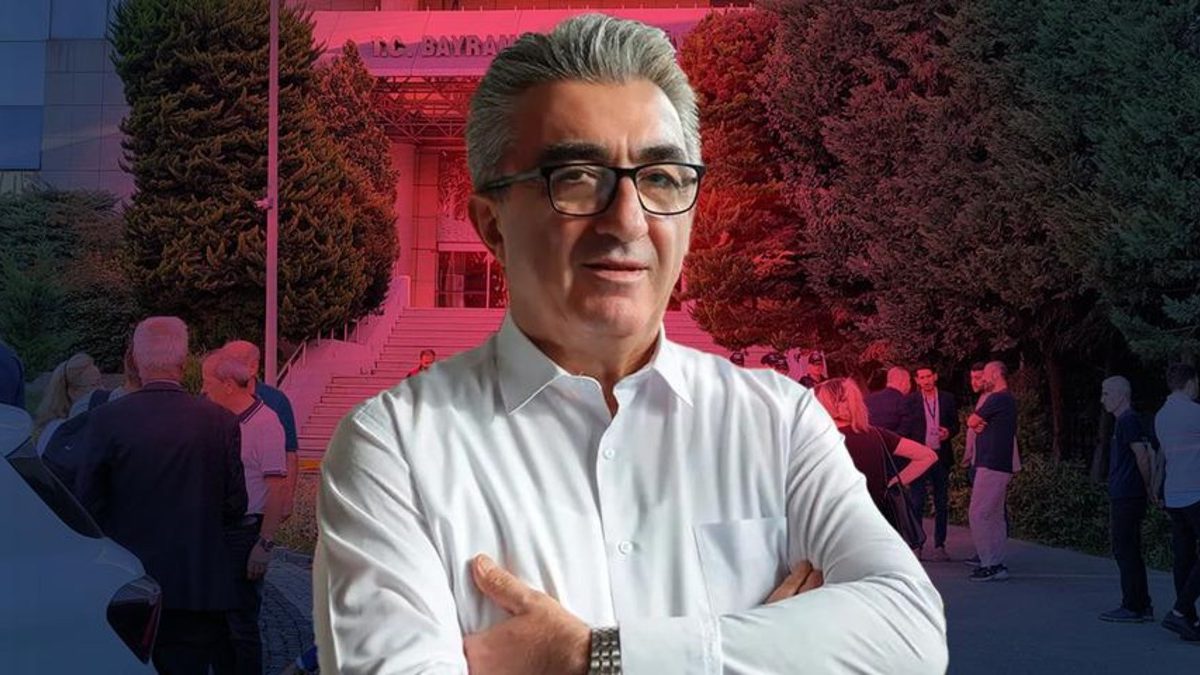 "Turkey: Erdogan's police arrest opposition mayor Hasan Mutlu, dozens officials in corruption probe")



