

 "Here's how Germany's anti-extremist firewall eroded ahead of elections, pumped up violence")
Germany, long seen as a bastion of liberal democracy and political stability in Europe, is heading towards what is being seen as one of its most important elections in modern history.
However, ahead of the watershed day, the country is witnessing a troubling erosion of its traditional safeguards against extremism.
As federal elections loom, the convergence of mainstream political manoeuvring, rising street protests, and the emboldening of far-right factions have deepened the country’s political polarisation.
The consequences so far have been– heightened tensions and street violence.
For decades, Germany maintained a robust “firewall”– the Brandmauer–between the centre-right Christian Democratic Union (CDU) and the far-right Alternative für Deutschland (AfD).
This informal yet firm boundary was key to preserving democratic consensus and curbing right-wing extremist influence. Political collaboration with far-right forces was consistently avoided.
However, recent political developments suggest this firewall is eroding, putting a big question mark on the future trajectory of German politics.
The erosion of the firewall
At the heart of this political realignment lies the CDU’s recalibration on immigration. The influx of migrants is a contentious issue that has polarised German society.
In a controversial regional vote in Thuringia, CDU politicians collaborated with the AfD to pass a legislative measure to curb asylum seekers’ benefits.
This move was unprecedented. And it was significant because it shattered long-standing political conventions and blurred the once-clear lines between mainstream conservatism and the far-right fringe.
Quick Reads
View AllCDU leadership has insisted that such collaborations are tactical and not ideological endorsements. However, critics warn that these decisions risk normalising extremist narratives.
The AfD, buoyed by its increasing electoral success, has seized this opportunity to push its agenda further into the mainstream. The result is a shifting political discourse where topics once confined to extremist rhetoric now find resonance in broader policy debates.
Polarisation brings unrest to the streets
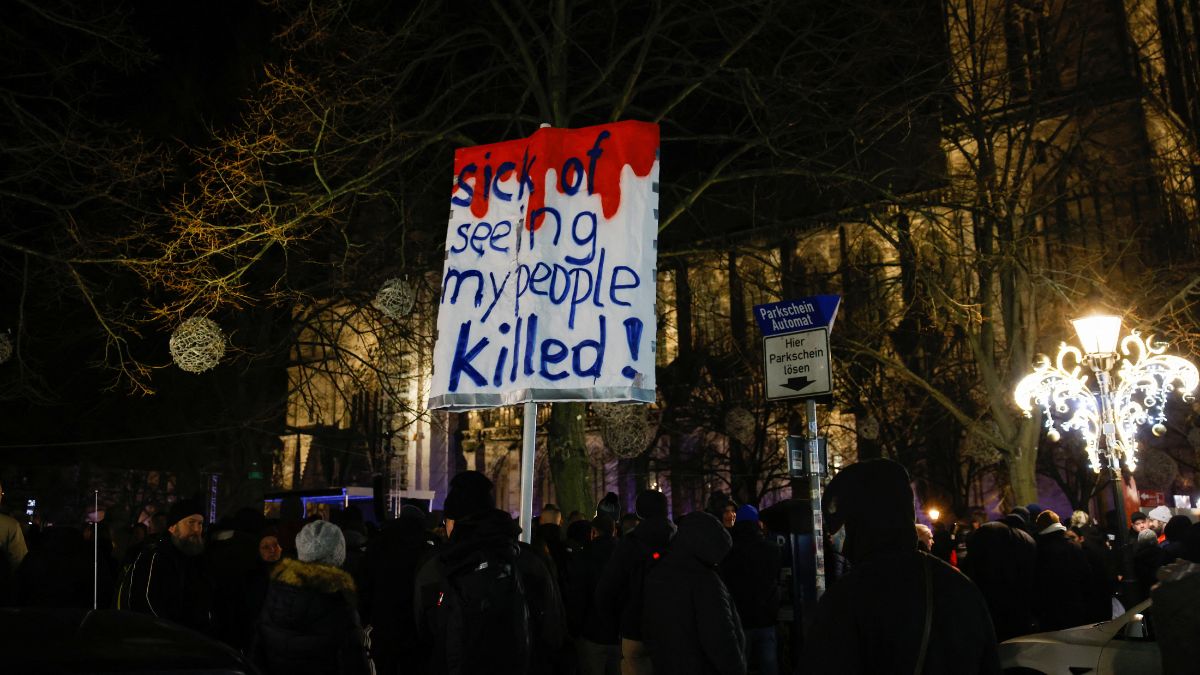
The erosion of the anti-extremist firewall has not gone unnoticed. In response, tens of thousands of Germans have taken to the streets in cities such as Berlin, Leipzig, and Munich.
These protests, driven by civil society groups, students, and unions, seek to defend democratic values. Demonstrators wish to counter the creeping influence of the far-right. Slogans like “Nie wieder ist jetzt” (“Never again is now”) echo historical anxieties about Germany’s past and the fear of repeating it.
Throughout 2024, Armed Conflict Location and Event Data (ACLED) recorded over 1,450 demonstrations in opposition to right-wing extremism.
However, these demonstrations have been met with counter-protests and, in some cases, violent clashes.
Despite a 20 per cent decline compared to 2023, far-right protests continued to focus on a few recurring themes: opposition to immigration, especially following high-profile incidents involving foreigners; skepticism toward military aid to Ukraine; and resistance to the policies of the federal government.
Reports of attacks on migrants, vandalism of refugee shelters, and confrontations between extremist groups and anti-fascist activists have become more frequent. The atmosphere is increasingly charged.
In 2024, polarisation led to significant unrest across the country. The urban-rural divide became a major focus as farmers organized over 980 protests– more than six times the annual average– against subsidy cuts and tax increases.
Labor unrest also emerged, particularly highlighted by the strikes in November and December 2024. These strikes, driven by fears of layoffs and issues surrounding contract renewals, had a substantial impact on the powerful automotive sector, resulting in over 770 strikes.
Additionally, environmental activists conducted more than 490 demonstrations, primarily addressing local issues or calling for stronger actions regarding Germany’s contentious energy future, despite the Greens holding a significant position in the government.
Political calculations, dilemmas
The AfD’s rise, especially in East Germany, is bringing out deep-seated frustrations over economic disparities, cultural anxieties, and disillusionment with Berlin’s political establishment.
With polling suggesting record support for the AfD in several states, mainstream parties face a dilemma: maintain the firewall at the cost of electoral competitiveness, or adapt their strategies, risking the legitimisation of far-right narratives.
Chancellor Olaf Scholz’s government, already grappling with economic slowdown and geopolitical uncertainties, now faces the added challenge of preserving democratic norms amid rising extremism.
Implications for Europe
Germany’s internal political shifts have broader European ramifications. As Europe’s largest economy and a key pillar of the European Union, Germany’s political direction influences the continent’s stability. The normalisation of far-right discourse in Berlin could embolden similar movements across Europe, undermining collective efforts to counter extremism.
Historical memory also plays a critical role. Germany’s post-war political consensus was built on the repudiation of fascism and the safeguarding of democratic values. The current erosion of the anti-extremist firewall could cause an existential crisis.

 "Pentagon no longer views China as top threat, offers 'more limited' support to US allies")
 "'Governor Carney sorely mistaken': Trump threatens 100% tariff on Canada over its potential China trade deal")
 "Bangladesh out of 2026 T20 World Cup, announces ICC; Scotland named replacement team")
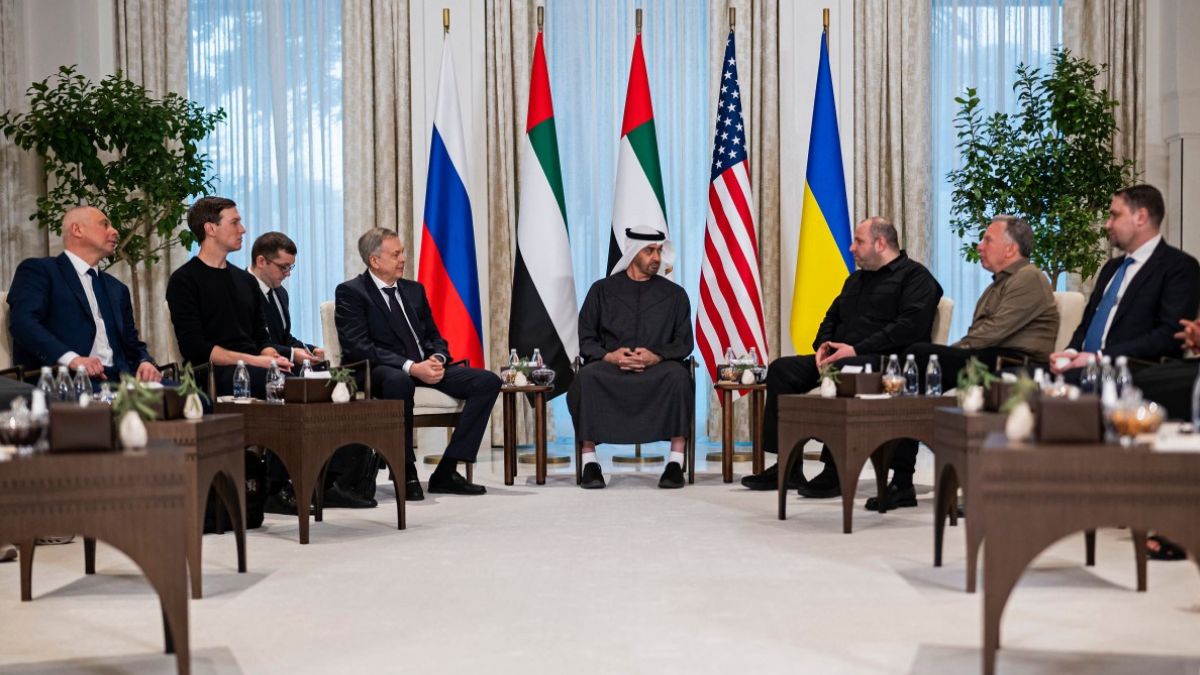 "Ukraine peace talks conclude in Abu Dhabi as Donbas issue remains unresolved")
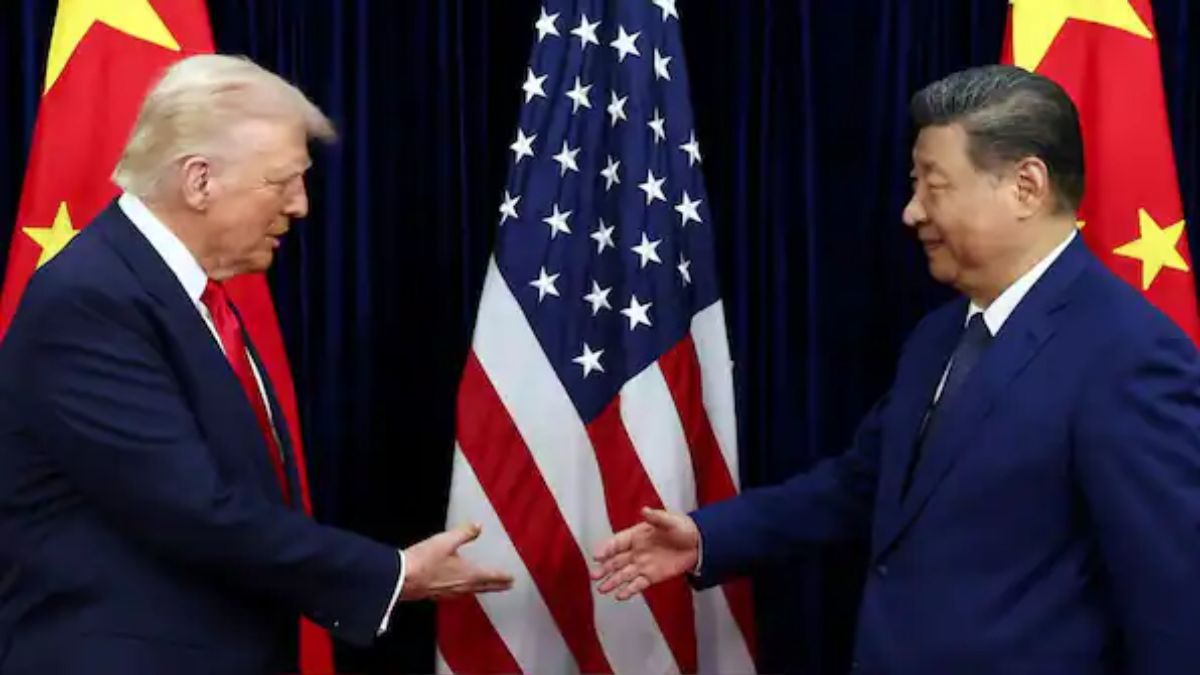 "Pentagon no longer views China as top threat, offers 'more limited' support to US allies")
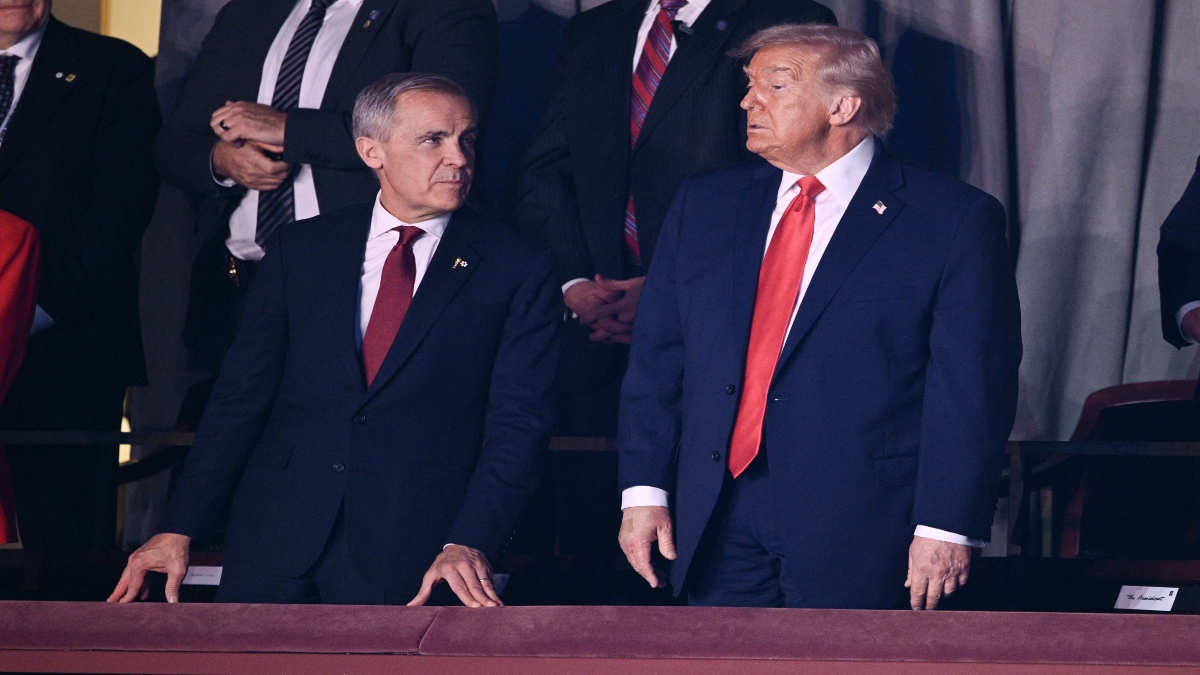 "'Governor Carney sorely mistaken': Trump threatens 100% tariff on Canada over its potential China trade deal")
 "Bangladesh out of 2026 T20 World Cup, announces ICC; Scotland named replacement team")
 "Ukraine peace talks conclude in Abu Dhabi as Donbas issue remains unresolved")



