

 "Gaza war may spread to Lebanon, warns senior UN official")
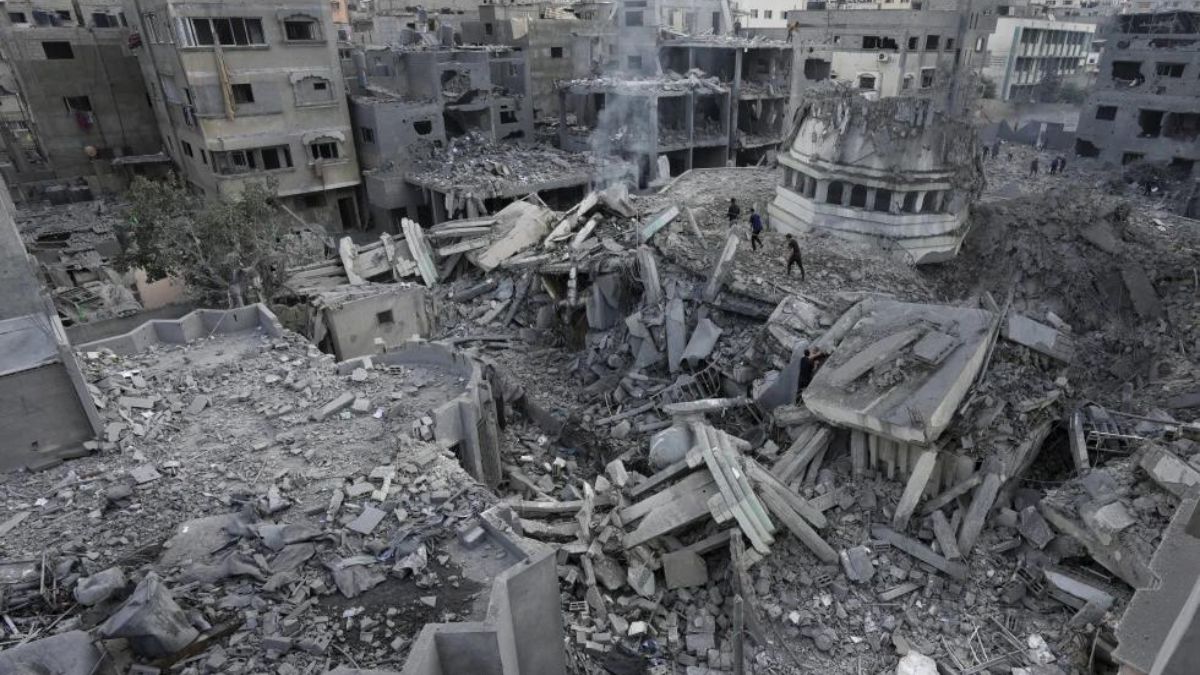
While fighting raged in the southern Gaza Strip on Wednesday, the departing UN humanitarian director issued a “potentially apocalyptic” warning against the expansion of the Israel-Hamas conflict to Lebanon.
Lebanon’s southern border with Israel, which has seen daily cross-border fighting since the October 7 Hamas attack on Israel, is what Martin Griffiths referred to as “the flashpoint beyond all flashpoints”.
“It’s beyond planning. It’s potentially apocalyptic,” warned Griffiths whose term as UN humanitarian coordinator ends this week.
A war involving Lebanon “will draw in Syria… it will draw in others”, he told the media in Geneva.
“It’s very alarming.”
Germany urged its people living in Lebanon to leave the country on Wednesday, echoing a warning from Canada the day before.
“German nationals are urgently requested to leave Lebanon,” updated foreign ministry advice in Berlin said.
“The current heightened tensions in the border area with Israel could escalate further at any time.”
Berlin’s foreign ministry reinforced its warning, saying, “German nationals are urgently requested to leave Lebanon.”
“The current heightened tensions in the border area with Israel could escalate further at any time.”
Canadians were urged by Ottawa on Tuesday to depart Lebanon “while they can”.
In the midst of fears of a wider war, witnesses in Gaza’s southern city of Rafah described fierce combat between Israeli troops and Palestinian terrorists, according to UN spokesperson Griffiths.
Impact Shorts
More ShortsAs the conflict approaches its tenth month, the United States, Israel’s strongest ally, issued a warning about the possibility of a major battle with Hezbollah due to an increase in threats following months of cross-border gunfire.
But days after Israeli Prime Minister Benjamin Netanyahu declared that the war’s “intense phase” was coming to an end and while his defense minister was in Washington, the Israeli shelling of Gaza seemed to abate.
“Another war between Israel and Hezbollah could easily become a regional war, with terrible consequences for the Middle East,” US Defense Secretary Lloyd Austin told his visiting Israeli counterpart, Yoav Gallant.
“Diplomacy is by far the best way to prevent more escalation,” Austin said.
Gallant, for his part, said: “We only fight those who seek to harm us.”
He also said “significant progress” had been made in addressing Israeli concerns about the flow of US weaponry.
Netanyahu has openly charged that US President Joe Biden’s administration is delaying the delivery of weaponry, a charge that Washington officials have consistently refuted.
The PM and other senior Israeli figures have shown an openness to a diplomatic settlement of the border tensions with Lebanon, but Gallant stated that Israel should be prepared for “every possible scenario.”
Following Israel’s military announcement last week that plans for an operation in Lebanon had been “approved and validated,” Hassan Nasrallah, the leader of Hezbollah, issued fresh threats.
Witnesses in Rafah, on Gaza’s border with Egypt, reported fighting during the night, and Israel’s military claimed that airplanes hit a missile launch location.


 "Russian drones over Poland: Trump’s tepid reaction a wake-up call for Nato?")
 "As Russia pushes east, Ukraine faces mounting pressure to defend its heartland")
 "Why Mossad was not on board with Israel’s strike on Hamas in Qatar")
 "Turkey: Erdogan's police arrest opposition mayor Hasan Mutlu, dozens officials in corruption probe")
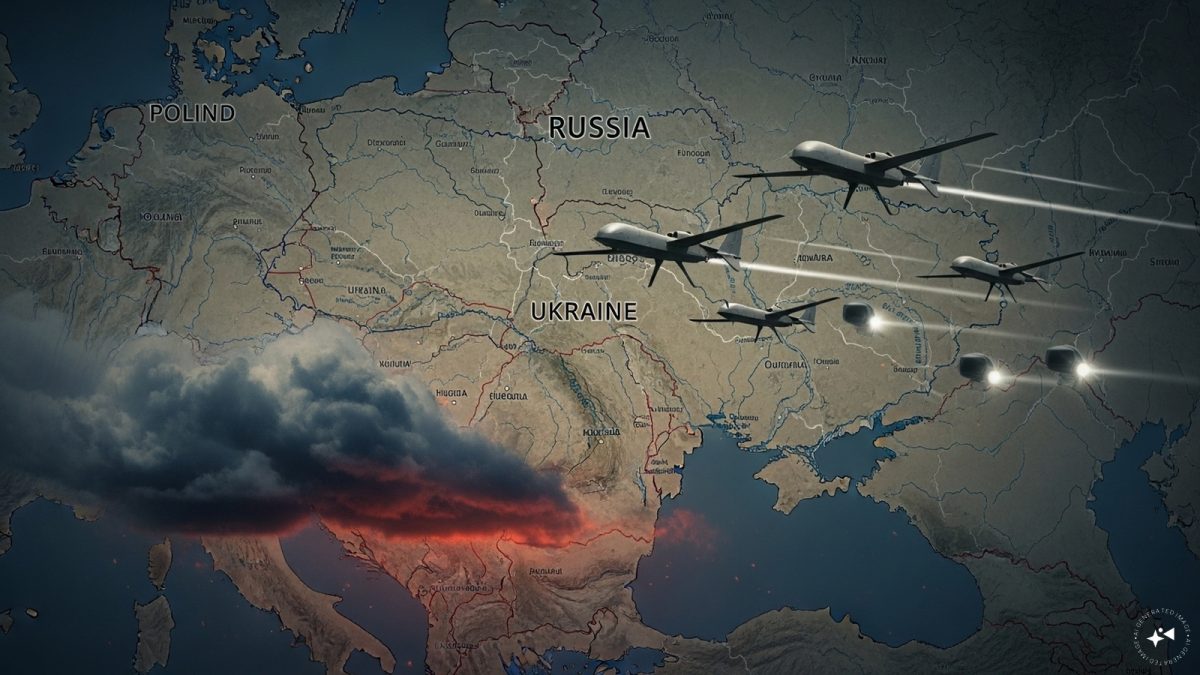 "Russian drones over Poland: Trump’s tepid reaction a wake-up call for Nato?")
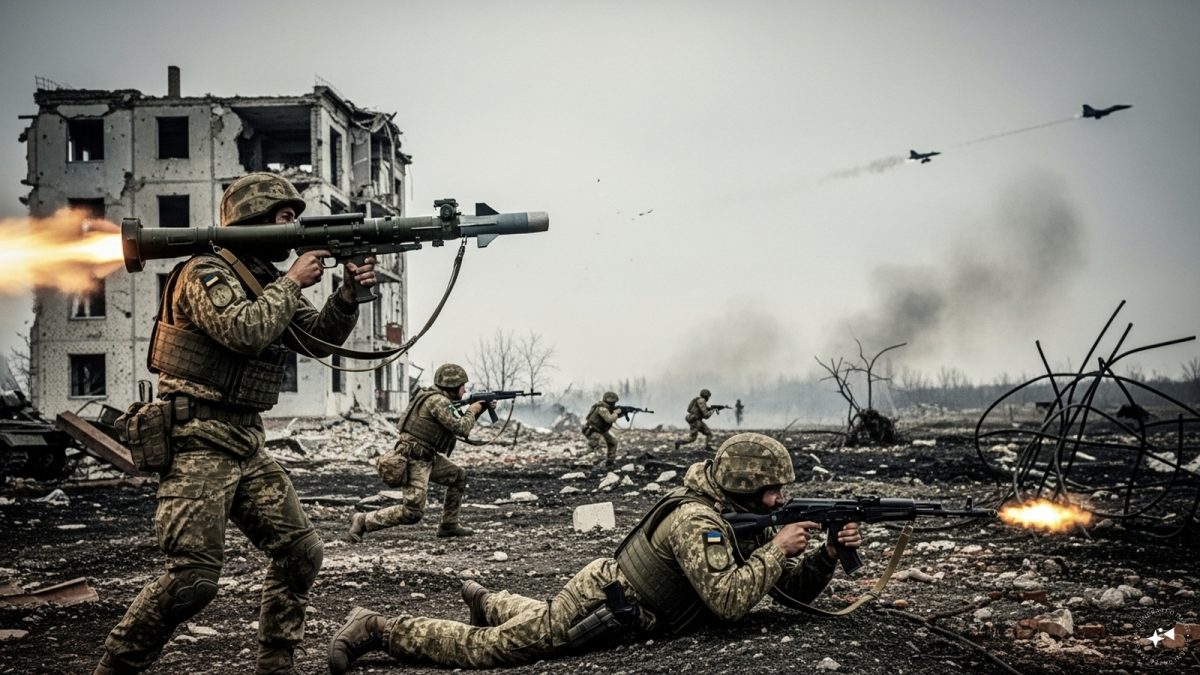 "As Russia pushes east, Ukraine faces mounting pressure to defend its heartland")
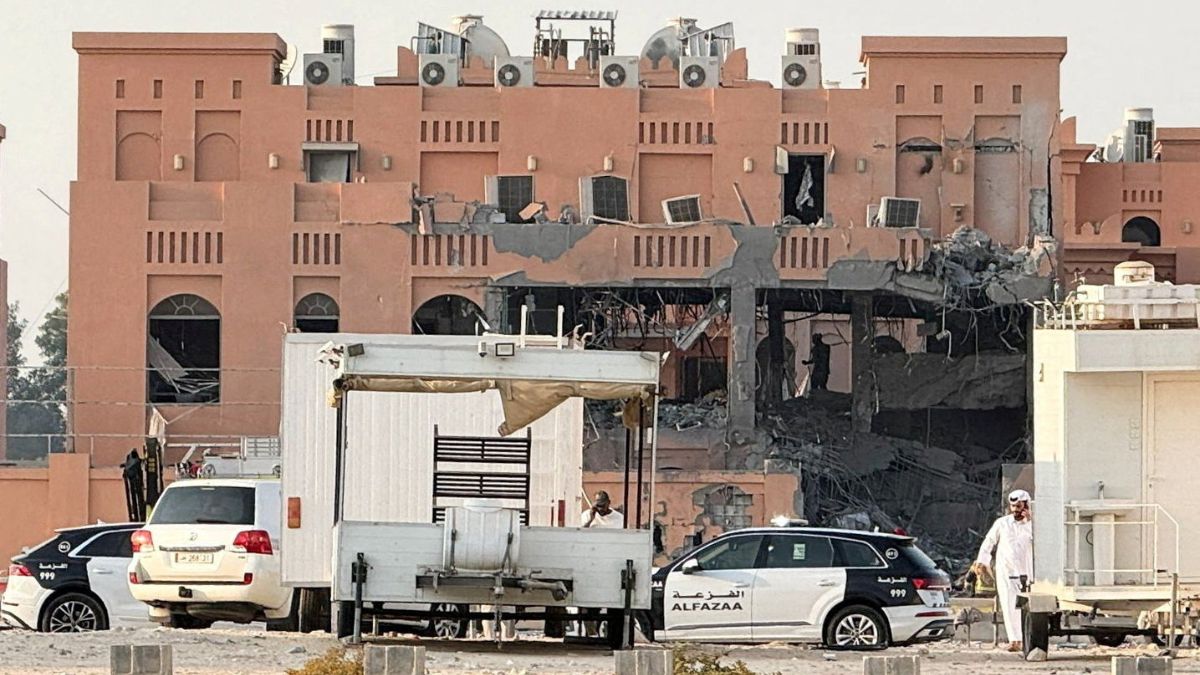 "Why Mossad was not on board with Israel’s strike on Hamas in Qatar")
 "Turkey: Erdogan's police arrest opposition mayor Hasan Mutlu, dozens officials in corruption probe")



