

 "From Fat Man to Sentinel, why is America still expanding its nuclear weapon programme?")
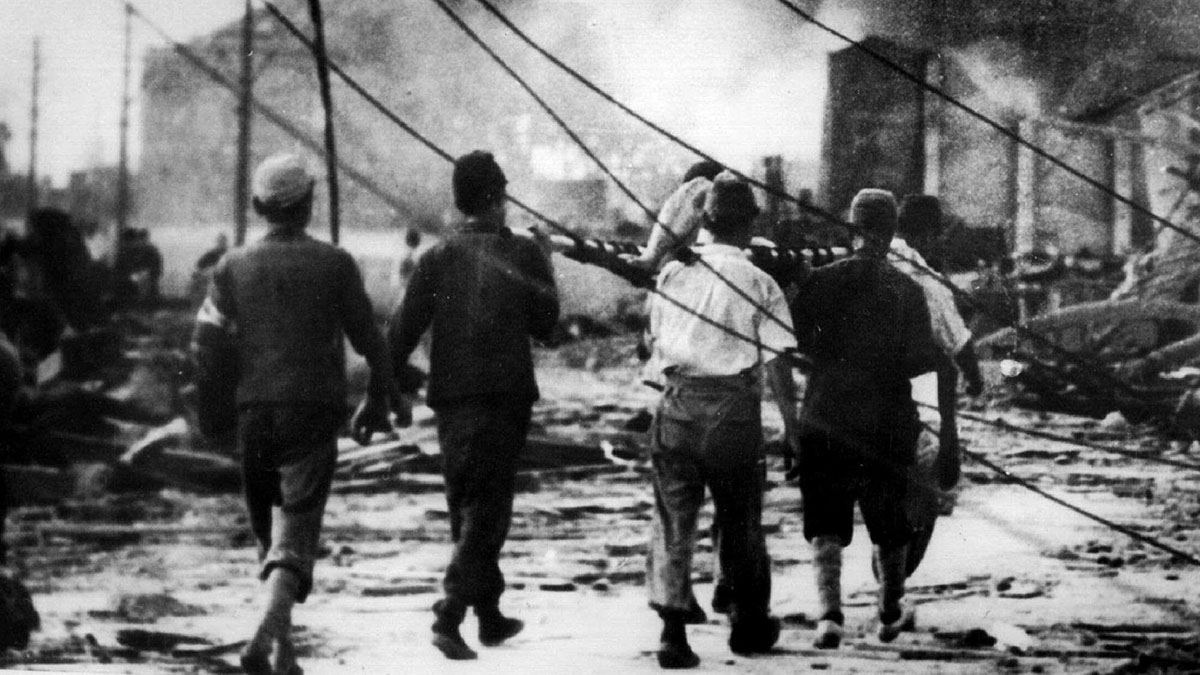
A “Little Boy” and a “Fat Man” continue to terrorise the world, 79 years after they brought devastation to Hiroshima and Nagasaki, two Japanese cities, killing scores of people and leaving generations to suffer their cascading effects. On August 9, 1945, the United States dropped the bomb, nicknamed “Fat Man” — a plutonium implosion-type bomb. It exploded over Nagasaki at 11:02 am, causing widespread devastation. Hiroshima had been bombed three days earlier.
The immediate explosion killed an estimated 40,000 people in Nagasaki, and tens of thousands more died later from injuries and radiation sickness. The twin bombings on Japan, forcing it to surrender in 1945 and bringing an end to World War II, also brought a realisation of the dangers that nuclear bombs posed to humanity.
While the horrors of Hiroshima and Nagasaki are etched in collective memory, the current trajectory of American nuclear policy reveals a troubling commitment to modernising and expanding its arsenal, a decision fraught with ethical, strategic, and financial implications.
However, despite all talks of scaling down the threats that nuclear bombs pose to the world, the weaponry has only evolved through the past eight decades. It may be time to examine the evolution from the infamous “Fat Man” bomb to the contemporary Sentinel programme of the US, exploring the reasons and consequences of this persistent expansion.
The legacy of Fat Man
The bombing of Nagasaki signalled the destructive potential of nuclear weapons. The use of nuclear weapons in Japan hastened the end of World War II but also unleashed a Pandora’s box of nuclear proliferation and arms races that would dominate global security concerns for decades.
Impact Shorts
More ShortsFast forward nearly 80 years, and the United States remains deeply invested in its nuclear arsenal, not merely maintaining it but actively expanding and modernising it. The question arises: why, in an era of heightened awareness of the catastrophic consequences of nuclear warfare, is America still committed to such expansion?
Let’s go back to an often ignored comment that Donald Trump made as the US president before his July 2018 summit with Russia’s President Vladimir Putin in Finland’s capital Helsinki. Before meeting Putin, Trump apparently expected that the summit could bring the two countries with reportedly almost 90 per cent of the total nuclear warheads (according the Stockholm International Peace Research Institute) to an agreement on averting renewed military and nuclear competition.
The Helsinki talks failed for all practical purposes. It did not produce any agreement on nuclear weapons. And in October 2018, Trump looked very much invested in expanding the US’s nuclear weaponry. “We have far more money than anybody else by far…We will build [the US nuclear arsenal] up until,” Trump said nuclear powers such as Russia and China “come to their senses”.
The Sentinel programme: A modern nuclear imperative?
The Sentinel programme, the latest iteration in America’s nuclear strategy, aims to replace the ageing Minuteman III intercontinental ballistic missiles (ICBMs) with a more advanced and sophisticated missile system. Officially justified as necessary for maintaining the reliability, safety, and effectiveness of the US nuclear deterrent, the programme is emblematic of a broader push to modernise the entire nuclear triad, which includes land-based ICBMs, submarine-launched ballistic missiles, and strategic bombers.
The need for modernisation is often couched in terms of evolving global threats, particularly the rising tensions with nuclear-armed states like Russia and China. Proponents argue that the credibility of the US nuclear deterrent hinges on having a state-of-the-art arsenal capable of responding to any potential threat. The Sentinel missiles, with their purported improvements in accuracy, range, and survivability, are seen as vital to this strategy.
However, this rationale is not without its critics. The estimated cost of the Sentinel programme, already 81% over its original budget, has reached staggering proportions, with projections nearing $141 billion. Critics argue that such astronomical expenditure is not only unnecessary but also dangerously escalatory in a world already teetering on the edge of nuclear conflict.
There are financial costs, even for the US, and also ethical costs
The financial burden of the Sentinel programme is significant, but it is only one part of a broader $2 trillion plan to overhaul America’s nuclear capabilities. This massive investment raises crucial questions about priorities, especially when weighed against other pressing national and global challenges such as climate change, healthcare, and poverty. The opportunity cost of this nuclear buildup is immense, diverting resources from areas that could arguably contribute more to human security and well-being.
Ethically, the expansion of nuclear capabilities is deeply troubling. The continued development and deployment of ICBMs increase the risk of accidental nuclear war. The logic of “use them or lose them” that underpins ICBMs heightens the potential for catastrophic miscalculations, where a false alarm could trigger a devastating nuclear exchange.
Moreover, the influence of the nuclear weapons lobby cannot be ignored. Contractors like Northrop Grumman, which by the way is developing the Sentinel missiles, stand to gain enormously from this programme, and their lobbying efforts have ensured that political support for nuclear modernisation remains robust. The revolving door between the Pentagon, Congress, and the defence industry further entrenches this cycle, making it difficult for alternative voices advocating for disarmament or even a reassessment of nuclear policy to gain traction.
It’s game up strategic one-up-manship
The strategic rationale for modernising the US nuclear arsenal is not without merit. In a world where nuclear threats are real, maintaining a credible deterrent is seen by many as essential. However, the expansion of the nuclear arsenal also carries significant risks. It sends a message to other nuclear-armed states that the arms race is far from over, potentially spurring them to enhance their own arsenals. This could lead to a new era of nuclear brinkmanship, where the margin for error is perilously thin.
There are nine widely recognised nuclear weapon powers, including Israel, Pakistan and North Korea. Any one of these countries is practically capable of causing severe damage to the world. The recent alignment of traditional nuclear powers such as Russia and China (which already has Pakistan in its grip) with a so-called “rogue state” North Korea only heightens the threat perception over growing nuclear arsenal across continents amid worsening international ties and gathering pace of multilateral groupings.
Isn’t it a t time to call for reassessment?
As the world remembers the tragic events of Nagasaki on this day, it is imperative to question the wisdom of the world’s leading power, America’s ongoing expansion of its nuclear arsenal. The Sentinel programme, while touted as necessary for national security, represents a continuation of a dangerous trajectory that began with the development of the atomic bomb.
In a world facing existential threats from multiple fronts, from climate change to pandemics, the prioritisation of nuclear weapons over other forms of security and well-being comes as a cause for concern. It may be time for the US and other powers — more particularly America as no other power has used a nuclear bomb ever — to reassess its nuclear strategy, considering not only the financial and ethical costs but also the long-term implications for global security. The lessons of Nagasaki continue to serve as a powerful reminder of the devastating consequences of nuclear weapons and the urgent need to prevent their use at all costs.


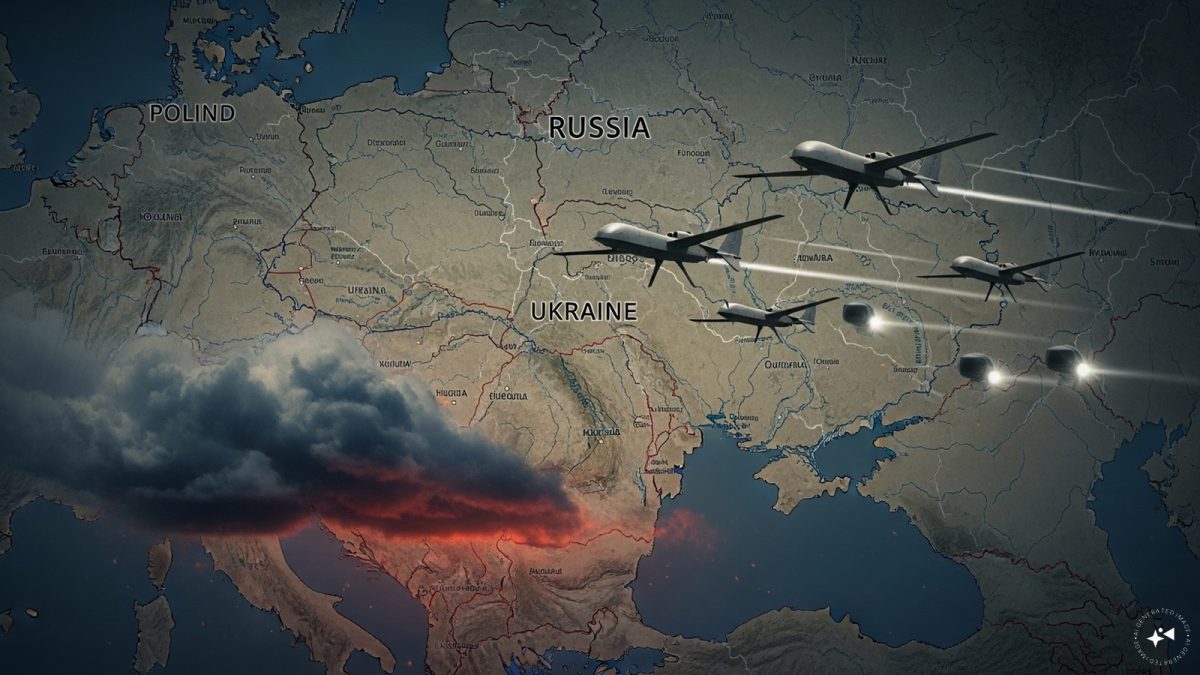 "Russian drones over Poland: Trump’s tepid reaction a wake-up call for Nato?")
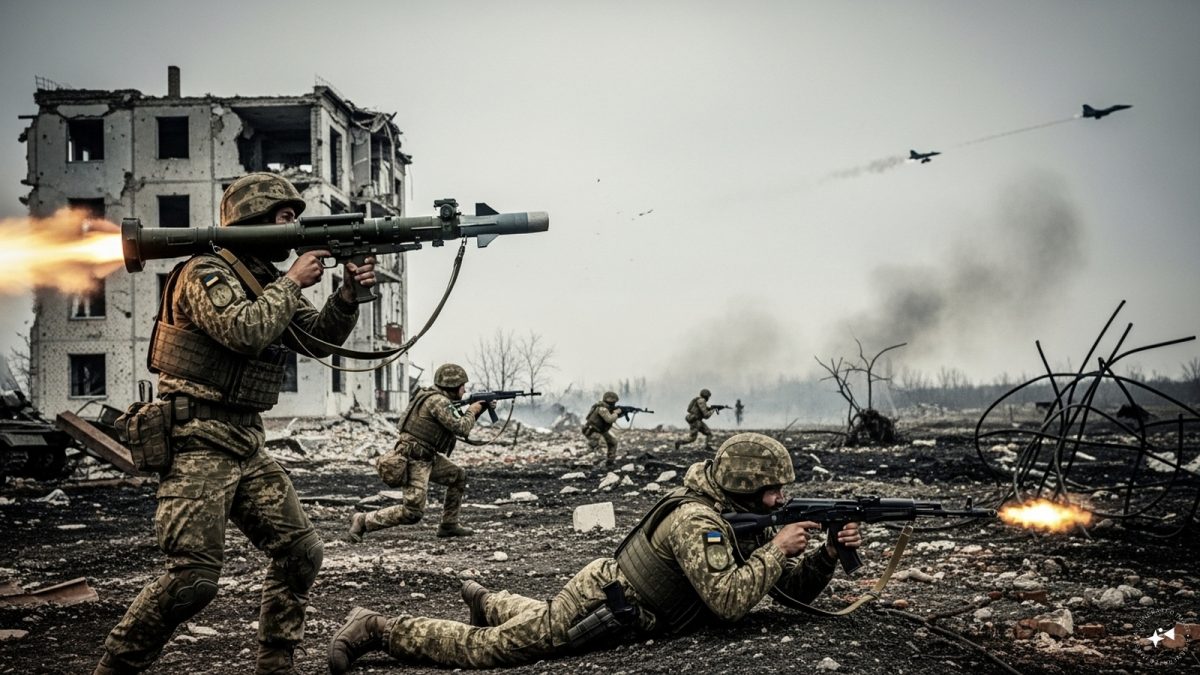 "As Russia pushes east, Ukraine faces mounting pressure to defend its heartland")
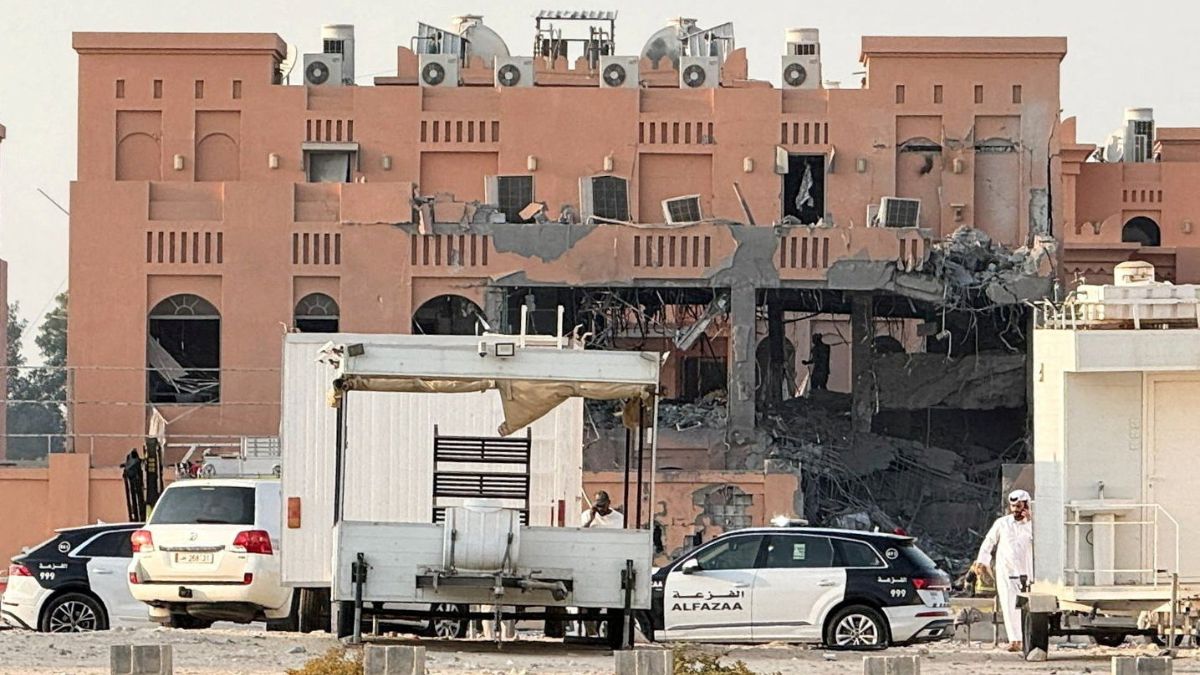 "Why Mossad was not on board with Israel’s strike on Hamas in Qatar")
 "Turkey: Erdogan's police arrest opposition mayor Hasan Mutlu, dozens officials in corruption probe")
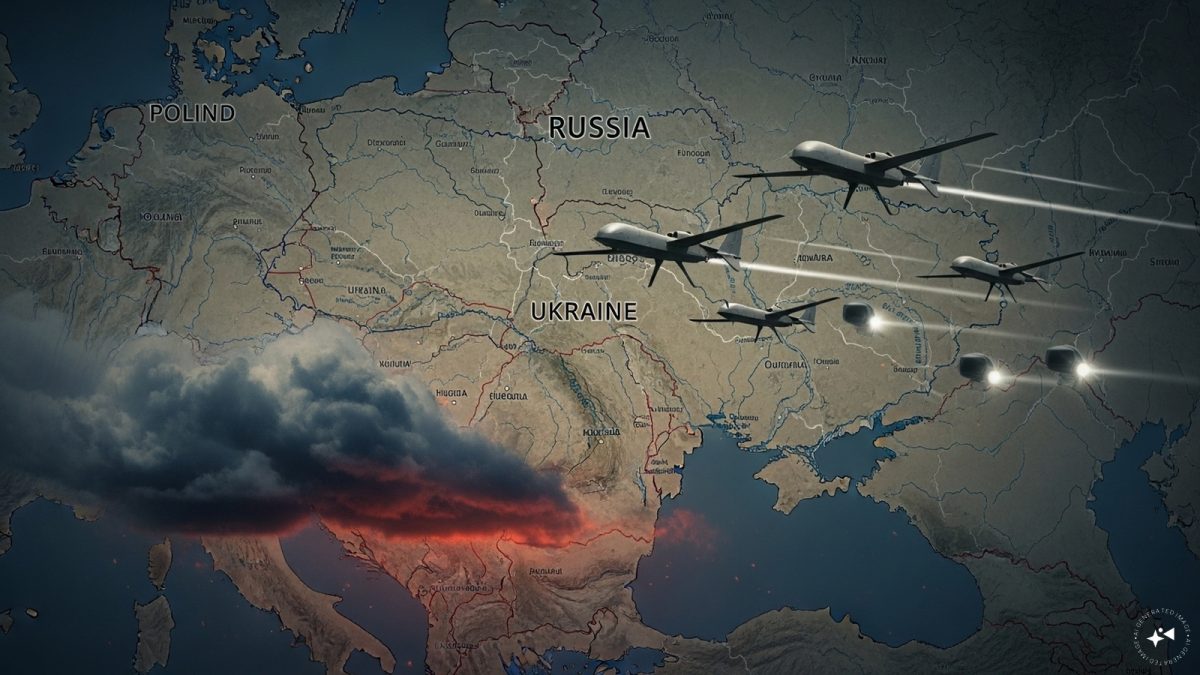 "Russian drones over Poland: Trump’s tepid reaction a wake-up call for Nato?")
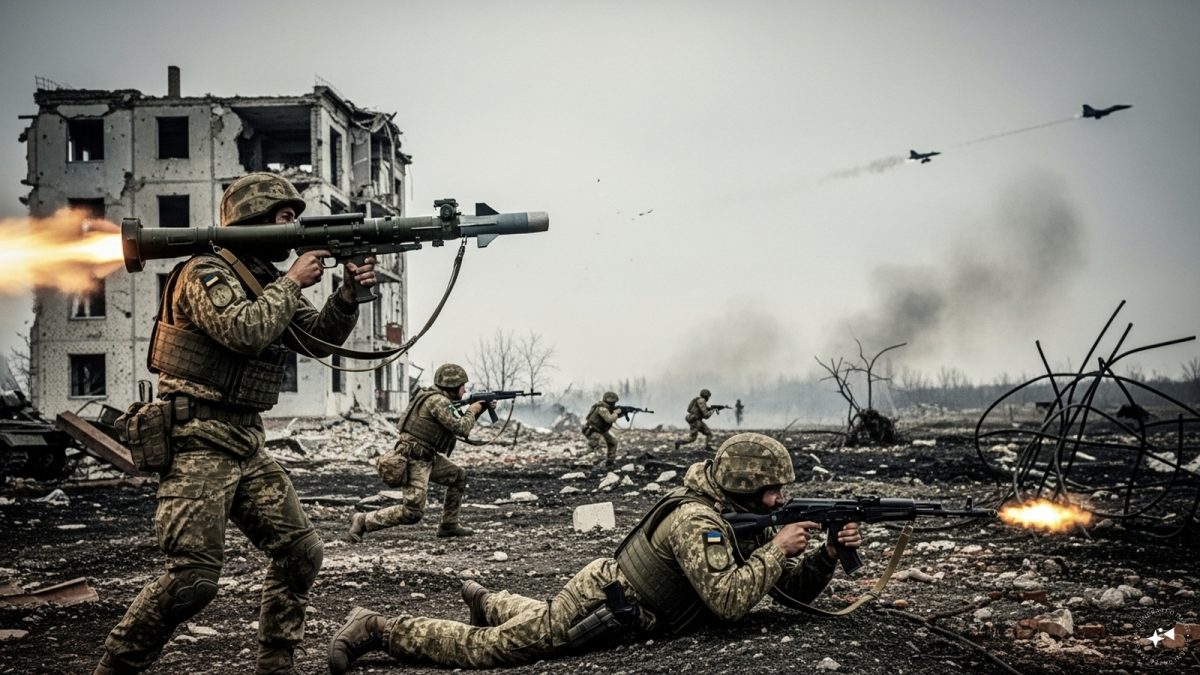 "As Russia pushes east, Ukraine faces mounting pressure to defend its heartland")
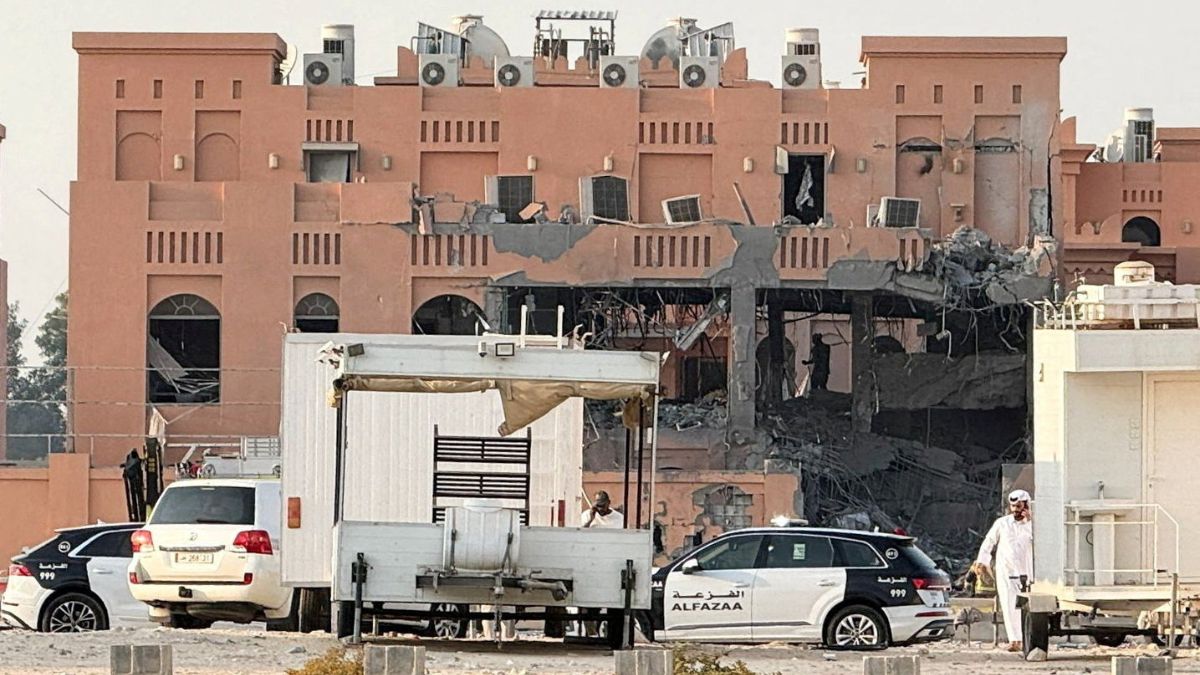 "Why Mossad was not on board with Israel’s strike on Hamas in Qatar")
 "Turkey: Erdogan's police arrest opposition mayor Hasan Mutlu, dozens officials in corruption probe")



