

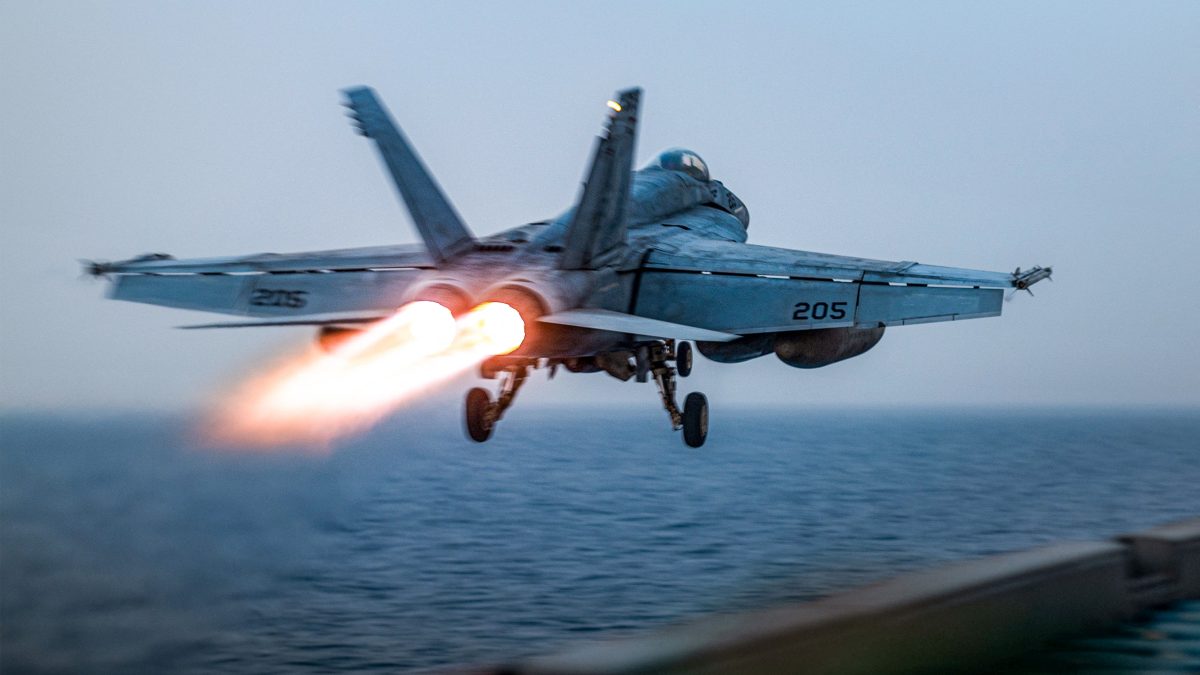
 "F-16’s footprints grow in China’s neighbourhood, at least 6 countries fly them or have ordered from US")
At least six nations across the Western Pacific have either deployed or placed orders for American-made F-16 fighter jets, including Taiwan and the Philippines—countries facing mounting military pressure from China, according to reports.
The US State Department has said it is taking “decisive actions” to support its Indo-Pacific allies and partners in response to emerging threats. Meanwhile, the Chinese Embassy in Washington, DC, accused the US of fuelling “military confrontation” in the region.
Despite first taking flight in 1974, the F-16—also known as the Fighting Falcon—continues to enjoy global demand. According to Lockheed Martin, the jet’s manufacturer, over 3,100 F-16s are currently in use across 28 nations, with the fleet accumulating approximately 19.5 million flight hours and over 13 million sorties.
The latest iteration of the aircraft, the F-16 Block 70/72 is described by Lockheed Martin as the most advanced among fourth-generation fighters. The company has received orders for 114 units of the upgraded jet from Bahrain, Slovakia, Bulgaria, Taiwan, Jordan and an undisclosed customer.
A senior Chinese defence official recently reiterated Beijing’s opposition to US arms sales to Taiwan, warning of further consequences if Washington proceeds with longstanding Taiwanese requests for advanced fighter aircraft.
Recently, defence ministry spokesman Huang Xueping urged the U.S. to “speak and act cautiously” to prevent further strain in bilateral ties. He also reaffirmed previous threats to suspend military exchanges, although specific retaliatory measures were not disclosed.
Impact Shorts
More ShortsBeijing has historically responded to US arms deals with Taiwan by cancelling high-level military meetings and imposing sanctions on American defence firms involved in the transactions. China considers self-governed Taiwan a breakaway province and denounces President Lai Ching-te as a separatist. Lai, elected last year, has consistently rejected Beijing’s claims, asserting that Taiwan’s future can only be decided by its citizens.
In recent weeks, Chinese officials and state media have strongly objected to a $6.4 billion US arms deal for Taiwan, which includes Black Hawk helicopters, communication systems, and 114 Patriot missiles.
In the broader region, China’s expansive claims over the South China Sea—based on historical maps—remain a major source of friction with neighbouring claimants such as Brunei, Malaysia, the Philippines, Taiwan, and Vietnam.
South Korea, a key US ally in Northeast Asia, ranks as the second-largest F-16 user in the region, with 180 aircraft ordered. Last month, during a joint drill with the US, two South Korean KF-16s—locally assembled variants—accidentally released eight bombs short of their target, injuring civilians and military personnel and damaging residential property.
Southeast Asia is also home to three F-16 operators—Indonesia, Singapore, and Thailand—all located near the contested South China Sea. Singapore maintains a fleet of 62 F-16s, according to F-16.net, while Thailand has acquired 52 jets from the US and received seven additional aircraft from Singapore.
Indonesia has obtained a total of 36 jets from two separate orders, including 24 second-hand aircraft previously flown by the US Air Force.
The Philippines, a US treaty ally, is set to become the latest addition to the list of F-16 operators. Washington has approved Manila’s request to purchase 20 fighter jets and associated weaponry in a $5.6 billion deal.


 "Russian drones over Poland: Trump’s tepid reaction a wake-up call for Nato?")
 "As Russia pushes east, Ukraine faces mounting pressure to defend its heartland")
 "Why Mossad was not on board with Israel’s strike on Hamas in Qatar")
 "Turkey: Erdogan's police arrest opposition mayor Hasan Mutlu, dozens officials in corruption probe")
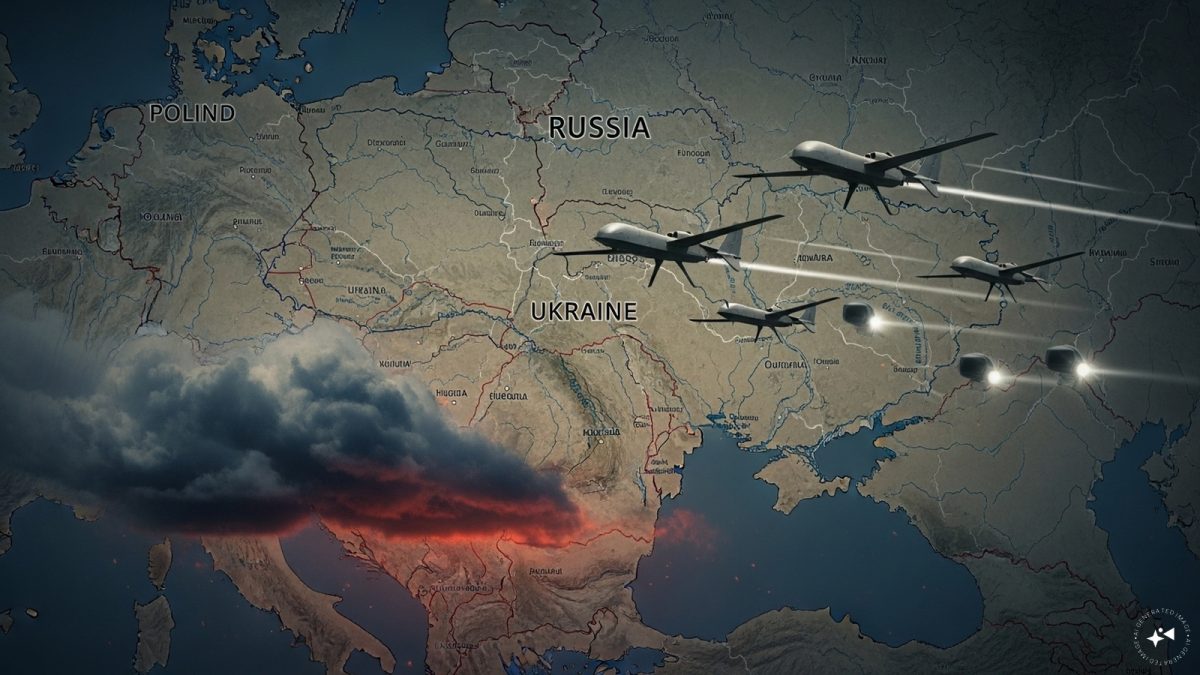 "Russian drones over Poland: Trump’s tepid reaction a wake-up call for Nato?")
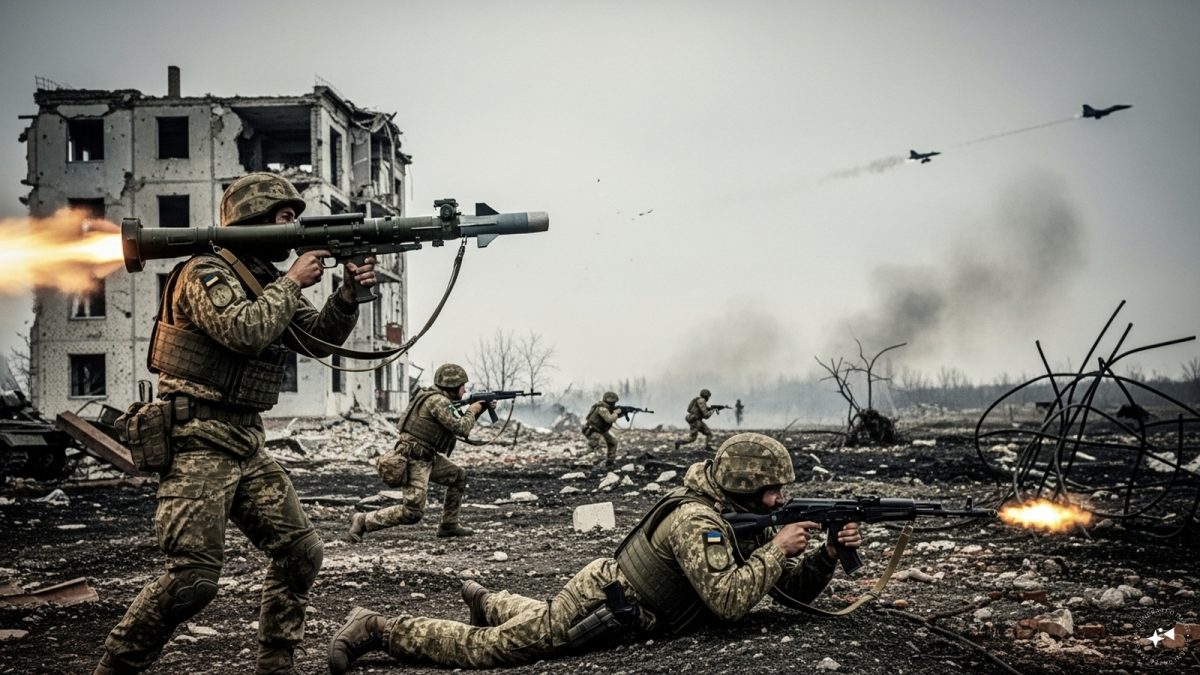 "As Russia pushes east, Ukraine faces mounting pressure to defend its heartland")
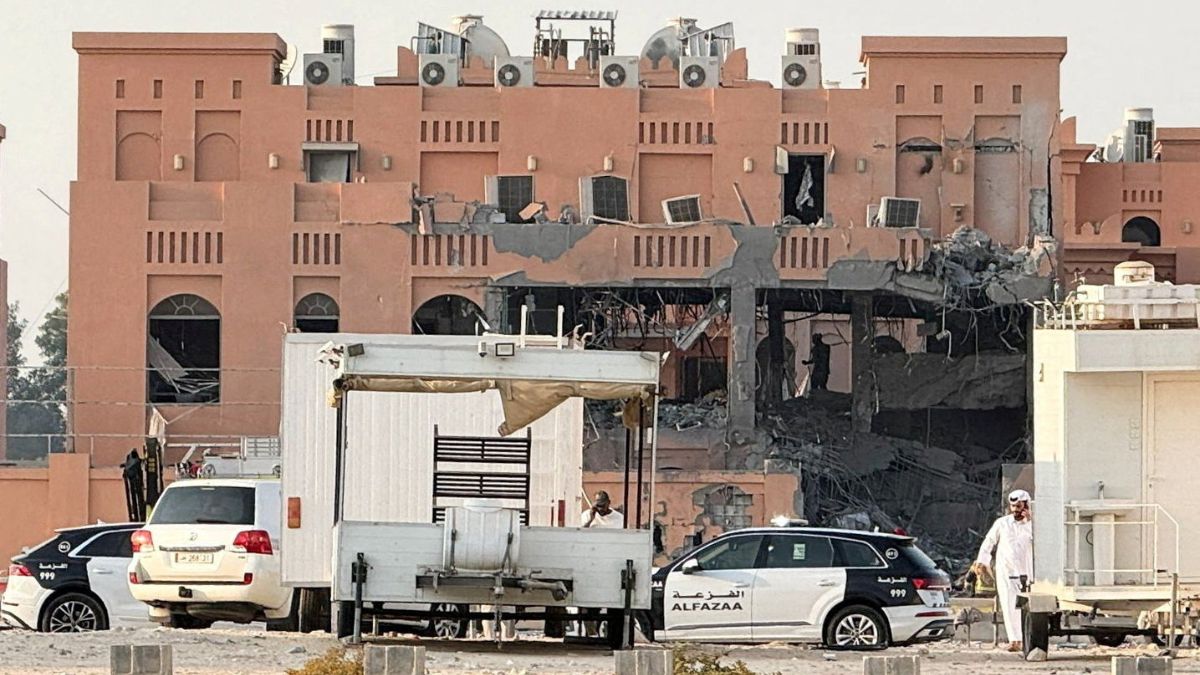 "Why Mossad was not on board with Israel’s strike on Hamas in Qatar")
 "Turkey: Erdogan's police arrest opposition mayor Hasan Mutlu, dozens officials in corruption probe")



