"EU proposes 20th sanctions package against Russia ahead of Ukraine war anniversary")
The European Commission on Friday proposed a new package of sanctions against Russia, expanding restrictions on the country’s energy sector, banking system, and trade in goods and services, as the European Union seeks to intensify pressure on Moscow.
Announcing the measures, European Commission President Ursula von der Leyen said the bloc must maintain pressure on Russia to influence its behaviour, even as diplomatic efforts continue.
“As important peace talks are underway in Abu Dhabi, we must be clear-eyed: Russia will only come to the table with genuine intent if it is pressured to do so. This is the only language Russia understands,” Politico quoted von der Leyen as saying in a statement.
The proposed 20th round of EU sanctions includes a full ban on maritime services for Russian crude oil and targets an additional 43 vessels linked to Russia’s so-called shadow fleet. The package also seeks to prohibit the provision of maintenance and other services for liquefied natural gas tankers and icebreakers, a move aimed at further constraining Russian gas export projects by preventing their access to European ports.
In addition, the sanctions would impose new import bans on Russian metals, chemicals and critical minerals, while tightening export controls on goods and technologies used in Russia’s military effort, including materials involved in the production of explosives.
The package also lists 20 additional Russian regional banks, along with several banks in third countries that are seen as facilitating trade in goods subject to sanctions.
Von der Leyen said a 24 per cent drop in Russian oil and gas revenues last year, to their lowest level since 2020, showed that the sanctions were having an impact.
Quick Reads
View All“We will continue to use them until Russia engages in serious negotiations with Ukraine for a just and lasting peace,” she was quoted as saying.
The measures would require approval from EU member states to come into force, with the bloc aiming to finalise an agreement ahead of February 24, marking four years since what the EU describes as Russian President Vladimir Putin’s war of aggression against Ukraine.
The proposal follows a round of trilateral talks involving Ukrainian, US and Russian negotiators held this week in Abu Dhabi, during which Ukraine and Russia agreed to exchange 314 prisoners of war.
With inputs from agencies

 "India, Israel elevate ties to special strategic partnership; PM Modi calls it ‘reflection of aspirations of both nations’")
 "India vs Zimbabwe LIVE Score, T20 World Cup 2026: Abhishek-Kishan stand goes past fifty, India in complete control")
 "Who is Borge Brende, World Economic Forum chief who quit over Epstein files?")
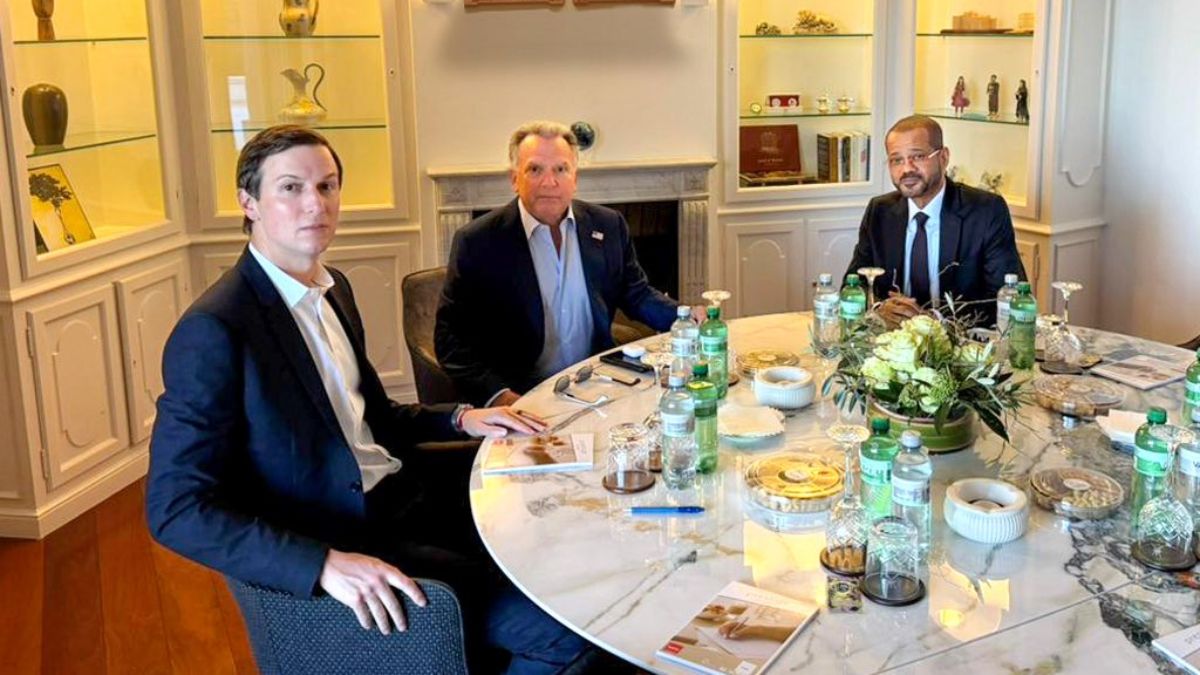 "US-Iran tension: Third round of nuclear talks begin in Geneva — can it avoid war?")
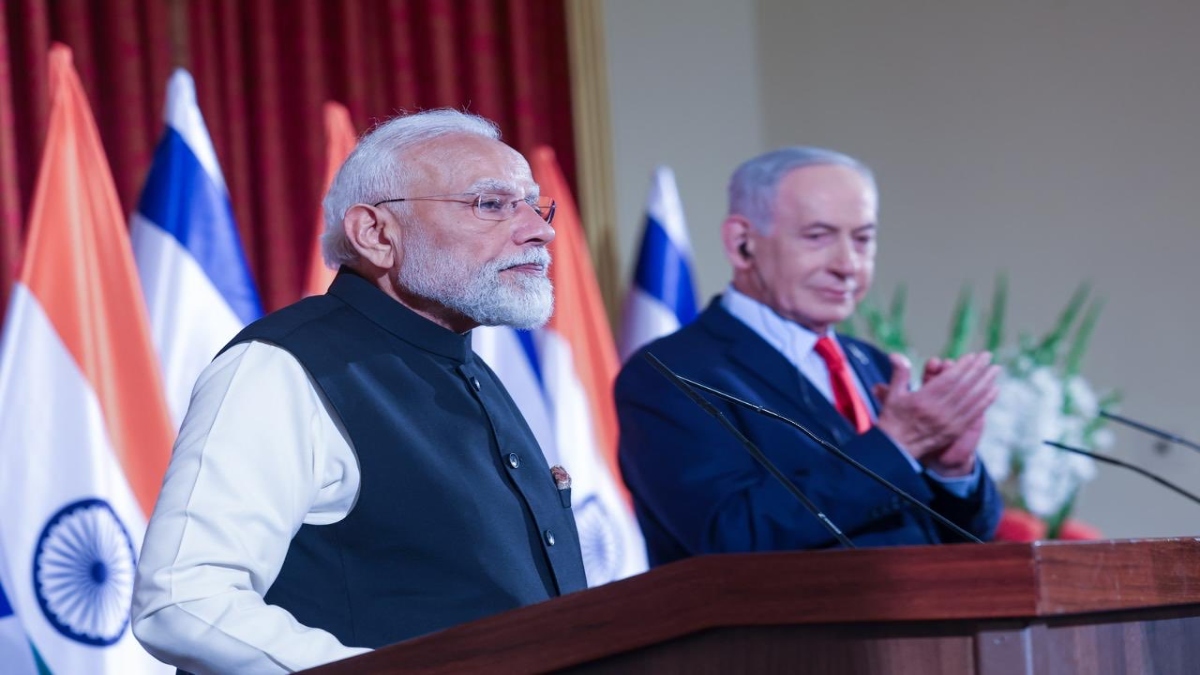 "India, Israel elevate ties to special strategic partnership; PM Modi calls it ‘reflection of aspirations of both nations’")
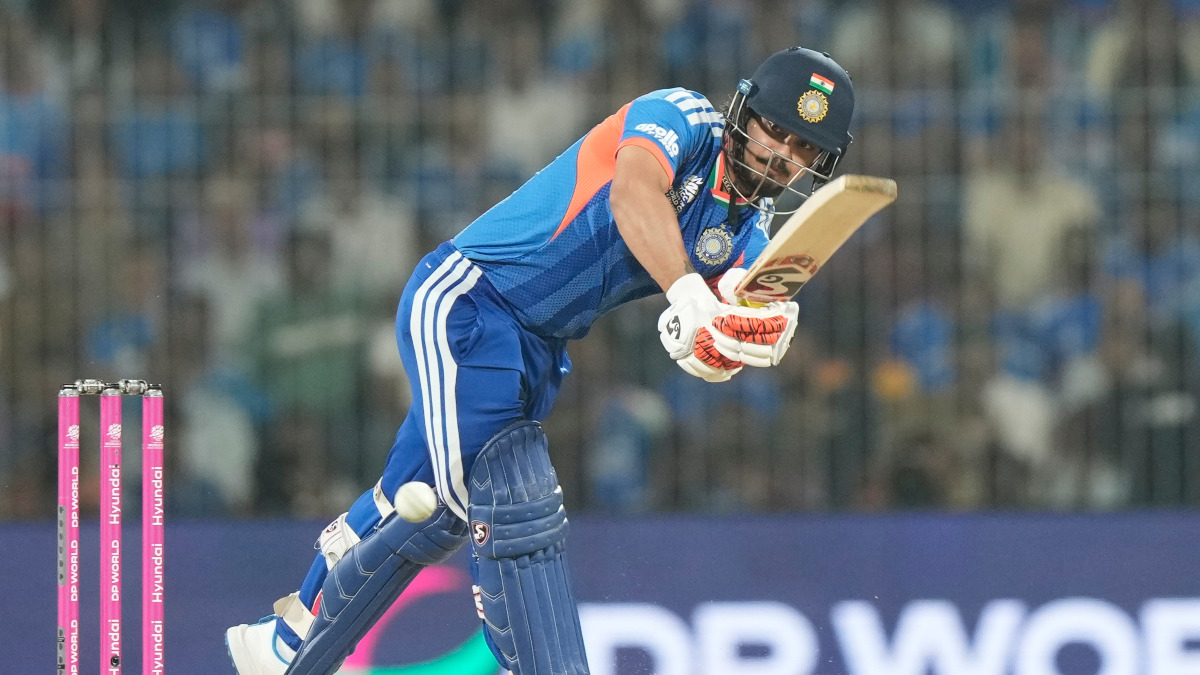 "India vs Zimbabwe LIVE Score, T20 World Cup 2026: Abhishek-Kishan stand goes past fifty, India in complete control")
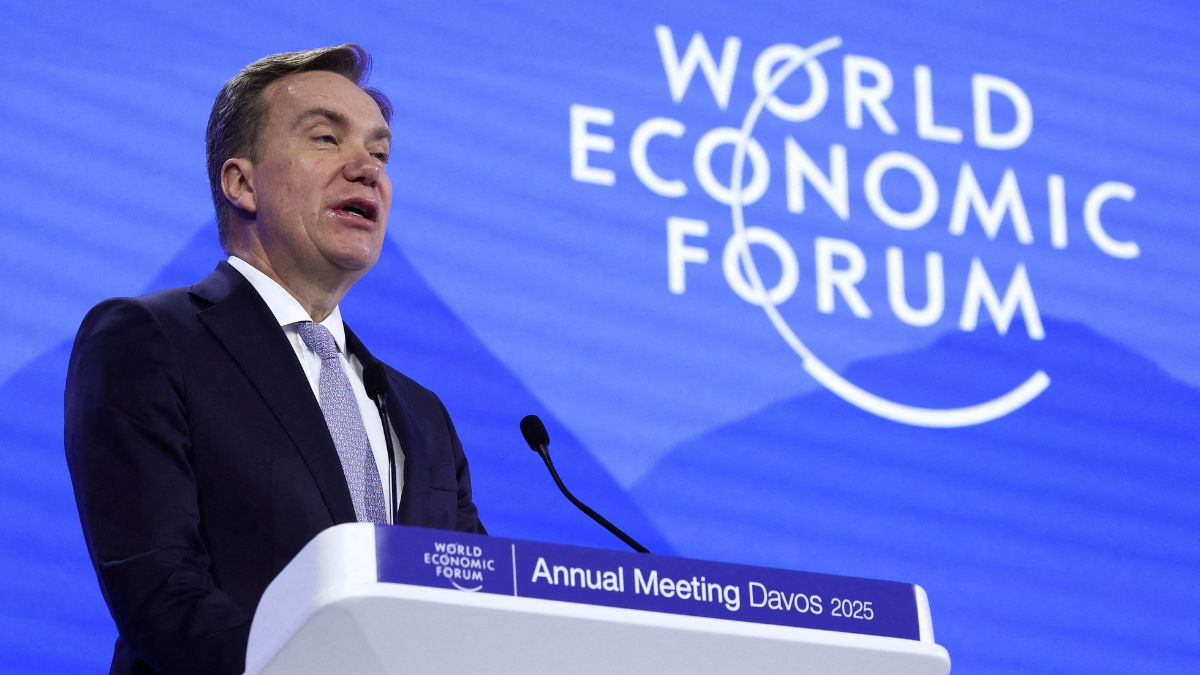 "Who is Borge Brende, World Economic Forum chief who quit over Epstein files?")
 "US-Iran tension: Third round of nuclear talks begin in Geneva — can it avoid war?")