

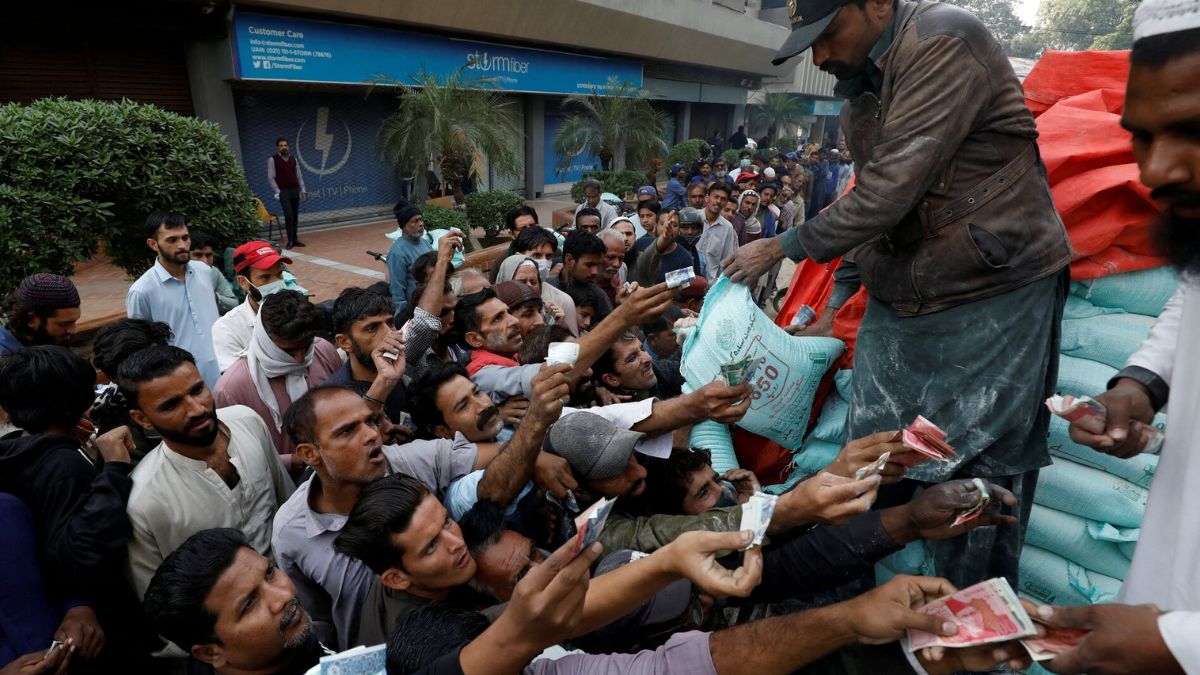
 "Economic crisis-hit Pakistan on track to become world's third-most populous country")
Pakistan is projected to become the third-most populous country in the world by mid-century. Currently the fifth-most populous nation in the world, United Nations forecast expects it to swiftly surpass countries like the United States and Indonesia to climb to the third spot- just below India and China.
Pakistan, due to its relatively high fertility rate, and the high and population momentum, it is expected to continue growing while other countries, like China and the US, experience slower growth or even population decline.
On average, women in Pakistan are having more than 3 children– resulting in the addition to the population (birth rate) surpassing the reduction (death rate) in the country.
A large population is a double-edged sword. For nations like China and India, it has helped increase domestic consumption. That means that the demand for goods and services domestically is quite high, allowing a lot of room for industries to grow and mature. All in all, it has been a major contributor to these countries’ swift economic growth.
However, for Pakistan, a country whose economy is already struggling to the extent that it is heavily reliant on international loans, population spurt may not lead to a dream scenario.
Impact Shorts
More ShortsA young, growing population can provide a large labor force, which, if properly educated and employed. However, Pakistan already faces high unemployment and underemployment rates. A growing population will exacerbate this problem if the economy does not generate enough jobs to absorb the new entrants into the workforce.
As the population grows, the demand for food and energy will increase, too. In Pakistan, frequent energy shortages and food inflation are not news. That has been the situation since the economic crisis in the country began in 2022 in the aftermath of devastating floods.
With inputs from agencies


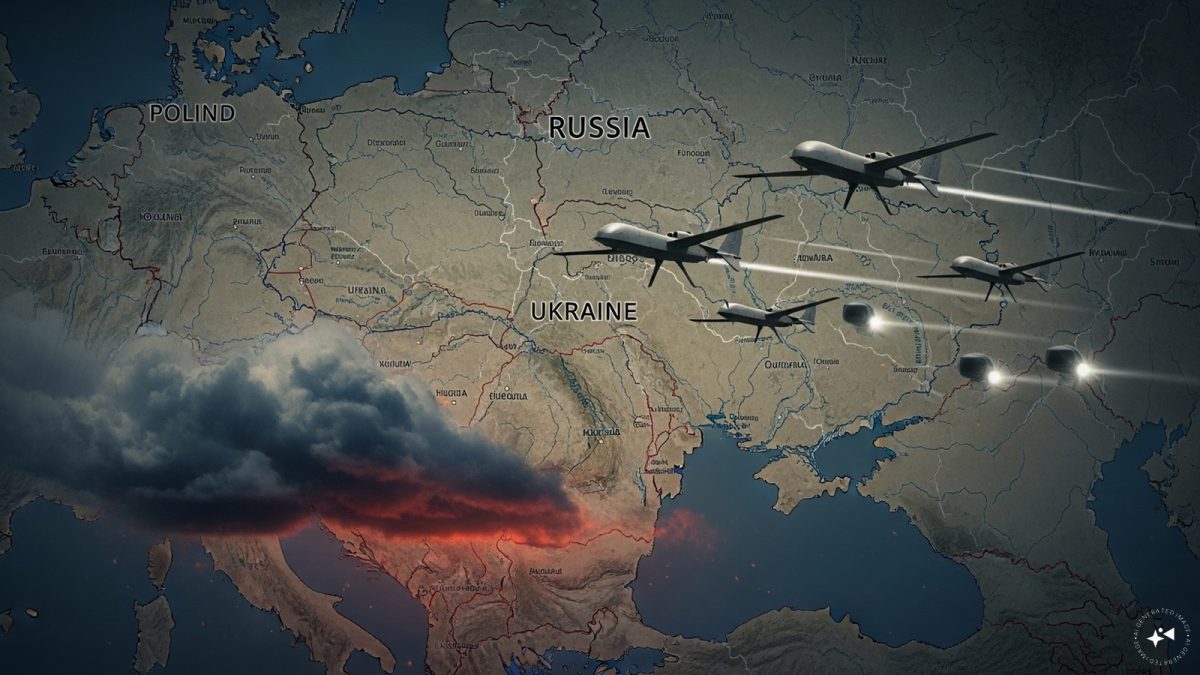 "Russian drones over Poland: Trump’s tepid reaction a wake-up call for Nato?")
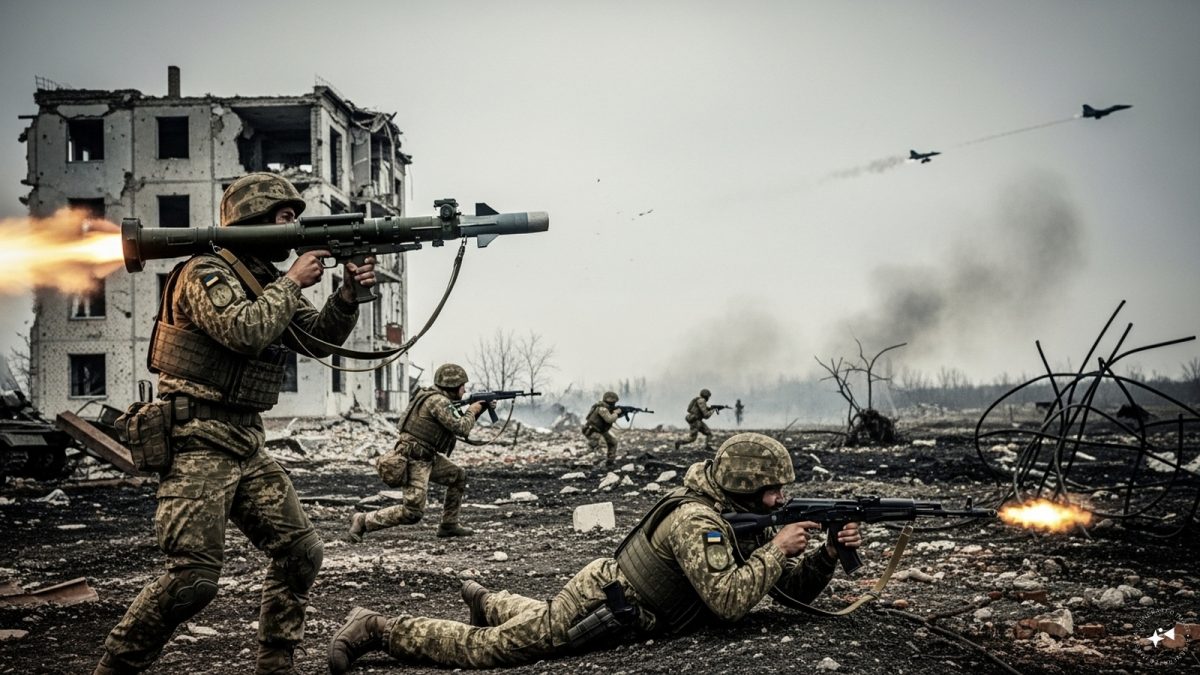 "As Russia pushes east, Ukraine faces mounting pressure to defend its heartland")
 "Why Mossad was not on board with Israel’s strike on Hamas in Qatar")
 "Turkey: Erdogan's police arrest opposition mayor Hasan Mutlu, dozens officials in corruption probe")
 "Russian drones over Poland: Trump’s tepid reaction a wake-up call for Nato?")
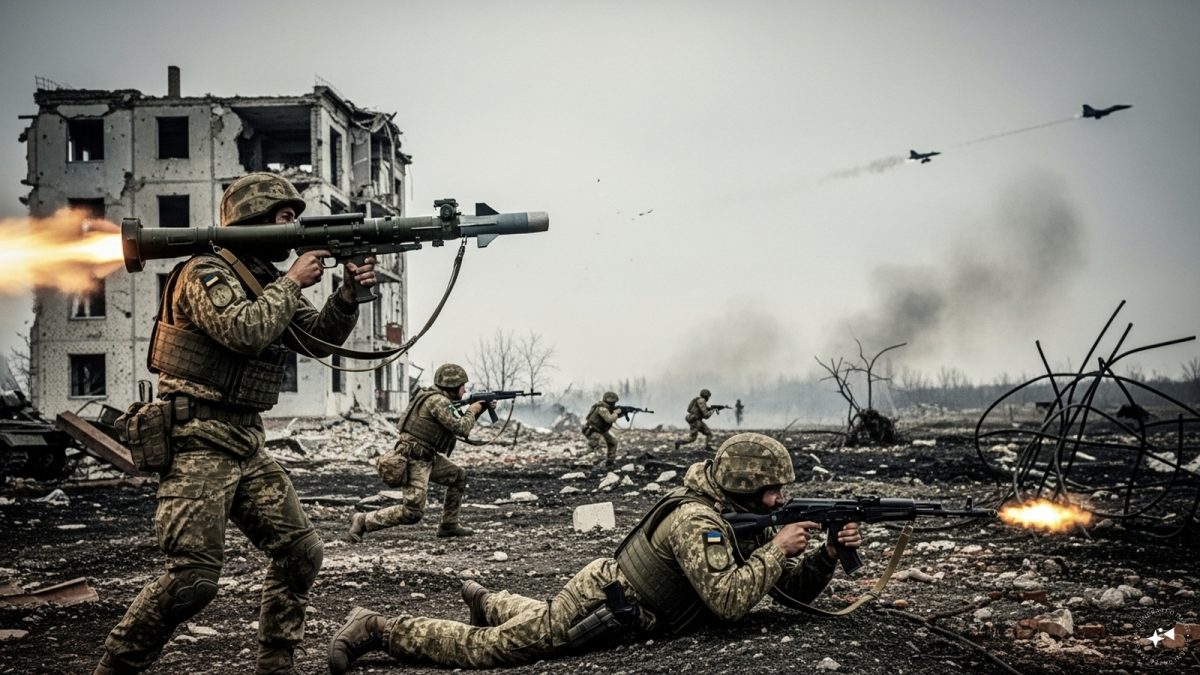 "As Russia pushes east, Ukraine faces mounting pressure to defend its heartland")
 "Why Mossad was not on board with Israel’s strike on Hamas in Qatar")
 "Turkey: Erdogan's police arrest opposition mayor Hasan Mutlu, dozens officials in corruption probe")



