

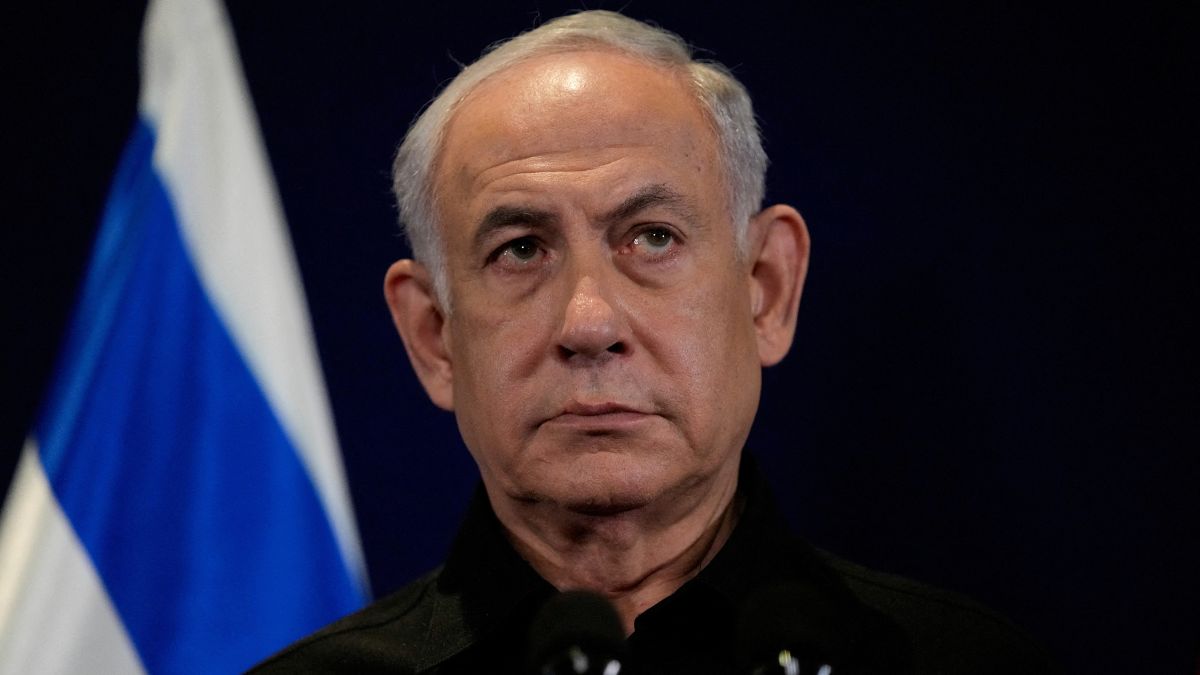
 "Do Israel and its adversaries have insatiable thirst for revenge?")
The recent killings of Hamas leaders Ismail Haniyeh (outfit’s political chief) in Iran and Mohammed Deif (military chief) in Gaza, and that of Hezbollah commander Fuad Shukr in Lebanon have cast a shadow over the already volatile West Asian politics. Israel has claimed responsibility for operations in Gaza and Lebanon, and is speculated by credible West Asia observers to have carried out the Tehran assassination of Haniyeh. These developments are likely to have far-reaching consequences, heightening tensions and escalating conflicts in the region.
Of all, the killing of Haniyeh, who was in Tehran for the inauguration of Iran’s President Masoud Pezeshkia, has not only embarrassed the Iranian regime but has also compelled it to contemplate a response. It is already said to be discussing its response in coordination with Hamas and Hezbollah — both groups backed by Iran in their armed fight against Israel.
Despite Haniyeh not being an Iranian national, the attack in the Iranian capital makes it imperative on Tehran to form a response to save face and reassert control. This delicate balancing act for Iran’s decision-makers is reminiscent of their measured retaliation following Israel’s attack on an Iranian diplomatic compound in Damascus last April. Then, Iran launched a missile and drone barrage designed to send a message without escalating into full-blown war. Whether Iran will adopt a similar approach this time remains to be seen.
The cycle of retaliation
Israel often treats any retaliation against its missile or targeted strike as unprovoked aggression, and comes back with a violent response. This tit-for-tat dynamic risks spiralling into uncontrollable escalation.
Impact Shorts
More ShortsIsrael’s history of targeted assassinations, including those of Iranian nuclear scientists, has proven largely ineffective in halting nuclear advancements. Likewise, the assassination of Haniyeh is unlikely to deter Hamas’s activities in Gaza or elsewhere. Haniyeh was considered a political figure living in exile and some accounts say he had minimal influence on Hamas’s military operations. This also suggested that his assassination would do little more than impede diplomatic efforts and increase regional animosity. But then Israel announced the next day that it had already eliminated Hamas’s military chief Deif in a strike in Gaza.
But this is not new
This cycle of retaliation and counter-retaliation has been going on for decades, without any side resorting to other ways to resolve their differences. Let’s briefly look at notable targeted assassinations and military responses by Israel in West Asia.
Operation Entebbe (1976)
Event: Israel’s commando raid on Entebbe Airport in Uganda following a plane hijack by Palestinian and German militants.
Retaliation: Israeli response contributed to increased global Palestinian terrorism and hijackings.
Assassination of Abu Jihad (1988)
Event: PLO co-founder and military leader Khalil al-Wazir, also known as Abu Jihad, killed in a raid in Tunis, with Israel holding him responsible for numerous attacks against Israelis, including the Coastal Road massacre.
Retaliation: This hit led to further escalation in PLO activities against Israel.
Assassination of Abu Ali Mustafa (2001)
Event: Secretary-general of the Popular Front for the Liberation of Palestine (PFLP) Abu Ali Mustafa killed in Israeli airstrike for orchestrating attacks against Israelis.
Retaliation: PFLP responded by assassinating Israeli Tourism Minister Rehavam Ze’evi.
Assassination of Sheikh Ahmed Yassin (2004)
Event: Israeli airstrike killed the spiritual leader and founder of Hamas Sheikh Ahmed Yassin as it accused him of orchestrating suicide bombings and attacks against Israelis.
Retaliation: Hamas launched numerous rocket attacks on Israeli targets.
Hezbollah Missile Strikes (2006)
Event: Missile attacks on northern Israel during the Second Lebanon War as retaliation for the killing of Imad Mughniyeh.
Counter-retaliation: Israel launched an extensive military campaign in Lebanon.
Assassination of Imad Mughniyeh (2008)
Event: Killed by a car bomb in Damascus, Syria, as Israel held senior Hezbollah military commander Imad Mughniyeh for numerous attacks, including the 1983 Beirut barracks bombings, in which more than 240 American soldiers had been killed.
Retaliation: Hezbollah vowed revenge, including attempts to target Israeli embassies worldwide.
The same approach of retaliation and counter-retaliation has continued through the killings of Hamas military commander Mahmoud al-Mabhouh (2010), Hezbollah operative Samir Kuntar (2015) and the 2023 Hamas attack in Israel in which more than 1,200 were killed. Israel came back with greater force to attack its adversaries, who have often come back to regroup with the support, primarily of Iran, to challenge Israel in West Asia.
The broader implications
These events highlight the ongoing cycle of action and reaction that characterises the Israeli-Palestinian conflict and broader tensions in the region. Each targeted assassination, military response, and retaliation has contributed to a complex and often violent history of conflict in West Asia.
The latest assassinations underscore the same pattern of Israeli actions that often disregard the broader security implications for both Israelis and others in the region.
The recent rocket attack that killed 12 Druze in the Golan Heights is a stark example. Hezbollah denied targeting the soccer ground where these casualties happened. Some independent reports too suggested that it could have been a case of a misdirected Hezbollah ordnance killing the villagers in the Golan Heights. But Israel declared it as an act of aggression by Hezbollah and responded with an aerial attack in Beirut that not only eliminated a Hezbollah figure but also claimed the lives of three civilians and injured several others.
The fact of the matter is that such actions actually do not diminish Hezbollah’s capacity to retaliate against Israel. Instead, they complicate diplomatic efforts aimed at stabilising the Israeli-Lebanese frontier, making an all-out war more probable. This near-automatic recourse to assassination seems partly driven by a national rage, as seen in the Gaza Strip’s ongoing conflict, but there may be more calculated motives at play.
Political power calculations in Israel
Israeli Prime Minister Benjamin Netanyahu’s personal and political agenda could be influencing this relentless pursuit of conflict, say Israel observers. Amid his political and legal troubles, perpetuating a state of war serves to divert attention and maintain a semblance of unity through external threats.
The constant Israeli antagonism towards Iran, coupled with Netanyahu’s attempts to involve the United States in a potential conflict with Iran, aims to shift the burden of military action onto American forces. This strategy of a thriving thirst for revenge allows Israeli leadership to derive political benefit from the fallout while minimising their own risks and costs. This might explain why Israel seems to show an insatiable thirst for vengeance.


 "Russian drones over Poland: Trump’s tepid reaction a wake-up call for Nato?")
 "As Russia pushes east, Ukraine faces mounting pressure to defend its heartland")
 "Why Mossad was not on board with Israel’s strike on Hamas in Qatar")
 "Turkey: Erdogan's police arrest opposition mayor Hasan Mutlu, dozens officials in corruption probe")
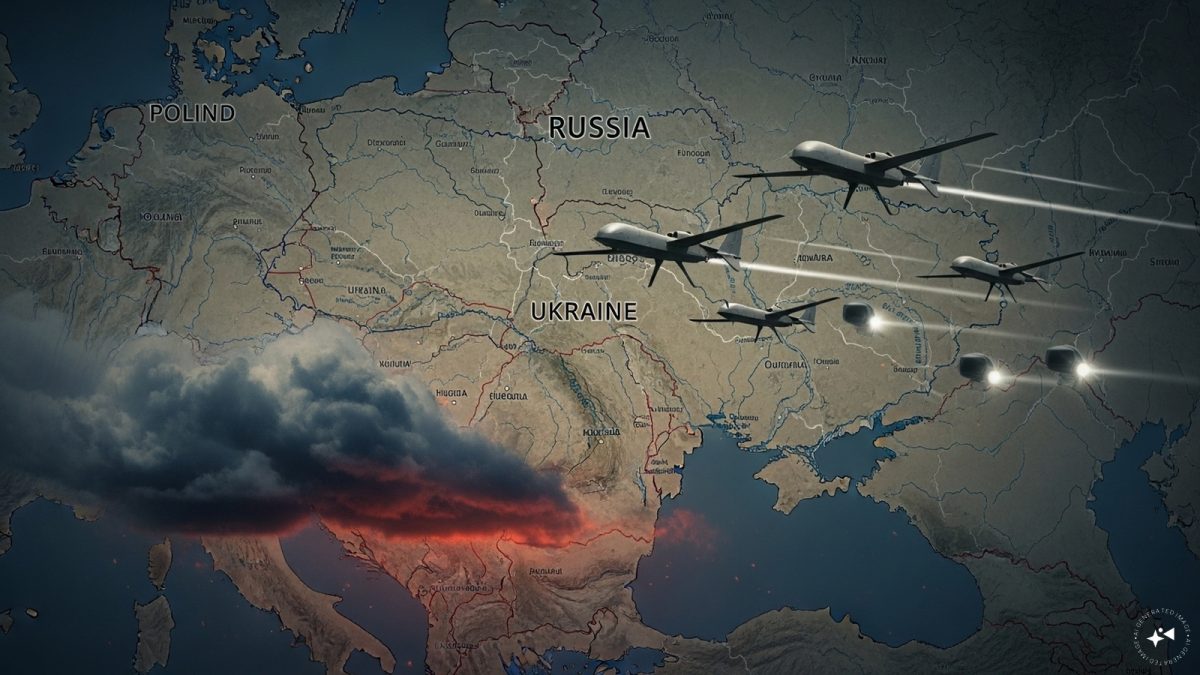 "Russian drones over Poland: Trump’s tepid reaction a wake-up call for Nato?")
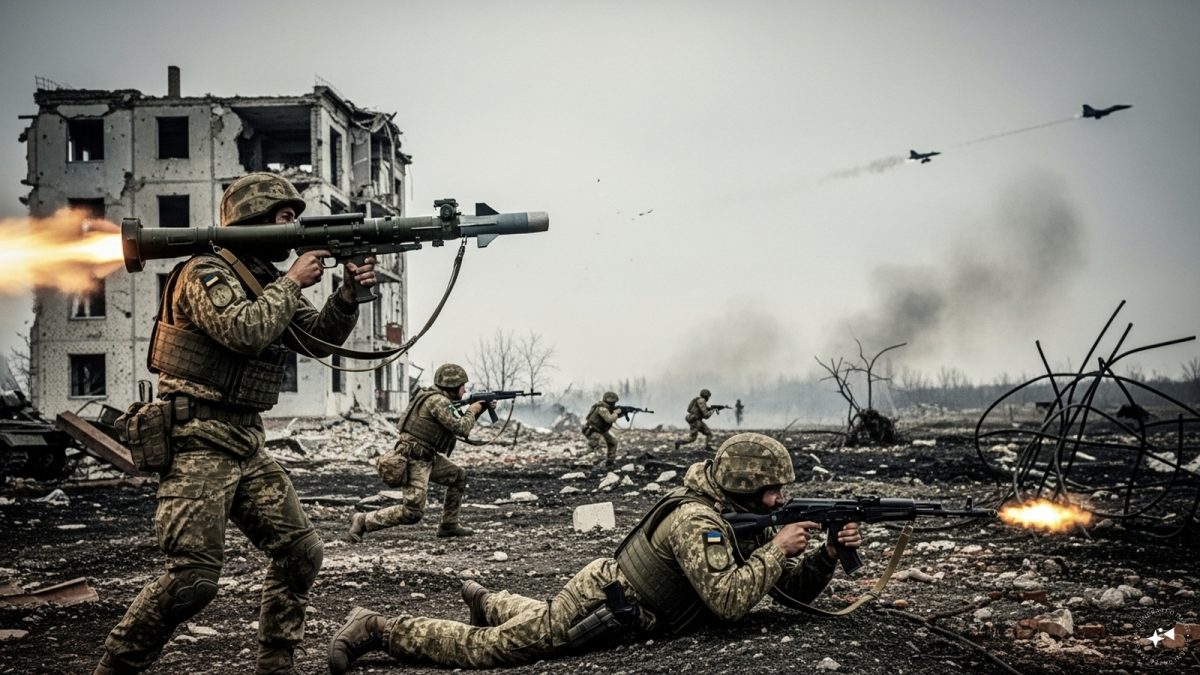 "As Russia pushes east, Ukraine faces mounting pressure to defend its heartland")
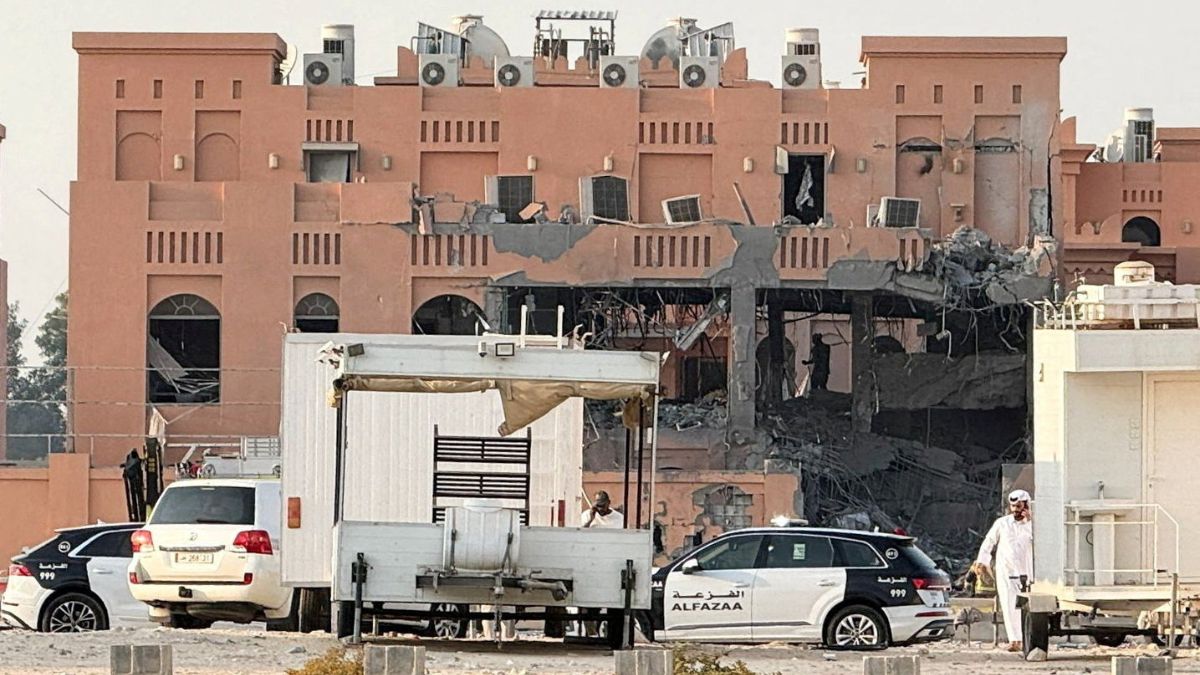 "Why Mossad was not on board with Israel’s strike on Hamas in Qatar")
 "Turkey: Erdogan's police arrest opposition mayor Hasan Mutlu, dozens officials in corruption probe")



