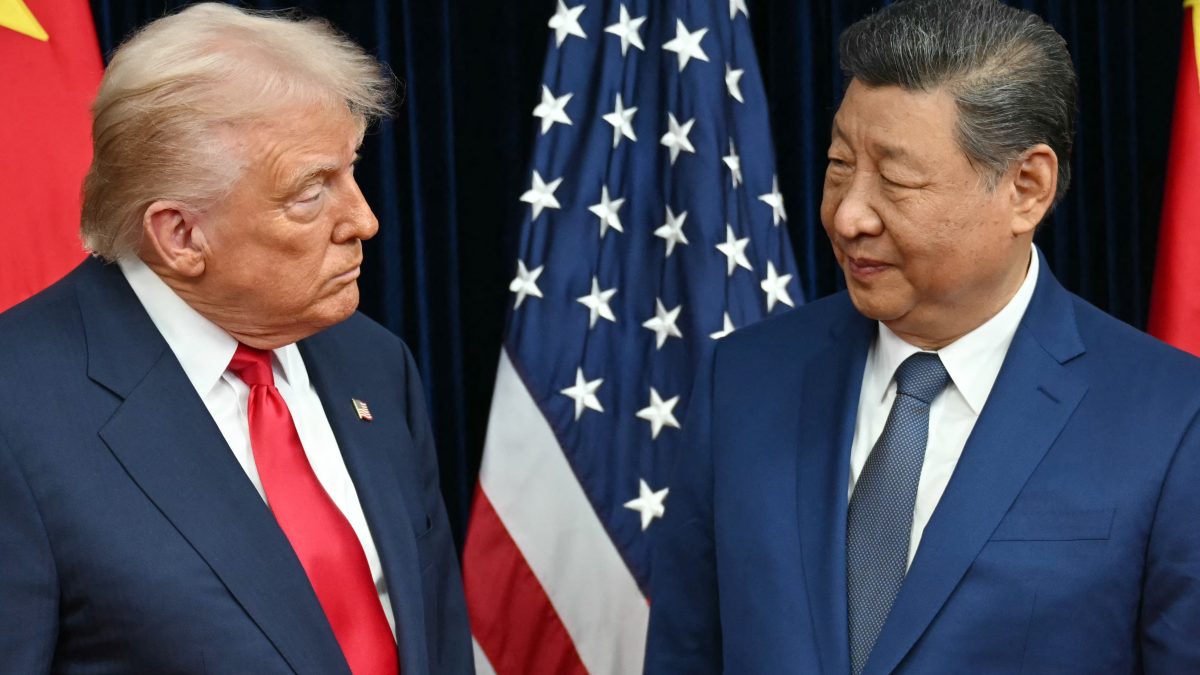
 "China-US showdown ahead of Xi-Trump summit: Beijing retaliates against US trade probes")
China has stepped up retaliation against US trade probes in the run-up to the rescheduled summit between Chinese President Xi Jinping and US President Donald Trump, targeting American firms and key sectors in a series of calibrated counter-measures.
Beijing has also launched two fresh investigations into US trade practices, mirroring similar probes initiated by the Trump administration earlier this month, as both sides harden their positions ahead of a likely presidential meeting in May.
Beijing signals strength ahead of talks
The latest moves are widely seen as an effort by China to demonstrate that it will enter negotiations from a position of strength rather than concession. By focusing on sectors where US companies have deep exposure, Chinese authorities have underscored their ability to respond proportionately to Washington’s economic pressure tactics.
The Commerce Ministry said the investigations were launched to safeguard domestic industries and expressed “firm opposition” to the American probes.
Two probes target US trade barriers
One of the Chinese investigations will examine US policies that restrict Chinese goods from entering American markets and limit exports of advanced technology to China. The second probe will focus on barriers affecting Chinese green energy exports.
According to officials, the investigations are expected to run for six months, with a possible extension of an additional three months if required.
Trump cites leverage amid geopolitical tensions
The escalation comes as both sides publicly position themselves ahead of the high-stakes summit. Trump has repeatedly claimed leverage, pointing to sustained economic pressure on China and broader geopolitical developments — including tensions linked to the Iran conflict — as strengthening Washington’s hand.
The US has also ramped up its own trade actions. After the US Supreme Court struck down some earlier tariffs, the administration launched fresh Section 301 investigations targeting multiple countries, including China.
One probe focuses on alleged excess industrial capacity and state subsidies that could give Chinese firms an unfair advantage, potentially paving the way for higher tariffs. Another examines the possibility of banning imports linked to forced labour.
China pitches ‘harbour of stability’ to investors
Even as tensions rise, Beijing has sought to position itself as a stable destination for global investors, branding the Chinese economy as a “harbour of stability” amid global uncertainty.
The messaging reflects a broader attempt by both Washington and Beijing to shape international perception, with each side aiming to appear less dependent on the outcome of the talks.
Quick Reads
View AllCalibrated escalation, summit still on track
Analysts say China’s retaliation is carefully calibrated — strong enough to signal resolve, yet restrained enough to avoid derailing the summit that both sides appear keen to hold.
Chinese officials have also warned that escalating US investigations risk undermining the fragile stability in bilateral economic ties, a concern raised during recent talks in Paris aimed at preparing the ground for Trump’s visit to Beijing.
Originally scheduled earlier, the visit was postponed amid the ongoing Iran war, further heightening the stakes of the eventual meeting.
High-stakes meeting ahead
The latest developments mark another round in the long-running trade conflict between the world’s two largest economies, with both sides using probes and tariffs as strategic bargaining tools.
As the summit approaches, trade tensions, strategic rivalry and global economic stability are expected to dominate discussions, setting the stage for a potentially contentious — but crucial — engagement between Washington and Beijing.

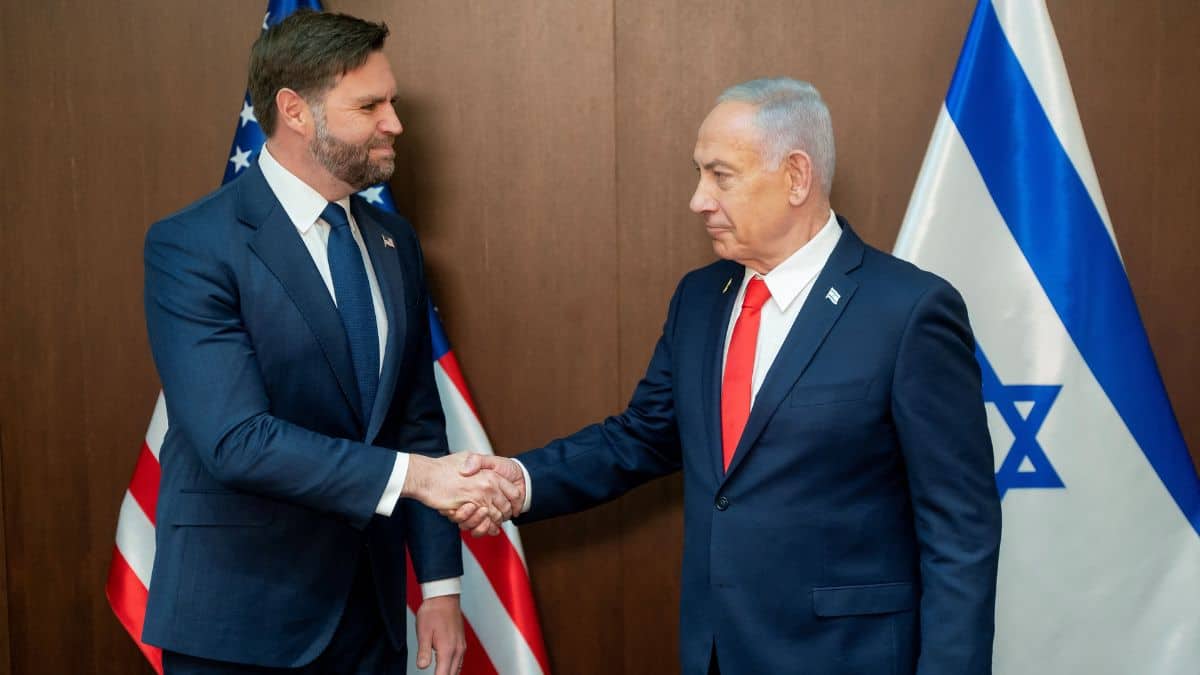
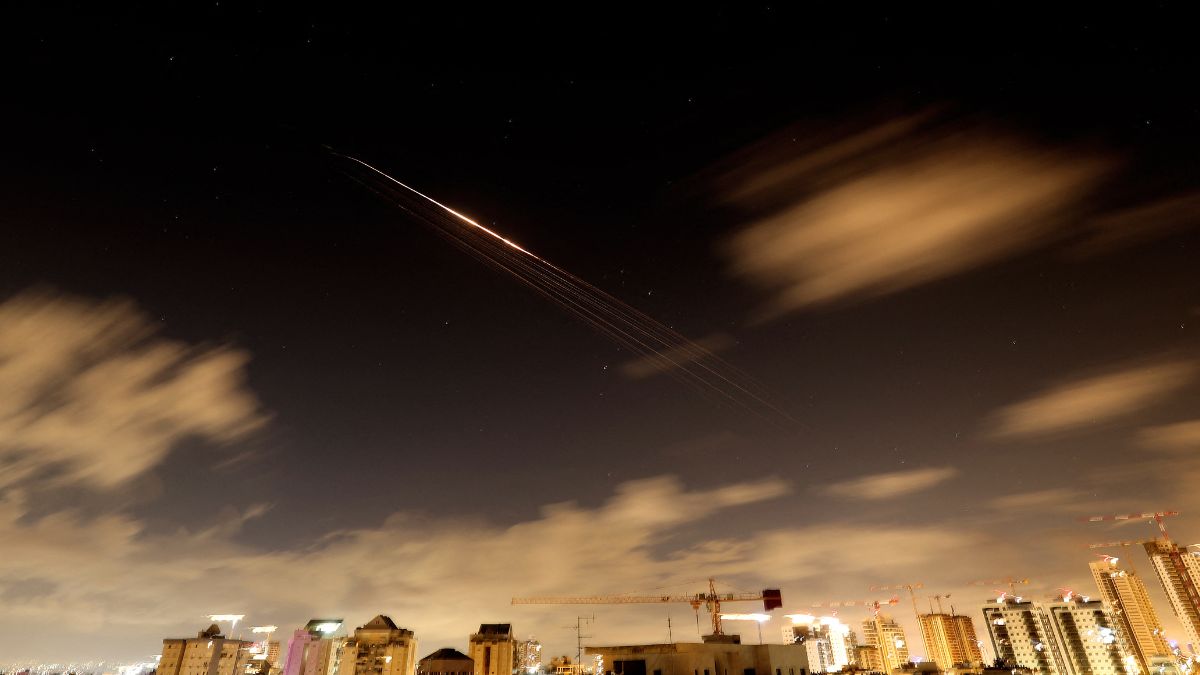 "US-Israel-Iran War Live Updates: Rubio says US can meet Iran war goals without ground troops, campaign to end in weeks")
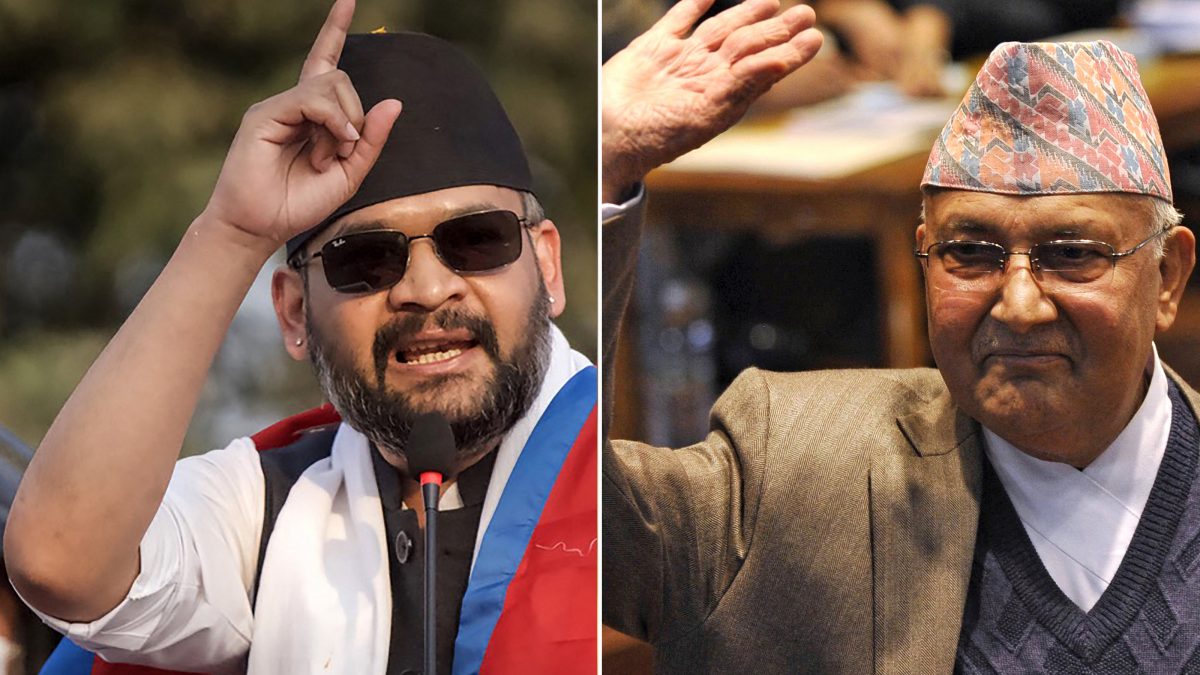 "Nepal ex-PM Oli arrested over deadly Gen Z protest crackdown day after Balen Shah's oath")
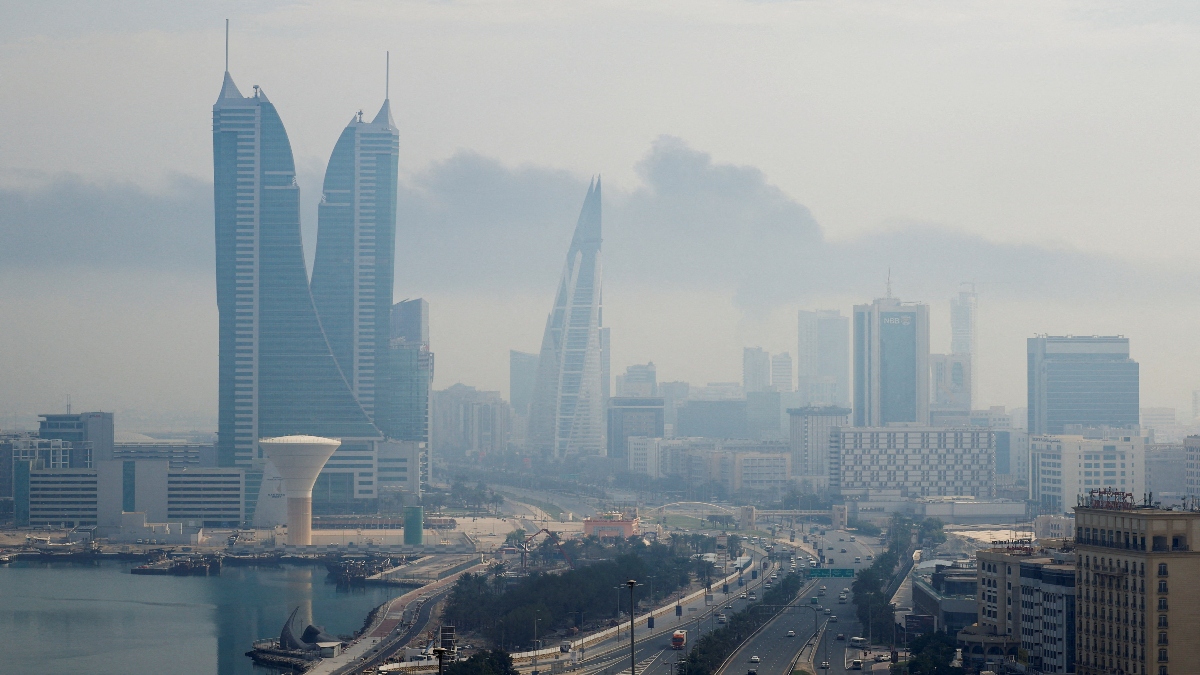 "'Biggest deals ever': Trump tells Gulf investors Iran war is ending — and America is open for business")
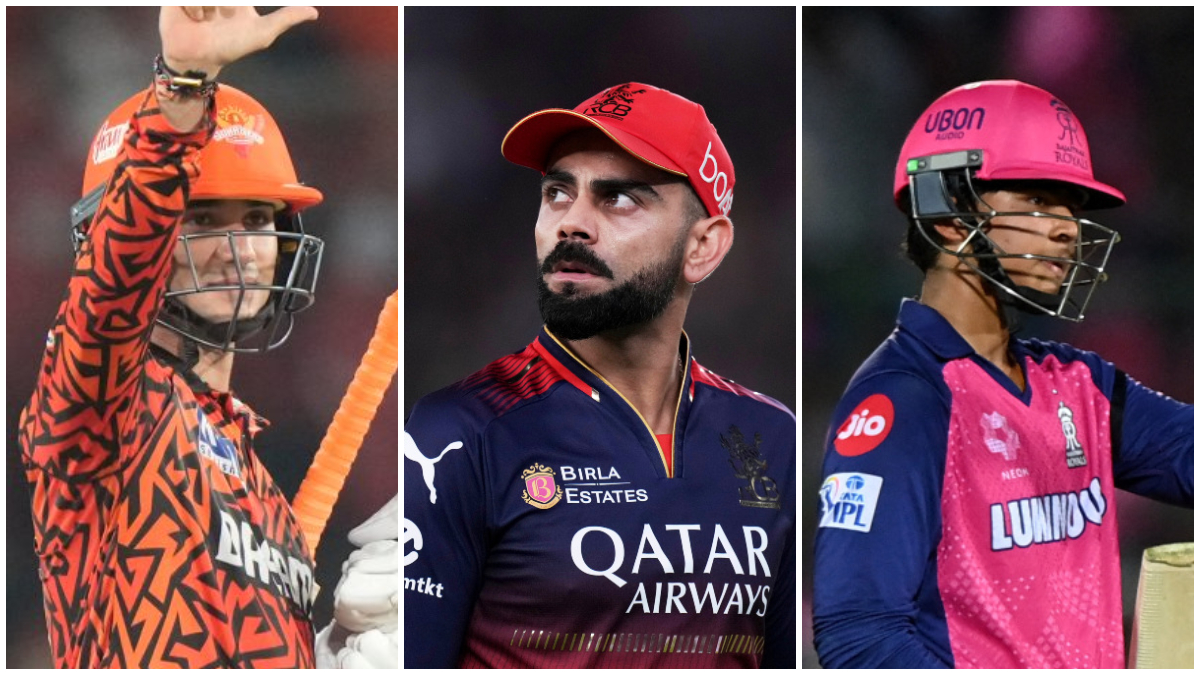 "IPL 2026: How the Indian Premier League promises to be bigger and better in the 19th season")
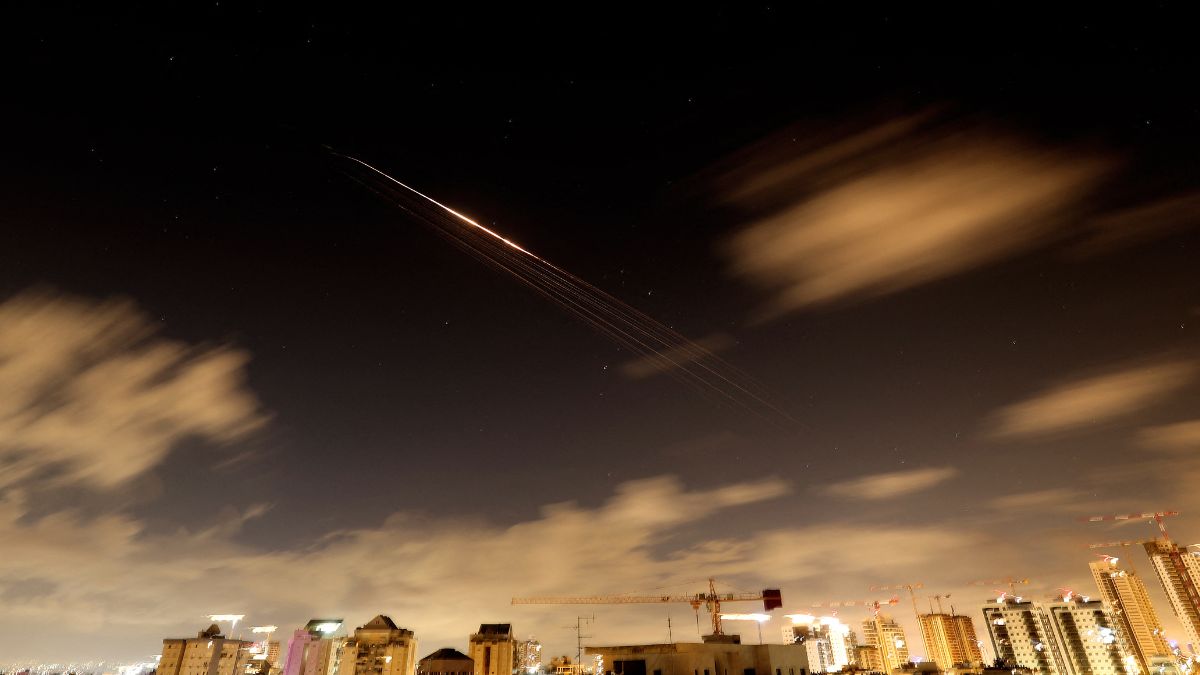 "US-Israel-Iran War Live Updates: Rubio says US can meet Iran war goals without ground troops, campaign to end in weeks")
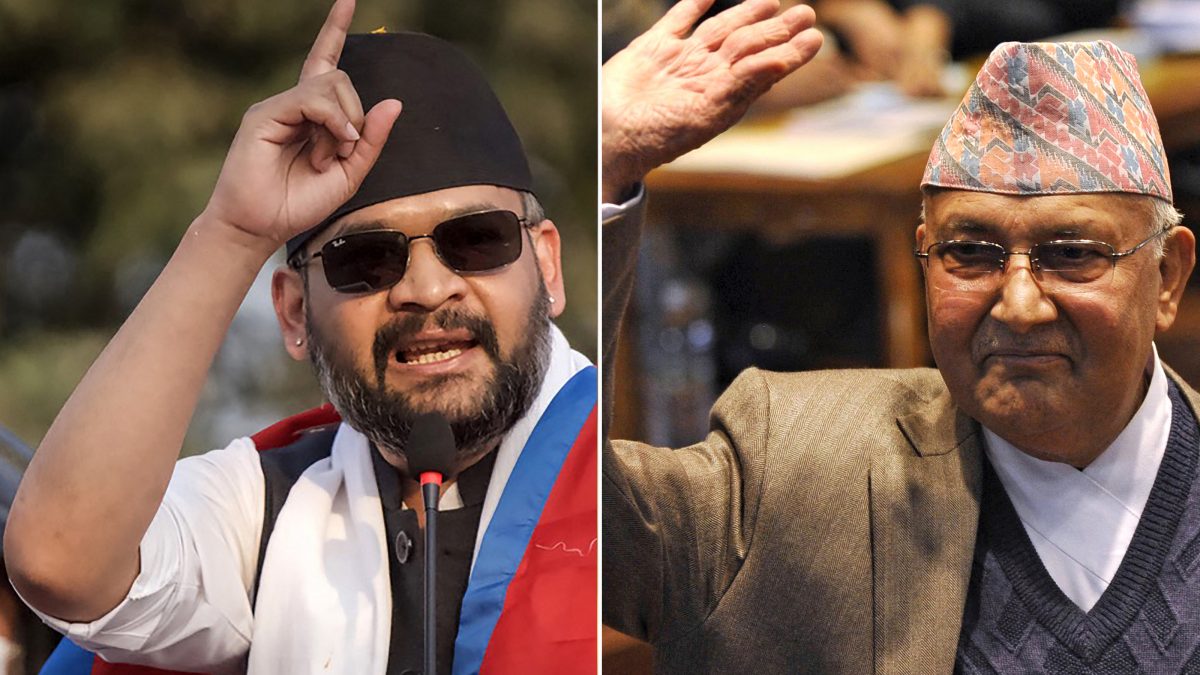 "Nepal ex-PM Oli arrested over deadly Gen Z protest crackdown day after Balen Shah's oath")
 "'Biggest deals ever': Trump tells Gulf investors Iran war is ending — and America is open for business")
 "IPL 2026: How the Indian Premier League promises to be bigger and better in the 19th season")