

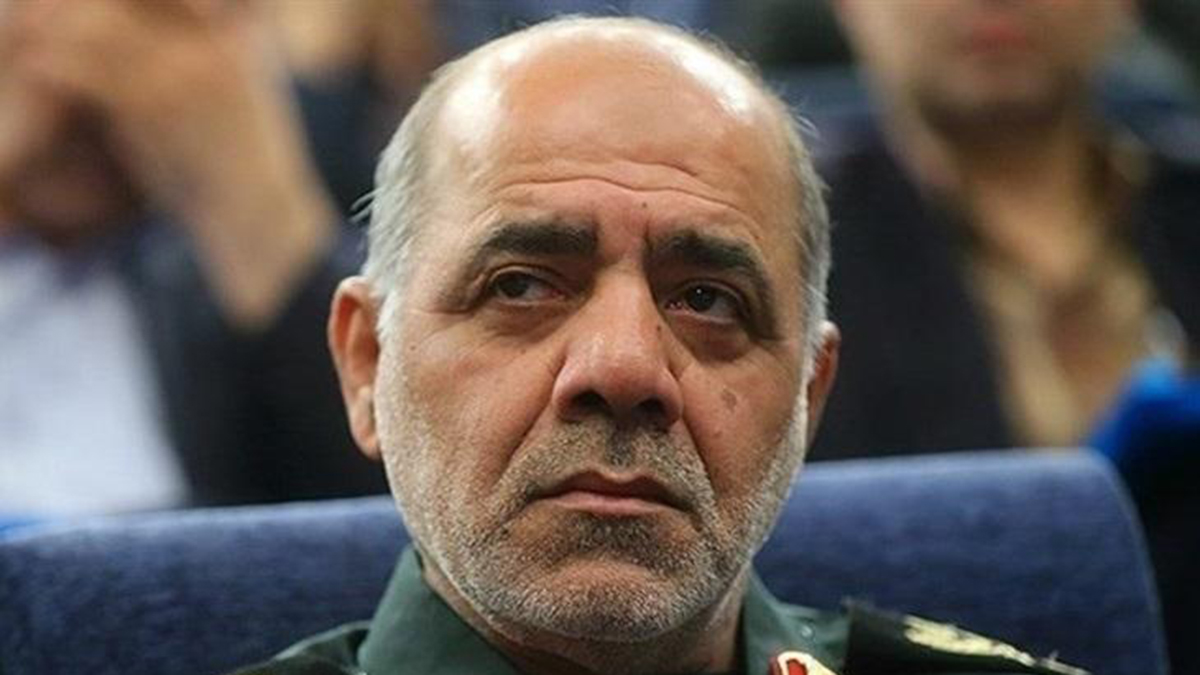
 "Brig Ali Abdollahi's journey from Iran's dreaded 'death commission' to probing Raisi's death")
Iran appointed an interesting figure — Brigadier Ali Abdollahi — to head the investigation team comprising national and military experts and technicians probing the helicopter crash in which President Ebrahim Raisi and his accompanying team were killed.
The helicopter crashed in Varzaqan, northwestern Iran, on Sunday.
Chief of Staff of the Iranian Armed Forces Major General Mohammad Bagheri ordered Brigadier Abdollahi to handle the investigation of the crash. He is currently serving as the Coordination Deputy for the Armed Forces General Staff.
Who is Brigadier Ali Abdollahi?
Although Brigadier Ali Abdollahi, born in 1959, has held numerous significant military positions in Iran, there is no available evidence online to suggest he is an aviation expert qualified to investigate air crashes. Nonetheless, he is likely to exert authority over his team, especially if the investigation stalls.
Brigadier Abdollahi’s notoriety mirrors that of other high-ranking officials in Iran: a strong animosity towards the US, Israel and European countries coupled with a dismal human rights record.
The US has sanctioned Brigadier Abdollahi for terrorism, weapons of mass destruction proliferation and human rights violations.
His disdain for the US and its allies was evident during his speech at a conference in Moscow in August 2022.
“Examples of the decline of the power of the United States of America, being an example of arrogance and the great Satan, for a long time before that was an obvious fact for those who had a discerning eye, but today this decline is manifested to a greater extent, many thinkers have reached an understanding of the reasons for such a decline, today this decline can be measured and observed,” said Brigadier Abdollahi.
Impact Shorts
More ShortsHe went on to add, “Being a part of the Armed Forces of the Islamic Republic of Iran and an associate of our heroic martyr General Ghasem Soleimani, I declare that we will not give up for a moment from ensuring the security of the Iranian people, preserving the independence and territorial integrity of the country, despite the nonsense carried by the American regime, the Zionist regime and some European states.”
A dreadful past
Brigadier Abdollahi’s loyalty to the Iranian regime is stained with blood.
An association of families of the victims of the 1988 massacre of political prisoners in Iran, former political prisoners and international lawyers and legal experts seeking justice for all the victims of executions in Iran have linked Brigadier Abdollahi to the massacre.
According to the group, Brigadier Abdollahi was the head of the naval prison and also a member of the Rasht ‘Death Commission’. They claimed that the ‘Death Commission’ in Rasht comprised the local prosecutor, the representative of the Intelligence Ministry as the interrogator and Brigadier Abdollahi as the prison warden. Referring to various testimonies, the group concluded that about 120 prisoners were held at the Naval prison, and only two survived the mass executions in which Brigadier Abdollahi played a key role.
In a list that was made public by the Iran Human Rights Society in August 2023 revealing the names and positions of nearly 60 of the commanders and officials of the 1988 massacre and members of the death commission in Iran’s prisons, Brigadier Abdollahi’s name figured in serial number 36.
What is the Rasht ‘Death Commission’?
The ‘Death Commission’ in Rasht referred to a series of events that occurred during the Iran-Iraq War (1980-1988) and the subsequent purges in Iran. These commissions were established by the Iranian government to interrogate and ultimately execute political prisoners, particularly members of the Mujahedin-e Khalq (MEK), a leftist opposition group.
In 1988, as the Iran-Iraq War was winding down, the Iranian government intensified its crackdown on political dissent. In Rasht, a city in northern Iran, a ‘Death Commission’ was formed consisting of high-ranking officials including representatives from the Ministry of Intelligence, the judiciary and the Revolutionary Guard.
The commission conducted mass trials of political prisoners, many of whom were arrested for their alleged ties to opposition groups like the MEK. Prisoners were given brief hearings where they were asked about their political affiliations and views. Those who refused to renounce their beliefs or pledge allegiance to the Iranian government were summarily sentenced to death.
The executions carried out by the ‘Death Commission’ in Rasht and similar commissions in other cities across Iran resulted in the deaths of thousands of political prisoners. These executions are considered to be one of the darkest chapters in Iran’s modern history. The Iranian government, however, never officially acknowledged or took responsibility for the atrocities committed by the death commissions.


 "Russian drones over Poland: Trump’s tepid reaction a wake-up call for Nato?")
 "As Russia pushes east, Ukraine faces mounting pressure to defend its heartland")
 "Why Mossad was not on board with Israel’s strike on Hamas in Qatar")
 "Turkey: Erdogan's police arrest opposition mayor Hasan Mutlu, dozens officials in corruption probe")
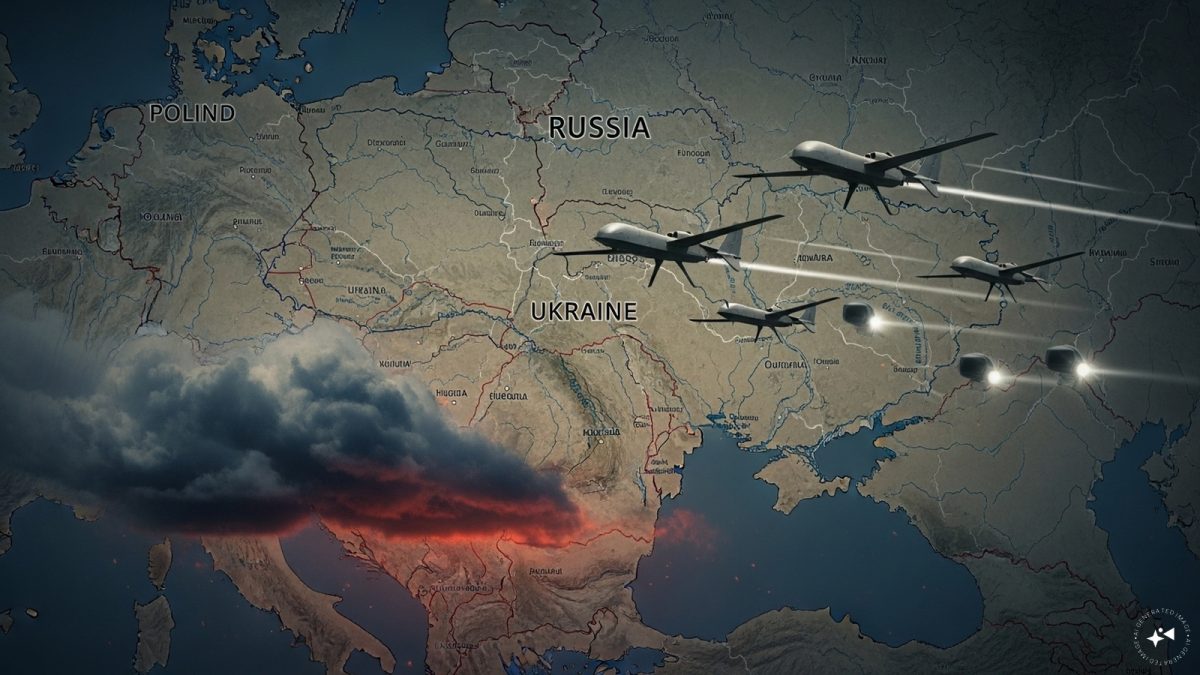 "Russian drones over Poland: Trump’s tepid reaction a wake-up call for Nato?")
 "As Russia pushes east, Ukraine faces mounting pressure to defend its heartland")
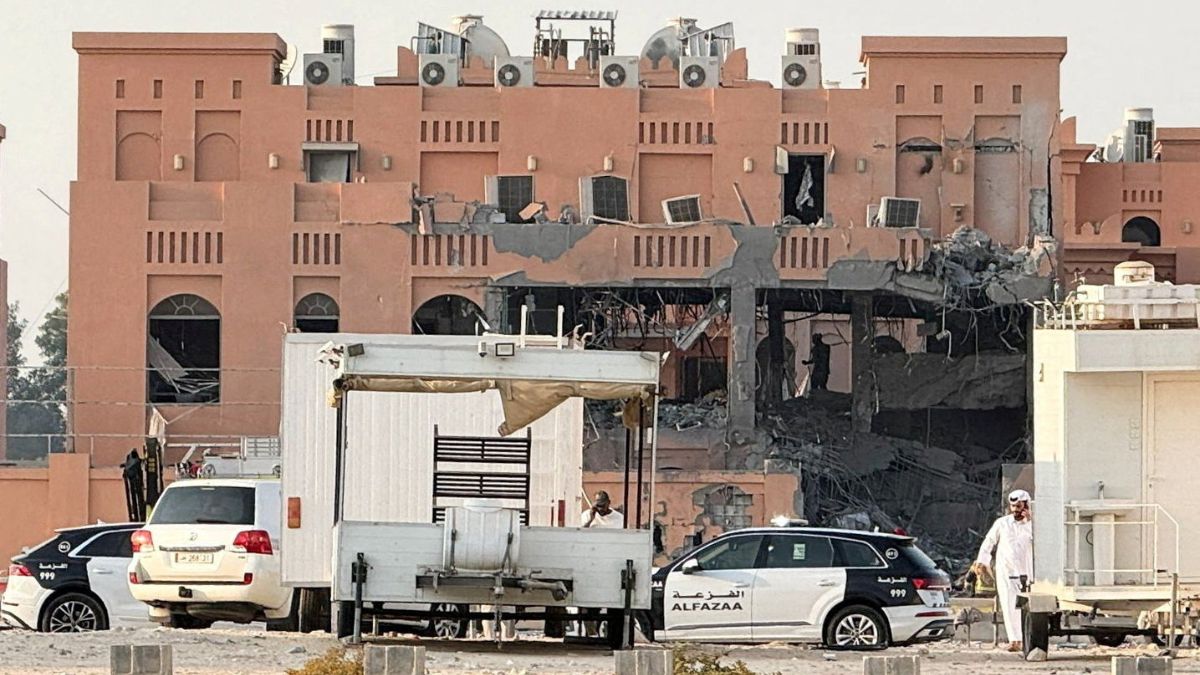 "Why Mossad was not on board with Israel’s strike on Hamas in Qatar")
 "Turkey: Erdogan's police arrest opposition mayor Hasan Mutlu, dozens officials in corruption probe")



