

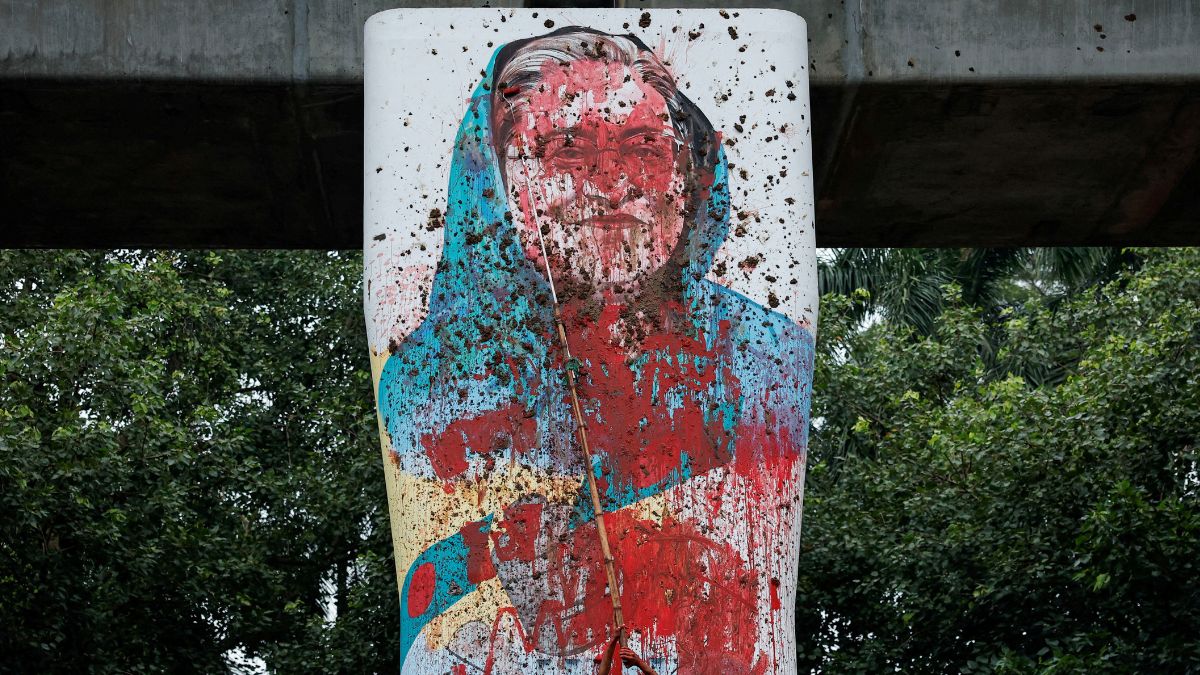
 "‘Bangladesh isn’t Denmark’: How West misread Sheikh Hasina and helped radicals whip Bangladesh")
The West misread Bangladesh and helped Islamist extremists that ousted then-Prime Minister Sheikh Hasina and plunged the country into instability and systemic persecution, according to former Foreign Secretary Nirupama Menon Rao.
In a post on X, Rao said that the West believed that Bangladesh was a liberal democracy like Denmark where a populist movement against a longtime ruler could lead to a better future. But that was an incorrect reading that helped radical elements.
Rao said Hasina’s foreign opponents viewed the situation in Bangladesh from a narrow lens of elections that did not meet Western democratic aesthetics, long incumbency, centralised power, and human rights concerns.
While these were real flaws of Hasina’s term, they were stripped of the country’s sociopolitical control, according to Rao.
“Bangladesh was judged as if it were Denmark with a turnout problem, not a fragile, densely packed state with a violent Islamist history and a traumatised political culture,” said Rao.
Her foreign opponents fixated on #SheikhHasina through a narrow lens: elections that didn’t meet Western democratic aesthetics, long incumbency, centralised power, human rights reports. All real issues, but treated in isolation, stripped of context. Bangladesh was judged as if it…
— Nirupama Menon Rao 🇮🇳 (@NMenonRao) December 19, 2025
The remarks came at a time when Bangladesh has been rocked by massive political violence and anti-India campaign following the death of Sharif Osman Hadi, a prominent figure in last year’s movement that ousted Hasina and propped Muhammad Yunus as the country’s unelected ruler.
Since the news of the death broke on Thursday, mobs have attacked the house of India’s Assistant Indian High Commissioner in Chattogram, set on fire the house of former minister Mohibul Hasan Chowdhury Nowfel, demolished the Awami League office in Rajshahi, attacked the offices of Prothom Alo and Daily Star newspapers, and targeted journalists.
Three things that West got wrong about Bangladesh
In its misreading of Bangladesh, the West got three things wrong, according to Rao.
Firstly, while Hasina had been around for a long time, she was a stabiliser, not a revolutionary hero, and a state-builder in a hostile environment, as per Rao.
Hasina kept Islamist radical groups like Jamaat-e-Islami and its offshoots contained, maintained civil-military balance, protected minorities better than any realistic alternative, and kept Bangladesh economically and geopolitically predictable, Rao said in her post.
In her absence, radical Islamist groups —including the Jamaat— have plunged Bangladesh into cyclic violence against political opponents and religious minorities for more than a year. With no pushback from Yunus, they have had a free run.
Secondly, the West overestimated the ‘democratic opposition’ in Bangladesh, according to Rao.
There was no credible, unified, liberal alternative waiting in the wings, Rao noted.
“Removing pressure from Hasina didn’t empower democrats. It empowered street power, radicals, and actors who thrive precisely when institutions weaken,” Rao said.
Thirdly, the long-held view that overthrowing or delegitimising a longtime ruler would automatically make way for pluralism failed yet again in Bangladesh, Rao pointed out.
“History says the opposite. In divided societies, power vacuums don’t fill with moderates. They fill with the loudest, angriest, and most organised forces. Often religious, often violent,” said Rao.

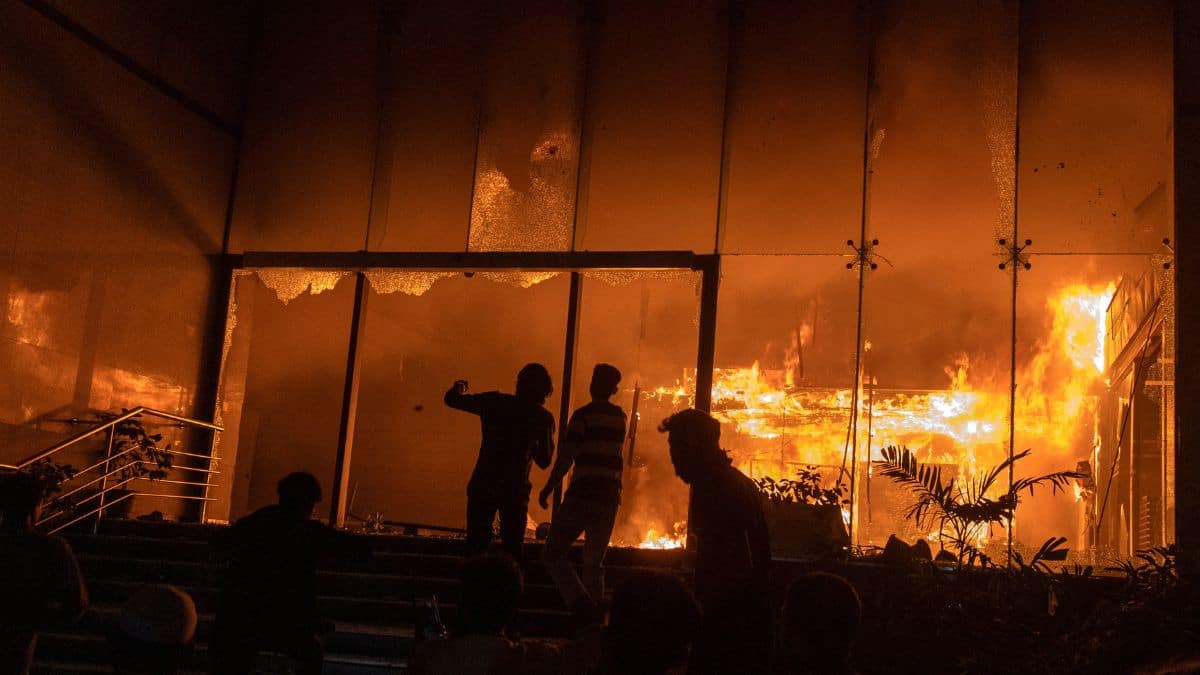
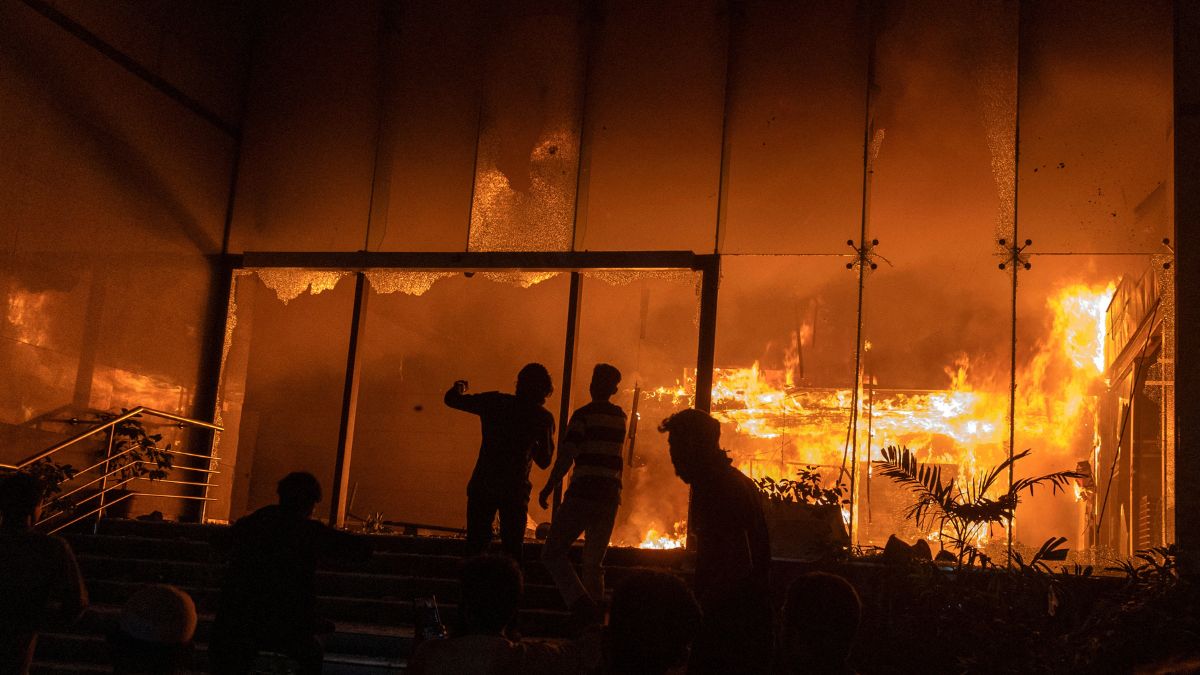 "Yunus vows action as groups backing his regime run amok around Bangladesh")
 "India vs South Africa LIVE Score 5th T20 at Ahmedabad: Sanju Samson dismissed after fiery 22-ball 37")
 "Can a Europe that can't get its budgets right afford to fund Ukraine?")
 "Putin says ‘ball is in West’s court’ to end Ukraine war, denies dragging negotiations")
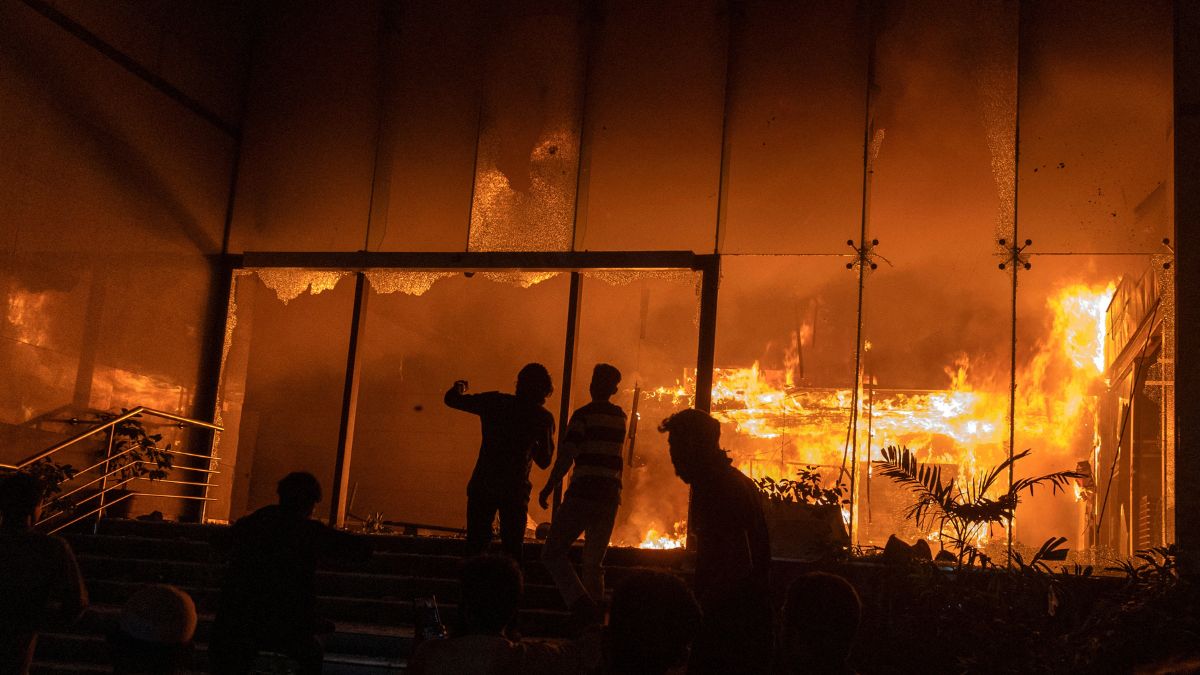 "Yunus vows action as groups backing his regime run amok around Bangladesh")
 "India vs South Africa LIVE Score 5th T20 at Ahmedabad: Sanju Samson dismissed after fiery 22-ball 37")
 "Can a Europe that can't get its budgets right afford to fund Ukraine?")
 "Putin says ‘ball is in West’s court’ to end Ukraine war, denies dragging negotiations")



