

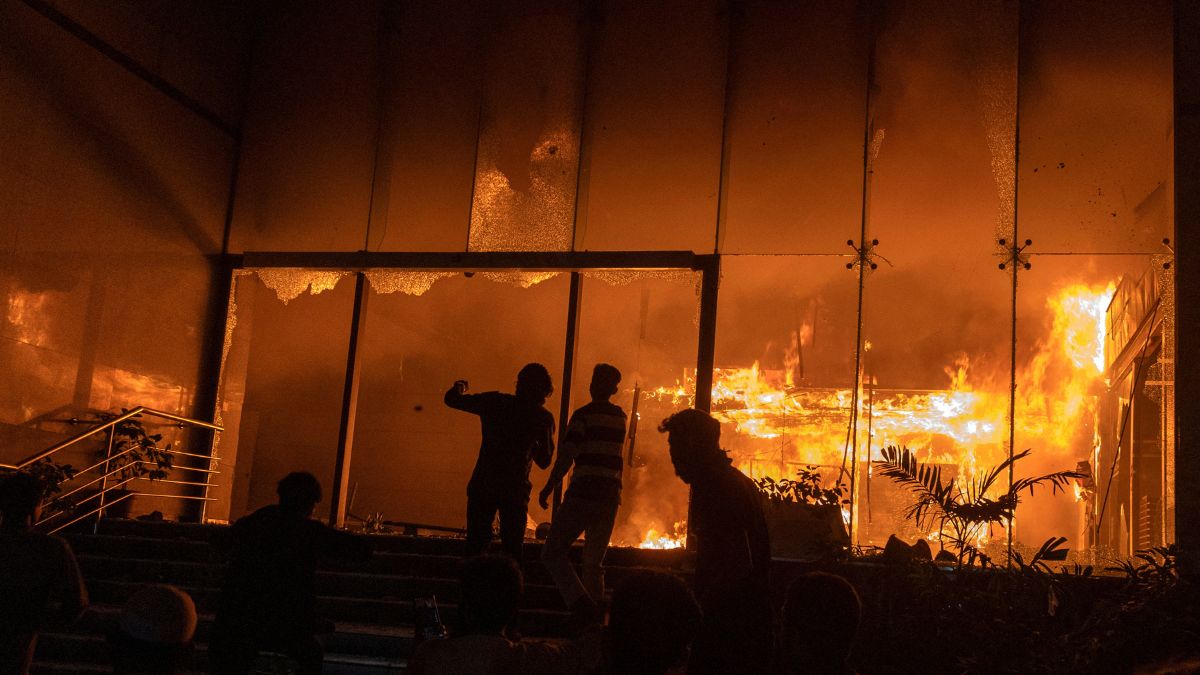
 "Post-Hadi violence in Bangladesh makes election ‘unsafe’: Report puts spotlight on Yunus-Islamist link")
The ongoing wave of political violence and anti-India protests in Bangladesh appear to be managed to create an atmosphere of fear and instability ahead of the elections to help Islamist forces in the country, sources tracking developments on the ground told CNN-News 18.
Sources have said that vested interests are deliberately worsening the security situation in Bangladesh to delay elections by building a narrative that elections are unsafe. They added that such a delay would allow radical elements to consolidate themselves in the country.
Bangladesh is currently in the grips of widespread violence after the death of Sharif Osman Hadi, a prominent figure in last year’s movement that ousted then-Prime Minister Sheikh Hasina and propped Muhammed Yunus as the country’s unelected ruler. He was shot by unidentified gunmen in Dhaka last week.
Since the news of Hadi’s death broke, mobs have run amok in Bangladesh and targeted Indian diplomats, Hasina’s Awami League party, and the media.
Mobs have so far attacked the house of India’s Assistant Indian High Commissioner in Chattogram, set on fire the house of former minister Mohibul Hasan Chowdhury Nowfel, demolished the Awami League office in Rajshahi, and attacked the offices of Prothom Alo and Daily Star newspapers.
The violence broke out a week after the Election Commission of Bangladesh announced elections and a national referendum on ‘July Charter’ on February 12.
Protests after Hadi’s death part of larger plan
Violence appears to be deliberately promoted in Bangladesh at a time when the ability of Yunus’ regime to manage law and order and conduct credible elections is already in tatters, according to sources.
For more than a year, Yunus has presided over cyclic attacks by Islamists on political opponents and religious minorities like Hindus across the countries. Instead of cracking down on them, the regime has continued to release Islamist hardliners and mainstream forces like Jamaat-e-Islami that were once on the fringes.
Quick Reads
View AllThe violence in the aftermath of Hadi’s death is part of the campaign to create “managed instability" where isolated incidents and deaths are rapidly politicised and weaponised by radical groups to mobilise mass protests, according to sources.
As a result, these groups seized upon Hadi’s death to trigger coordinated demonstrations across major cities including Dhaka, Chattogram, Khulna, and Rajshahi, and escalate protests into widespread violence that included arson, vandalism, and direct street clashes.
The eventual objective of all elements involved in the plan is to strengthen Islamists in Bangladesh. Consider these facts: Yunus’ regime has banned Awami League, the country’s largest political party; Yunus has done everything to bolster Jamaat-e-Islami and other hardliner Islamist forces; the Islamists and Yunus have indirectly weakened the hand of Bangladesh Nationalist Party (BNP) as well, a longtime Awami League opponent and friendly to Pakistan.
If elections would be delayed, these Islamist forces would have more time to consolidate themselves and further marginalise mainstream political parties like the BNP and squeeze the chance of Awami League’s return to electoral politics.


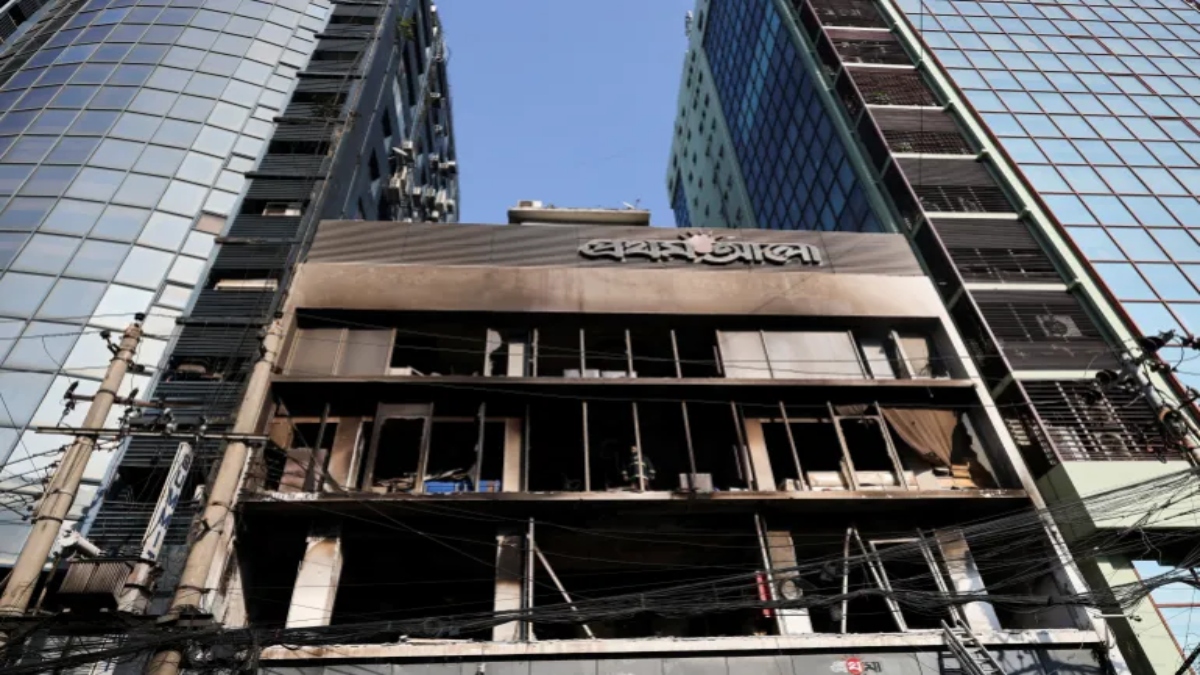 "Bangladesh Protests Live: Rioters demolish Dhanmondi home of Hasina’s father in post-Hadi violence")
 "Who was Claudio Valente, Brown University shooting suspect who also killed MIT professor?")
 "Ukraine to US midterms: Will 2026 seal Trump's place in history?")
 "Bill Gates, quotes from ‘Lolita’ on woman’s body: What newly released Epstein photos reveal")
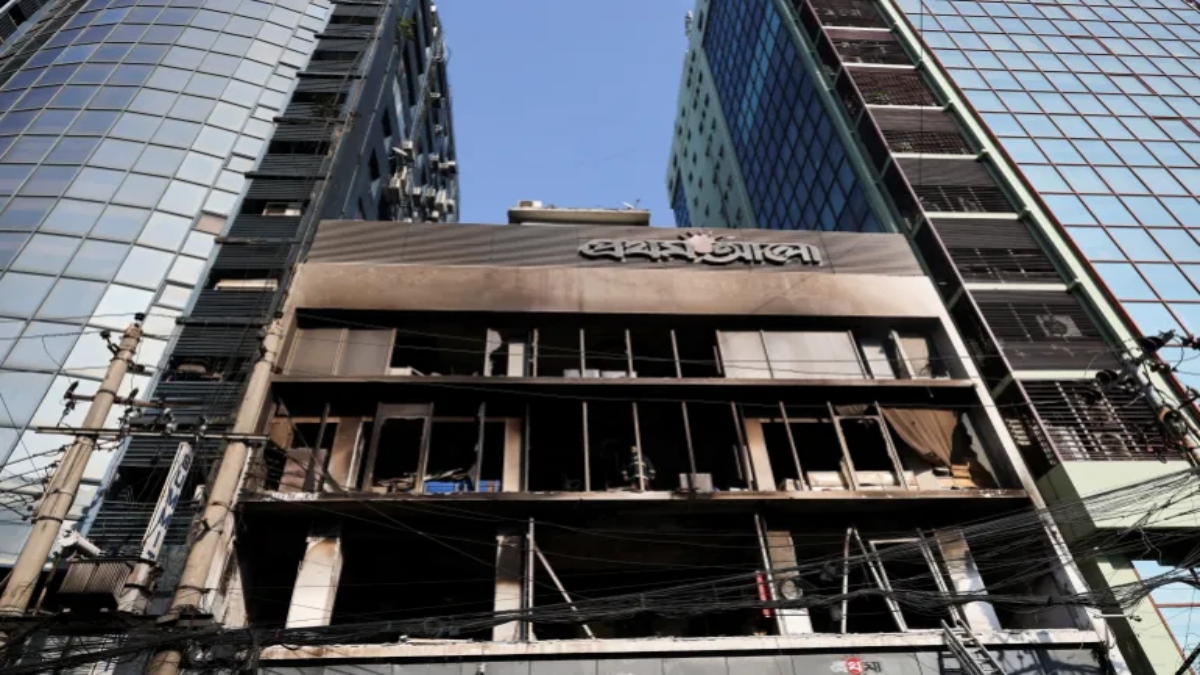 "Bangladesh Protests Live: Rioters demolish Dhanmondi home of Hasina’s father in post-Hadi violence")
 "Who was Claudio Valente, Brown University shooting suspect who also killed MIT professor?")
 "Ukraine to US midterms: Will 2026 seal Trump's place in history?")
 "Bill Gates, quotes from ‘Lolita’ on woman’s body: What newly released Epstein photos reveal")



