

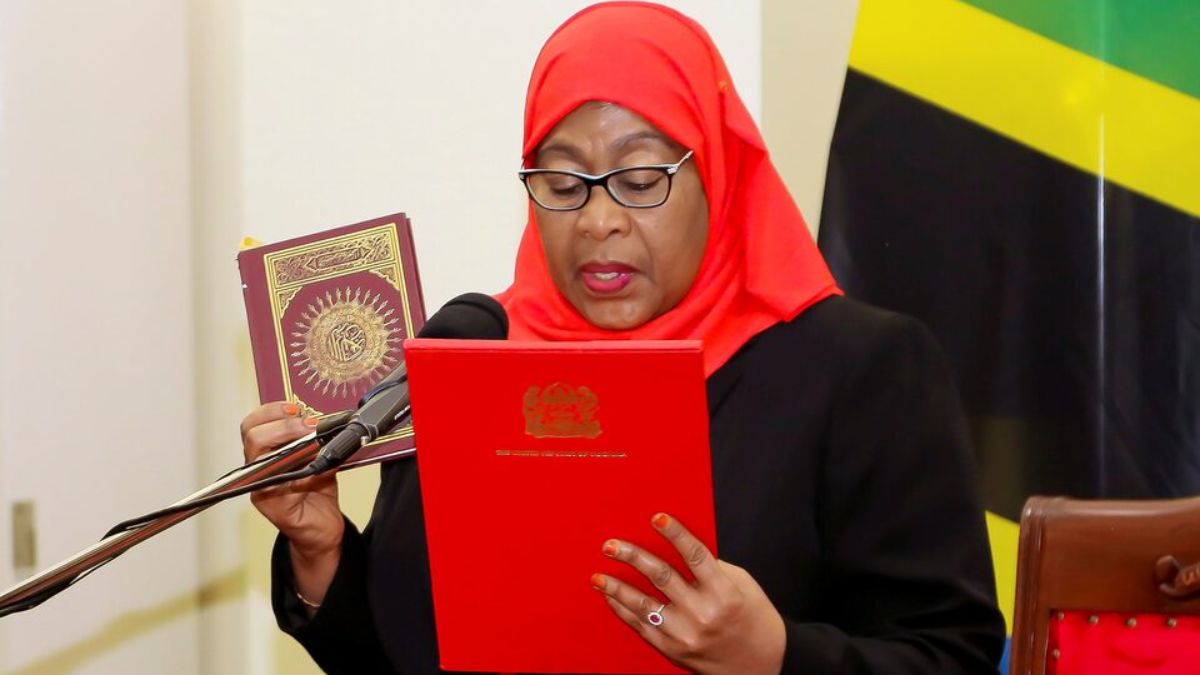
 "Acid poured on face, abducted Tanzania leader found dead; President Samia condemns killing")
Tanzania’s President Samia Suluhu Hassan has strongly condemned the brutal killing of Mohamed Ali Kibao, a senior member of the opposition party Chadema.
Kibao, 69, was abducted from a bus while traveling from Dar es Salaam to his hometown of Tanga. He was subsequently beaten and had acid poured on his face, according to a post-mortem examination reported by Chadema’s chairman, Freeman Mbowe.
The murder has raised eyebrows among opposition members and human rights groups about a possible crackdown on political dissent. In response to the violence, President Samia has called for a thorough investigation into the incident.
She pressed on the need for prompt and detailed information from the investigation agencies and reiterated her commitment to democracy and citizens’ rights.
At Kibao’s funeral, held in Tanga, mourners protested against Home Affairs Minister Hamad Masauni, demanding his resignation over perceived inaction. The crowd voiced their frustration with the government’s handling of abductions and killings, though Mbowe intervened to allow the minister to complete his addressv.
The US Embassy in Tanzania has also urged for an independent and transparent investigation into Kibao’s death, expressing concern over the safety of Chadema leaders. The embassy highlighted that such violent acts have no place in a democratic society.
Kibao, a retired military intelligence officer who joined Chadema in 2008, was the latest victim in a series of troubling incidents involving opposition figures. Last month, senior Chadema leaders Mbowe and Tundu Lissu were arrested while attempting to hold a rally, which was banned by the police. In July, an artist was sentenced to two years in prison for burning an image of President Samia.
There are growing fears that Tanzania might be reverting to the repressive environment of late President John Magufuli’s era, despite President Samia’s promises to restore competitive politics.
Impact Shorts
More ShortsHuman Rights Watch has criticised the recent surge in arrests of opposition activists, describing it as a troubling sign ahead of the 2025 presidential elections.


 "Russian drones over Poland: Trump’s tepid reaction a wake-up call for Nato?")
 "As Russia pushes east, Ukraine faces mounting pressure to defend its heartland")
 "Why Mossad was not on board with Israel’s strike on Hamas in Qatar")
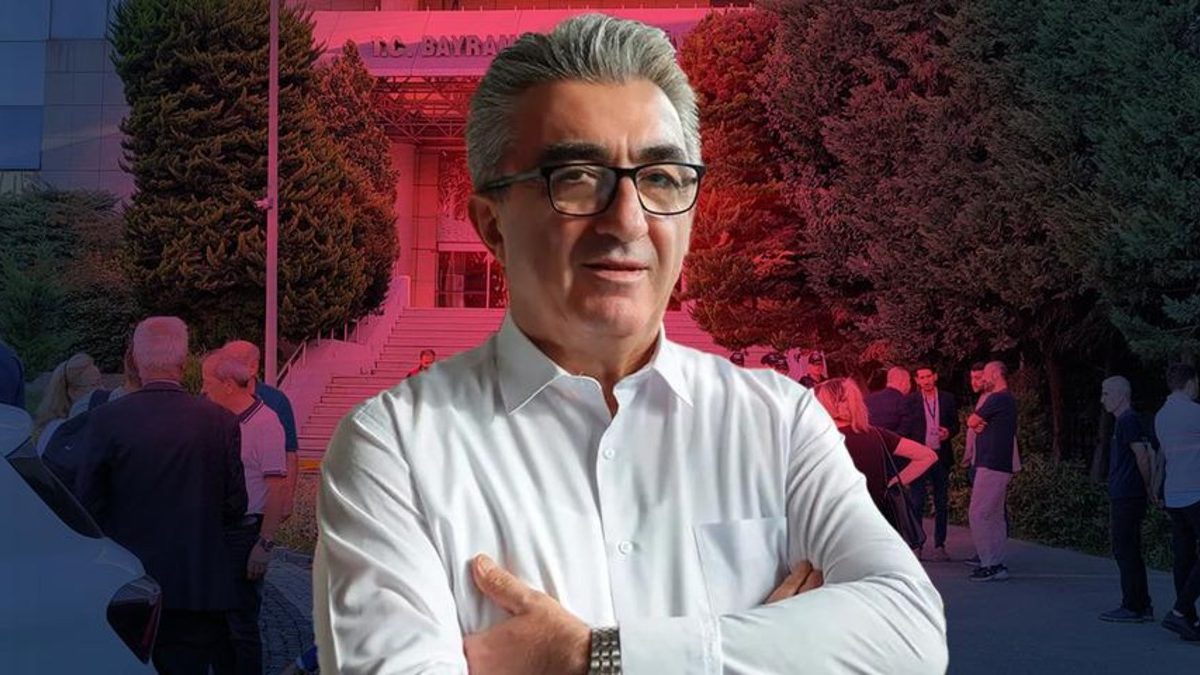 "Turkey: Erdogan's police arrest opposition mayor Hasan Mutlu, dozens officials in corruption probe")
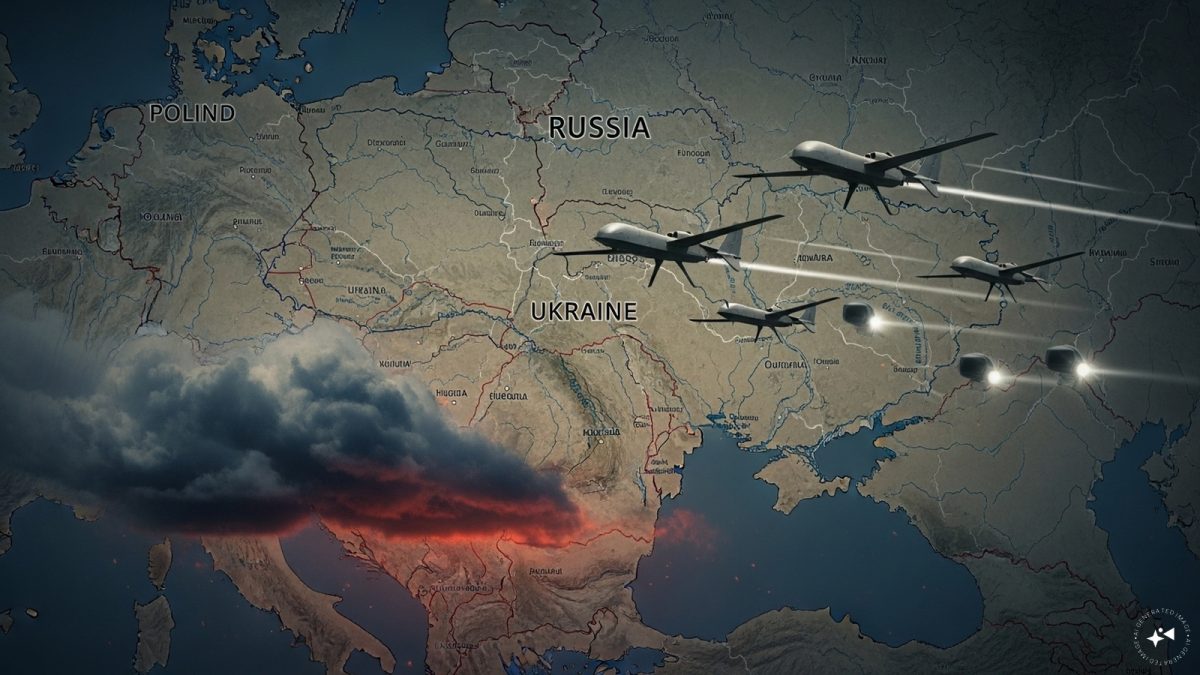 "Russian drones over Poland: Trump’s tepid reaction a wake-up call for Nato?")
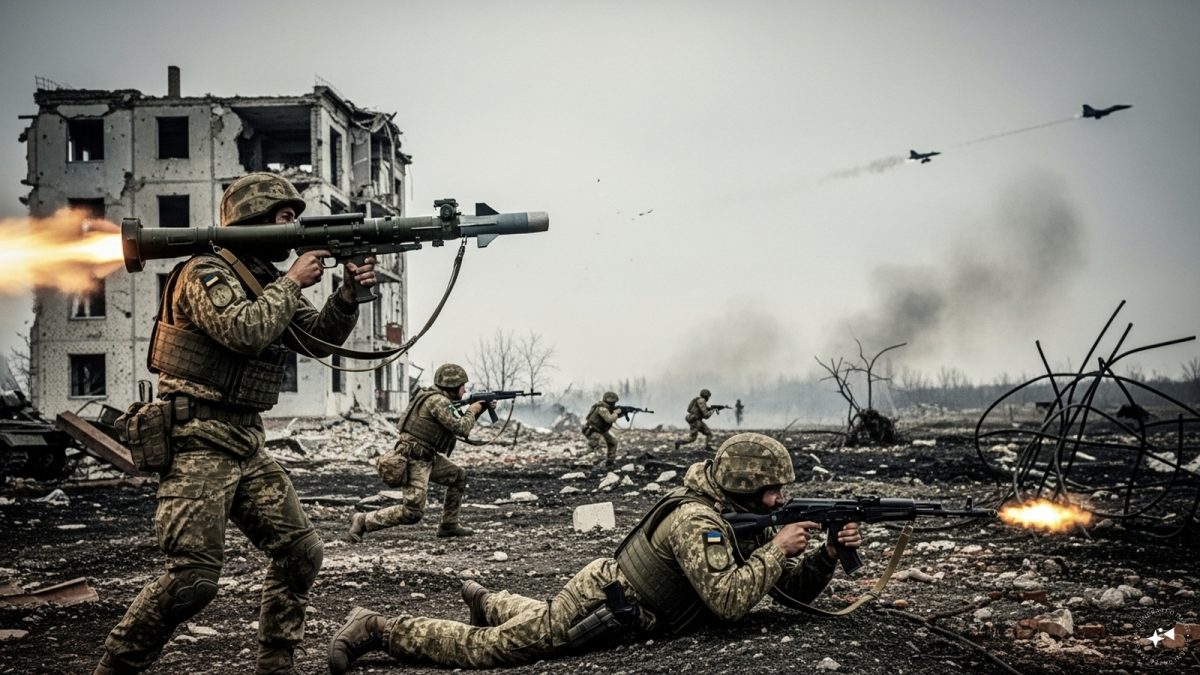 "As Russia pushes east, Ukraine faces mounting pressure to defend its heartland")
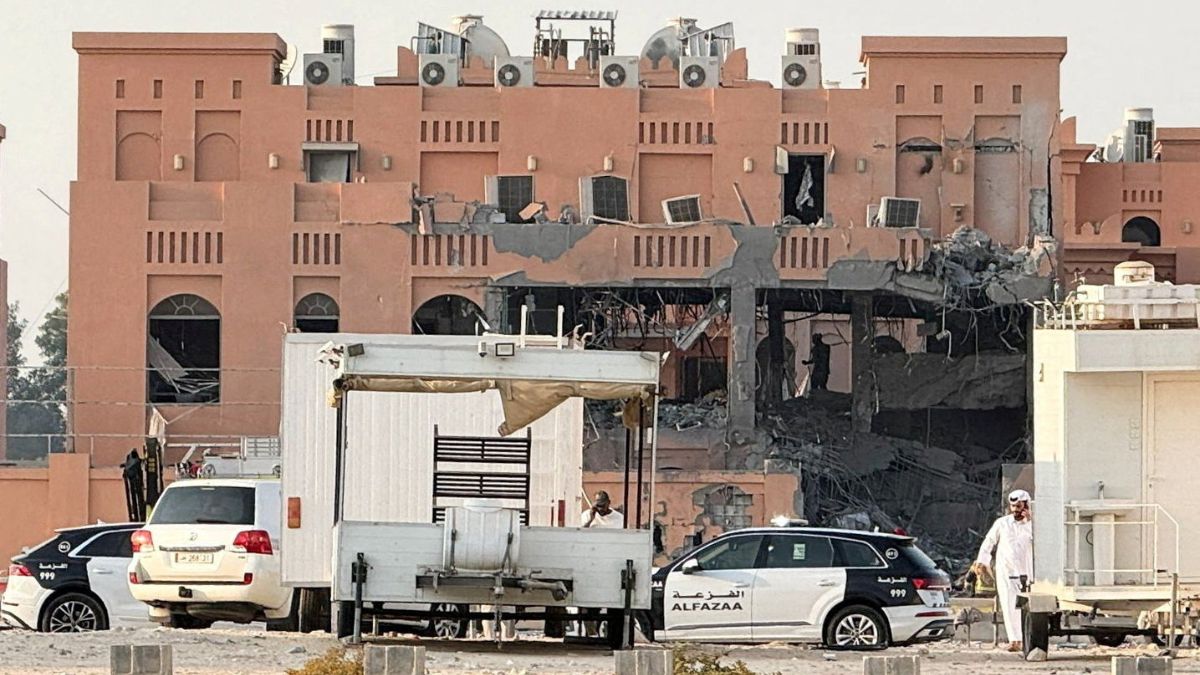 "Why Mossad was not on board with Israel’s strike on Hamas in Qatar")
 "Turkey: Erdogan's police arrest opposition mayor Hasan Mutlu, dozens officials in corruption probe")



