

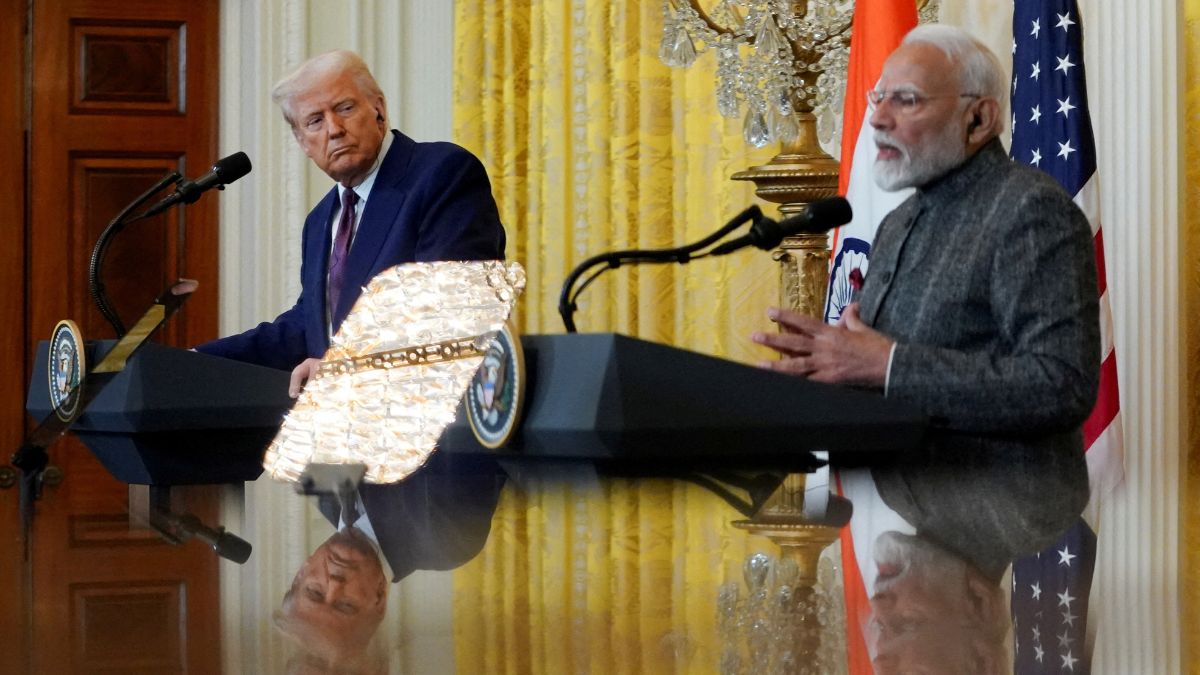
 "India critical ally for Indo-Pacific security: Trump’s security document eyes to ‘improve’ ties")
The newly released 2025 US National Security Strategy places renewed emphasis on India—identifying New Delhi as a critical partner for strengthening economic, security, and geopolitical ties in the Indo-Pacific and beyond.
Under the strategy, the US pledges to “continue to improve commercial (and other) relations with India to encourage New Delhi to contribute to Indo-Pacific security, including through continued quadrilateral cooperation with Australia, Japan, and the United States (‘the Quad’).
The Indo-Pacific remains centre stage: the document highlights the region as “already the source of almost half the world’s GDP,” and frames it as one of the next century’s major geopolitical and economic battlegrounds. Moving forward, the US expects India to play an active role in preserving regional stability, especially in safeguarding open shipping lanes in the South China Sea against dominance by any single power.
Also read | China no longer America’s No.1 challenge: Trump’s new security document mutes fiery tone of 2017
Beyond business and maritime security, the new strategy makes it clear the US wants to work with India on tech, defence, and critical minerals too. It envisions alignment—not just with India—but with a network of allies and partners, across Europe, Asia and Africa, to counter coercive economic practices and reinforce supply-chain resilience globally.
India 2.0 in US strategy?
At the same time, analysts note that this new strategy marks a subtle shift compared with previous policy frameworks—including those under the previous administration. While India remains a central partner, the tone is less about casting India as a “major defence partner” and more about trade reciprocity, burden-sharing, and economic-security alignment.
This shift basically shows where Washington’s head is at right now—a mix of economic nationalism and strategic realism under its “America First” playbook, along with a clearer recognition that India isn’t just a counterweight in Asia but a key partner in building global supply chains and tech networks.
Quick Reads
View AllEssentially, this means India is being pulled closer into the US fold, not just on defence, but on trade, technology and the wider geopolitical landscape. And for Washington, it underlines how important India is to its Indo-Pacific strategy and its effort to build a coalition that can keep any one nation from dominating major global spaces.

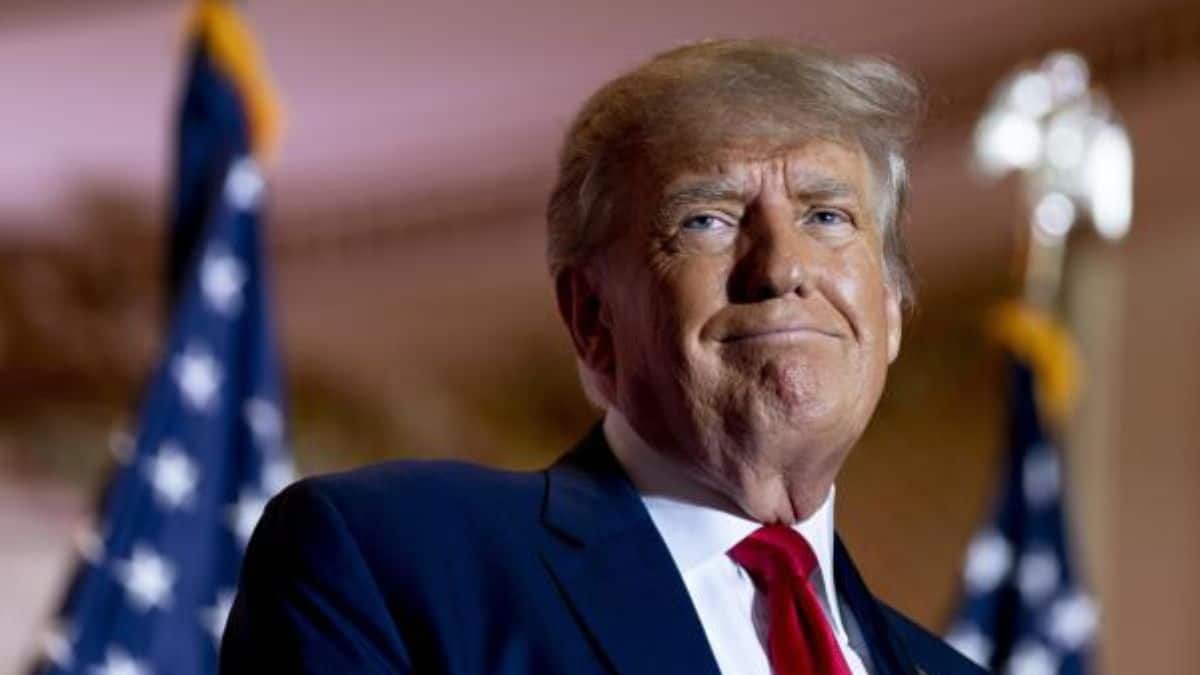
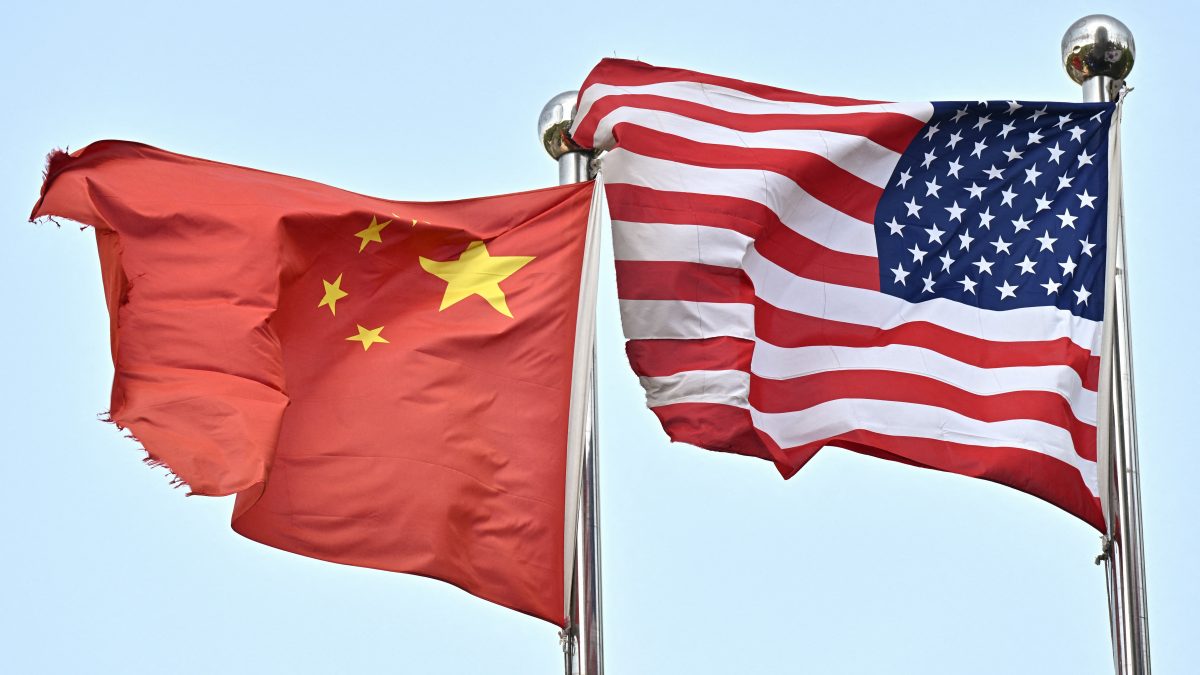 "China no longer America’s No.1 challenge: Trump’s new security document mutes fiery tone of 2017")
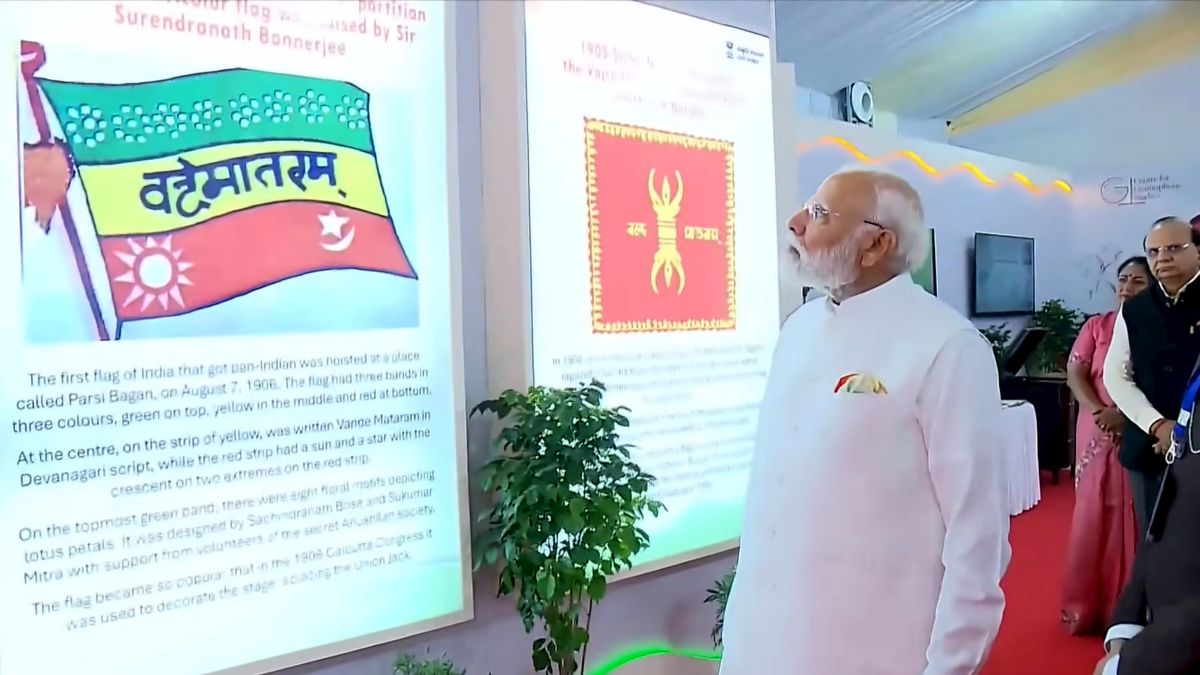 "Why is Vande Mataram being debated in Parliament, 150 years after it was first penned?")
 "How does Cambodia's army stack up against Thailand?")
 "Trump’s approval rating dips, 55% disapprove his performance: White House says ‘more work remains’")
 "China no longer America’s No.1 challenge: Trump’s new security document mutes fiery tone of 2017")
 "Why is Vande Mataram being debated in Parliament, 150 years after it was first penned?")
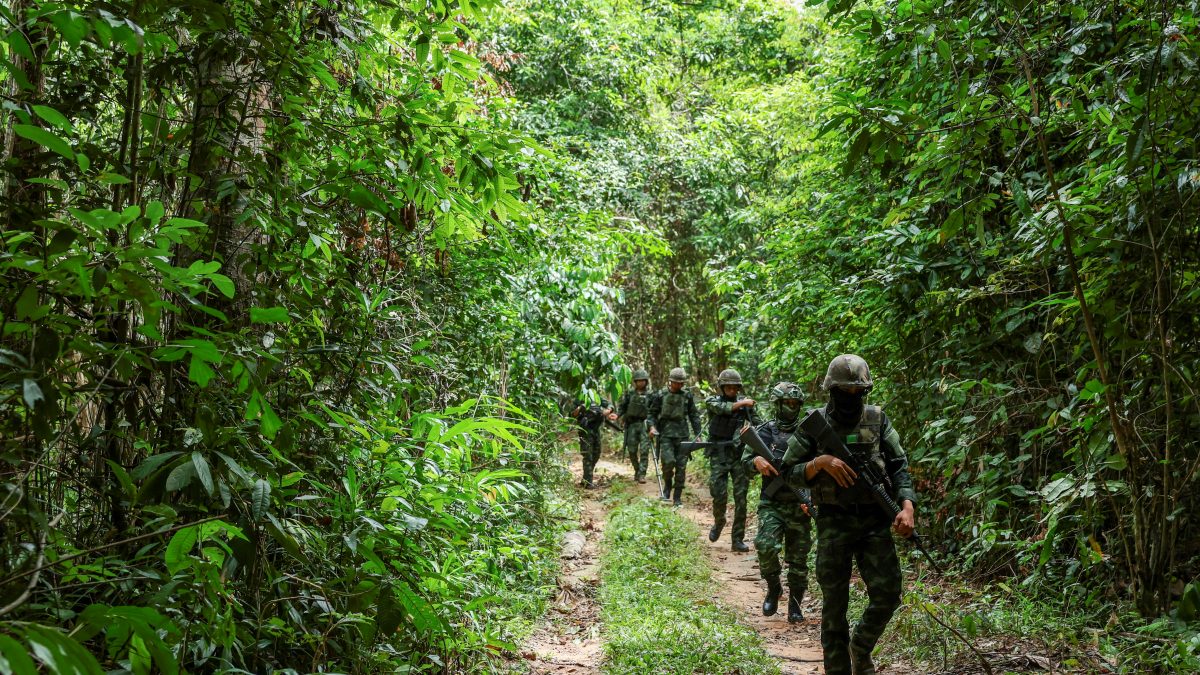 "How does Cambodia's army stack up against Thailand?")
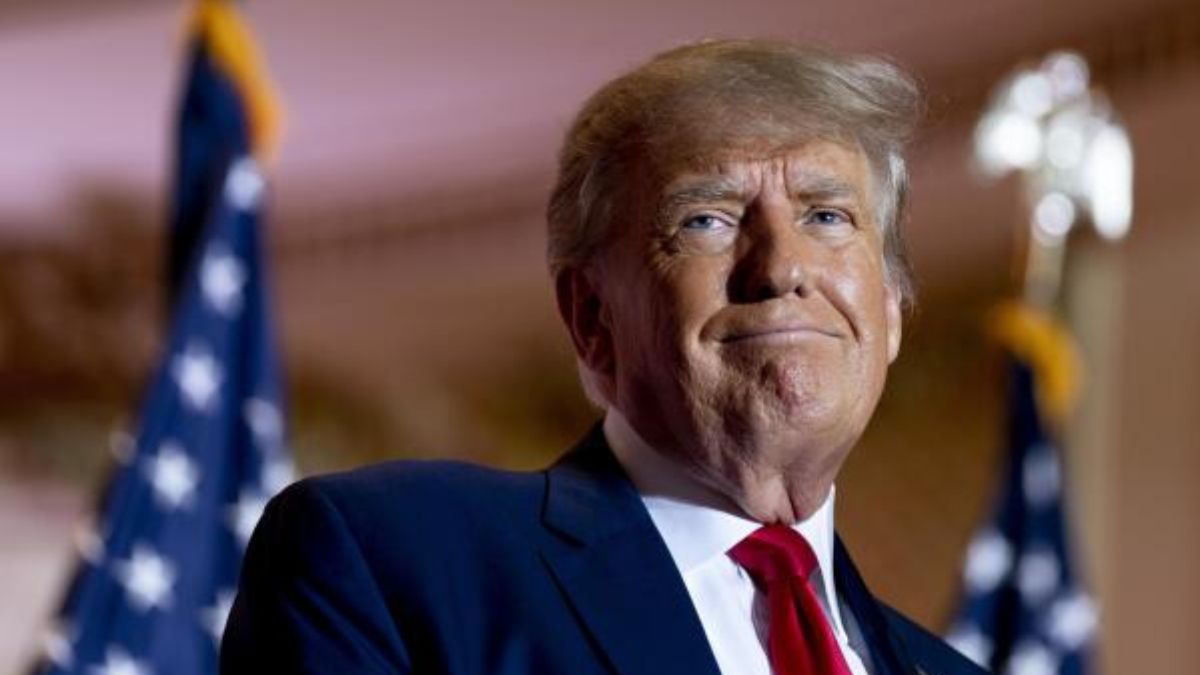 "Trump’s approval rating dips, 55% disapprove his performance: White House says ‘more work remains’")



