

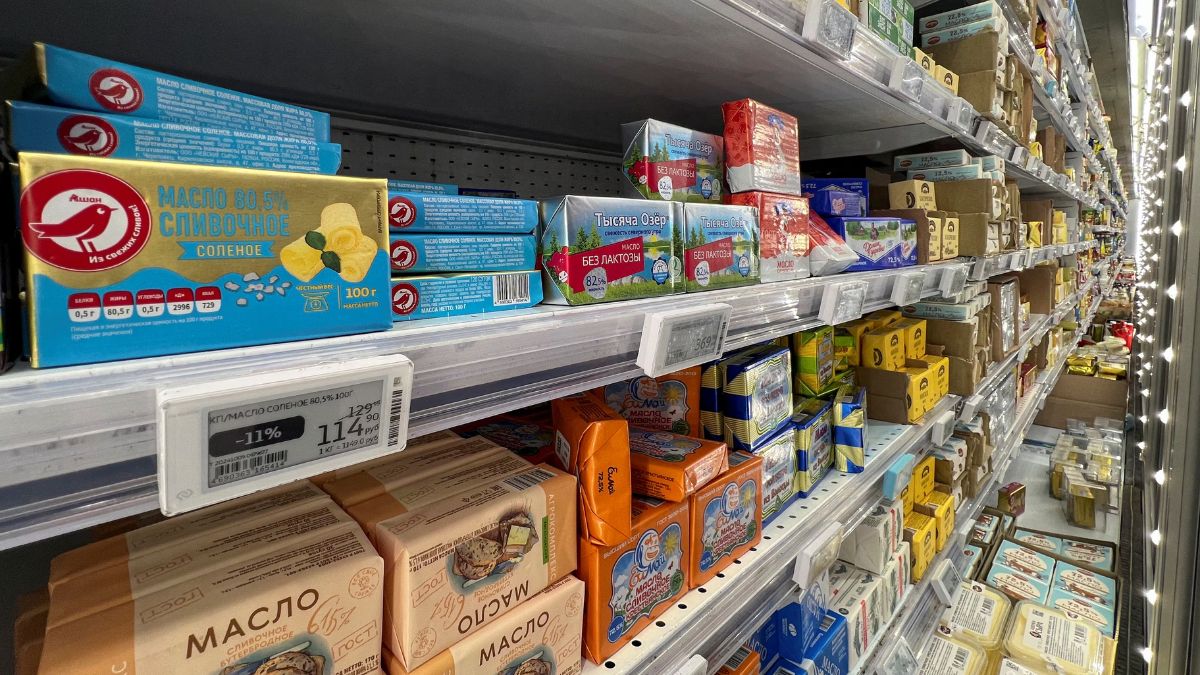
 "10 things about Russia's big butter crisis")
Russia’s war economy is reeling under prolonged war with daily essentials like butter becoming a symbol of the country’s growing economic woes. President Vladimir Putin’s ‘massive’ spending on arms and ammunition has supported Moscow’s military stance in Ukraine, but it has come at a hefty price for domestic life. Prices for food and other necessities have soared, triggering shortages, thefts and rationing across the country.
Here are 10 points to understand the reason behind the shortage of daily essentials and high inflation in Russia.
Soaring inflation: Russia’s soaring inflation driven by the war economy is affecting the cost of daily essentials to larger extents with the prices of butter, meats and onions, touching a staggering high of up to 25% compared to the last year.
Butter crisis: To tackle the butter shortage, some supermarkets in Russia have begun locking butter in cabinets after thefts of butter packs have been reported. The UAE has supplied 90 metric tons of butter, and Russia began importing from Turkey in October.
Declining imports: Butter imports from Latin America have drastically reduced from 25,000 tons in 2014 to just 2,800 tons this year, partially due to Western sanctions.
Record inflation: Russia’s inflation rate hovers near 10%, higher than expected by the central bank, mainly fuelled by escalating wages and demand in the military sector.
Impact Shorts
More ShortsImpact of war spending: The war effort is distorting Russia’s economy, pushing wages higher as companies compete for labour, particularly in the defence sector while non-defence sectors struggle to compete.
Unproductive growth: Economic growth in Russia is described as “growth without development,” where national income rises but improvements in key sectors like health, education, and infrastructure stagnate.
Rising interest rates: The central bank raised its interest rate to 21% to counter inflation but economists predict inflationary pressures will persist, and further rate hikes may occur.
Labour shortages: President Putin has acknowledged a labour shortage, claiming the economy needs nearly 1 million new workers. The shortage is particularly acute in construction and manufacturing.
Economic Strain: High labour costs and interest rates are pushing companies to the brink with an increasing risk of bankruptcies, as noted by Russia’s Alfa Bank.
War economy’s sustainability: Despite these challenges, analysts suggest the Russian economy can continue supporting the war effort in the long term, sustained by commodity exports and financial evasion of Western sanctions.


 "Russian drones over Poland: Trump’s tepid reaction a wake-up call for Nato?")
 "As Russia pushes east, Ukraine faces mounting pressure to defend its heartland")
 "Why Mossad was not on board with Israel’s strike on Hamas in Qatar")
 "Turkey: Erdogan's police arrest opposition mayor Hasan Mutlu, dozens officials in corruption probe")
 "Russian drones over Poland: Trump’s tepid reaction a wake-up call for Nato?")
 "As Russia pushes east, Ukraine faces mounting pressure to defend its heartland")
 "Why Mossad was not on board with Israel’s strike on Hamas in Qatar")
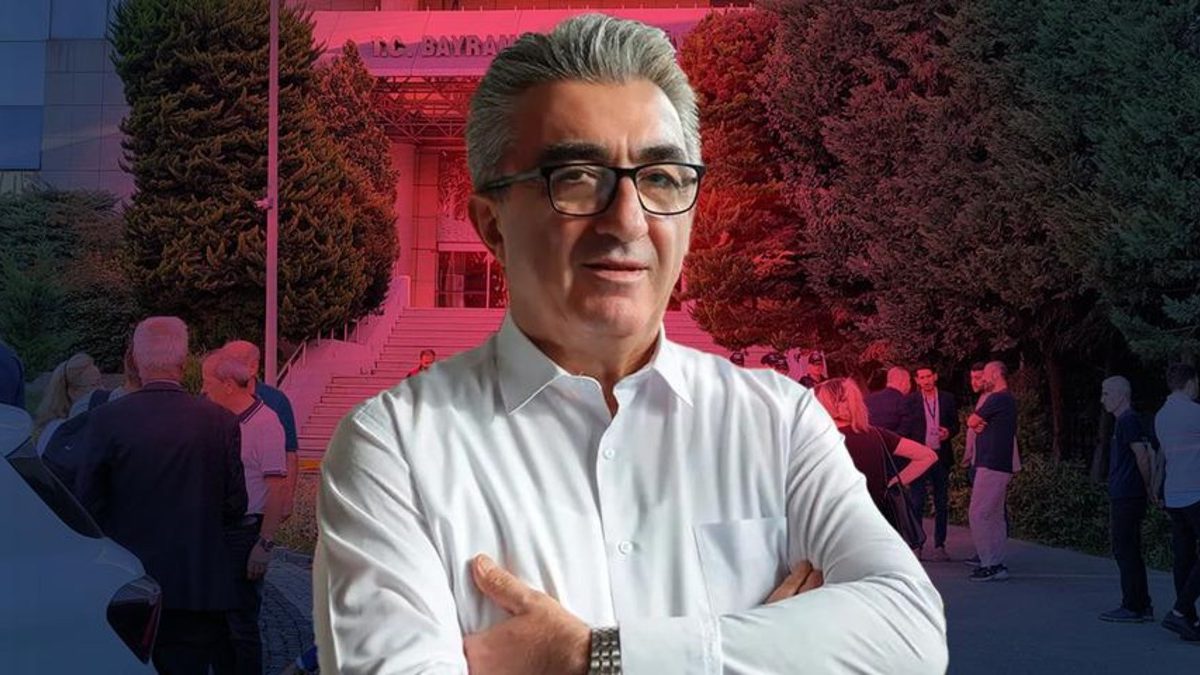 "Turkey: Erdogan's police arrest opposition mayor Hasan Mutlu, dozens officials in corruption probe")



