 "Social media companies to fight India's new rule on content regulation: Report")
Global
social media
and technology giants are gearing up to fight sweeping new rules
proposed
by the Indian government that would require them to actively regulate content in one of the world’s biggest Internet markets, sources close to the matter told Reuters. The rules, proposed by the Information Technology ministry on Christmas Eve, would compel platforms such as Facebook, its messaging service WhatsApp and Twitter to
remove unlawful content
, such as anything that affected the “sovereignty and integrity of India”. This had to be done within 24 hours, the rules proposed. The proposal, which caught many holidaying industry executives off guard, is open for public comment until Jan. 31. It will then be adopted as law, with or without changes. The move comes ahead of India’s
national election
due by May and amid rising worries that activists could misuse social media, especially the WhatsApp messaging service, to spread fake news and sway voters. [caption id=“attachment_5272761” align=“alignnone” width=“1024”]
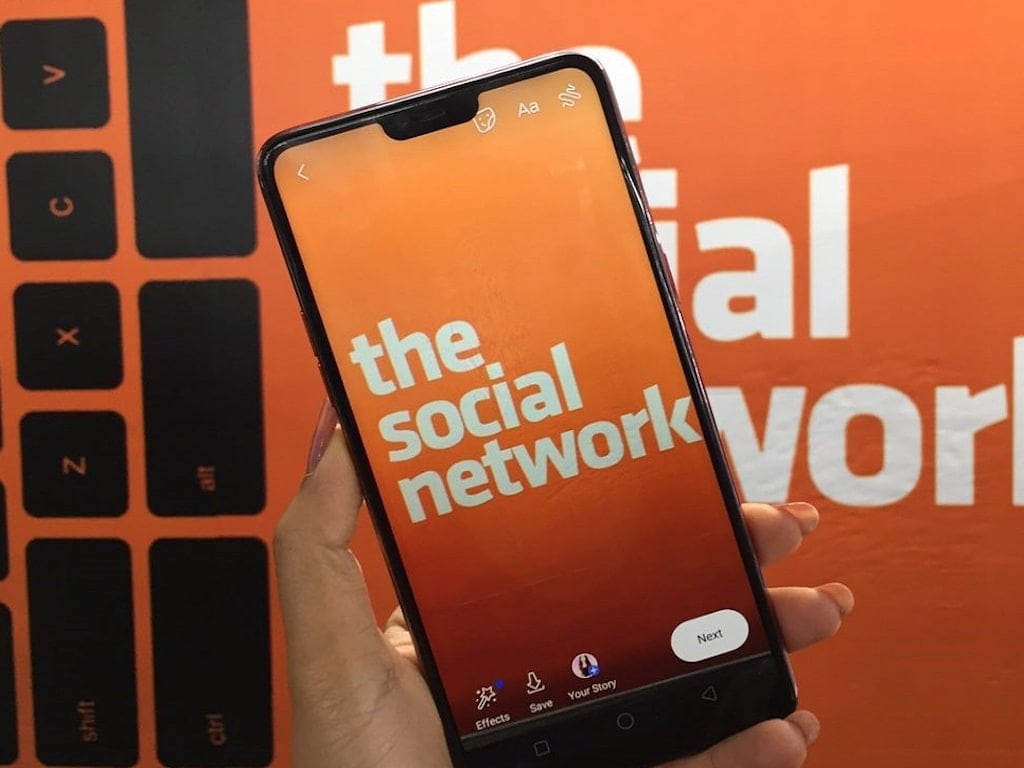 Facebook Stories.[/caption] Industry executives and civil rights activists say the rules smack of censorship and could be used by the government of
Prime Minister Narendra Modi
to increase surveillance and crack down on dissent. Social media firms have long battled efforts by governments around the world to hold them responsible for what users post on their platforms. US and India lobby groups, representing
Facebook
and other companies, have sought legal opinions from law firms on the impact of the federal proposal, and have started working on drafting objections to be filed with the IT ministry, four sources in the sector said. “The companies can’t take this lying down. We are all concerned, it’s fundamental to how these platforms are governed,” said an executive at a global social media company. An estimated half a billion people in India have access to the Internet. Facebook has about 300 million users in the country and
WhatsApp
has more than 200 million. Tens of millions of Indians use
Twitter
. The new rules, the sources said, would put privacy of users at risk and raise costs by requiring onerous round-the-clock monitoring of online content. [caption id=“attachment_5079041” align=“alignnone” width=“1280”]
Facebook Stories.[/caption] Industry executives and civil rights activists say the rules smack of censorship and could be used by the government of
Prime Minister Narendra Modi
to increase surveillance and crack down on dissent. Social media firms have long battled efforts by governments around the world to hold them responsible for what users post on their platforms. US and India lobby groups, representing
Facebook
and other companies, have sought legal opinions from law firms on the impact of the federal proposal, and have started working on drafting objections to be filed with the IT ministry, four sources in the sector said. “The companies can’t take this lying down. We are all concerned, it’s fundamental to how these platforms are governed,” said an executive at a global social media company. An estimated half a billion people in India have access to the Internet. Facebook has about 300 million users in the country and
WhatsApp
has more than 200 million. Tens of millions of Indians use
Twitter
. The new rules, the sources said, would put privacy of users at risk and raise costs by requiring onerous round-the-clock monitoring of online content. [caption id=“attachment_5079041” align=“alignnone” width=“1280”]
 Representational image.[/caption] Internet firm Mozilla Corp said last week the proposal was a “blunt and disproportionate” solution to the problem of harmful content online, and one which could lead to over-censorship and “chill free expression”. The IT ministry has said the proposal was aimed at only making social media safer. “This is not an effort to curb freedom of speech, or (impose) censorship,” Gopalakrishnan S., a joint secretary at India’s IT ministry said on Saturday when the ministry ran a #SaferSocialMedia campaign on Twitter. Facebook and WhatsApp declined to comment. A Twitter spokesperson said the company continues to engage with the IT Ministry and civil society on the proposed rules. “This will be like a sword hanging on technology companies,” said Nikhil Narendran, a partner specializing in technology law at Indian law firm Trilegal.
Tight Regulations
Such regulations are not unique to India. Vietnam has asked tech companies to
open local offices and store data domestically
, while Australia’s parliament has passed a bill to force companies to give
police access to encrypted data
. Germany requires social media companies to
remove illegal hate speech
within 24 hours or face fines. Nevertheless, the proposal would further strain relations between India and global technology firms. They have been at odds since last year due to federal proposals requiring them to store more user data locally to better assist legal investigations. The new rules, called “intermediary guidelines”, also propose requiring companies with more than 5 million users in India to have a local office and a nodal officer for “24x7 coordination with law enforcement”.